Innovations in Acne Therapy for Bulgaria
Clinical-Grade Optical Platforms Tailored for European Dermatological Clinics

Deep Analysis: The Aesthetic & Laser Dermatology Sector in Bulgaria
Bulgaria's medical aesthetic market is undergoing a rapid, technology-driven evolution. The city centers of Sofia, Plovdiv, and Varna are seeing a major influx of medical spas, aesthetic clinics, and dermatological centers. Driving this trend is a highly discerning patient base seeking rapid, non-invasive treatments for inflammatory acne vulgaris, acne scarring, and general skin rejuvenation. Laser acne treatment devices have transitioned from secondary therapeutic options to primary interventions. Historically, systemic retinoids and topical antibiotics dominated acne therapies; today, clinical demands prioritize technologies that exhibit minimal downtime, fast therapeutic windows, and long-term results without systemic side effects.
In Eastern Europe, clinical practitioners contend with seasonal climate shifts that alter skin lipids and hydration metrics. Cold, dry winters followed by intensely sunny summers mean that laser systems must offer highly customizable parameters. Clinicians require devices with multi-wavelength capacity (e.g., combining IPL, Diode, and CO2 lasers) to safely treat varying Fitzpatrick skin types without risking post-inflammatory hyperpigmentation (PIH). The search for reliable global suppliers and exporters who can provide EU-compliant (CE MDR) technology alongside local technical training and support is a high priority for Bulgarian importers, medical buying syndicates, and aesthetic distributors.
Technical Mechanics: Laser Treatment Modalities & Acne Tissue Interaction
To deliver true "Information Gain" for clinical buyers, we must analyze the biological interactions between energy-based systems and acne pathology. Acne vulgaris involves sebaceous gland hyperplasia, abnormal follicular keratinization, colonization by *Cutibacterium acnes* (formerly *Propionibacterium acnes*), and inflammatory cascades. Laser systems combat this through multiple distinct photothermal and photochemical avenues:
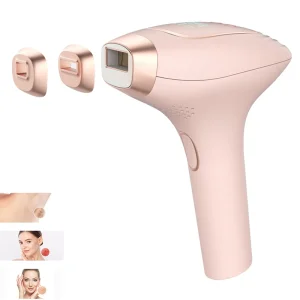
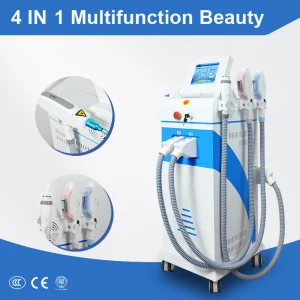
- IPL (Intense Pulsed Light): Emitting broad-spectrum light (typically 400nm to 1200nm), IPL targets endogenous porphyrins produced by *C. acnes*. This triggers the release of singlet oxygen, destroying the bacteria without damaging surrounding tissue. Simultaneously, IPL targeting of oxyhemoglobin in microvasculature reduces post-inflammatory erythema (PIE).
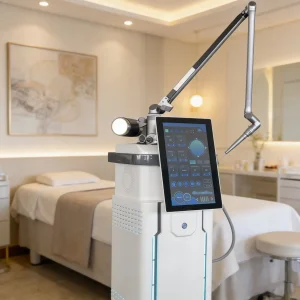
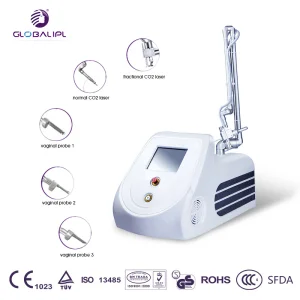
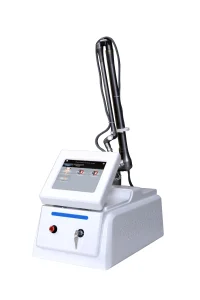
- Fractional CO2 Lasers (10,600nm): Widely recognized as the gold standard for structural acne scar remodeling. Micro-ablative columns (microscopic treatment zones or MTZs) vaporize columns of skin, stimulating heat shock proteins and triggering rapid neocollagenesis. This reorganizes deep dermal scarring.
- 1550nm Erbium Glass Fiber Lasers: This non-ablative modality targets water in the mid-to-deep dermis, coagulating tissue columns without vaporizing the stratum corneum. It is highly valued in Bulgarian clinics for its ability to treat active acne and scarring in active patients with minimal social downtime.
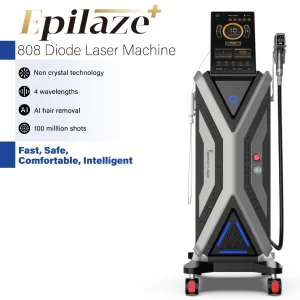
- High-Power Diode Systems (e.g., 7500W Platforms): High-power diode lasers (integrating 755nm, 808nm, 940nm, and 1064nm wavelengths) serve dual clinical purposes. While mainly utilized for hair removal, the 940nm and 1064nm wavelengths penetrate deeply into the dermis to thermally alter active sebaceous glands, reducing sebum excretion rates (SER).
Clinical Perspective: Choosing the Right Modality
For active inflammatory acne, combined IPL and non-ablative Erbium Glass (1550nm) therapy yields optimal outcomes. For legacy atrophic scars (icepick, boxcar, rolling), fractional CO2 remains unmatched, provided that the cooling mechanisms are robust enough to protect the epidermis from thermal injury.
Clinical Efficacy Comparison Matrix
| Technology | Primary Target Chromophore | Clinical Indication | Downtime Profile | Risk of PIH (Fitzpatrick IV-V) |
|---|---|---|---|---|
| IPL (Intense Pulsed Light) | Porphyrins & Oxyhemoglobin | Active inflammatory acne & Erythema (PIE) | Zero to 1 day | Low |
| Fractional CO2 (10,600nm) | Water in Dermal Tissue | Deep atrophic acne scars & skin resurfacing | 5 to 7 days | Moderate to High (requires strict UV protection) |
| Erbium Glass (1550nm) | Water in Dermis | Moderate scarring & active sebum reduction | 1 to 3 days | Low to Moderate |
| Diode Laser (808nm/1064nm) | Melanin & Deep Water/Hemoglobin | Deep sebaceous gland thermal modification | Zero downtime | Very Low |
Why Source from China: The Industrial Synergy of BryMax Beauty
For Bulgarian aesthetic businesses, importing directly from a specialized Chinese manufacturer like Dongguan BryMax Beauty Co., Ltd. offers significant economic and technological advantages over sourcing from European distributors. BryMax is a national high-tech enterprise focusing on the research, development, production, and global distribution of advanced medical-grade aesthetic devices. By integrating the complete design, engineering, and manufacturing process in-house, BryMax bypasses middle-tier distributor markups, allowing Bulgarian medical spas and beauty chains to acquire high-performance clinical hardware at direct-factory prices.
Compliance is a crucial factor for European medical devices. BryMax Beauty has invested heavily in international regulatory standards, securing Chinese NMPA, US FDA, Japanese PSE, Middle Eastern S FDA, and EU CE certifications. The manufacturing center operates under strict medical device standards, ensuring that raw material selection, optical component calibration, electrical safety protocols, and thermal dissipation metrics meet European regulations.
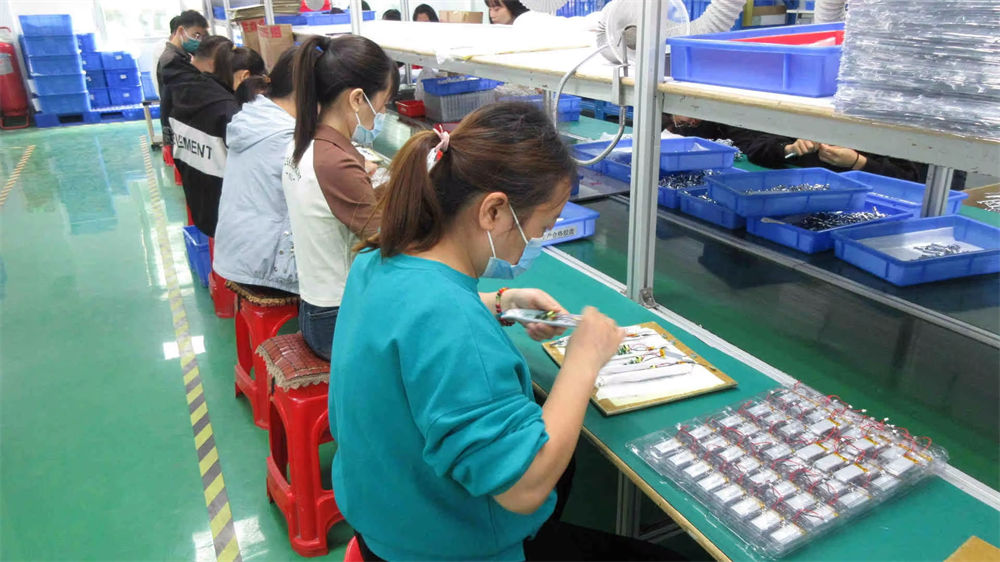
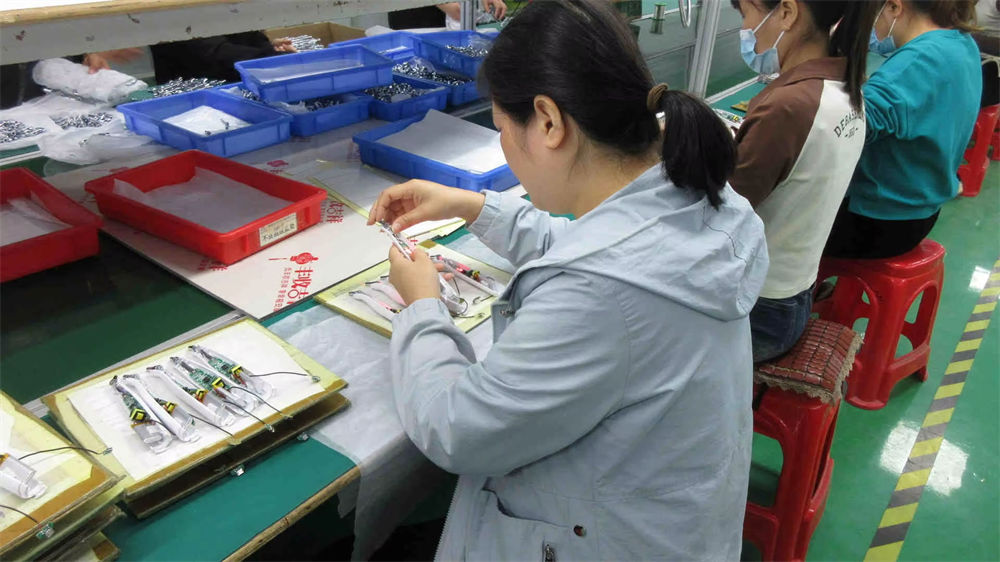
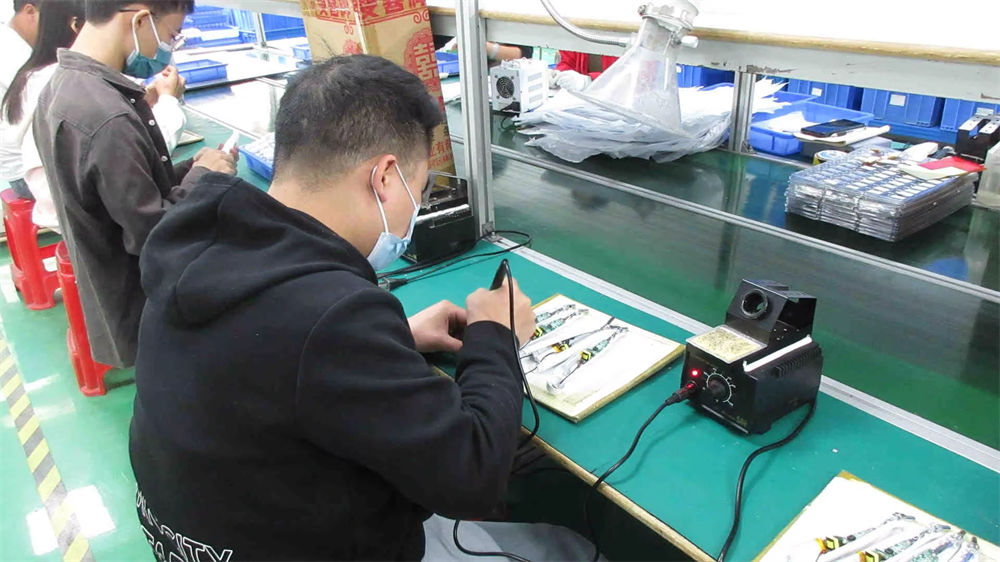
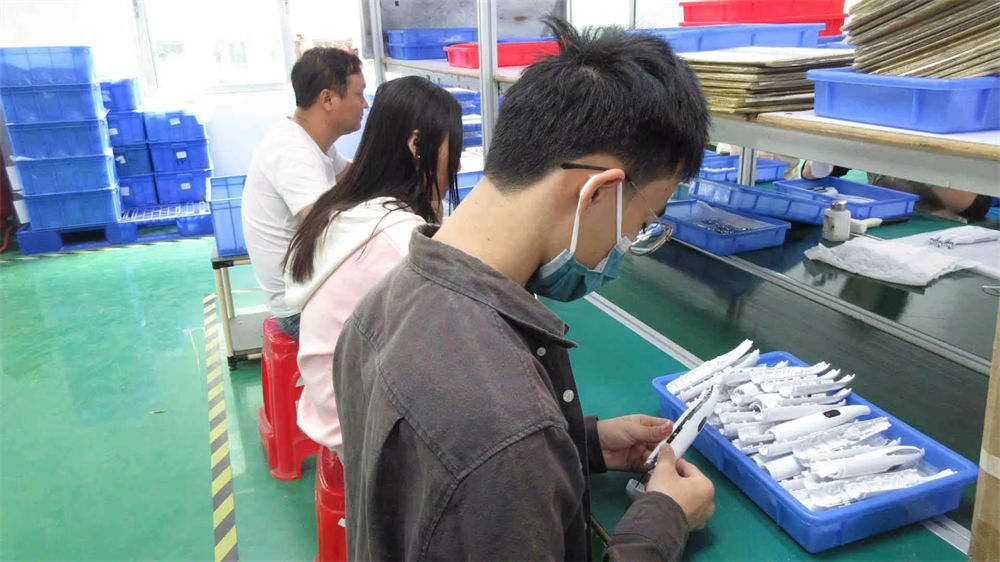
Inside the Manufacturing Facility: Precision Engineering & Quality Control
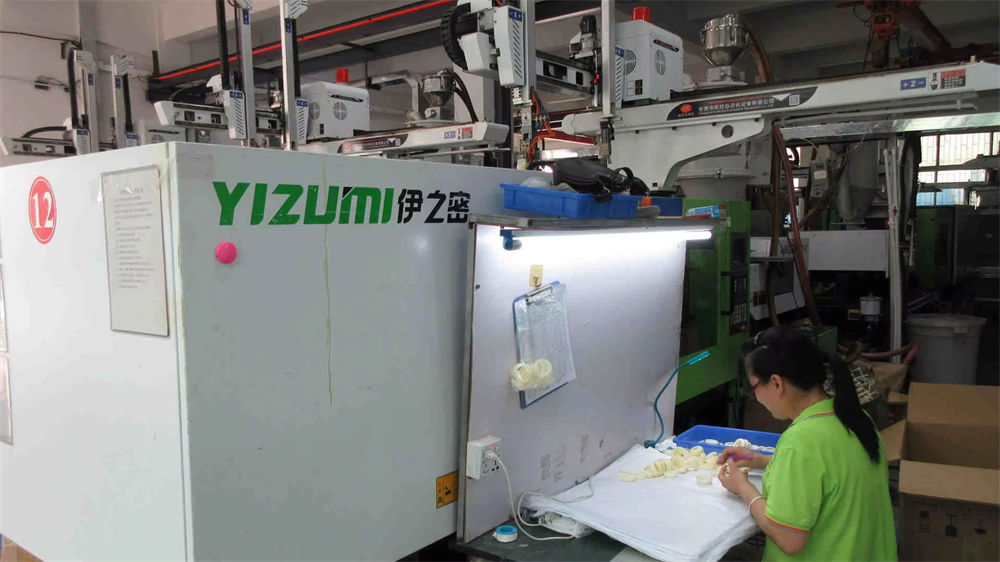
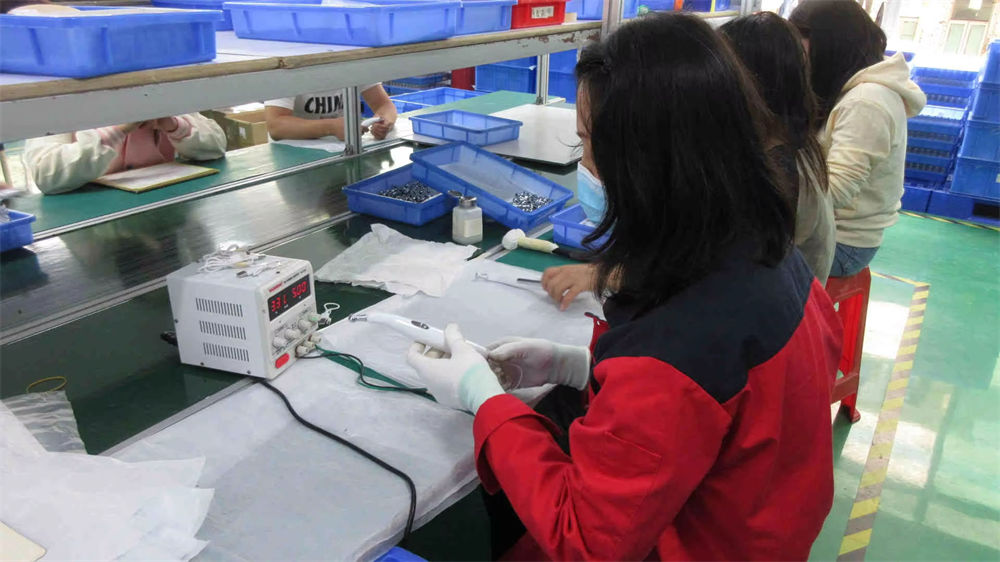
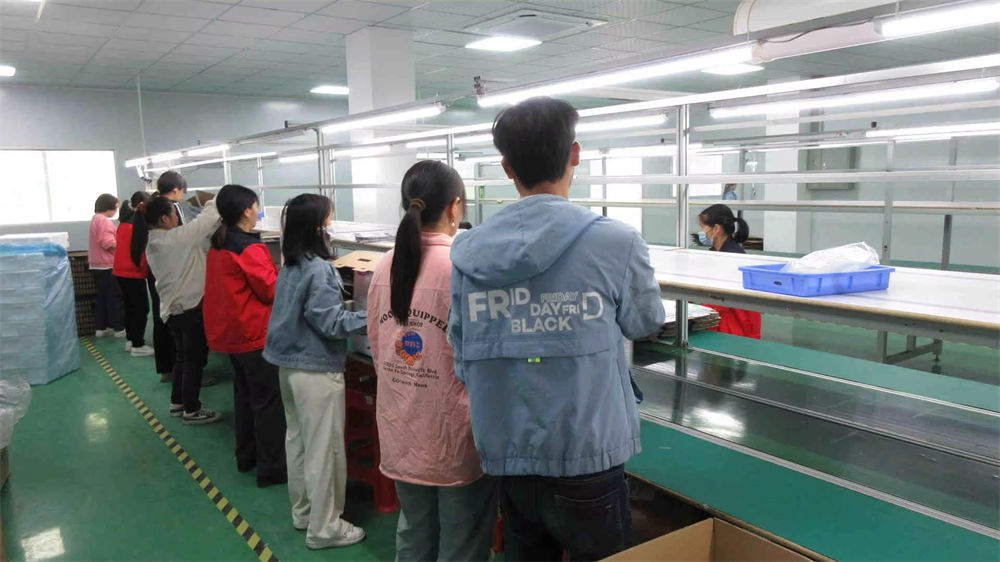
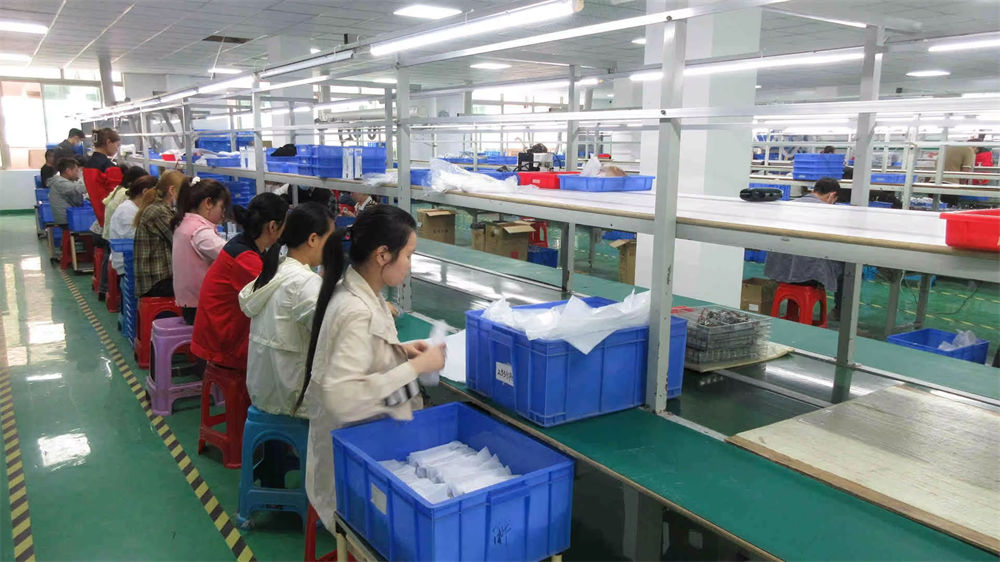
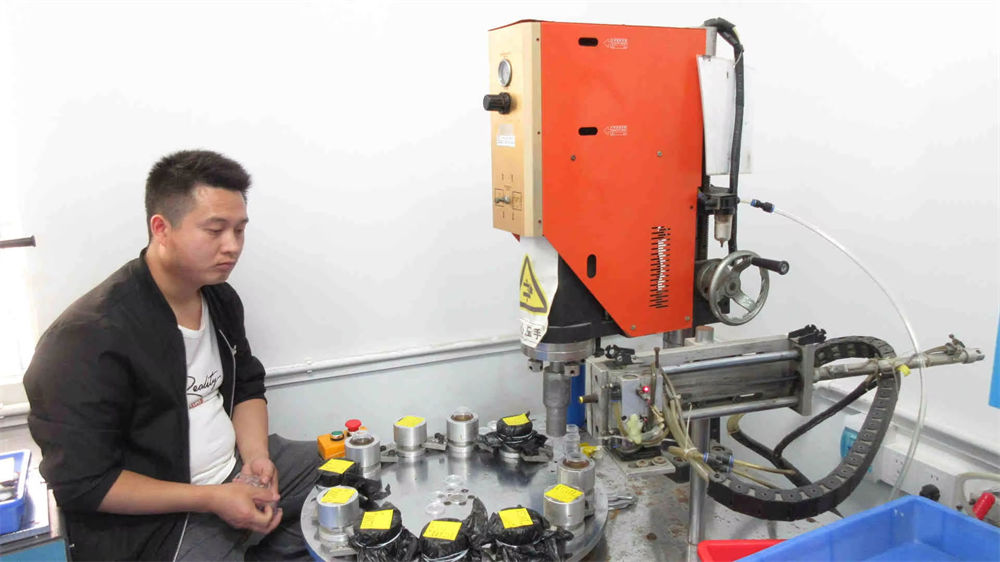
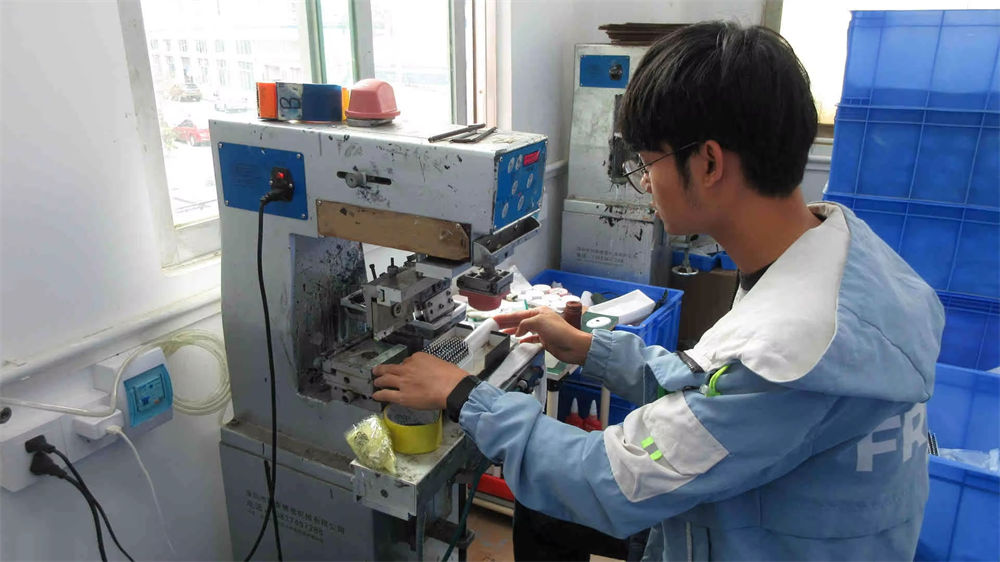
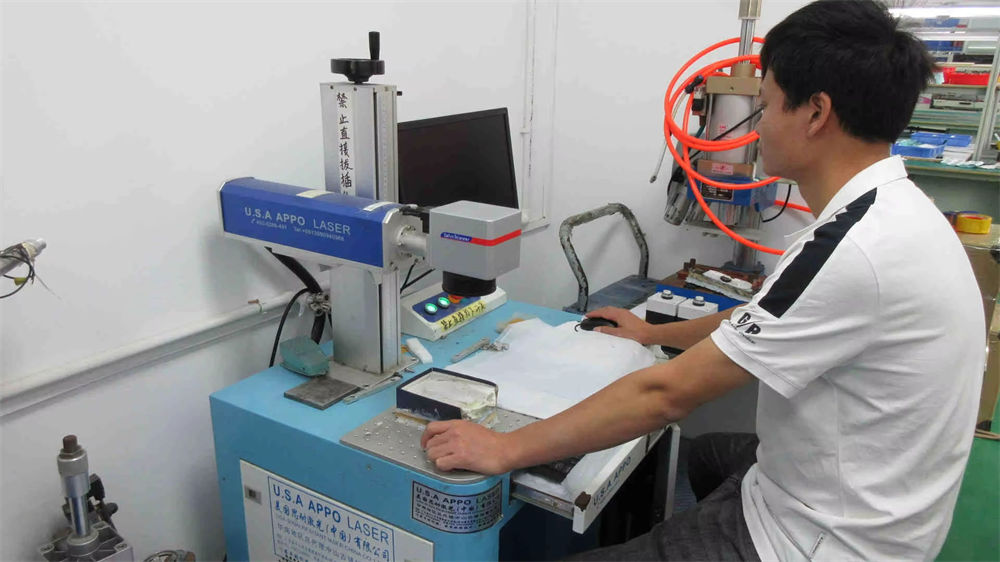
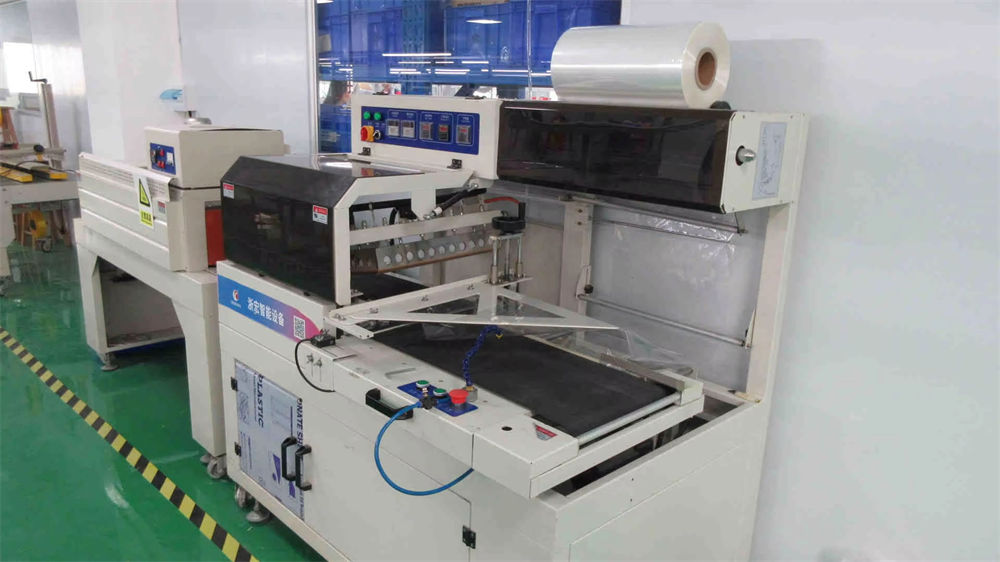
To maintain E-E-A-T and show true manufacturing depth, we detail the 14-step manufacturing pipeline of BryMax Beauty. Each phase of production is audited to ensure reliability, clinical safety, and long operational lifespan of all laser systems exported to Bulgaria.
Supply Chain Optimization & Logistics for Bulgaria
Managing international logistics for high-value optoelectronic medical equipment requires planning across several compliance and shipping stages:
- Regulatory Documentation: Aesthetic systems entering Bulgaria must display the CE mark under the European Union Medical Device Regulation. BryMax supplies comprehensive documentation files (Technical Files, Risk Management Files, Declaration of Conformity, and ISO 13485 audits) to ensure fast customs clearance.
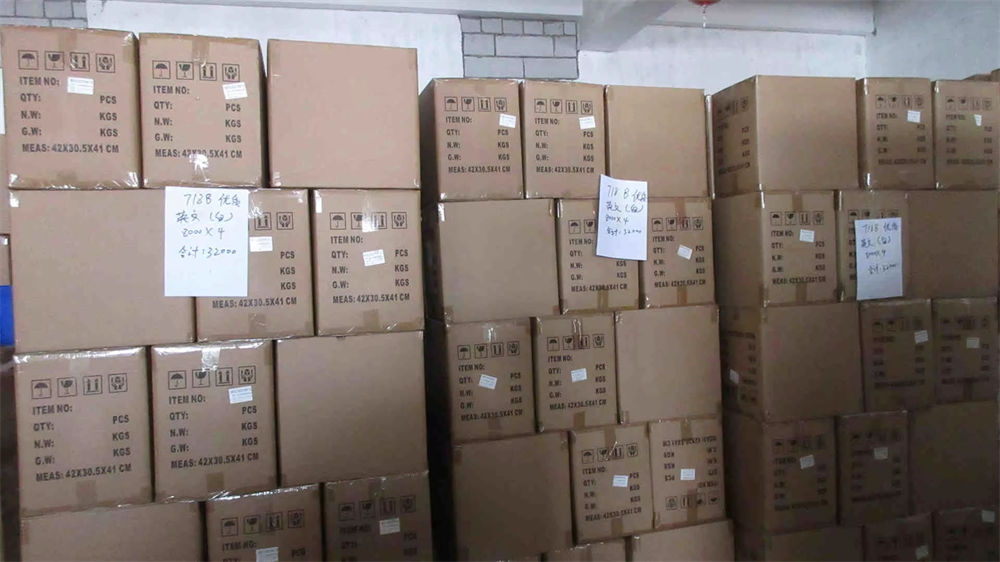
- Shipping Routes: BryMax coordinates direct air freight from Hong Kong (HKG) or Shenzhen (SZX) to Sofia Airport (SOF) for high-urgency orders. For container-load orders, sea freight routing via Varna or Burgas ports offers a highly economical alternative.
- Voltage Adaptation & Component Customization: All devices destined for the Bulgarian market are wired for standard European voltage (230V ± 10%, 50Hz) and use EU-standard Type F power connectors. System user interfaces can be customized into Bulgarian or bilingual configurations.
Specialized Clinical Platforms & Specialty Additions
To ensure every clinical requirement is met, BryMax integrates custom wavelengths and multi-functional platforms that address both acne clearing and hair removal:
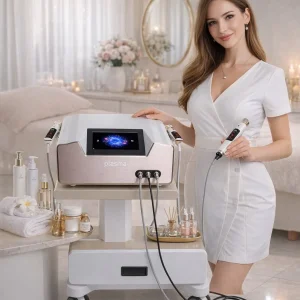
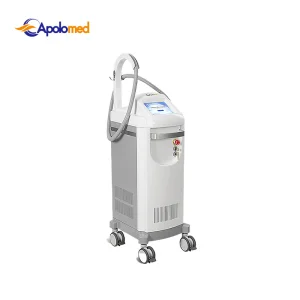
- For high-volume commercial centers, the Acne Treatment 1550nm Er Fiber Fractional Laser Device for Commercial offers high clinical efficiency and long continuous runtime.
- Combining epidermal thermal repair with structural tissue toning, the Acne Treatment 25~3025 PPA/Cm² (12 Level) Wrinkle Remover Hair Growth Skin Resurfacing Device combines deep resurfacing with dynamic tissue cooling.
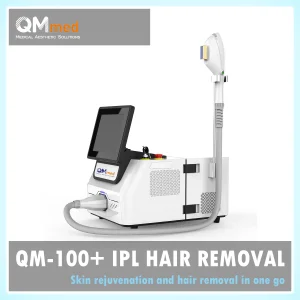
- For hybrid clinical/home-use business models, the Multi-Functional 3in1 Household Electric Acne Treatment Skin Care IPL Hair Removal Device enables post-clinical maintenance protocols for patients at home.
- Utilizing state-of-the-art cold atmospheric energy, the Cold and Warm Plasma Device for Effective Acne Treatment ionizes surrounding gases to sterilize *C. acnes* bacteria without thermal epidermal damage.
Frequently Asked Questions (FAQ)
Request Technical Specifications & Distributor Pricing
Get in touch with our product engineers today to receive comprehensive brochures, clinical trial reports, and customized import pricing for Bulgaria.
Submit Inquiry NowClinical Equipment Portfolio for Bulgaria
Professional Laser & Energy-Based Platforms