Featured Professional Solutions
The Technological Frontier: Understanding Photobiomodulation (PBM)
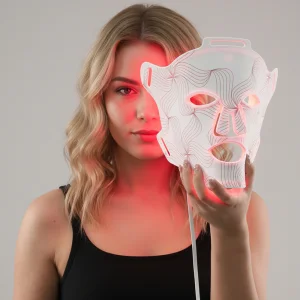
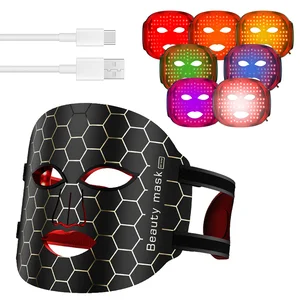
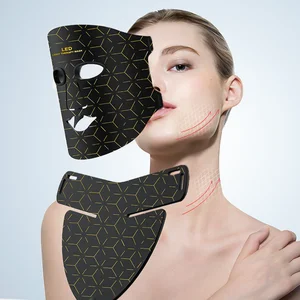
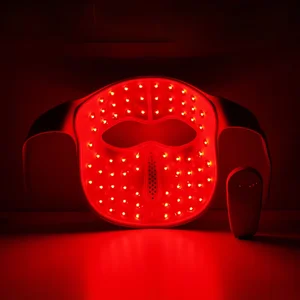
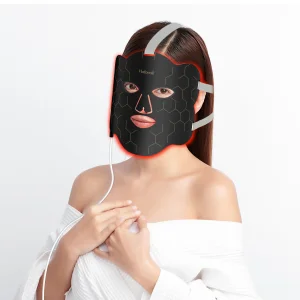
At the core of the modern LED light therapy mask industry lies the science of Photobiomodulation (PBM). As leading manufacturers, our commitment to E-E-A-T (Experience, Expertise, Authoritativeness, Trustworthiness) necessitates a deep dive into the technology. LED masks function by delivering specific wavelengths of light—typically 635nm (Red) and 850nm (Near-Infrared)—which penetrate the dermal layers to stimulate mitochondrial activity, promote collagen synthesis, and reduce inflammatory responses.
Global Supply Chain Resilience & Manufacturing Excellence
Dongguan BryMax Beauty Co., Ltd. represents the apex of the Chinese manufacturing cluster for personal care devices. Our resilience is built on a vertically integrated supply chain—from raw material sourcing (medical-grade silicone) to proprietary LED chip packaging. By maintaining strict NMPA, FDA, and CE certification standards, we ensure that our manufacturing output meets the rigorous demands of international distributors and high-end beauty salon chains.
Localized Application Scenarios
Understanding user intent is critical for global distributors. Our masks are engineered for diverse environments:
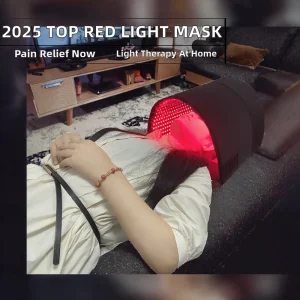
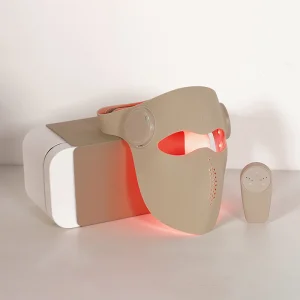
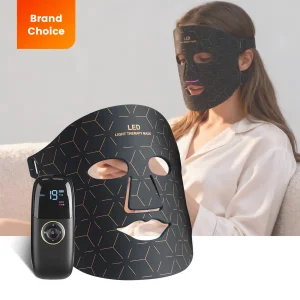
- Home Wellness: Portable, USB-rechargeable designs focus on ease-of-use, intuitive controls, and ergonomic fit for daily 15-minute sessions.
- Professional Spa & Clinical: High-output units (like the T150 series) provide deeper penetration and larger surface coverage, optimized for post-procedure recovery in controlled environments.
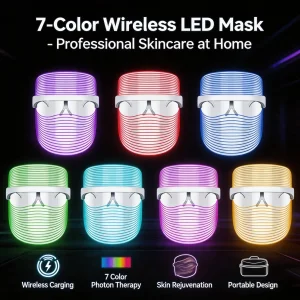
- Dermatological Support: Multi-color (Red, Blue, Purple) options provide tailored treatments for acne, aging, and skin rejuvenation, requiring specific optical power density calibration.
Future Outlook: The AI & IoT Integration
The next phase of LED therapy involves the integration of IoT-enabled skin analysis. Future iterations of our masks will feature sensor arrays that measure skin moisture and elasticity in real-time, adjusting light intensity and wavelength combinations automatically via a cloud-synced mobile app, creating a personalized skincare regimen that evolves with the user.
Dongguan BryMax Beauty Co., Ltd.: Your Strategic Partner
As a national high-tech enterprise, BryMax Beauty is more than just a manufacturer; we are an R&D powerhouse. We focus on the entire lifecycle of beauty devices, from initial laser cutting and injection molding to final assembly and clinical testing. Our facility is ISO-compliant, reflecting our dedication to quality assurance in every unit shipped globally.
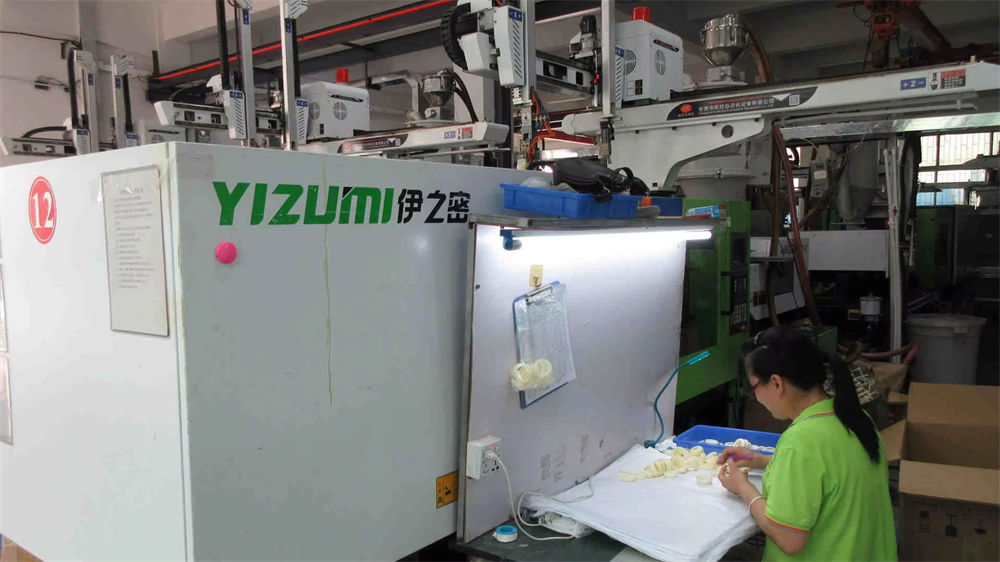
Injection
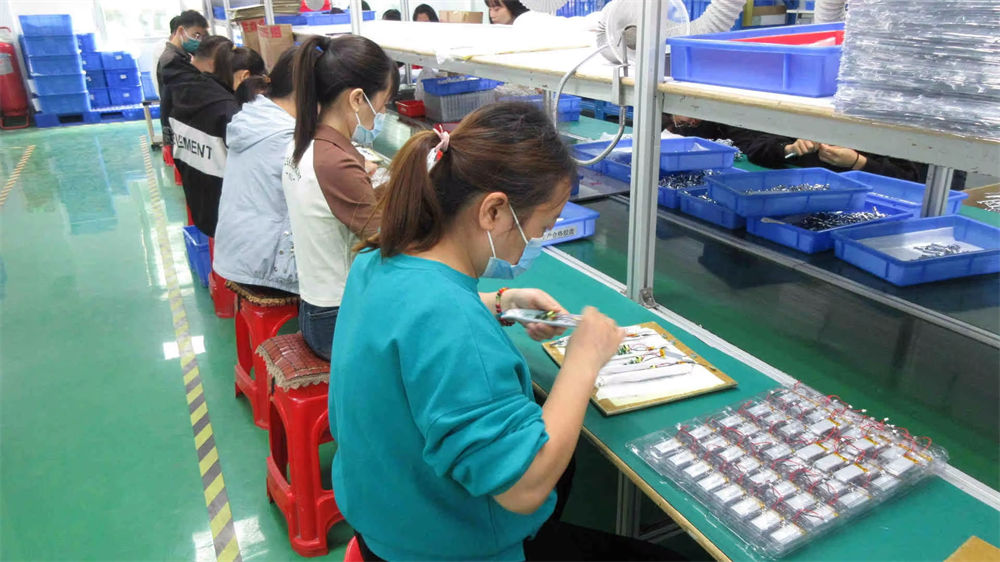
Assembly
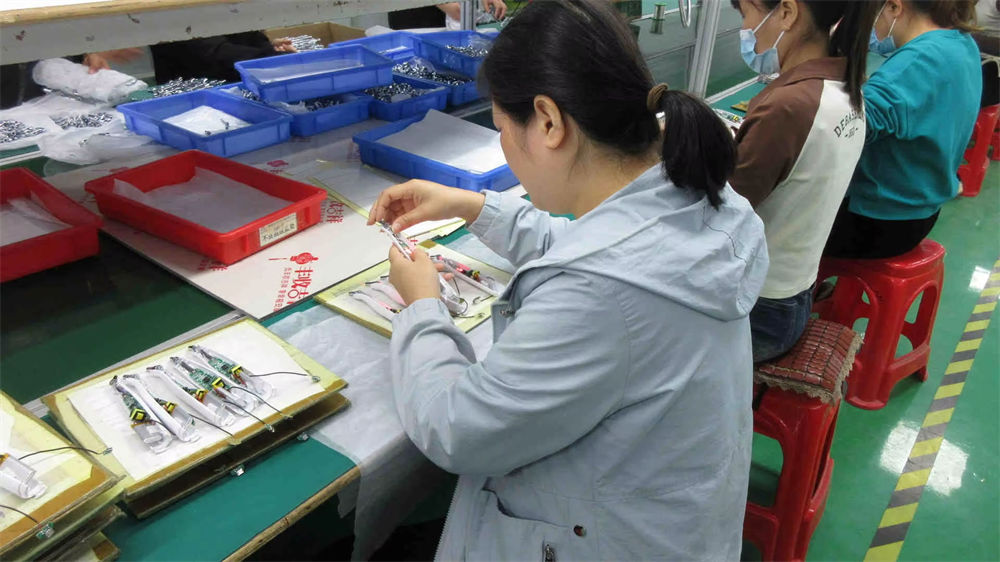
Semi-finished Inspection
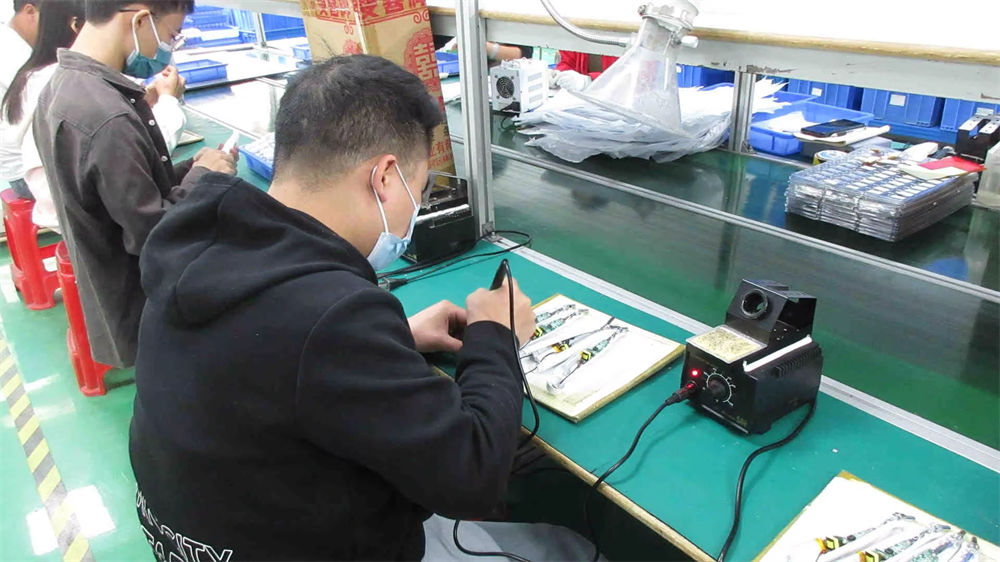
Welding
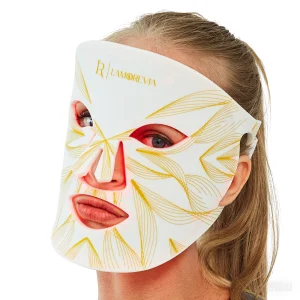
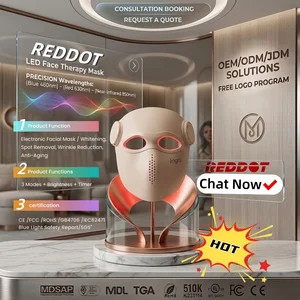
Full Collection & Advanced Models

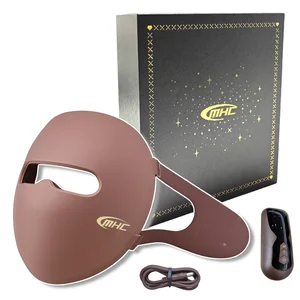
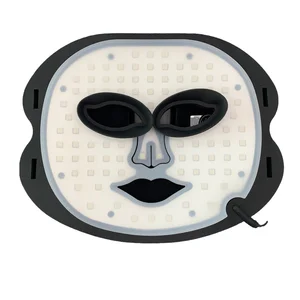
Frequently Asked Questions
What are the primary certifications for LED masks?
Reputable manufacturers should possess FDA (USA), CE (Europe), PSE (Japan), and NMPA (China) certifications. These ensure electrical safety, biocompatibility of materials, and optical output efficacy.
How do manufacturers ensure quality control in mass production?
High-end manufacturing facilities utilize automated optical inspection (AOI) for LED chips, ultrasonic welding for silicone enclosures, and standardized aging tests to verify component durability before final packaging.
Is silicone the preferred material for face masks?
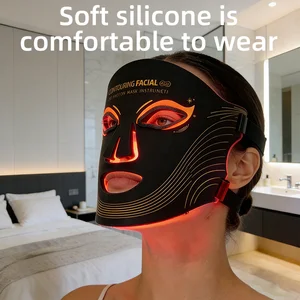
Yes, medical-grade silicone is preferred because it is non-porous, hypoallergenic, easy to sanitize, and offers a flexible, ergonomic fit that ensures even light distribution across the skin's surface.