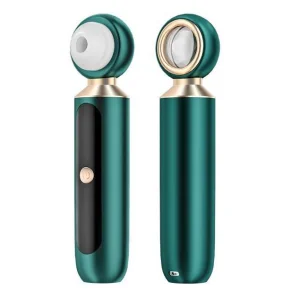
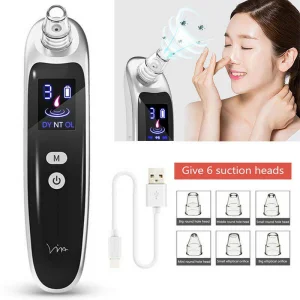
Leading Face Cleansing & Pore Vacuum Portfolios
Engineered for global importers, B2B brands, and dermatological clinics seeking OEM/ODM excellence.
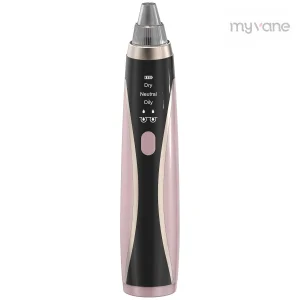
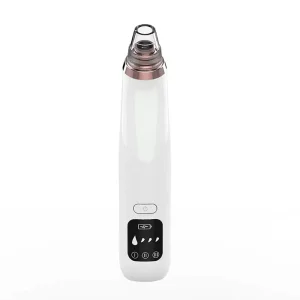
2024 Hot Selling Cost-Effective Skin Rejuvenation Deep Cleaning Pore Vacuum Blackhead Remover
Inquire Now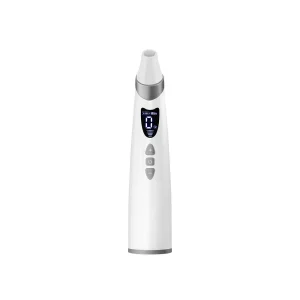
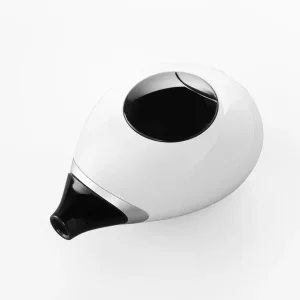
New Arrivals Best Selling Products Facial Pore Cleaner Blackhead Remover Vacuum Hydradermabrasion
Inquire Now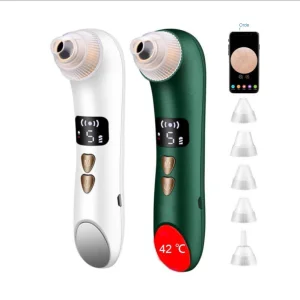
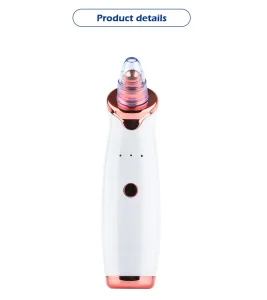
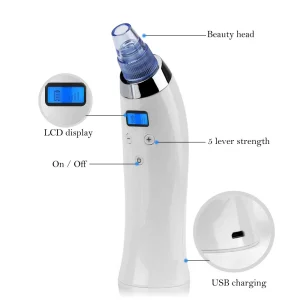
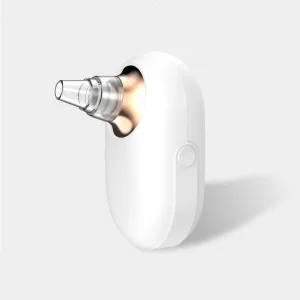
5 in 1 Facial Pore Deep Cleaning Electric Rechargeable Lithium Battery Vacuum Suction Blackhead Remover
Inquire Now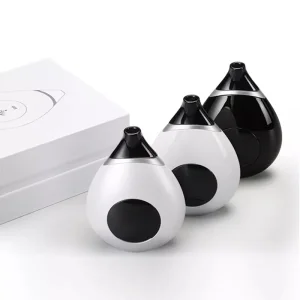
Technological Principles & The Physics of Negative Pressure Extraction
In the competitive global personal care landscape, the blackhead vacuum remover has transitioned from a niche beauty gadget to an essential dermatological home-care instrument. The underlying technology operates on the physical principle of negative pressure fluid dynamics. By creating a localized vacuum over the follicular infundibulum (pore), the device generates a pressure differential. This differential counteracts the adhesive capillary forces holding the sebum plug, keratinized cells, and micro-particles within the follicle, safely extracting them without the mechanical damage associated with traditional metal extractors.
Expert dermatological evaluations verify that mechanical squeezing induces localized tissue trauma, causing micro-tears in the epidermal layer and triggering post-inflammatory hyperpigmentation (PIH). Conversely, a scientifically calibrated pore vacuum applying negative pressure between 55 kPa and 65 kPa provides optimal extraction kinetics. This level removes follicular obstructions while protecting the integrity of the dermal capillaries. Furthermore, the integration of supplementary therapeutic modalities, such as blue-light phototherapy (at 415nm for microbial control) and thermal compress functions, assists in liquefying sebum lipids prior to vacuum application, optimizing overall treatment outcomes.
Global Supply Chain & B2B Procurement Dynamics
For international importers, brand owners, and distributors, finding reliable manufacturers is critical to managing consumer satisfaction and warranty costs. The supply chain for professional beauty electronics demands precision at every stage. This begins with sourcing medical-grade, biocompatible ABS plastics for the suction heads, and extends to using certified lithium-ion batteries with safety protection circuits to prevent thermal runaway.
Exporters must navigate complex compliance ecosystems to ensure seamless customs clearance and retail distribution. B2B buyers must prioritize manufacturers that hold comprehensive certifications, including FDA registrations, CE markings, RoHS environmental safety compliance, and Japan's PSE mark. These standards certify that devices meet rigorous electrical, chemical, and functional safety tests before entering global distribution channels.
Corporate Excellence: Dongguan BryMax Beauty Co., Ltd.
A high-tech manufacturer specializing in medical-grade personal care technology and global distribution.
Dongguan BryMax Beauty Co., Ltd. is a national high-tech enterprise dedicated to the research, development, production, and global distribution of cutting-edge household beauty and personal care devices. Our extensive product portfolio includes laser hair removal instruments, facial care devices, hair dryers, and other innovative small household appliances, all designed to improve the quality of everyday life and promote personal wellness.
Driven by a commitment to technological innovation and product excellence, BryMax Beauty has secured numerous design patents and globally recognized certifications, including NMPA certification in China, FDA certification in the United States, PSE certification in Japan, CE certification in the European Union, and S FDA certification in the Middle East. Our products enjoy strong sales in over 30 countries and regions, earning widespread acclaim from customers and industry partners alike.
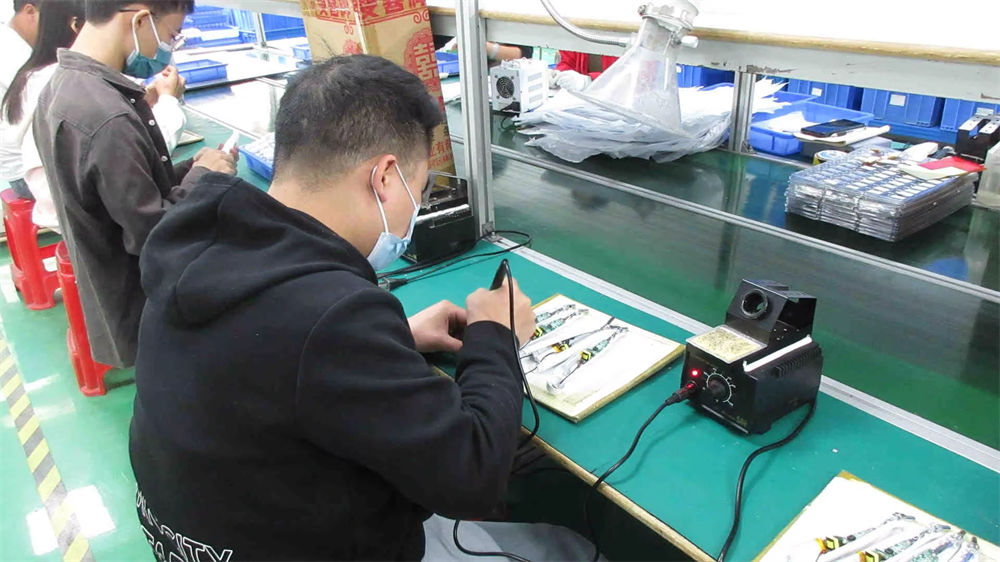
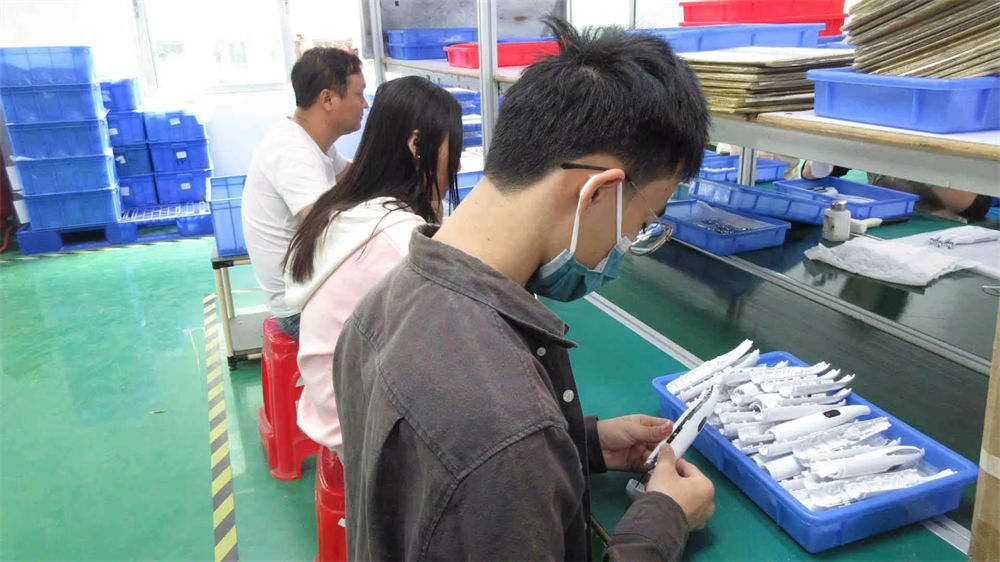
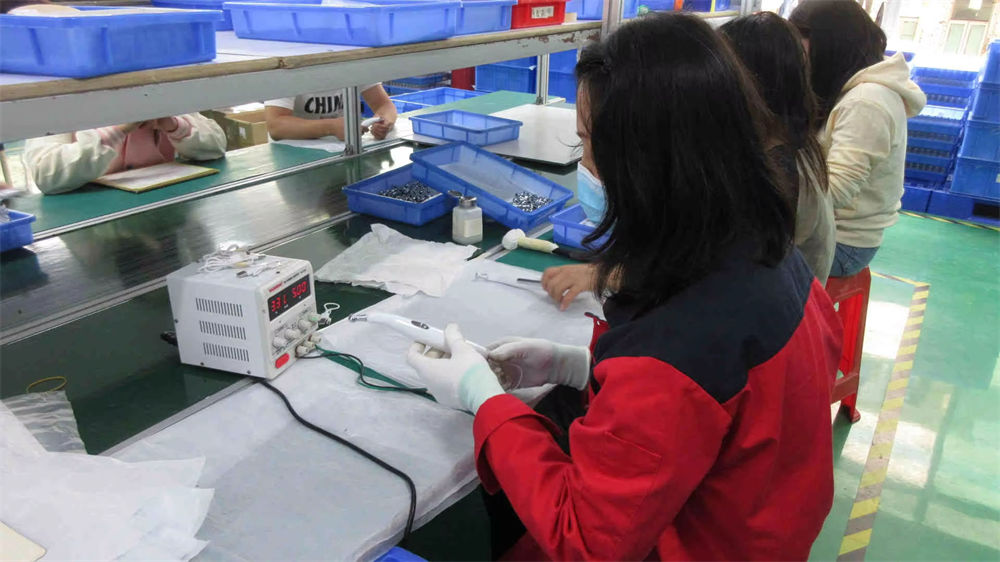
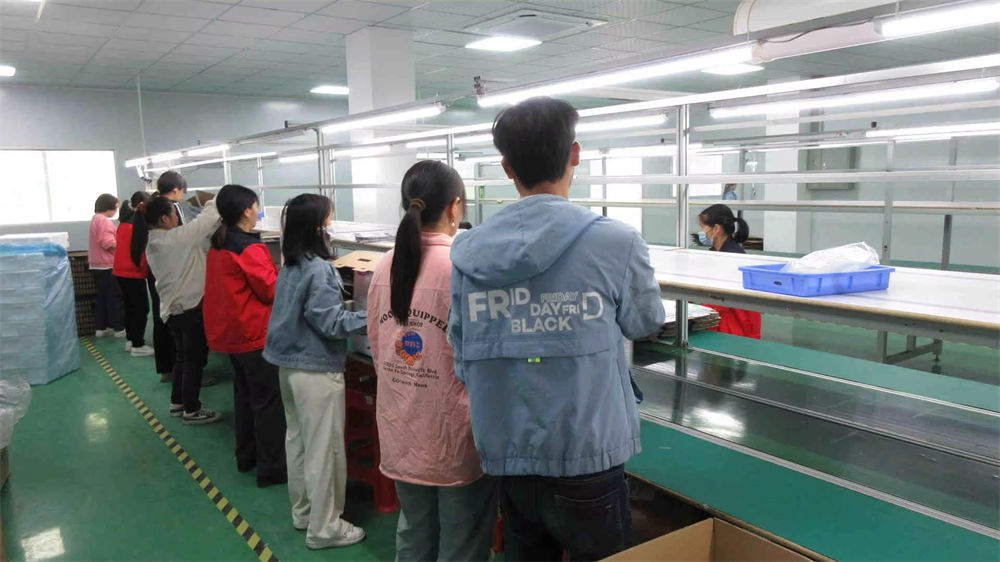
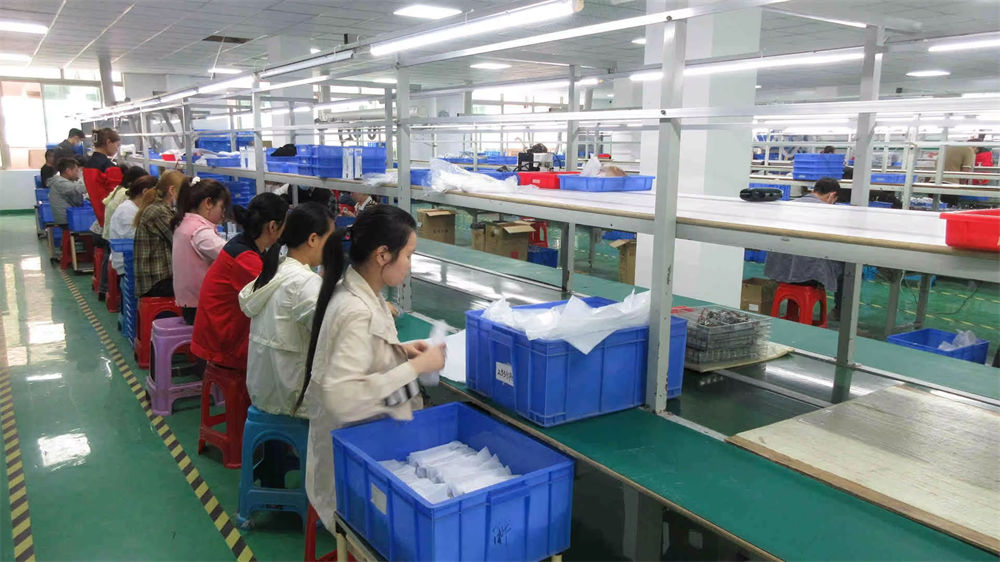
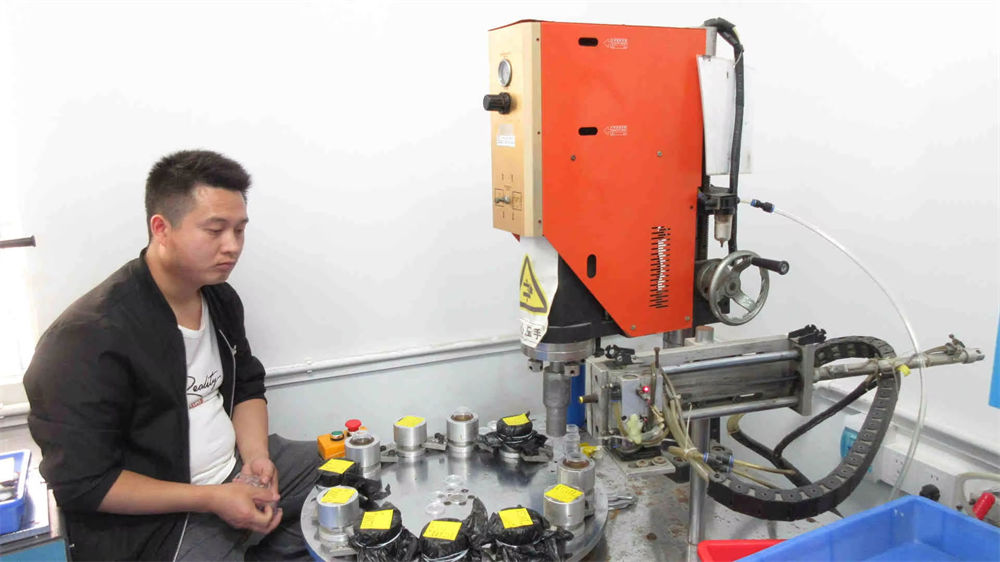
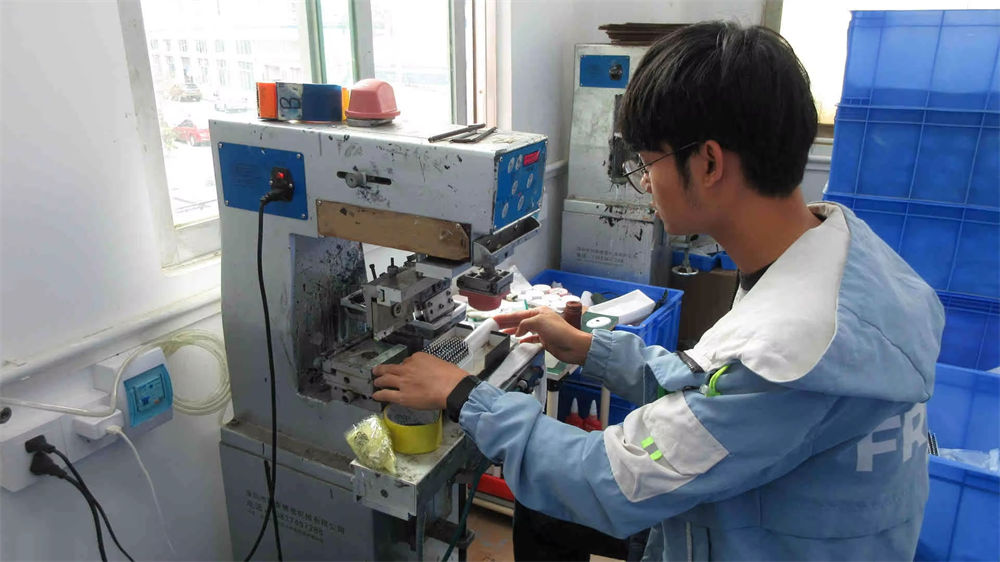
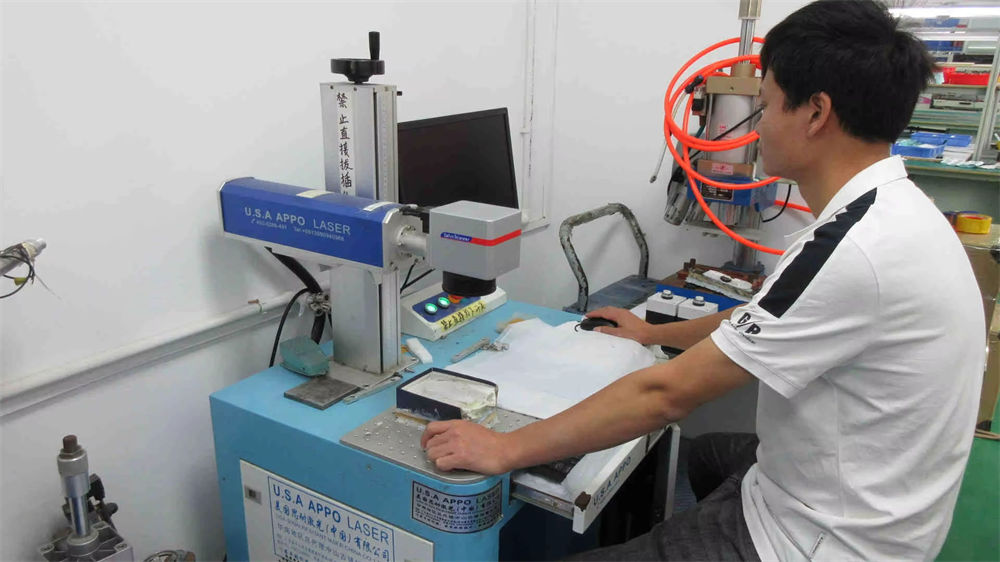
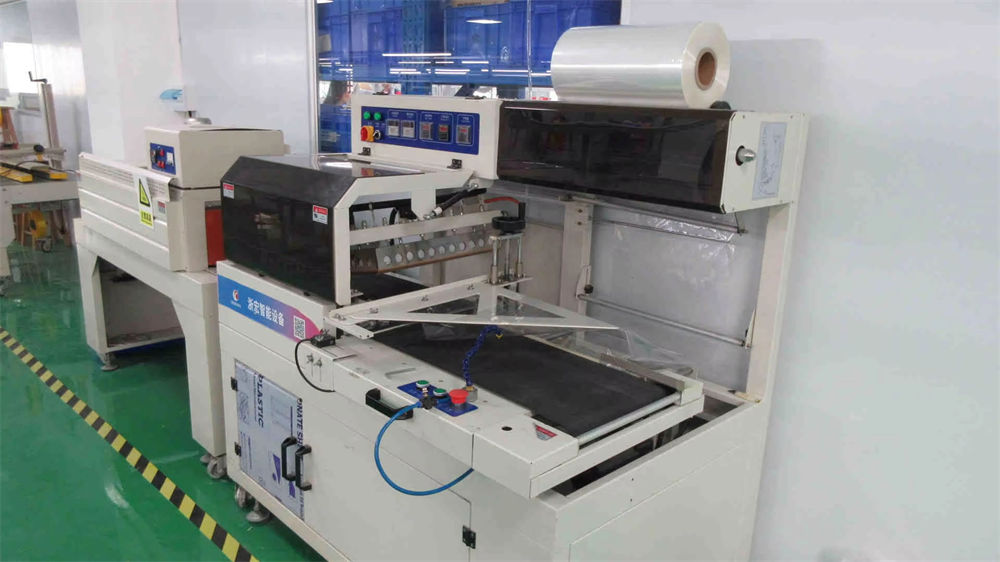
Our advanced manufacturing center is constructed entirely in accordance with medical device standards, ensuring the highest levels of precision, reliability, and safety. BryMax Beauty emphasizes rigorous quality control at every stage of production, from design and development to manufacturing and after-sales service, ensuring that every product meets international standards and exceeds customer expectations.
In addition to our focus on high-quality products, we actively invest in research and development to continuously introduce innovative solutions that combine aesthetics, functionality, and cutting-edge technology. Our professional team is dedicated to understanding and anticipating market trends, delivering products that cater to the evolving needs of modern consumers worldwide.
At BryMax Beauty, we value long-term partnerships and mutual growth. We sincerely look forward to collaborating with global partners, sharing expertise, and creating win-win opportunities to build a healthier, more beautiful future together.
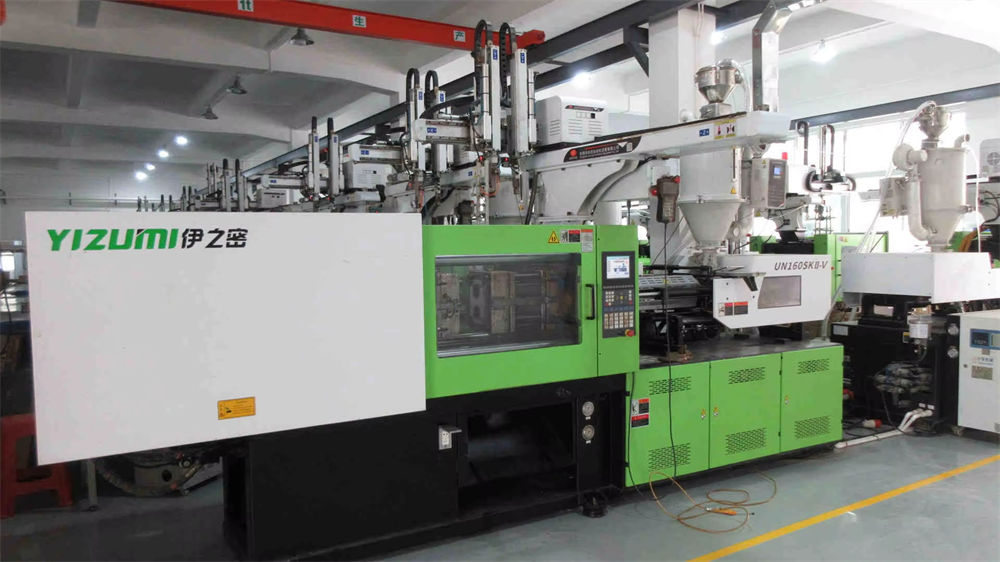
Advanced On-Site Manufacturing & Quality Assurance
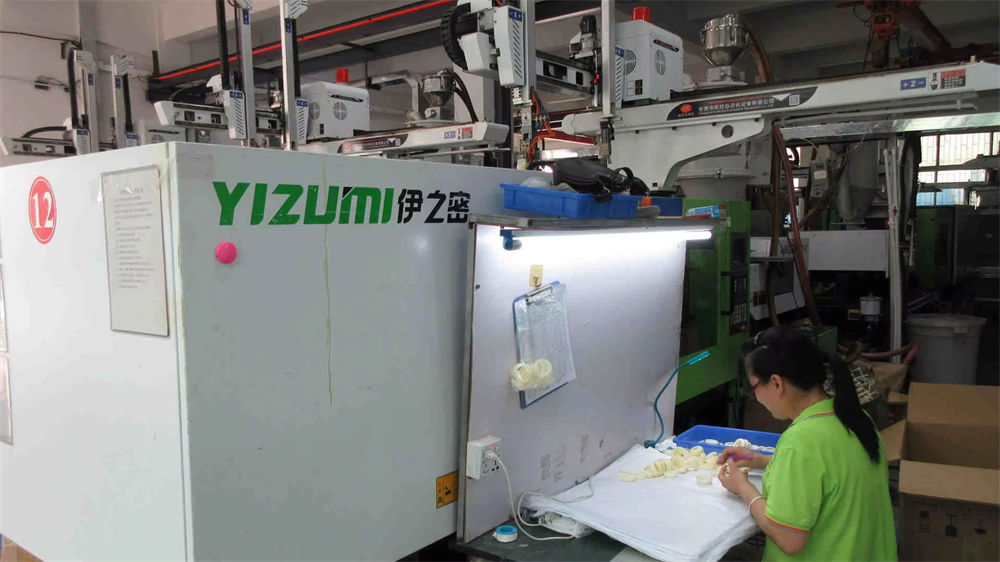



China's Precision Manufacturing & Industrial Ecosystem
The concentration of pore vacuum manufacturers in Guangdong province—specifically within the Dongguan and Shenzhen hardware and electronics clusters—offers significant structural advantages for global importers. This manufacturing ecosystem supports fast product development and cost-efficient production through integrated supply networks.
Key industrial advantages include:
-
Vertically Integrated Production: Raw tooling, high-precision plastic injection, PCB printing, micro-motor winding, and sterile assembly lines are co-located within a small geographical radius, reducing logistical delays.
-
Rapid Prototyping: Design revisions can transition from digital CAD files to functional 3D-printed or soft-tooled prototypes in days rather than weeks.
-
Stringent Quality Gates: Automated testing systems check air-flow pressure stability, battery charge cycles, and mechanical durability, maintaining defect rates below 100 parts per million (PPM).
Target Demographics & Regional Market Demands
Understanding regional consumer profiles allows B2B buyers to customize product orders effectively:
In North America and the European Union, consumers show a strong preference for high-tech features. Key selling points include app-connected pore cameras, OLED status displays, and USB-C fast charging. Sustainability is also a factor, driving demand for recyclable packaging and durable, reusable suction probes.
In the Asia-Pacific region (particularly Japan and South Korea), the market prioritizes gentle extraction and sensitive-skin compatibility. Products featuring adjustable, low-intensity suction modes, hydro-microdermabrasion systems, and integrated sanitizing docks perform well in these markets.
In emerging markets like Latin America and the Middle East, cost-effectiveness and durable construction are primary considerations, presenting opportunities for high-quality, entry-level devices.
Technological Innovations in Pore Vacuum Design
The pore extraction category is evolving with several key technical advancements:
1. Real-Time HD App Integration (Visual Suction Devices)
Next-generation pore vacuums feature built-in micro-cameras (ranging from 1.0 to 5.0 megapixels) paired with 2.4GHz Wi-Fi modules. By connecting to iOS or Android mobile applications, users can view high-definition, magnified streams of their skin surface. This visual feedback helps prevent user errors, such as leaving the device in one spot for too, which can cause bruising or capillary damage.
2. Closed-Loop Hydrodermabrasion Systems
Unlike dry suction tools, hydrodermabrasion systems utilize two separate chambers: one for clean water or skin nutrients, and one for waste fluid. The device flushes the pore with liquid while simultaneously vacuuming the impurities away. This dual action hydrates the skin barrier, reduces friction, and minimizes irritation during treatment.
3. Dynamic Hot/Cold Dermal Compress Integration
Integrating thermo-electric elements allows devices to cycle between warm compresses (typically 40°C–42°C) to soften sebum before extraction, and cool compresses (15°C–18°C) to soothe skin post-treatment and minimize redness.
B2B Procurement FAQ (Frequently Asked Questions)
Technical specifications, compliance requirements, and manufacturing answers for global buyers.
Q1: What suction pressure range (kPa) is considered safe for consumer-grade pore vacuums?
A1: Standard consumer-grade devices operate between 45 kPa and 65 kPa. Any pressure exceeding 70 kPa increases the risk of epidermal bruising, petechiae, and broken capillaries. Reliable manufacturers calibrate three to five speed settings within this safe range to accommodate varying skin sensitivities.
Q2: Which certifications are mandatory for importing personal care devices into the US and European markets?
A2: For the United States, importing devices requires FDA establishment registration, along with FCC certification for RF emissions. In the European Union, CE compliance is mandatory, including EMC, LVD, and RoHS directives. Compliance with these standards is verified through testing reports from accredited laboratories like SGS, TÜV, or Intertek.
Q3: How do visual pore vacuums with cameras protect user data privacy?
A3: High-quality visual devices use point-to-point Wi-Fi streaming. The video feed travels directly from the device to the mobile application without passing through external cloud servers. To comply with GDPR and CCPA privacy standards, mobile apps should not require unnecessary accounts or cloud storage.
Q4: What are the standard OEM/ODM minimum order quantities (MOQ) and lead times?
A4: For customized packaging and colors, the standard MOQ typically starts at 1,000 units. For custom tooling modifications or custom PCB firmware, the MOQ is generally 2,000 to 3,000 units. Production lead times range from 25 to 35 days following deposit confirmation and artwork approval.
Q5: How does the quality assurance process work in Chinese personal care factories?
A5: Quality control systems like those at BryMax run through the entire production cycle. Raw materials undergo Incoming Quality Control (IQC), while sub-assemblies undergo In-Process Quality Control (IPQC). Finished products undergo Outgoing Quality Control (OQC), which includes aging tests, battery cycle verification, drop testing, and vacuum pressure calibration.
Advanced Pore Extractors & Professional Cleansers
Explore our full line of export-ready skin care devices featuring custom packaging options and localized firmware.
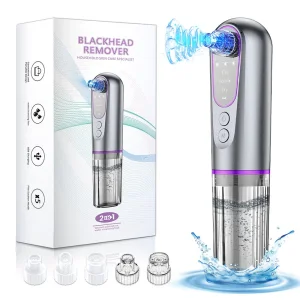
Pore Vacuum Blackhead Remover Multi-Functional Facial Smart Handheld Suction Machine Electric Vacuum
Inquire Now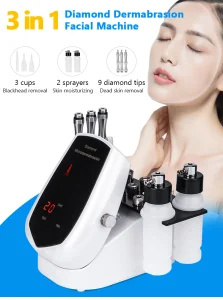
OEM/ODM Diamond Dermabrasion Oxygen Spray Vacuum Pore Cleaner Dead Skin Removal Blackhead Remover
Inquire Now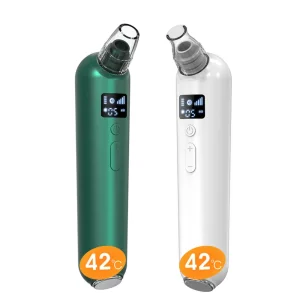
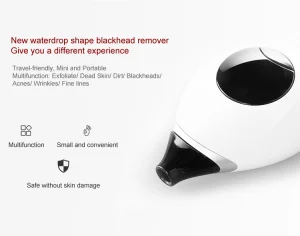
Portable USB Rechargeable Facial Pore Cleaner Electric Remover Vacuum Exfoliating Spatula Blackhead Scraping Tool
Inquire Now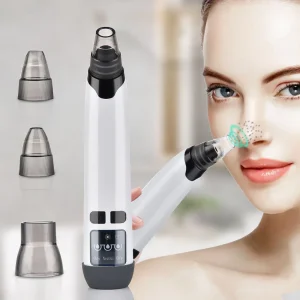
Rechargeable Black Head Removal Device Vacuum Suction Nose Pore Cleaner Electric Blackhead Remover with Heat
Inquire Now