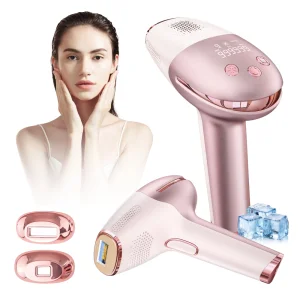
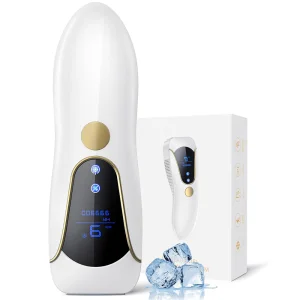
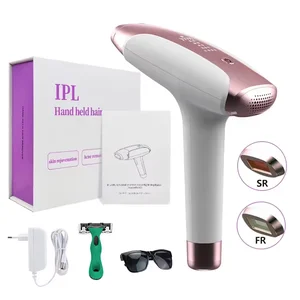
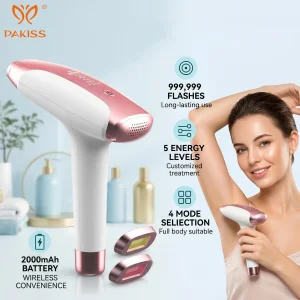
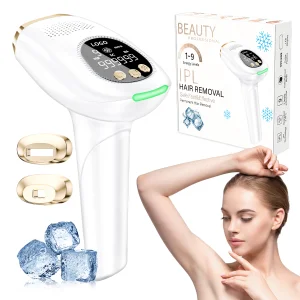
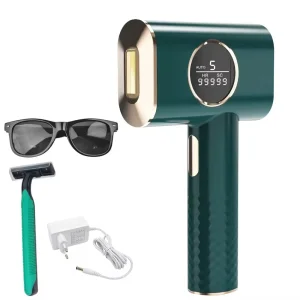
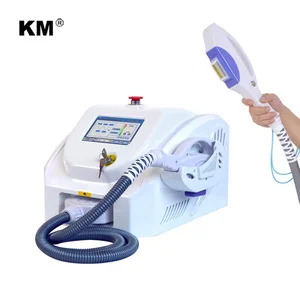
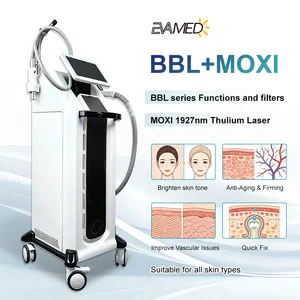
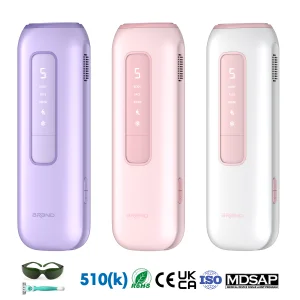
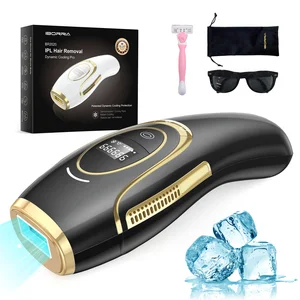
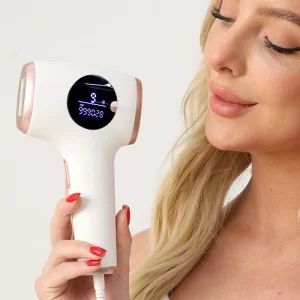
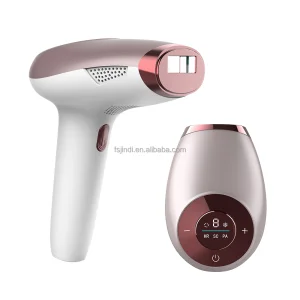
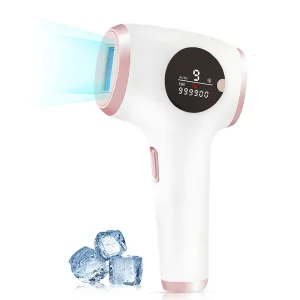
Featured Japan-Spec Optical Beauty Innovations
Explore our top-tier home aesthetic models configured for strict Japanese consumer standards, delivering safe, non-invasive hair removal and advanced cellular photo-rejuvenation.
1. Industrial Evolution: Japan's Evolving Home-Use IPL Market
The Japanese personal care and aesthetic market is undergoing a structural paradigm shift. Traditionally centered on commercial aesthetic salons (known as Datsumo clinics), consumer behavior has pivoted sharply toward high-performance, medical-grade Home-Use Devices (HUDs). The catalyst for this transformation is two-fold: an intense demand for personal privacy and the integration of professional aesthetic technologies into compact, user-friendly consumer appliances.
In the metropolitan areas of Tokyo, Osaka, and Nagoya, demographic factors such as long working hours and the cultural emphasis on personal grooming have elevated the market value of home beauty electronics. Intense Pulsed Light (IPL) devices are no longer viewed simply as cosmetic novelties; they are recognized as essential wellness tools. Because Asian skin phenotypes (specifically Fitzpatrick Skin Types III and IV) exhibit higher melanin concentration in the epidermis relative to Caucasian skin, standard Western IPL configurations can risk epidermal burns. Consequently, the Japanese market demands highly specialized optical wavelengths, integrated cooling technologies (specifically sapphire contact cooling), and precise energy density outputs.
Selective Photothermolysis on East Asian Skin
Modern Japanese consumers require IPL devices that target hair shaft melanin without heating the surrounding epidermal tissue. Working with professional manufacturers allows distributors to select custom optical bandpass filters (e.g., 510nm–1200nm or 640nm–1200nm) that isolate the optimal wavelength spectrum, ensuring maximal follicular disruption with minimal discomfort.
2. Commercial Landscape & Demographic Demands in Japan
The commercial landscape for IPL hair removal devices in Japan is divided into three major consumer demographics:
- The Traditional Female Care Market: Concentrating heavily on convenience, aesthetic elegance, and targeted treatments for delicate areas (e.g., face, underarms, and the bikini line or "VIO" zones). Devices targeting this segment must be compact, lightweight, and offer step-less energy level modifications.
- The Rapidly Expanding "Men's Datsumo" (メンズ脱毛) Segment: Young Japanese males are increasingly investing in facial hair suppression and full-body grooming. To effectively penetrate the dense, coarse hair roots of male beards, these devices must output higher peak energy density (Joule output up to 6.0 J/cm²) coupled with continuous sapphire ice cooling.
- Silver Hair Care (介護脱毛 - Kaigo Datsumo): An emerging cultural trend in Japan where middle-aged and elderly individuals seek permanent hair removal in preparation for receiving nursing care. This demographic prioritizes simple, intuitive user interfaces, high safety ratings, and gentle skin-rejuvenation capabilities.
Distribution channels in Japan are highly sophisticated. Successful market penetration relies on a hybrid strategy, placing products in premium retail environments like Yodobashi Camera, Bic Camera, and Loft, complemented by a robust e-commerce presence on platforms like Rakuten Ichiba, Amazon Japan, and Yahoo Shopping. To succeed on these platforms, brands must collaborate with factories capable of executing rapid customization, localization, and high-frequency production iterations.
3. Regulatory Compliance: Mastering PSE, METI, and PMDA
Entering the Japanese beauty market requires navigating a strict compliance framework. Unlike other global jurisdictions where general consumer CE or FCC marks suffice, Japan mandates strict product safety certifications.
First and foremost is the PSE (Product Safety Electrical Appliance & Material) Certification under the Electrical Appliance and Material Safety Act (commonly known as the Denan Law). For home aesthetic devices equipped with AC power adapters or high-capacity lithium-ion batteries, securing a PSE mark is legally required. Devices without the circular or diamond PSE mark cannot clear Japan customs, nor can they be listed on major online marketplaces.
Essential Compliance Checklist for the Japan Market:
- METI Registration (経済産業省届出): Importers of record in Japan must file a business notification with the Ministry of Economy, Trade, and Industry (METI) based on factory-supplied testing reports.
- JIS Standards (Japanese Industrial Standards): Electromagnetic compatibility (EMC) testing in line with JIS C 9335-2-203 requirements for skin-treatment appliances.
- PMDA Distinction (医薬品医療機器総合機構): Manufacturers must carefully design their optical output, marketing materials, and manual text to avoid crossing the line into Class II Medical Devices, unless they intend to undergo the prolonged registration process for professional clinical devices.
At Dongguan BryMax Beauty Co., Ltd., we maintain a dedicated regulatory compliance team that prepares complete engineering dossiers, circuit schematics, and component safety specifications, allowing our Japanese partners to secure local certifications quickly.
4. Dongguan BryMax Beauty: High-Tech Manufacturing & Supply Chain
Dongguan BryMax Beauty Co., Ltd. is a national high-tech enterprise dedicated to the research, development, production, and global distribution of cutting-edge household beauty and personal care devices. Our advanced manufacturing center is constructed entirely in accordance with medical device standards (ISO 13485 quality management systems), ensuring the highest levels of precision, reliability, and safety.
Driven by a commitment to technological innovation and product excellence, BryMax Beauty has secured numerous design patents and globally recognized certifications, including NMPA certification in China, FDA certification in the United States, PSE certification in Japan, CE certification in the European Union, and S-FDA certification in the Middle East. Our products enjoy strong sales in over 30 countries and regions, earning widespread acclaim from customers and industry partners alike.
We handle every step of the manufacturing lifecycle in-house to guarantee quality and maintain pricing advantages: from plastic injection molding and high-precision PCB assembly, to clean-room ultrasonic welding, automated optical characterization, and multi-stage performance testing. Below is an overview of our state-of-the-art facilities:
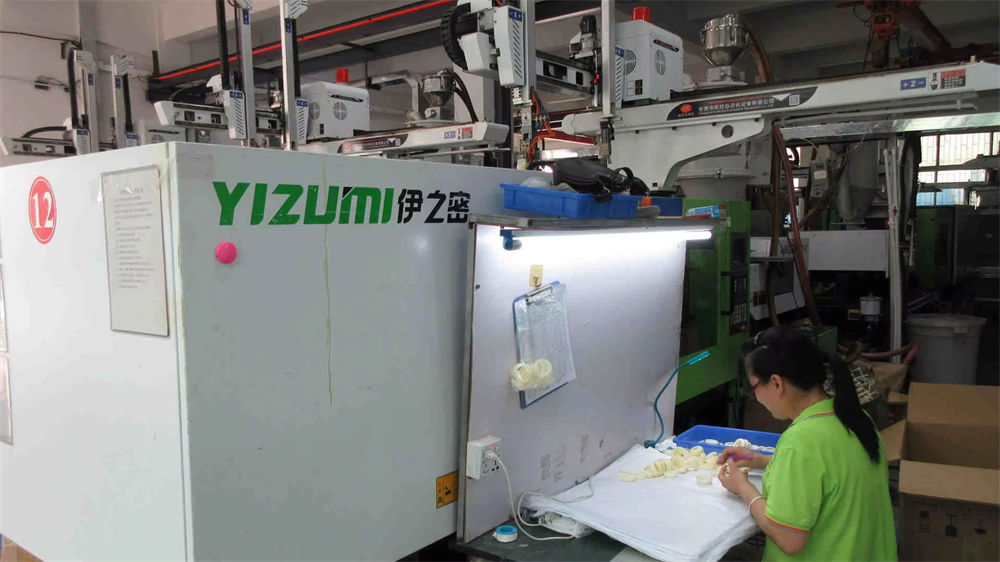
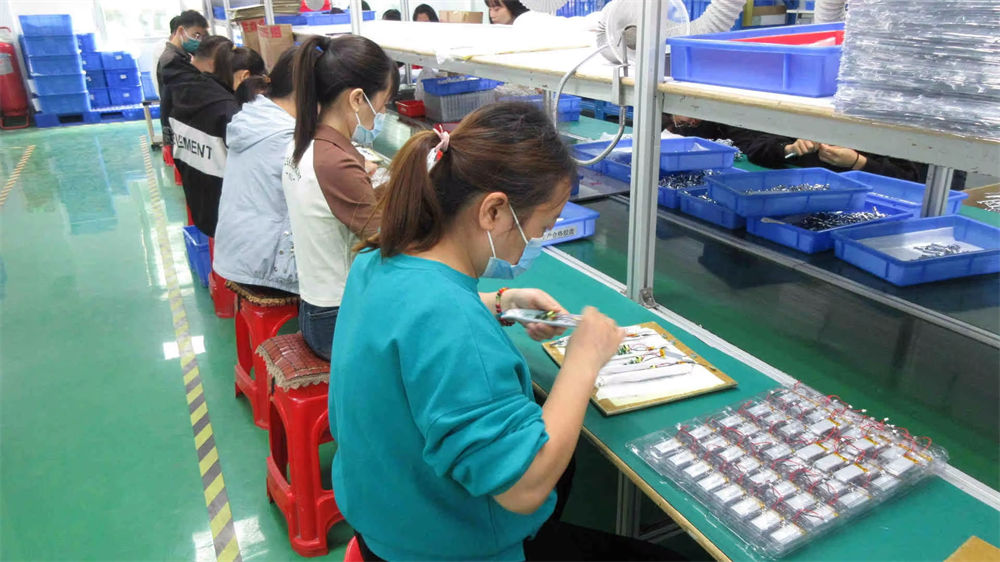
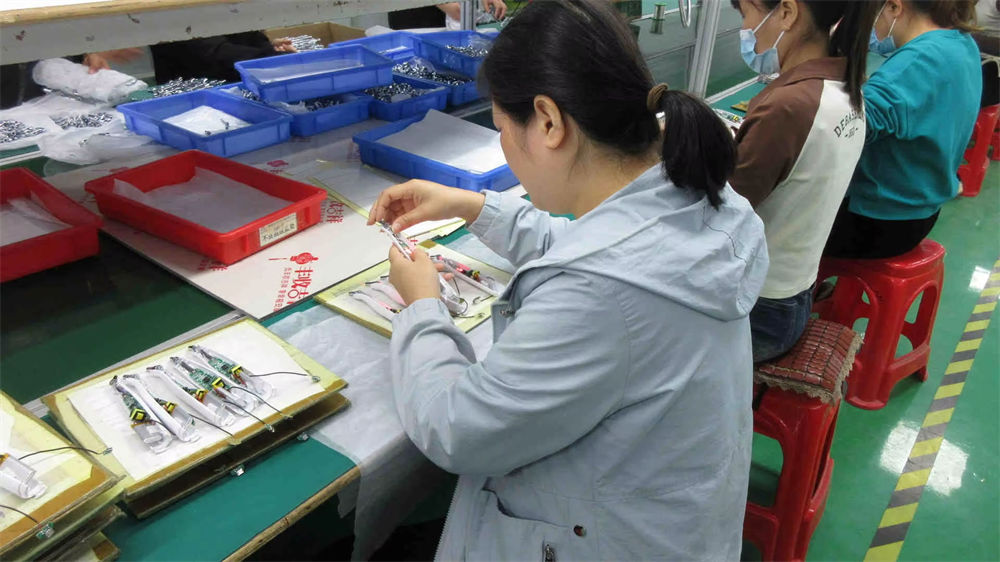
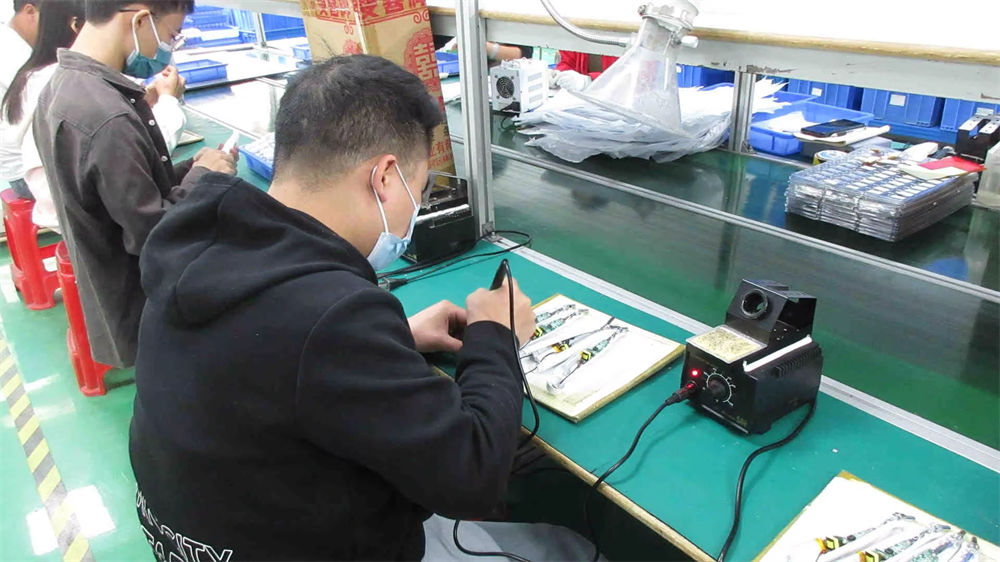
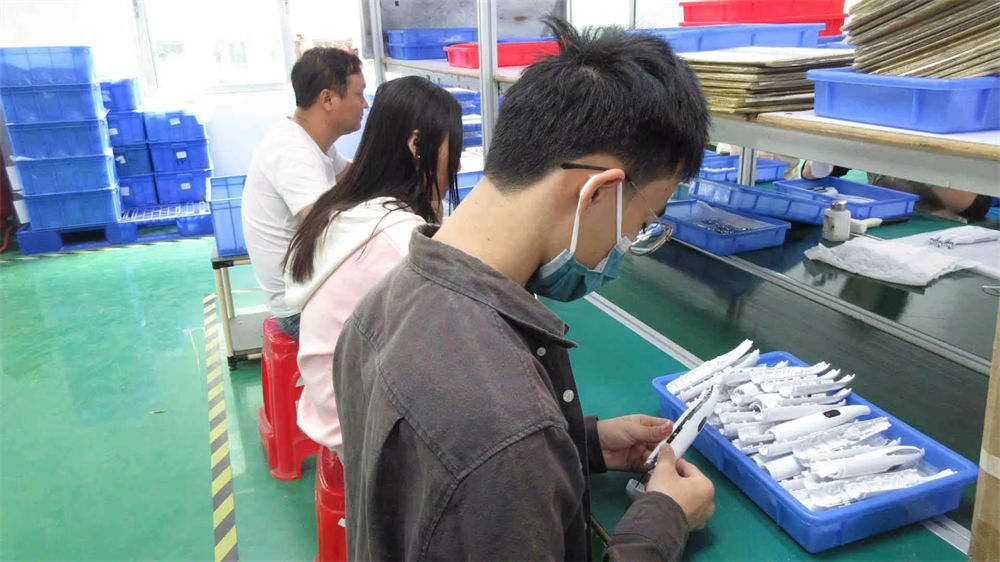
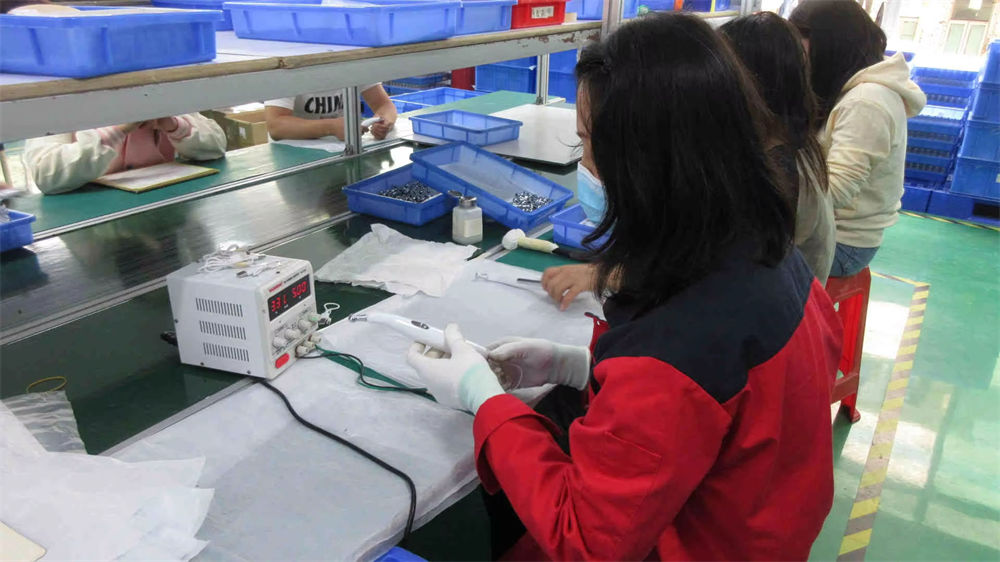
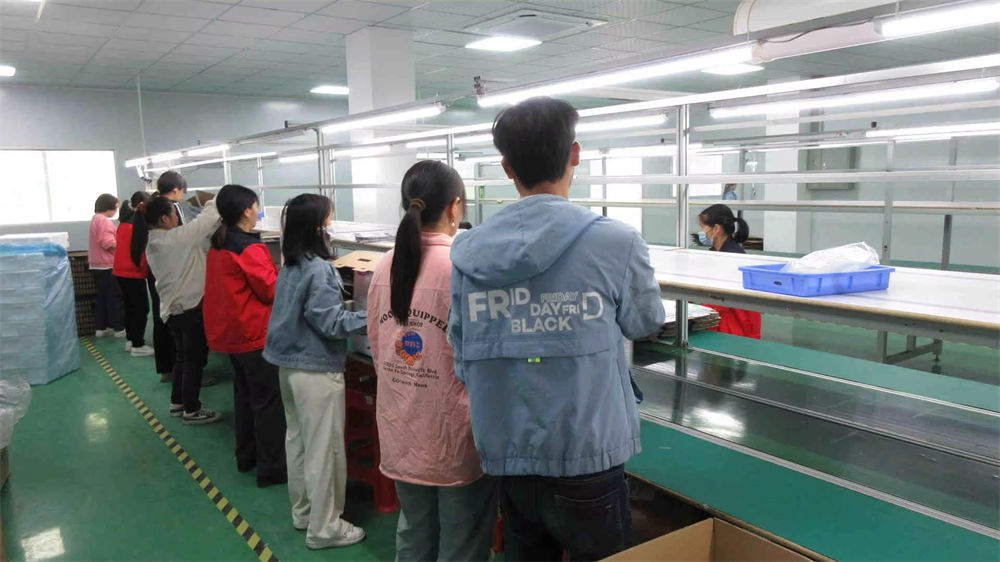

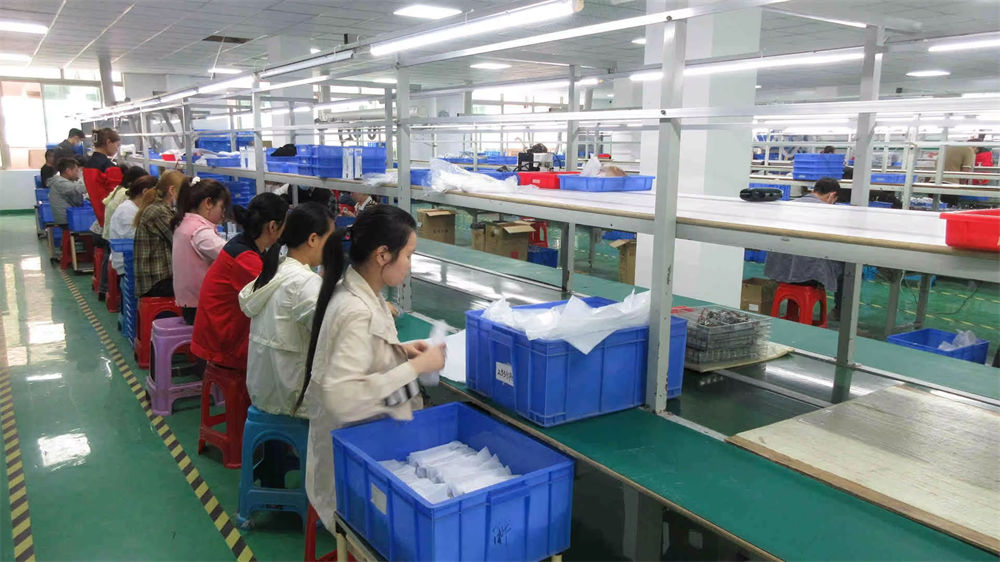
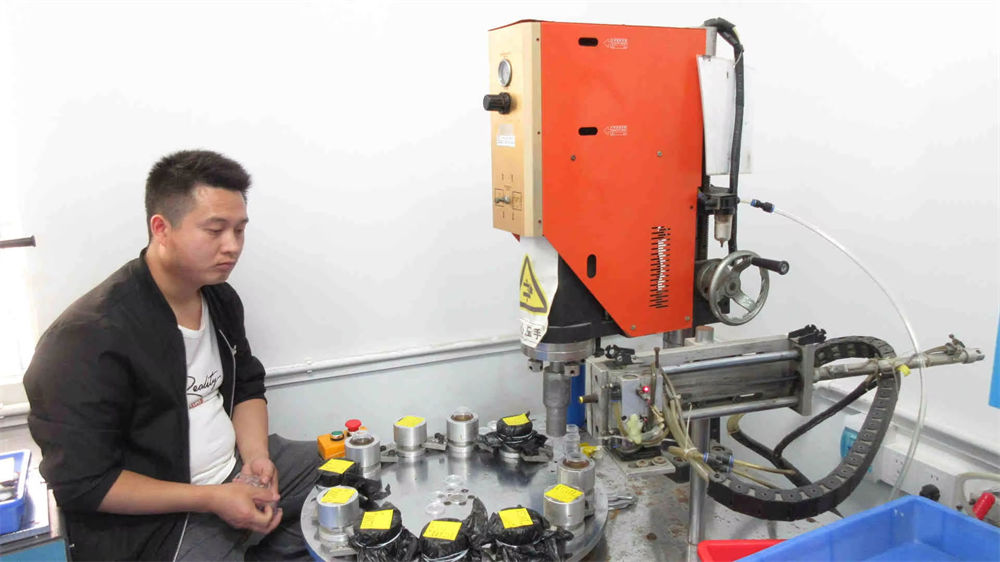
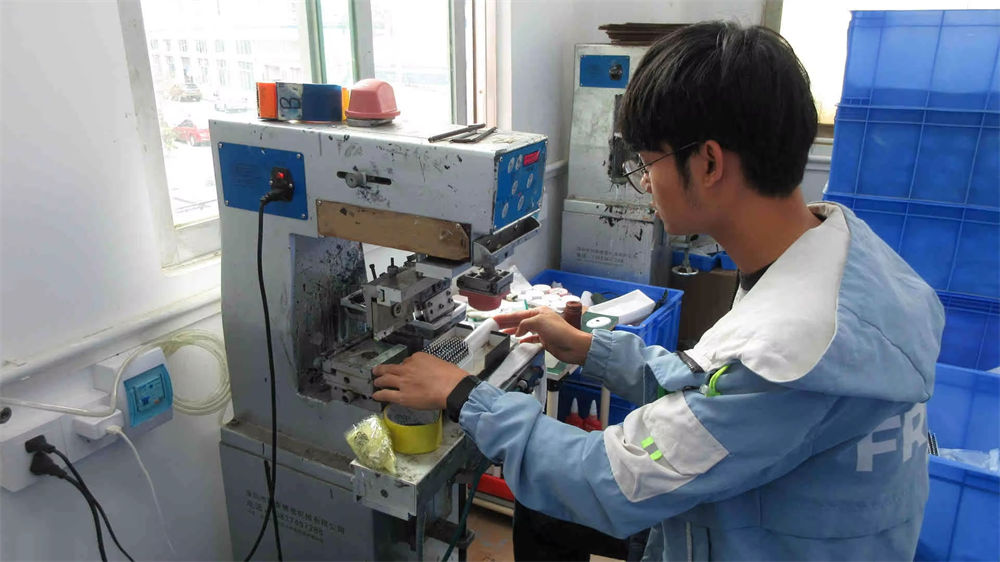
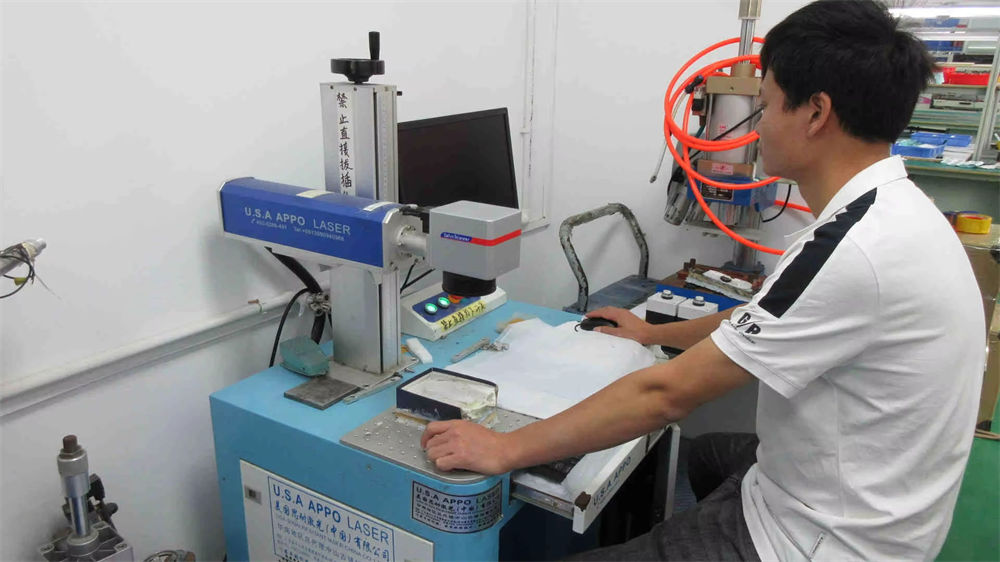
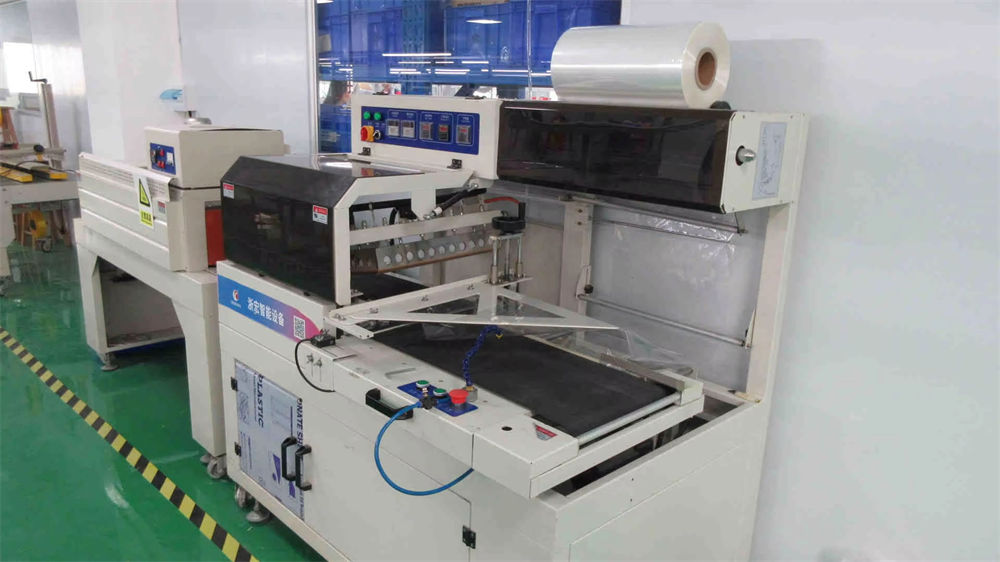
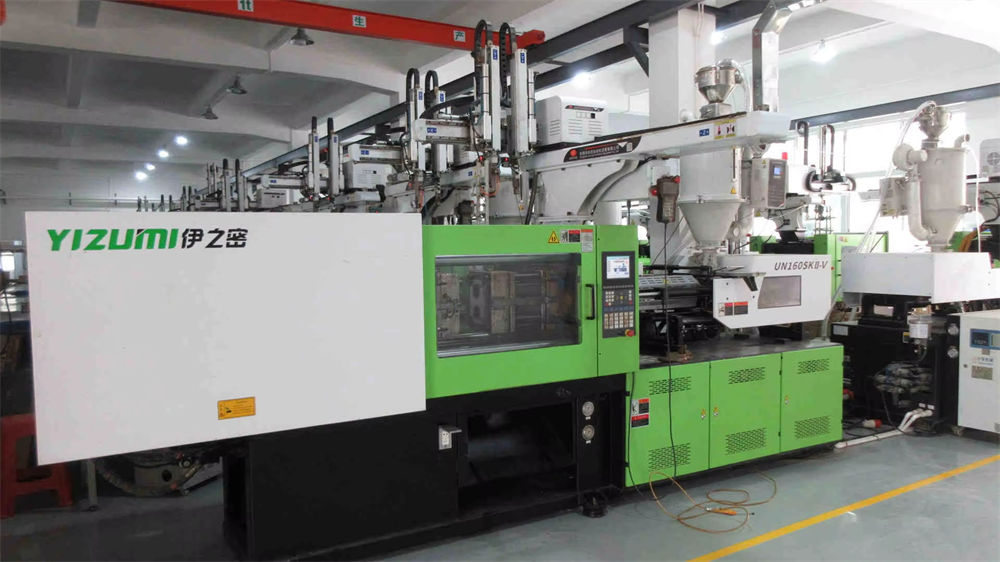
BryMax Beauty emphasizes rigorous quality control at every stage of production, from initial industrial design and optical simulation to component stress tests and final packaging. This complete supply chain control allows us to offer low MOQs for custom logos, custom Japanese manuals, and localized packaging designs, ensuring quick turnarounds for global brands targetting the Japanese market.
5. Global Enterprise B2B Procurement Specifications
Global B2B procurement professionals sourcing IPL devices must evaluate several technical criteria to ensure market success and longevity:
Key Technical Factors for IPL Procurement:
- Peak Energy Output (Fluence Rate): High-efficiency hair removal requires an energy output between 3.0 J/cm² and 6.5 J/cm². Insufficient energy yields temporary hair clipping rather than long-term follicle suppression.
- Sapphire Ice-Cooling Temperatures: Direct contact cooling should maintain a skin temperature between 5°C and 10°C during continuous operation. This prevents thermal damage and allows comfortable high-energy treatments.
- Flash Lifespan and Tube Material: High-purity quartz flash tubes are preferred over glass tubes due to their superior thermal resistance. Devices should offer 500,000 to 999,999 flashes to ensure years of continuous use.
- Spectral Integrity: Wavelength filtering must be stable. Low-quality filters can degrade over time, leaking harmful ultraviolet (UV) wavelengths that can cause pigmentation and skin damage.
When partnering with BryMax Beauty, importers receive complete testing documentations containing spectral analyzer reports, energy distribution mapping, and thermal imaging data to fulfill internal quality assurance requirements.
6. Technological Forecast: The Future of Light-Based Hair Removal
The home-use optical beauty market is advancing rapidly. The next generation of devices will integrate smart features to optimize treatments:
- AI Skin Tone Auto-Sensing: Real-time skin sensors automatically adjust energy outputs to safe, optimal levels, reducing the risk of accidental burns on darker skin areas.
- Broadband Light (BBL) Integration: Hybrid devices that alternate between hair removal wavelengths and skin rejuvenation pulses to treat acne, diffuse redness, and boost collagen synthesis.
- Dynamic Dual-Cooling Coprocessors: Upgraded Peltier chips that maintain consistent contact temperatures even during high-frequency, rapid-flash modes.
- Eco-Conscious Packaging and Design: Recyclable structural components and minimal packaging to align with global environmental mandates.
By monitoring these technical shifts and maintaining strong R&D investments, BryMax Beauty ensures our partners receive products designed for long-term market competitiveness.
7. Application Scenarios in Japan's Personal Care Market
Understanding localized application scenarios is key to crafting effective marketing campaigns in Japan:
Urban Home Salons
Compact, premium-designed devices allow urban consumers to set up personalized aesthetic routines, replicating clinic treatments at home.
Male Grooming Corners
High-energy cooling devices designed to treat coarse hair, popular in modern Japanese barbershops and men's lifestyle retailers.
Hotel & Resort Amenities
High-end hotels and ryokans provide premium beauty devices to enhance guest experiences and elevate hospitality offerings.
8. Frequently Asked Questions (FAQ) for Global Partners & Japanese Brands
Explore Our Complete Line of Aesthetic & IPL Products
Browse our full selection of professional, home-use hair removers, cooling epilators, and multifunctional aesthetic platforms, all compatible with global distribution and certification standards.