IPL Hair Removal Devices Factories & Exporter in the United Kingdom Market
Analyzing British regulatory standards, global supply-chain Dynamics, and medical-grade manufacturing innovations for premium B2B buyers.
Premium UK-Compliant Spotlights
Highly accredited home-use and commercial IPL devices engineered for British safety specifications and performance profiles.
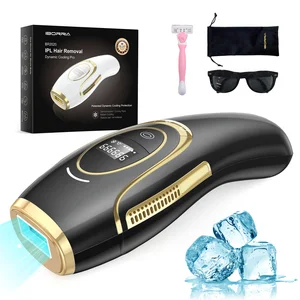
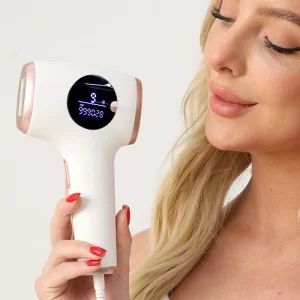
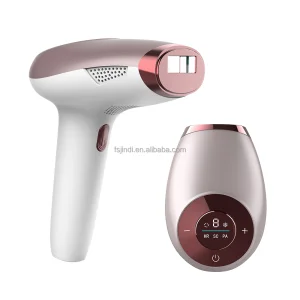
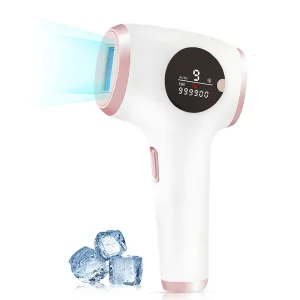
1. The United Kingdom IPL Market: Industrial Demands & Commercial Landscape
The market for Intense Pulsed Light (IPL) devices in the United Kingdom is experiencing a structural shift toward high-energy, pain-free, and home-use medical aesthetics. Historically, British consumers relied on clinical treatments located in regional medical centers or high-street salons. However, macroeconomic changes, paired with the rising cost of professional aesthetic procedures, have fueled a strong demand for domestic, salon-grade technology.
In the United Kingdom, importing, exporting, and distributing IPL hardware requires strict adherence to technical and electrical standards. With the implementation of the UKCA (UK Conformity Assessed) mark alongside the European Union's CE certification, factories and global exporters must align their hardware engineering with the Office for Product Safety and Standards (OPSS). The UK market heavily favors suppliers who can provide certified skin-rejuvenation capabilities, active cooling systems (such as sapphire contact plates), and custom configurations that pass the most stringent British Standard (BSI) audits.
Furthermore, the B2B landscape in the UK consists of specialized distributors, salon chains, e-commerce brands, and healthcare retailers (e.g., Boots, Superdrug) seeking private-label or OEM/ODM partnerships. To maintain a competitive edge, global exporters must deliver products with verified Information Gain—offering measurable technological improvements (e.g., higher fluence levels, prolonged lamp life, and multi-wavelength filters) over standard, low-cost alternatives.
2. Global Commercial Drivers & Supply Chain Integration
Globally, the IPL and BBL (BroadBand Light) hair removal market is projected to expand at a compound annual growth rate (CAGR) of over 7.5% through 2030. The primary drivers are technological accessibility and the diversification of applications—extending from simple hair reduction to advanced acne clearance, vascular lesion therapy, and anti-aging photofacials.
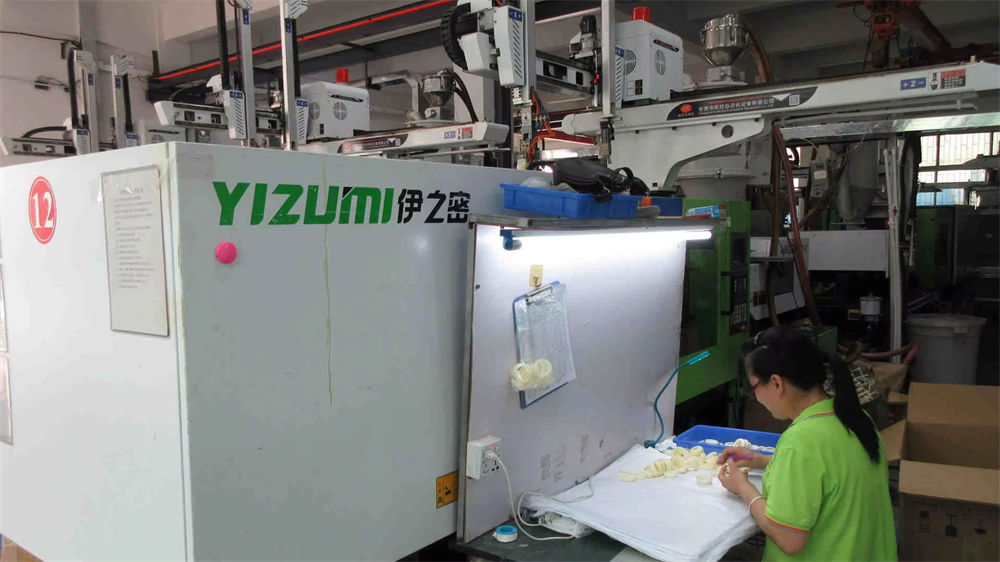
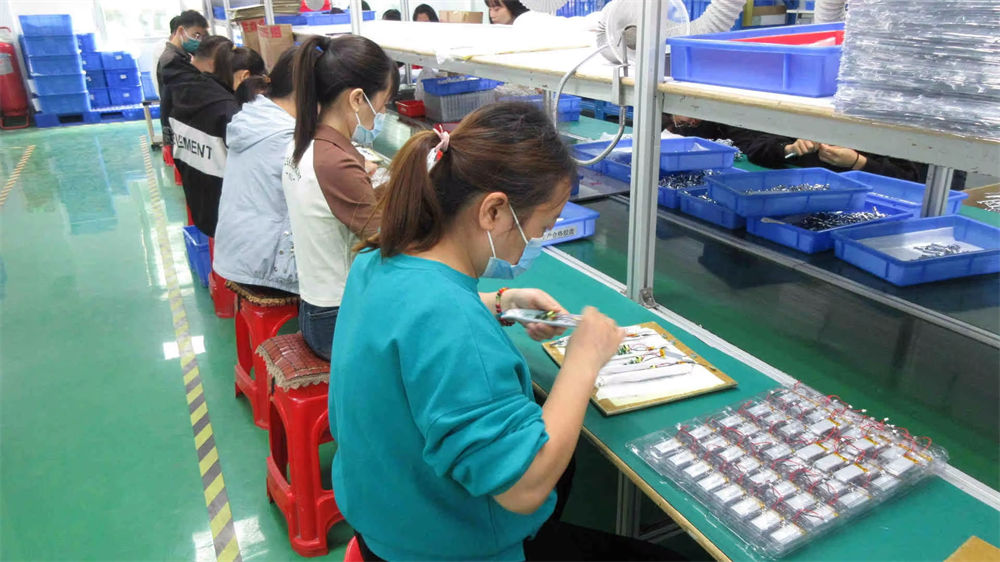
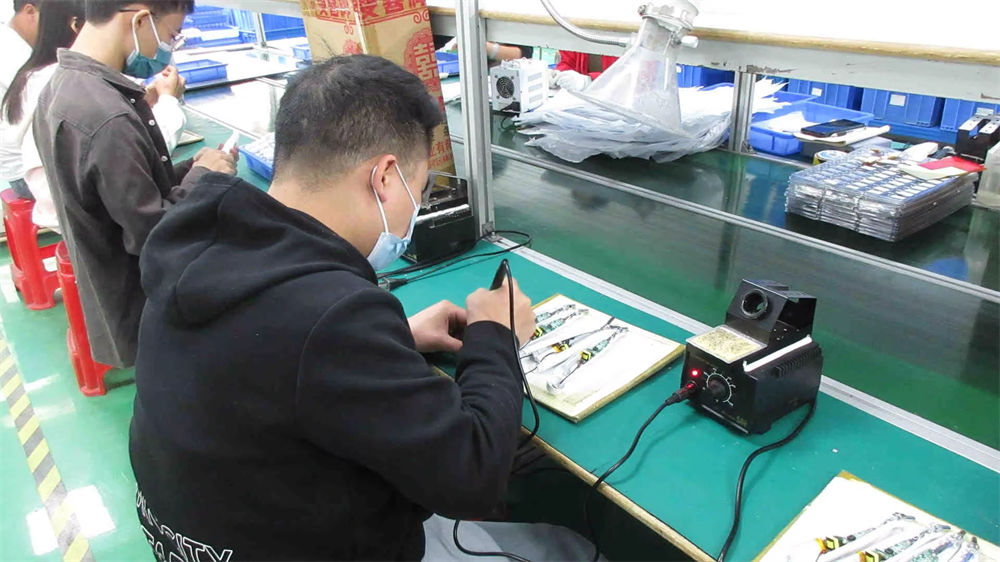
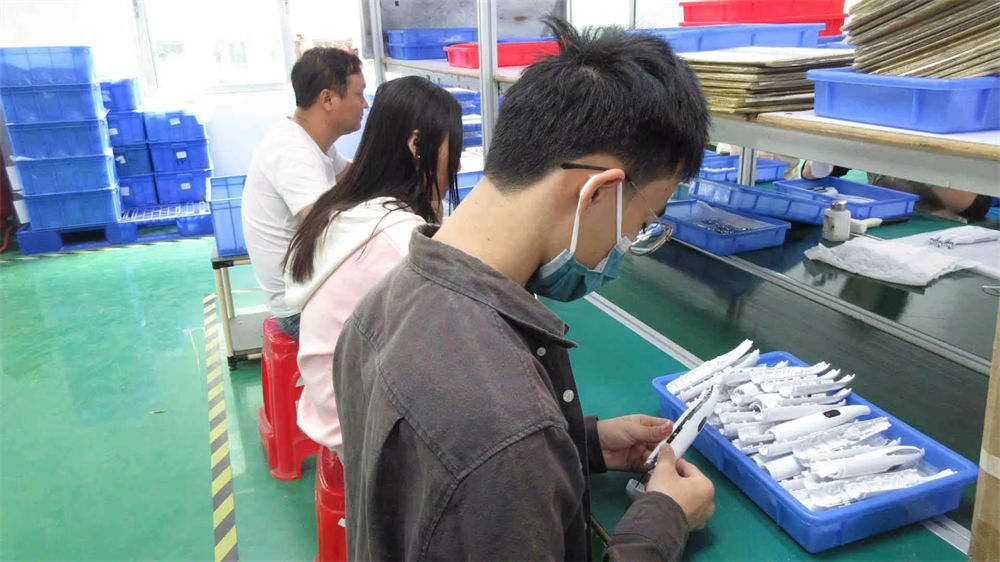
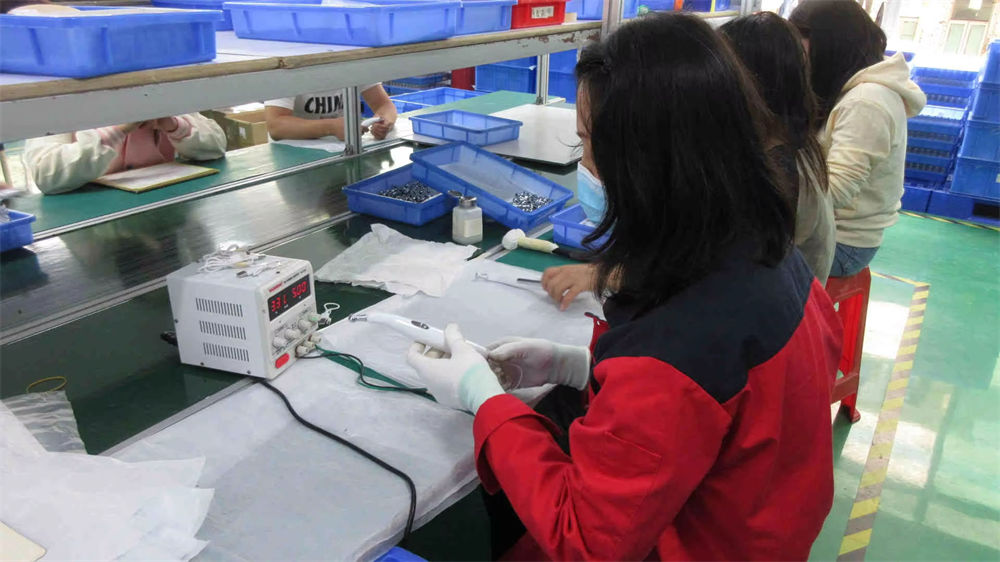
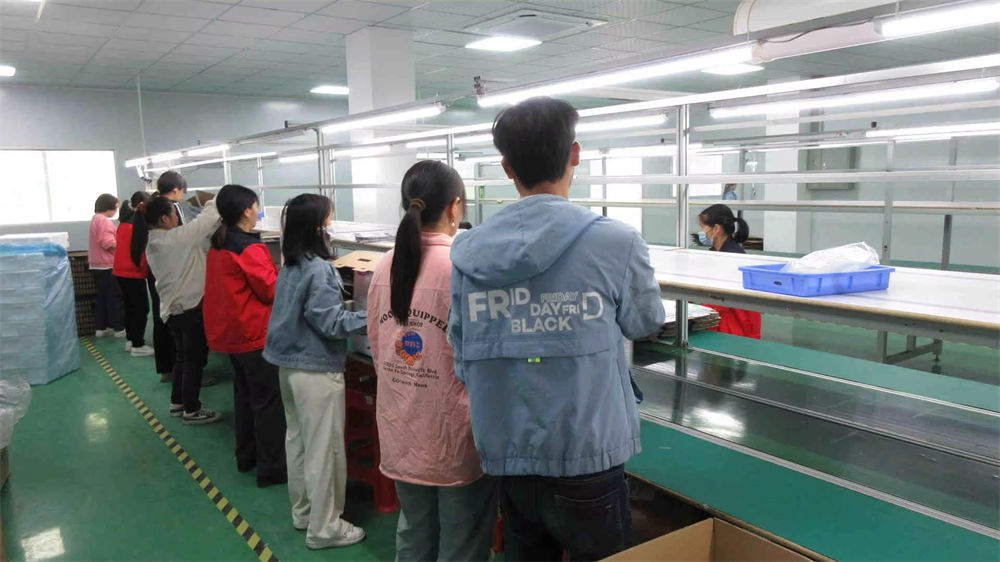
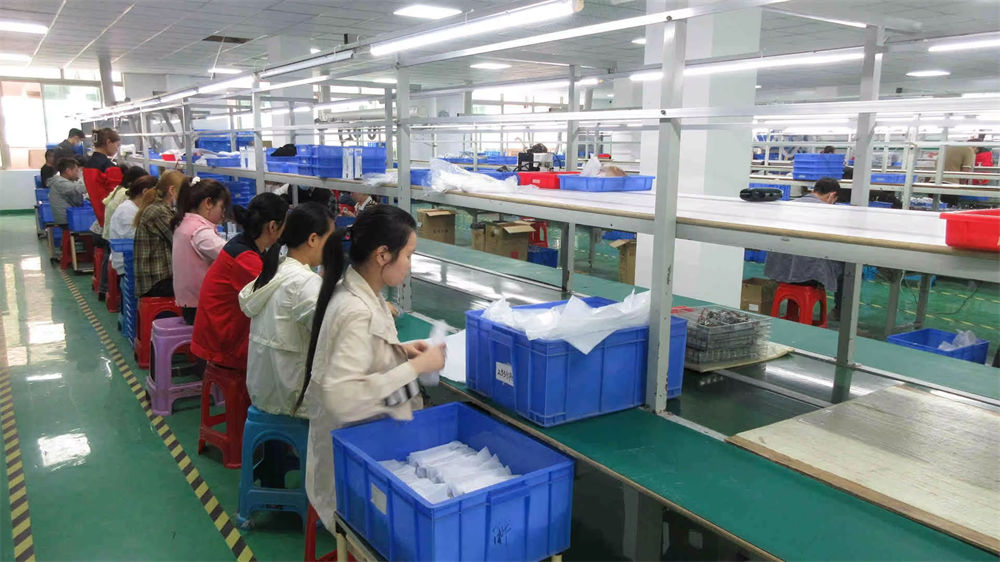
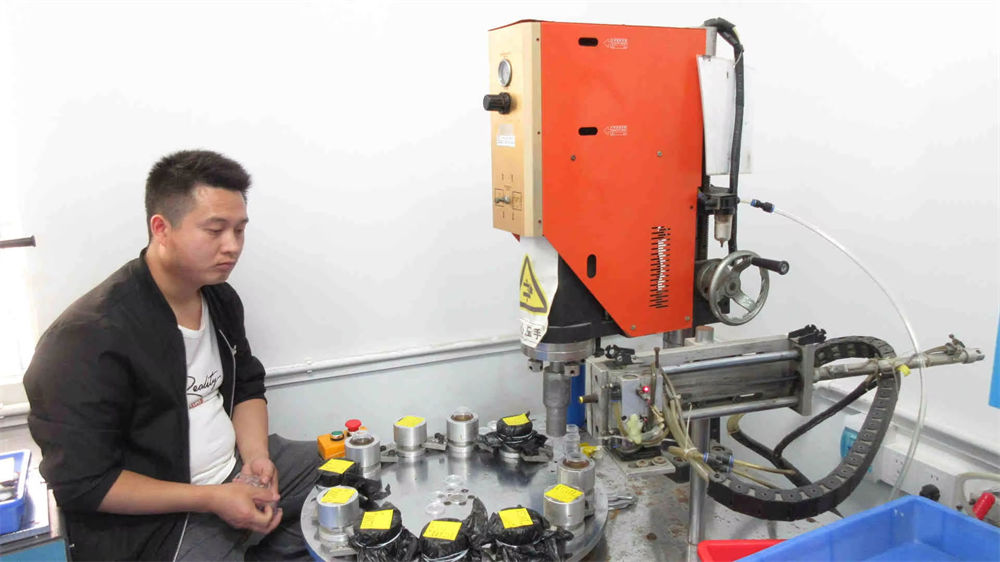
As a global manufacturing powerhouse, South China's high-tech industrial parks—particularly in Dongguan—act as the primary production engine for international markets. By combining advanced plastic injection molding, automated PCBA printing, precision optical lens coating, and sterile medical-grade assembly line infrastructures, manufacturers like Dongguan BryMax Beauty Co., Ltd. can offer highly scalable OEM/ODM solutions. The fusion of global supply chain networks ensures that high-quality components, like German-imported xenon flash lamps and high-thermal-conductivity sapphire cooling crystals, are assembled efficiently and exported directly to major UK logistical hubs in London, Manchester, and Birmingham.
Regulatory Compliant
Fully certified under FDA, CE, and UKCA guidelines for seamless customs clearance.
Sapphire Technology
Active ice cooling lowers skin contact surface temperatures to 5°C, ensuring painless operations.
High Fluence Range
Precision optical filters deliver up to 6-21 J/cm² energy output targeting hair follicle roots.
Dongguan BryMax Beauty Co., Ltd.
A National High-Tech Enterprise dedicated to medical-standard manufacturing and global supply chains.
Our Advanced Manufacturing Operations & Inspection Processes


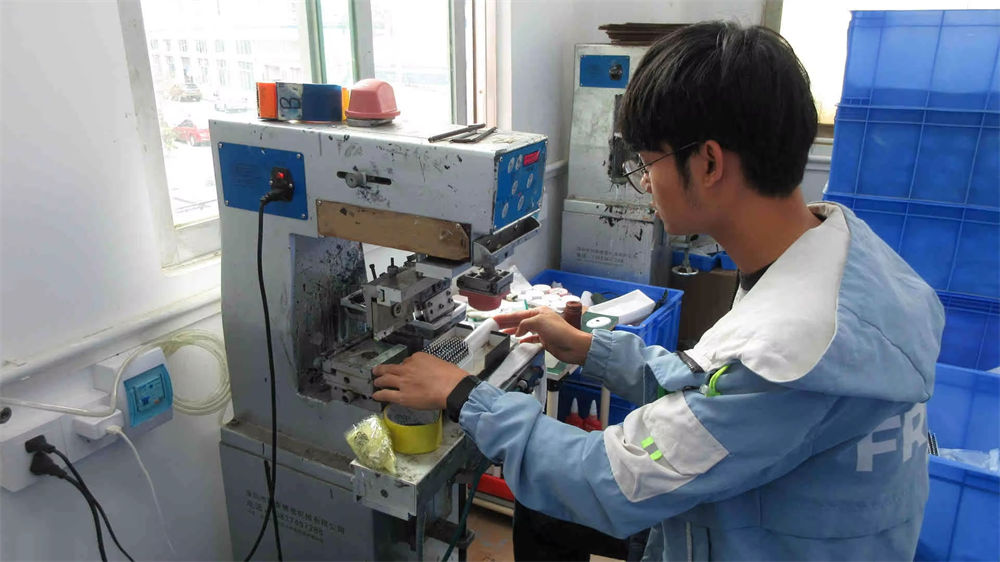
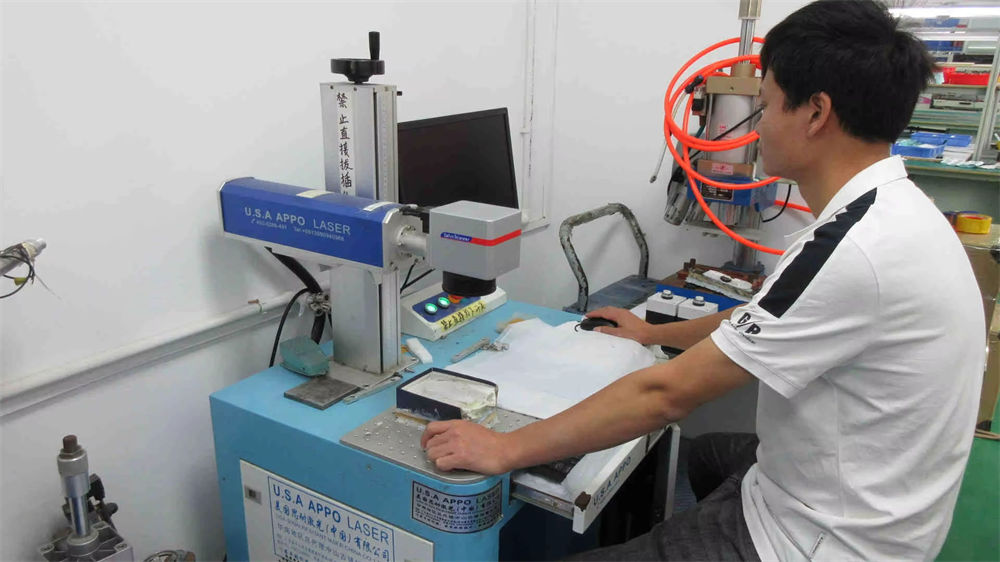
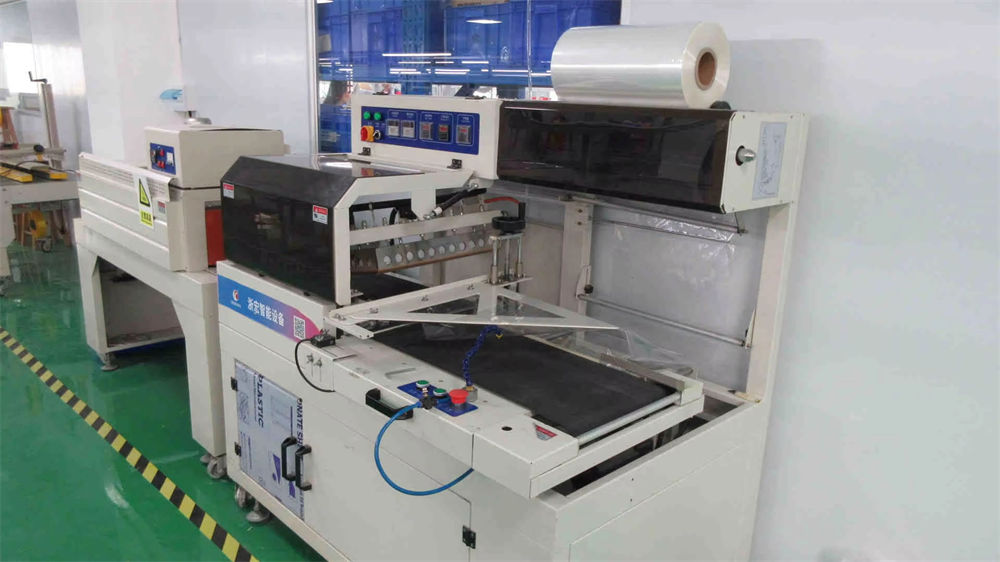
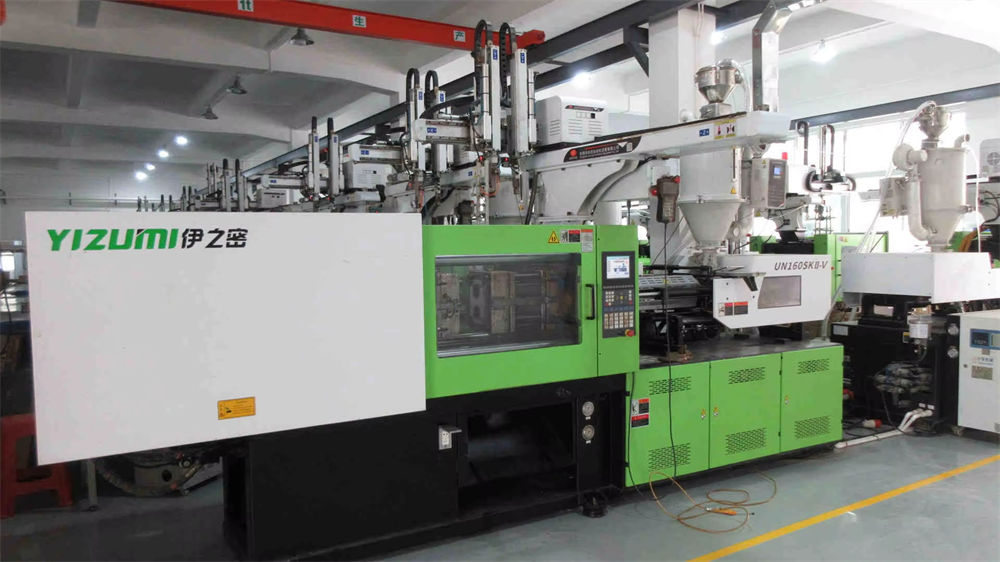
Technological Roadmap & Future Outlook
Pushing the boundaries of optical-thermal energy for home-use aesthetic devices.
Phase 1: Dual-Filter Multi-Wavelength Customization
Standard hair removal requires wavelengths filtering out UV rays (typically <510nm). Advanced models targeted for the United Kingdom incorporate secondary filters (640nm - 1200nm) designed specifically to target deep follicles in varying European skin profiles (Fitzpatrick types I-V). This prevents epidermal thermal injury while delivering optimal results.
Phase 2: Intelligent Skin Tone Sensing & Automatic Energy Calibration
To comply with the latest BSI consumer electronics guidelines, modern devices utilize real-time skin-sensing windows. By detecting local melanin concentration, the device adjusts its energy fluence (Joules per cm²) instantly, mitigating the risks of accidental skin hyperpigmentation or superficial burns.
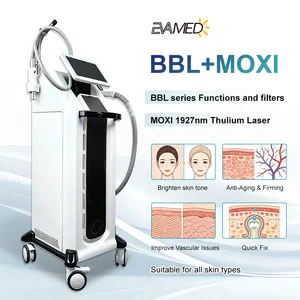
Phase 3: Hybrid Thulium Laser & Intense Pulsed Light Platforms
Future pipelines focus on combining BroadBand Light (BBL) profiles with sub-millimeter fractional lasers on a single handpiece. This enables dual-action therapies targeting both dermal collagen stimulation and permanent hair elimination in a single handheld housing.
Macro-Industry Solutions & Exporter Services
End-to-end supply chain integration, regulatory compliance, and marketing assets for international brands.
Custom Shell & Mold Engineering
Collaborate with our in-house engineering team in Dongguan to develop bespoke ergonomic contours, metallic paint finishes (Rose Gold, Obsidian Black, Pearl Violet), and custom logo laser markings that differentiate your brand in the competitive UK retail sector.
Regulatory & Laboratory Compliance
Our compliance team processes FDA 510(k), CE, UKCA, and Japan PSE certificates. We provide complete technical construction files (TCFs), EMC testing documentation, and electrical safety profiles to guarantee trouble-free importation into Western markets.
Just-In-Time Logistical Pipelines
From air cargo express shipments to Liverpool or Felixstowe ports, to bulk warehouse distributions, we offer DDP (Delivered Duty Paid) options and flexible MOQs (Minimum Order Quantities) to align with your seasonal product launches.
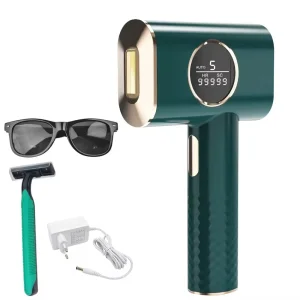
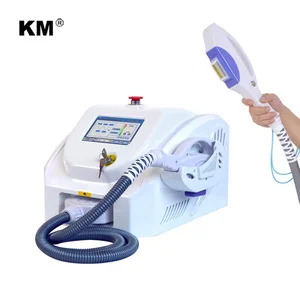
Full Professional Product Catalog
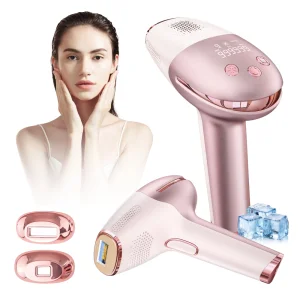
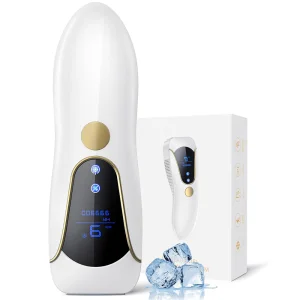
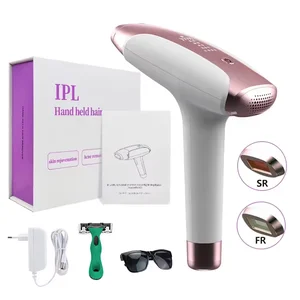
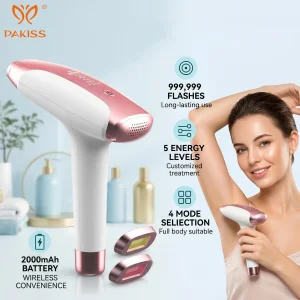
Explore our diverse collection of internationally certified IPL hair removal systems.

Answers to Essential Industry Questions (FAQ)
Technical specifications, importation guidance, and regulatory support for UK beauty brands.
To market optical beauty electronics in the UK, products must adhere to electrical safety standards. Exporters must provide certificates indicating conformity with the UKCA (UK Conformity Assessed) marking and CE (European Conformity) requirements. Additionally, compliance with Electromagnetic Compatibility (EMC) standards and Low Voltage Directive (LVD) is mandatory. At BryMax, all our export-destined IPL shipments include full Technical Files (TCF) validating these credentials.
Traditional IPL devices can produce localized epidermal temperatures exceeding 70°C, leading to skin irritation. Integrated Sapphire Cooling uses high-thermal-conductivity sapphire windows coupled with internal Peltier coolers. This lowers the contact surface to 5°C, numbing the skin dynamically during flashes. This increases safety, improves user comfort, and reduces post-treatment returns for brands.
For standard customized branding (private label with custom packaging and logo marking), the lead time ranges from 15 to 25 days following design approval. For full ODM engineering (custom injection housings and PCB programming), the timeframe takes 45 to 60 days, including regulatory prototype testing.
We source our quartz xenon flash lamps from specialized optical suppliers. Each lamp undergoes automated high-frequency pulse testing, ensuring a minimum lifetime rating of 500,000 to 990,000 flashes without energy degradation. Our semi-finished quality control process uses optical power meters to calibrate light uniformity across the spot window.