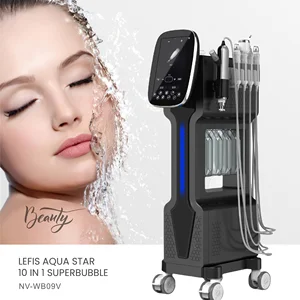
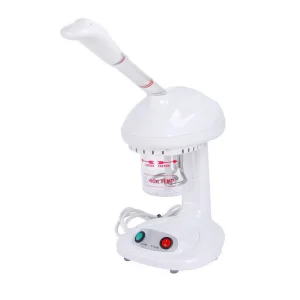
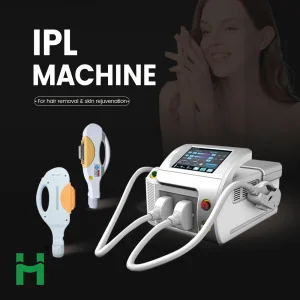
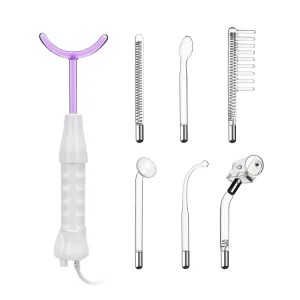
Featured Microcurrent & Esthetic Devices
Premium quality professional systems and handheld devices engineered to elevate skin-tightening and anti-aging treatments.
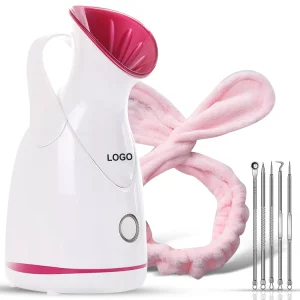
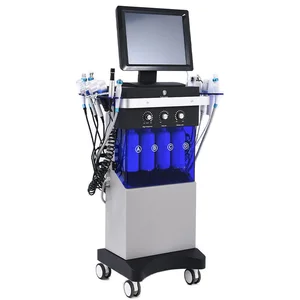

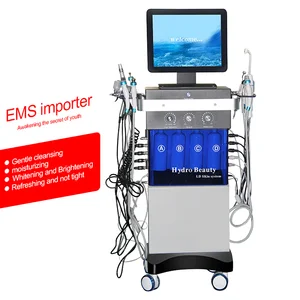
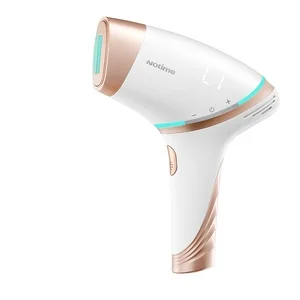
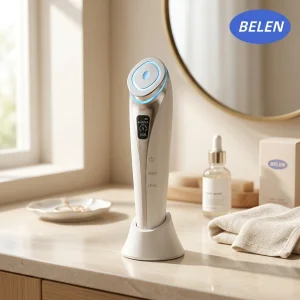
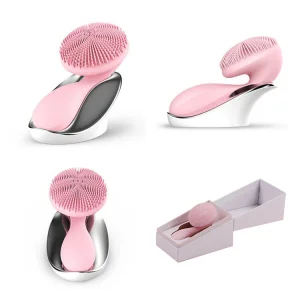
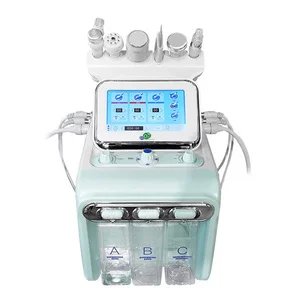
Understanding the Bio-Physiochemical Foundations of Microcurrent Technology
An engineering perspective on cellular stimulation, tissue remodeling, and non-invasive face lifting.
Microcurrent facial treatment represents one of the most significant breakthroughs in non-invasive cosmetic medicine. At its core, the technology operates by delivering low-level electrical currents—typically ranging from 10 to 500 microamperes (µA)—which closely mirror the human body's own natural bioelectrical impulses. By transmitting these precise electrical frequencies into the epidermal, dermal, and underlying muscular layers of the face, microcurrent devices effectively reprogram cell-level mechanics without triggering pain or thermal tissue damage.
The primary mechanism of action relies on the stimulation of Adenosine Triphosphate (ATP) production. ATP is the chemical energy source that fuels essential cellular operations, including protein synthesis, active transport, and cell division. Groundbreaking clinical studies have demonstrated that applying low levels of microcurrent can increase ATP production by up to 500%. This massive surge in cellular energy enhances the fibroblasts' capacity to produce structural matrix components: specifically, Type I and Type III collagen and elastic fibers. As a result, the dermal layer gains thickness and resilience, while sagging skin is visibly firmed.
In addition to cellular rejuvenation, microcurrent devices target the facial musculature. As humans age, muscle tone decreases, leading to Ptosis (sagging) in key areas such as the jawline, nasolabial folds, and brow region. Modern professional devices utilize complex waveform profiles—including alternating biphasic, monophasic, and sinusoidal currents—to systematically retrain facial muscles. This process, often referred to as "muscle re-education," works via two distinct methods: shortening elongated muscles (such as the zygomaticus major) to lift the cheeks, or lengthening contracted muscles (such as the corrugator supercilii) to smooth deep expression lines.
ATP Resynthesis
Accelerating mitochondrial respiration through direct microcurrent inputs, providing the vital biochemical energy necessary for rapid cellular repair and structural rejuvenation.
Myofibril Re-education
Applying tailored low-frequency waveforms to restore muscle memory and resting tone, yielding a contouring and lifting effect comparable to surgical correction.
Microcirculation Boost
Promoting local blood flow and lymphatic drainage to improve nutrient supply and speed up the elimination of cellular metabolic waste products.
Global Market Dynamics & Procurement Requirements
Navigating supply chain challenges, safety compliance, and OEM/ODM strategies in the home beauty sector.
The global market for home-use beauty devices is growing rapidly. Among these, microcurrent devices hold a prominent market share, driven by consumers seeking non-invasive anti-aging solutions. B2B buyers—including brand owners, clinical distributors, and global retailers—face complex sourcing decisions when evaluating microcurrent suppliers.
Reliable procurement depends on finding manufacturers who can guarantee consistent voltage calibration, high-capacity battery safety, biocompatibility, and regulatory compliance. A common challenge in mass production is signal drift: without precise calibration, mass-produced devices may deliver currents that are either too weak to be effective or too strong, which can cause skin irritation or sensory discomfort. Therefore, B2B buyers must partner with factories that implement automated testing systems for every single production unit.
In addition, meeting diverse international regulatory requirements is essential for market entry. Sourcing from a factory that holds certifications like the US FDA, EU CE, Japan PSE, and China NMPA is crucial to avoid customs delays and ensure compliance. Working with a partner that has established medical-grade manufacturing processes reduces regulatory risks and accelerates time-to-market.
Manufacturing Excellence at BryMax Beauty
Inside our medical-grade production facility: How we design, build, and test high-performance beauty devices.
Dongguan BryMax Beauty Co., Ltd. is a certified national high-tech enterprise specializing in the research, development, and global distribution of advanced household beauty and personal care devices. Our product range includes hair removal systems, microcurrent facial toning devices, high-frequency wands, and multifunction skincare units, all engineered to meet strict performance and safety standards.
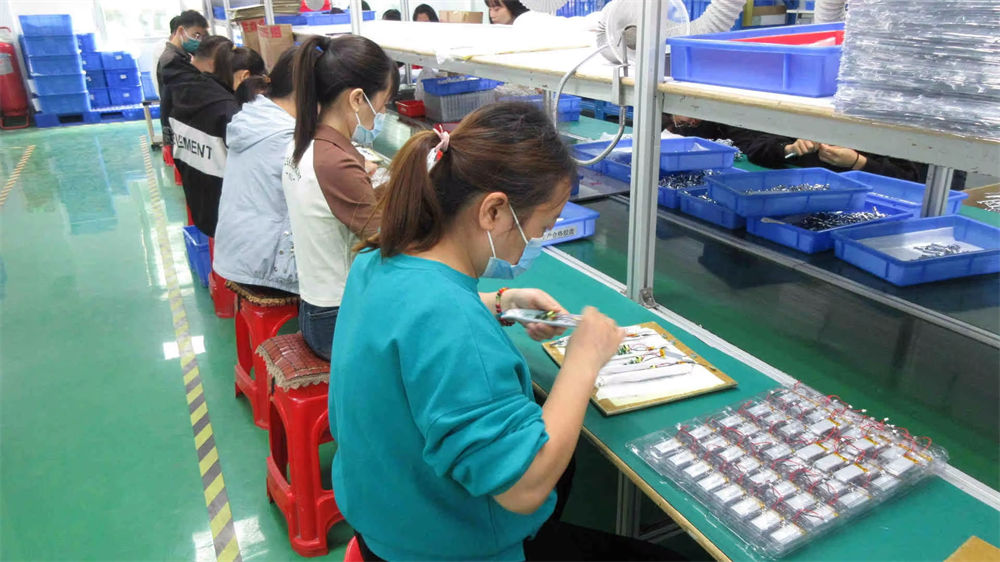
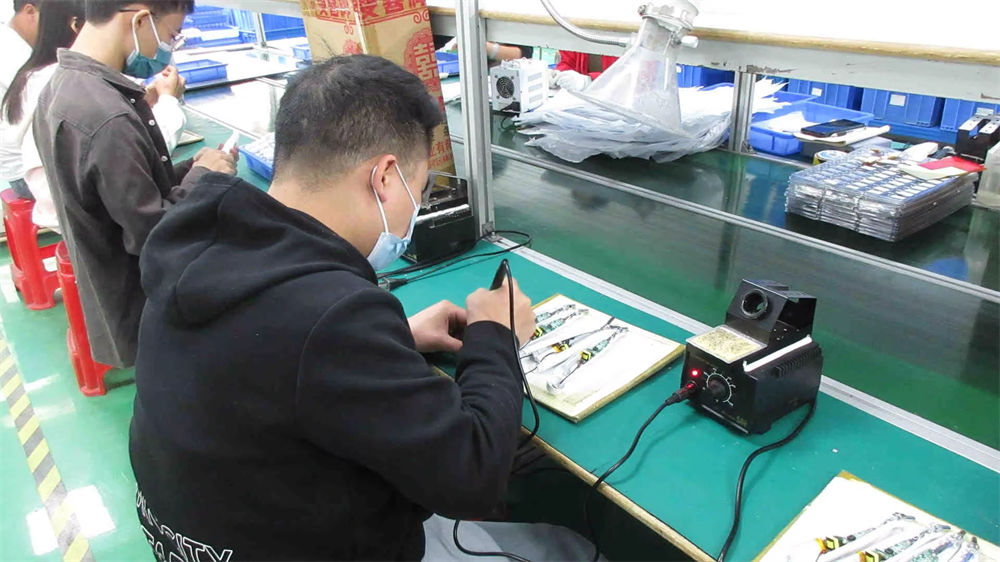
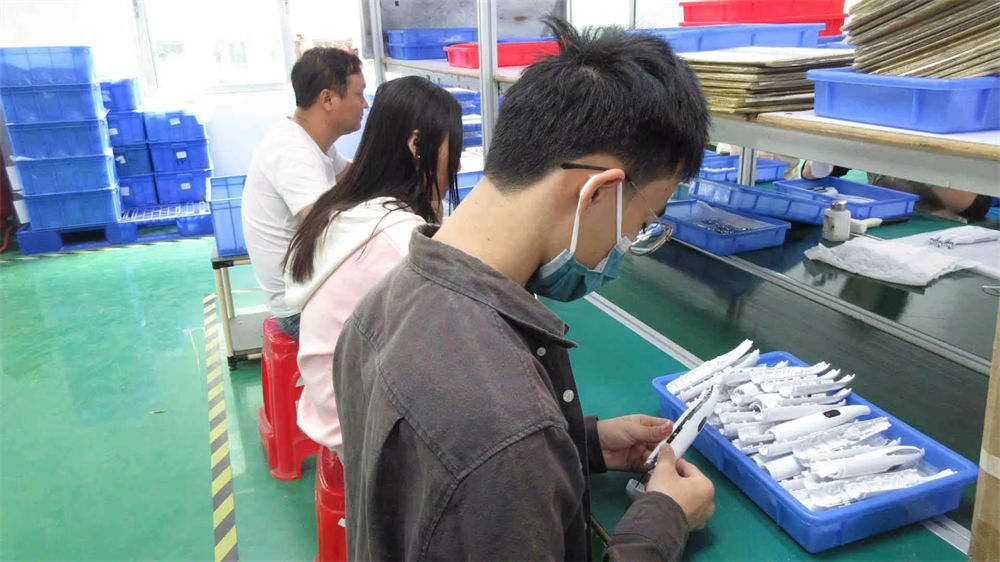
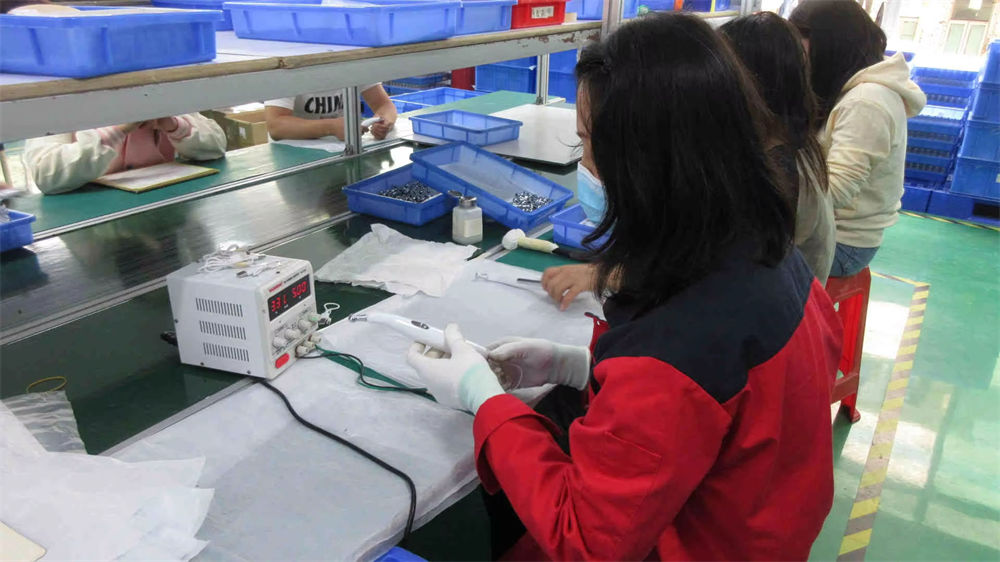
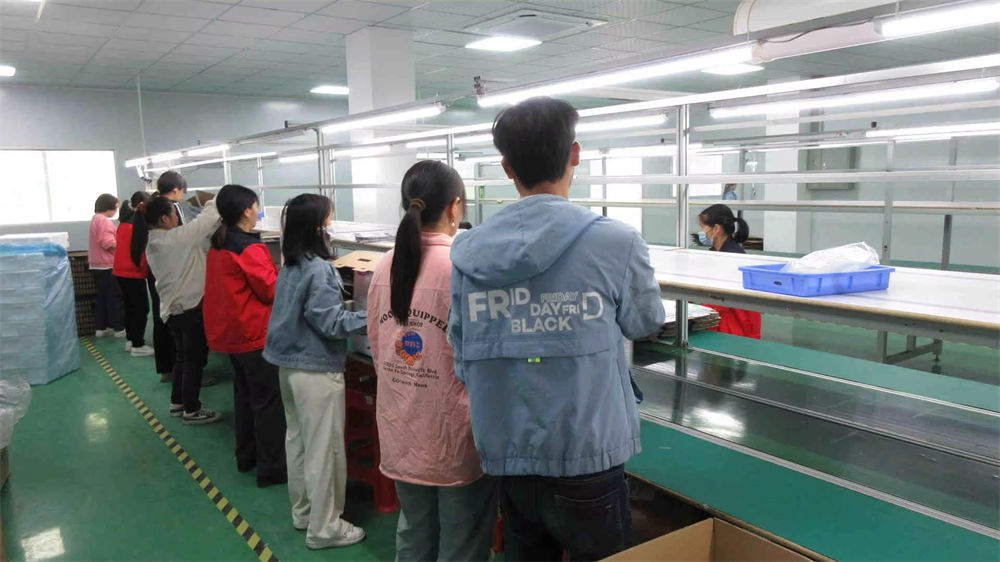
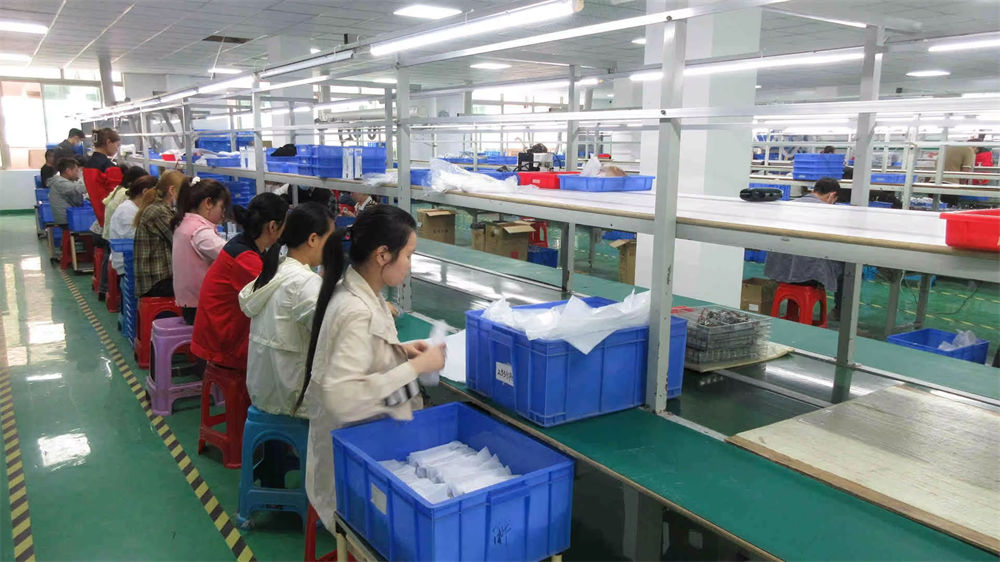
Our production facilities are designed in accordance with medical device manufacturing standards, ensuring controlled environments, precise assembly, and rigorous testing. This structure ensures our products comply with demanding global certifications, including FDA (US), CE (European Union), PSE (Japan), NMPA (China), and SFDA (Middle East), allowing smooth entry into over 30 countries and regions worldwide.
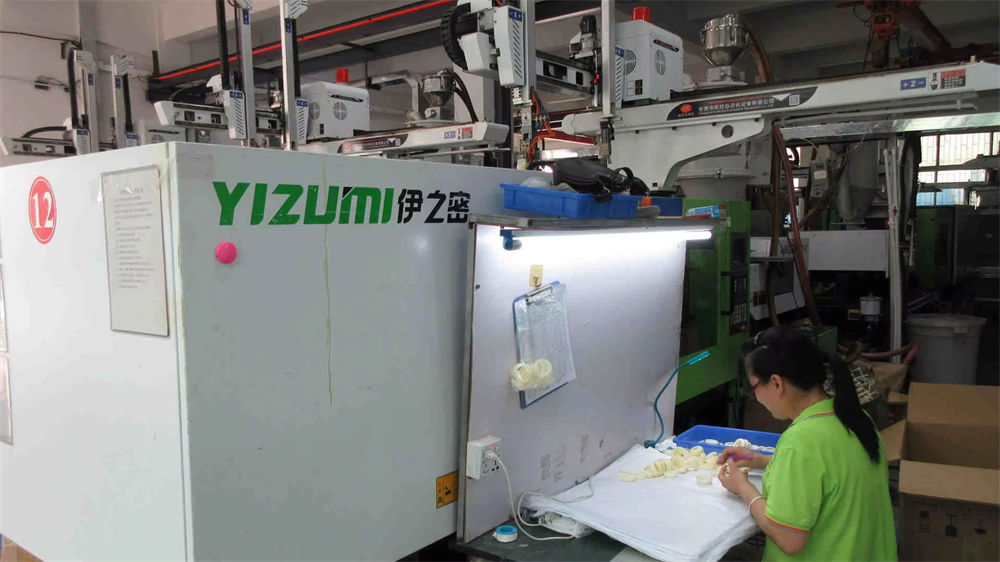
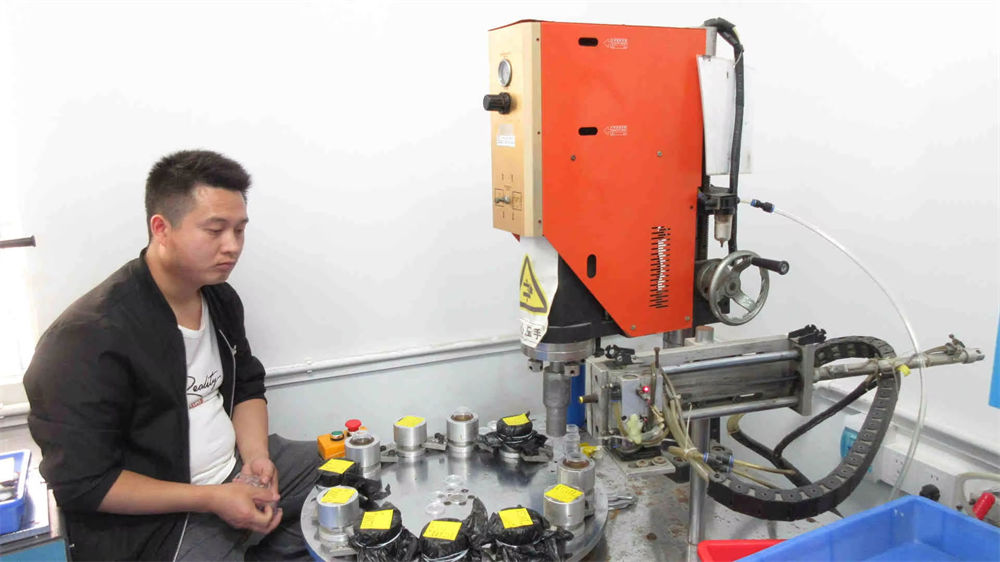
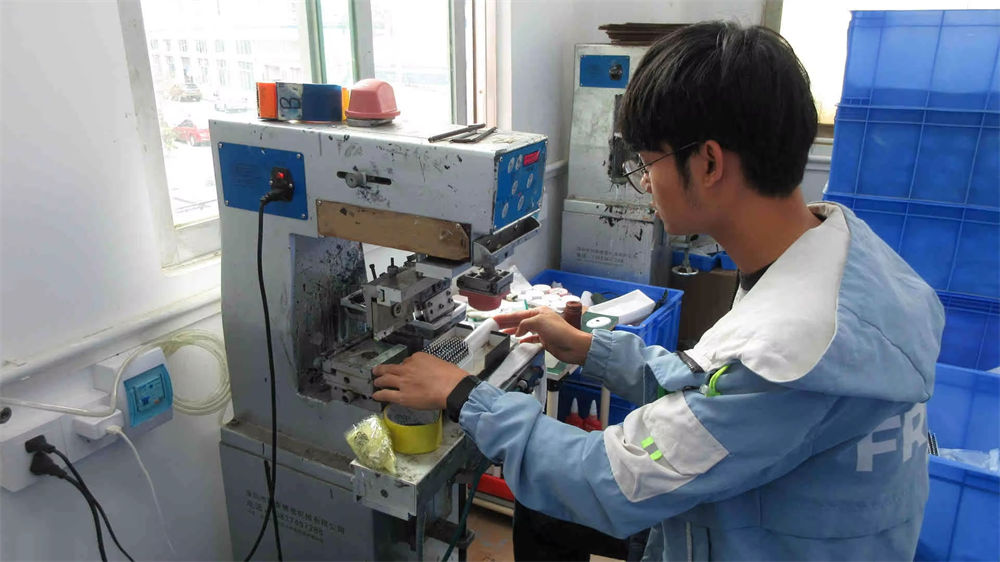
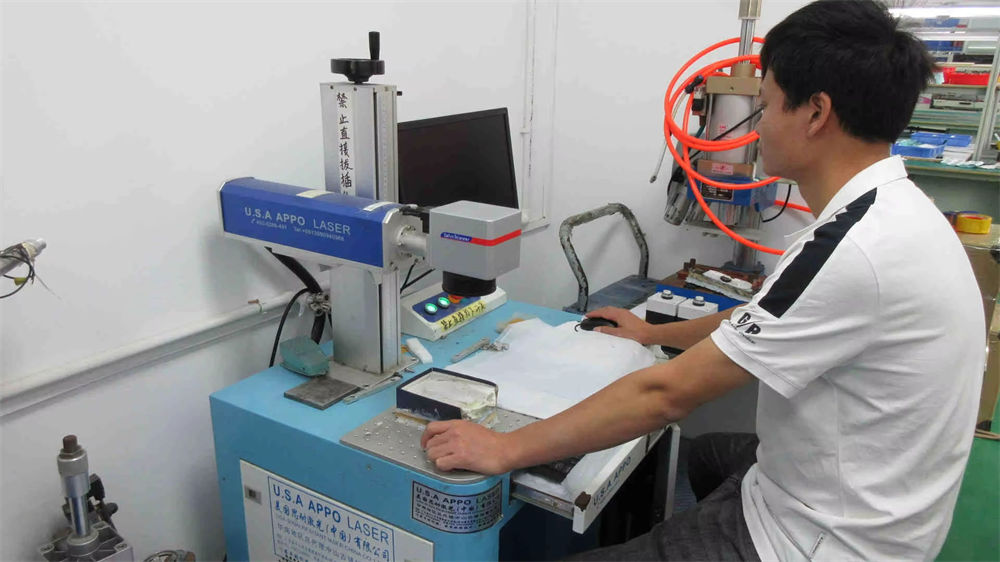
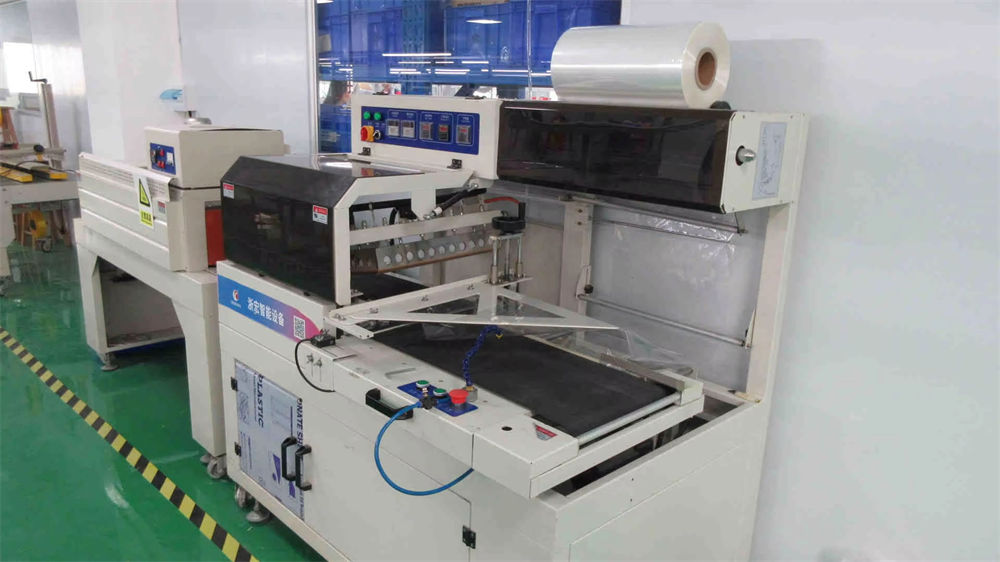
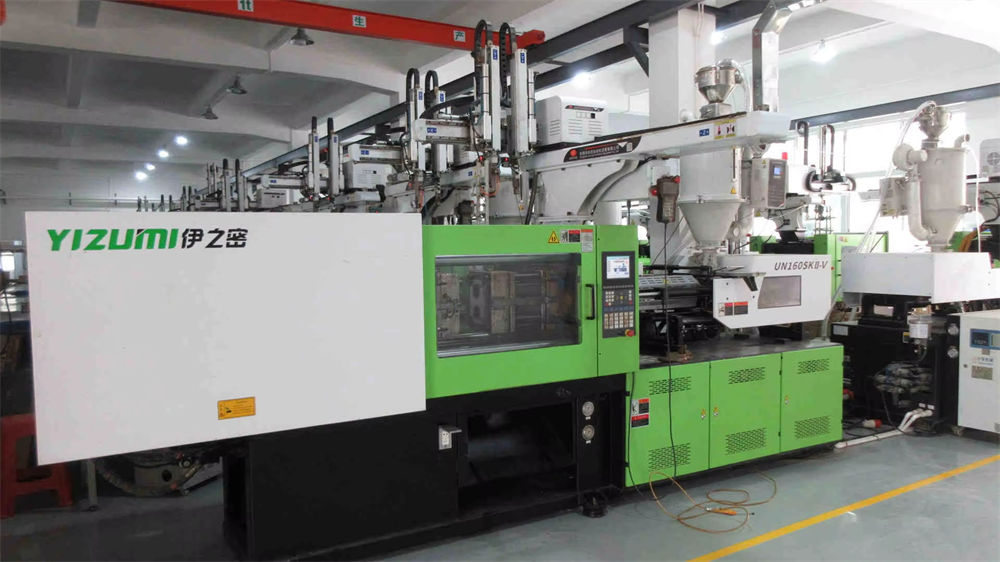
Our Standardized Manufacturing Process & Advanced Machinery
We manage every stage of the manufacturing lifecycle in-house to maintain strict quality control and support tailored OEM/ODM partnerships.


Technical Roadmap & Future Innovations
Developing the next generation of home-use esthetic technology through smart biofeedback and combined therapies.
The home beauty device industry is shifting toward more personalized, smart systems. BryMax's research and development roadmap focuses on integrating advanced biofeedback technologies. Future microcurrent devices will incorporate real-time Skin Impedance Sensing. Because skin moisture, thickness, and oil levels vary across different areas of the face, a uniform electrical current can sometimes be inconsistent. Dynamic feedback sensors will measure skin resistance in real time and automatically adjust the microampere output, ensuring a safer and more uniform treatment.
Another key trend is the integration of multiple modalities into single, compact devices. Combining microcurrent stimulation with 650nm Red LED Photon Therapy, Radiofrequency (RF) skin tightening, and thermal/cryo therapies allows users to target multiple skin concerns at once. This multi-technology approach maximizes structural collagen remodeling and accelerates tissue regeneration.
In terms of usability, next-generation devices will feature ergonomic designs, wireless charging, and app connectivity. Smart applications can guide users through customized treatment routines, track progress over time, and ensure consistent usage for better long-term results.
Smart Adaptive Output
Real-time impedance monitoring adjusts the current output automatically to match varying skin hydration levels across the face.
Synergistic Modalities
Combining microcurrent, RF, and LED photon therapy into integrated treatment protocols to deliver comprehensive anti-aging results.
B2B Sourcing & Technical FAQ
Addressing common technical, manufacturing, and regulatory questions from global partners.
Explore Our Extended Skincare & Wellness Equipment Line
B2B products built for professional salons, medical spas, and retail brands.