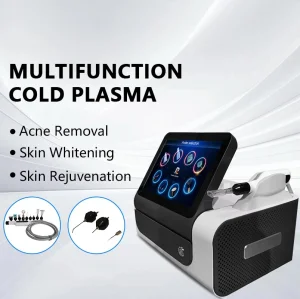
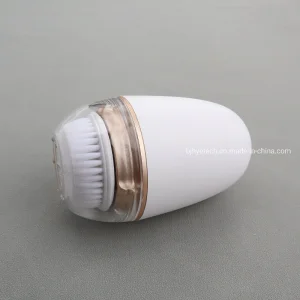
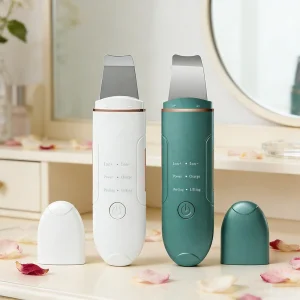
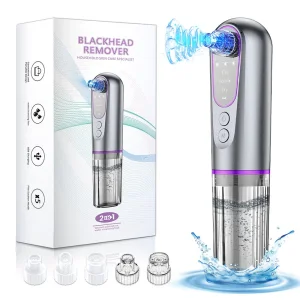
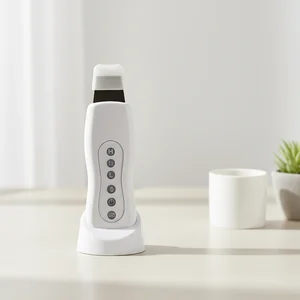
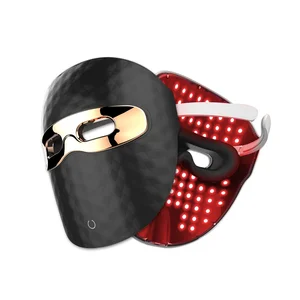
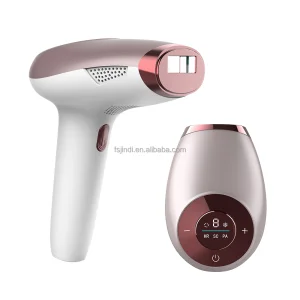
Featured High-Energy Aesthetic Devices
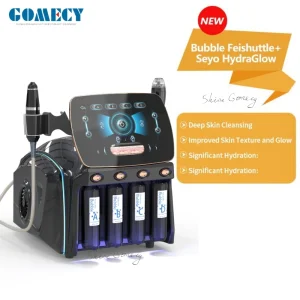


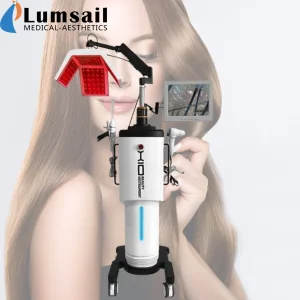
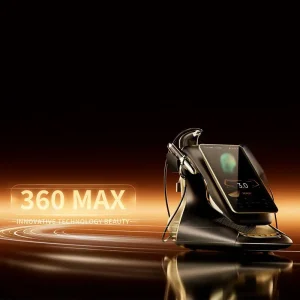
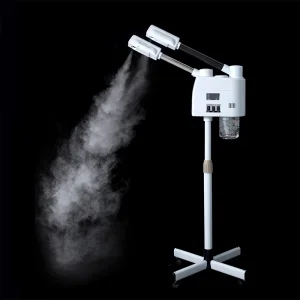

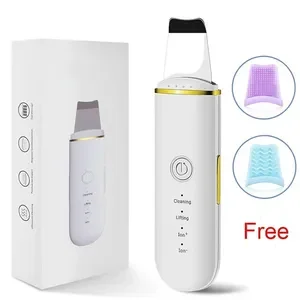
1. Executive Summary & Industry Landscape
In the rapidly changing world of medical aesthetics, Radiofrequency (RF) Technology has emerged as a cornerstone of non-invasive facial rejuvenation and body contouring. Globally, professional buyers, clinics, and distribution partners require reliable equipment that balances efficacy, safety, and price. As the barrier between medical-grade clinical systems and advanced home-use devices narrows, sourcing from certified factories that provide high-level compliance and robust technological frameworks has become a primary business objective.
This whitepaper addresses the core aspects of importing RF aesthetic devices, analyzing supply chain frameworks, manufacturing compliance, localized market standards, and key procurement criteria. By focusing on verified operational metrics, we provide the ultimate decision-making tool for corporate buyers looking to establish long-term partnerships with leading exporters and factories.
2. Technology Decoded: Monopolar, Bipolar & Multipolar RF
Understanding the physics of Radiofrequency is essential for modern buyers. RF devices emit electromagnetic waves that pass through skin layers to generate heat in target deep tissues. The resulting controlled thermal injury triggers collagen synthesis and immediate tissue contraction.
Monopolar RF Systems
Designed for deep volumetric heating, Monopolar RF uses a single active electrode on the target area and a grounding pad elsewhere. Ideal for deep dermal tightening and cellulite treatments.
Bipolar & Multipolar RF
Electric currents flow only between positive and negative poles within the treatment handle. It provides shallow, targeted heat suitable for facial rejuvenation, fine lines, and sensitive zones.
Fractional Micro-needling RF
Combines mechanical micro-needling with physical RF delivery directly into the dermis. This configuration is widely chosen for scar reduction, deep wrinkle treatment, and skin resurfacing.
For international distributors, importing the right product mix is key. Combining high-power, multi-functional clinical equipment with portable, high-efficiency home-use systems ensures you capture all market segments, from premium medical spas to everyday home-skincare consumers.
3. Industrial Case Study: Dongguan BryMax Beauty Co., Ltd.
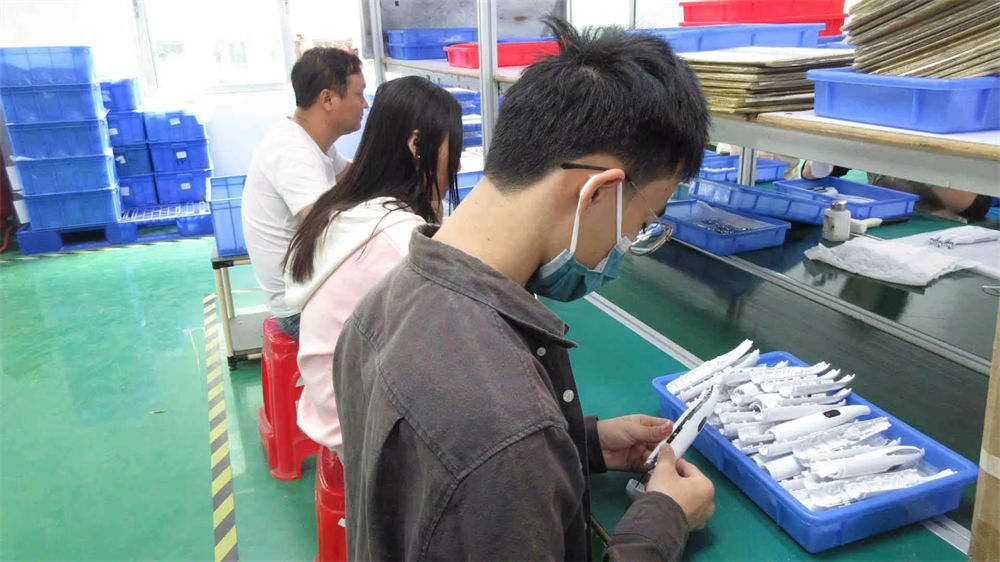
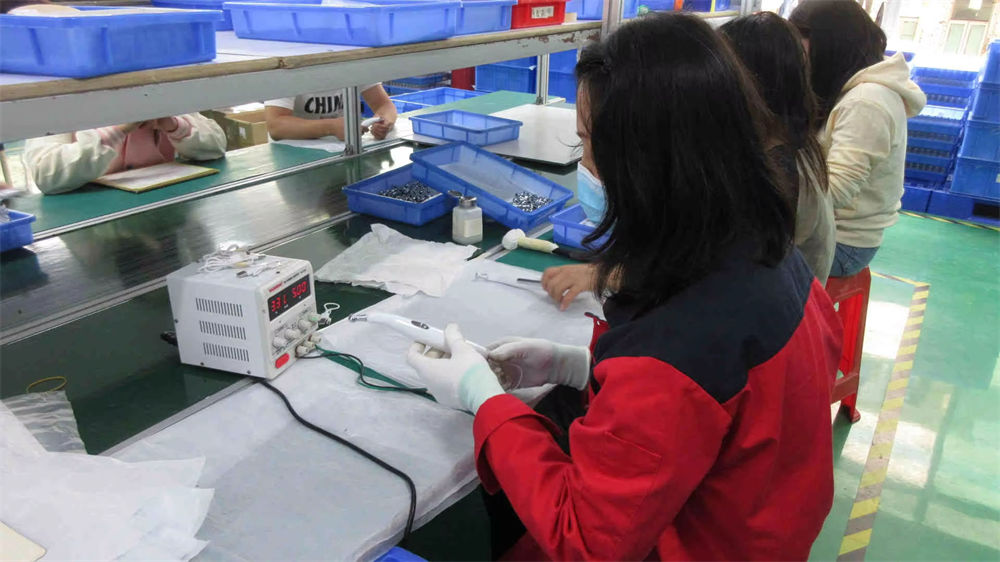
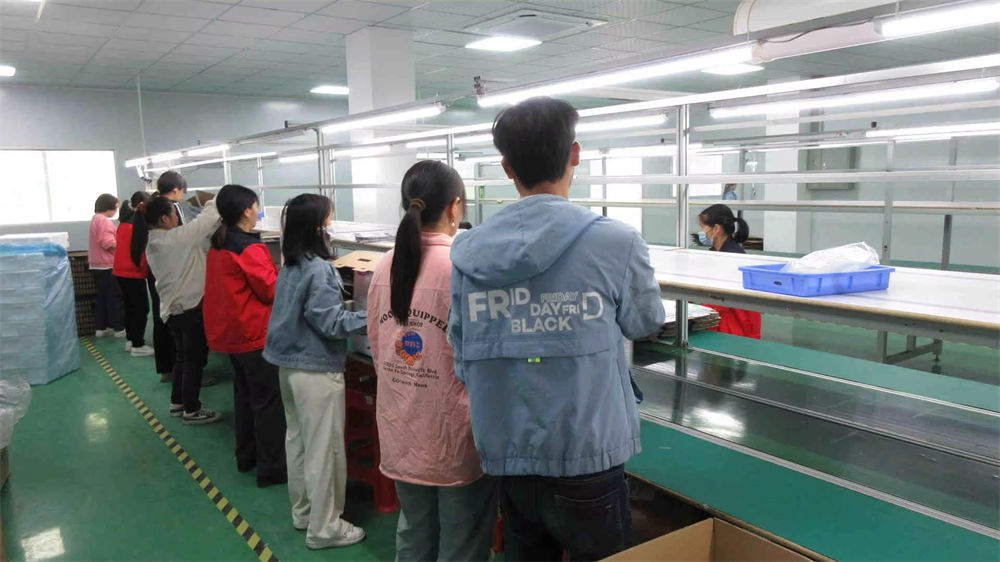
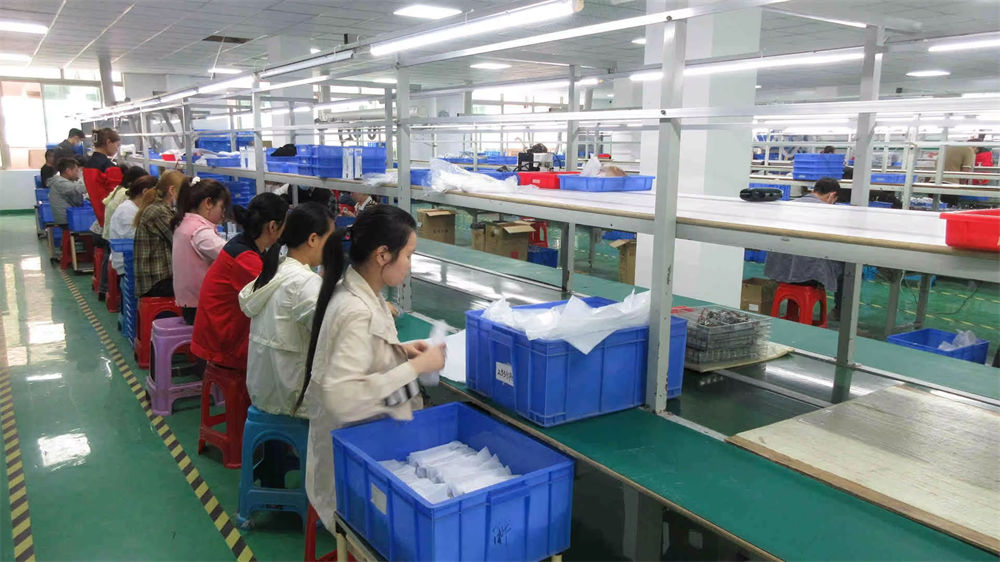
As a prominent national high-tech enterprise, Dongguan BryMax Beauty Co., Ltd. leads the industry in research, development, production, and global distribution of home-use beauty and personal care systems. The factory specializes in translating clinical technology into portable, user-friendly consumer electronic devices, including advanced laser hair removal, ultrasonic face spatulas, and RF-integrated systems.
BryMax operates a state-of-the-art manufacturing center built strictly to medical device standards. With NMPA (China), FDA (USA), PSE (Japan), CE (EU), and SFDA (Middle East) certifications, their manufacturing ecosystem ensures global compliance, consistent quality control, and minimal risk of import delays at customs checkpoints.
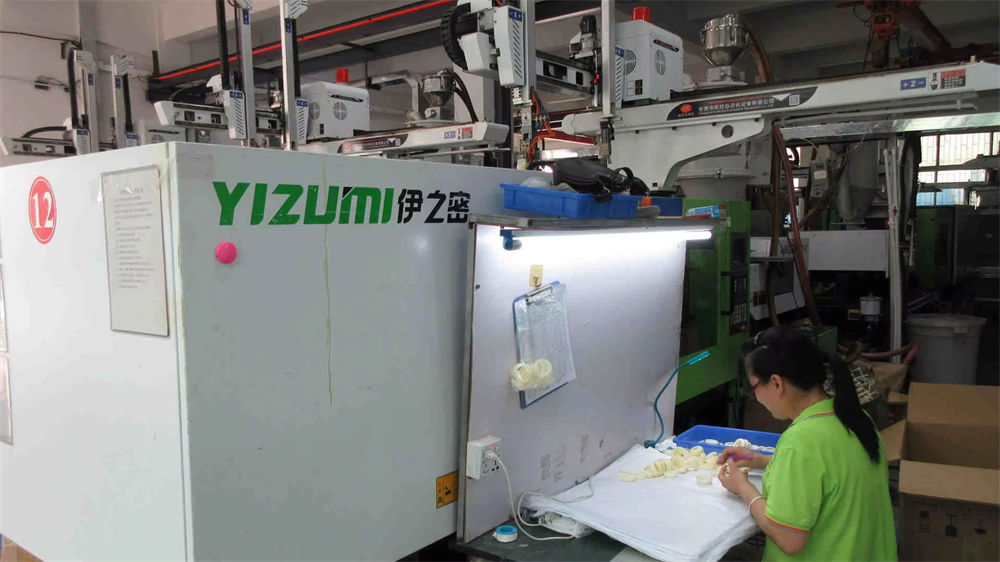
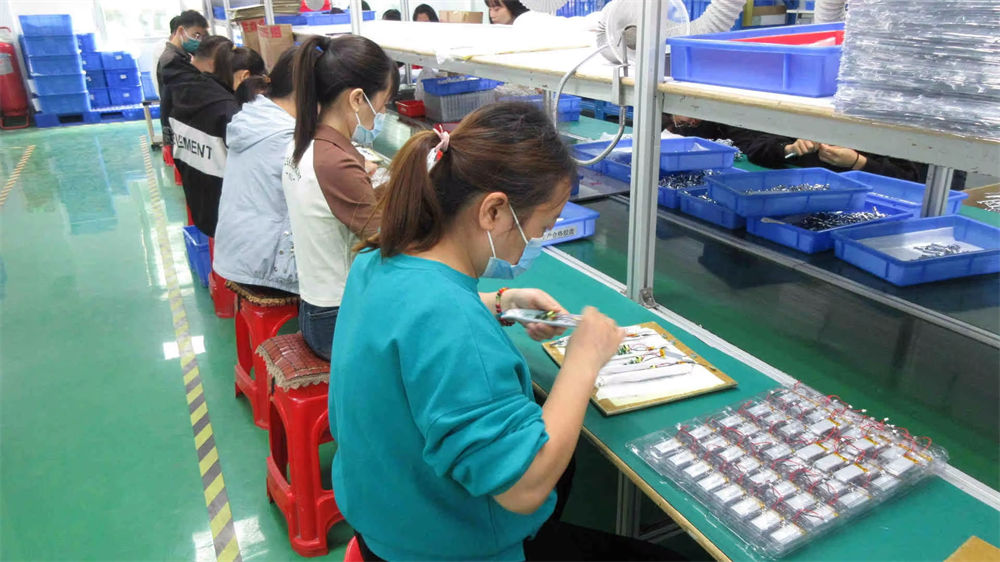
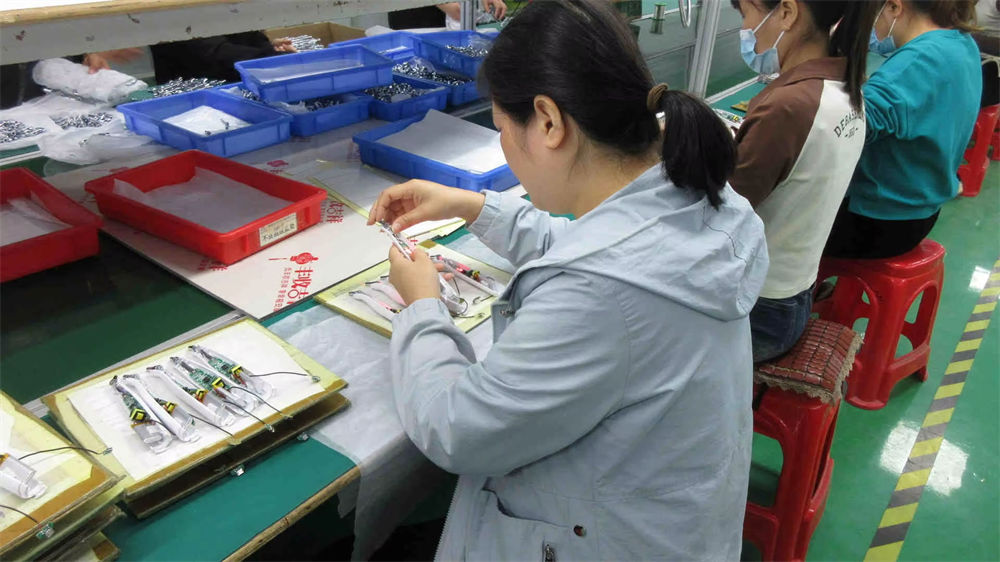
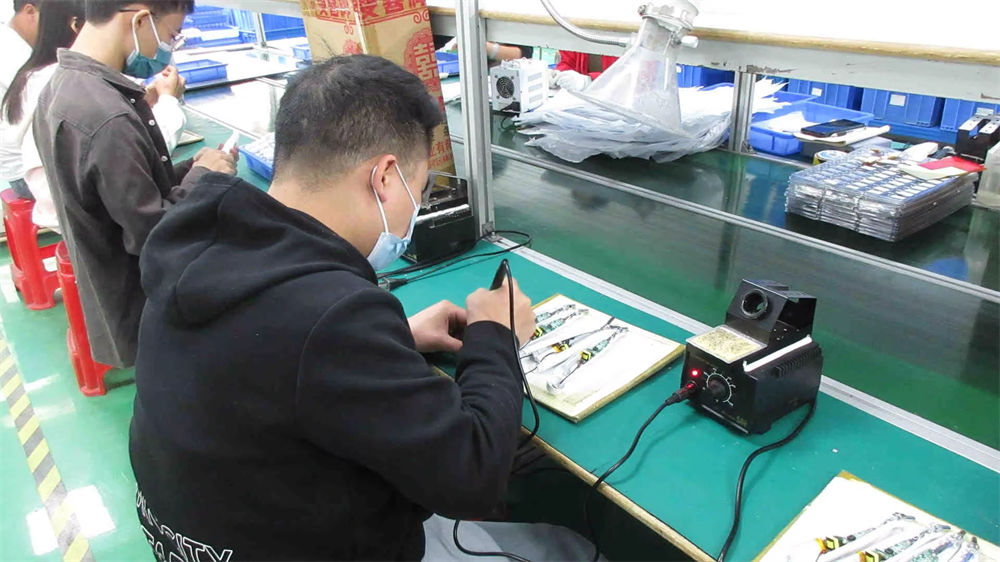
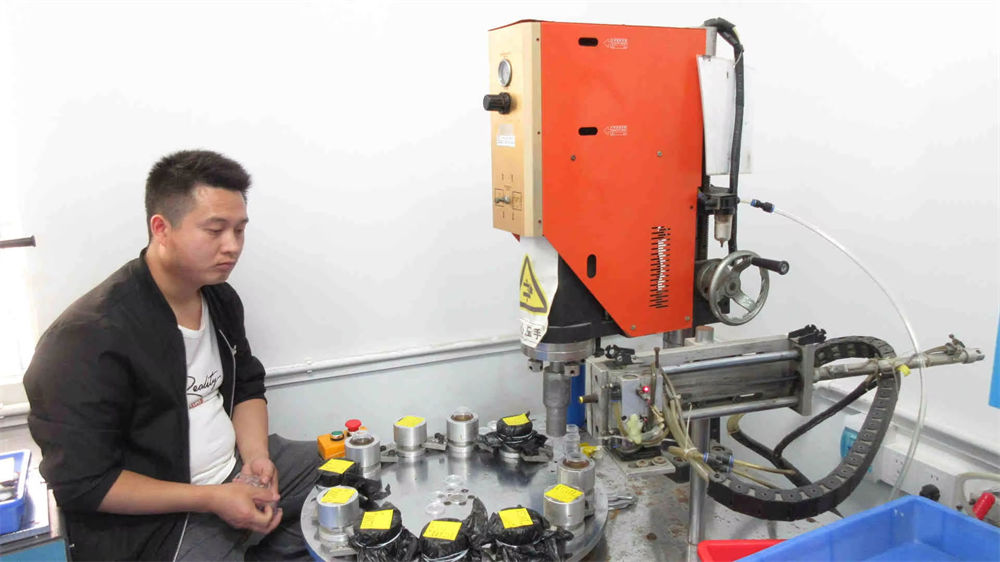
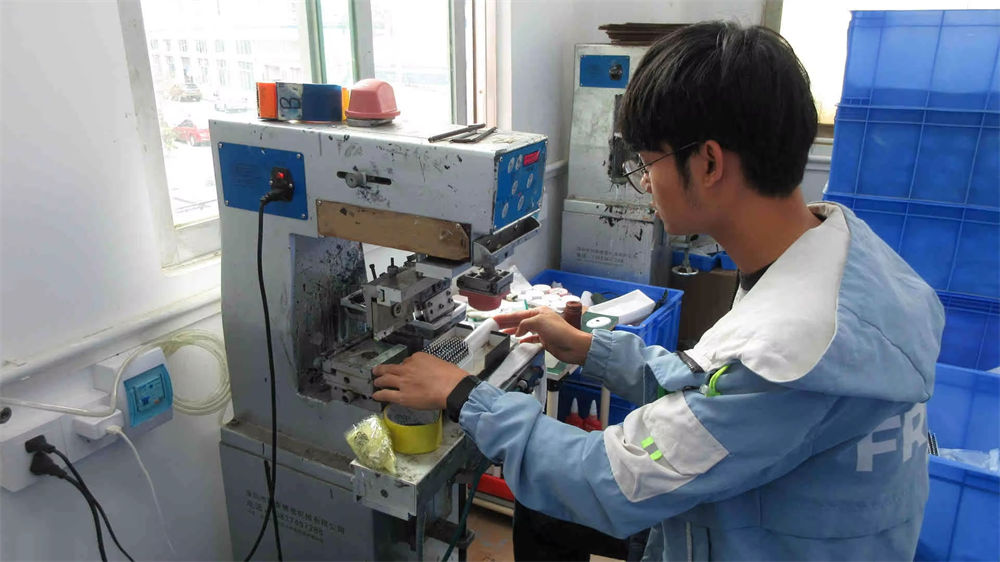
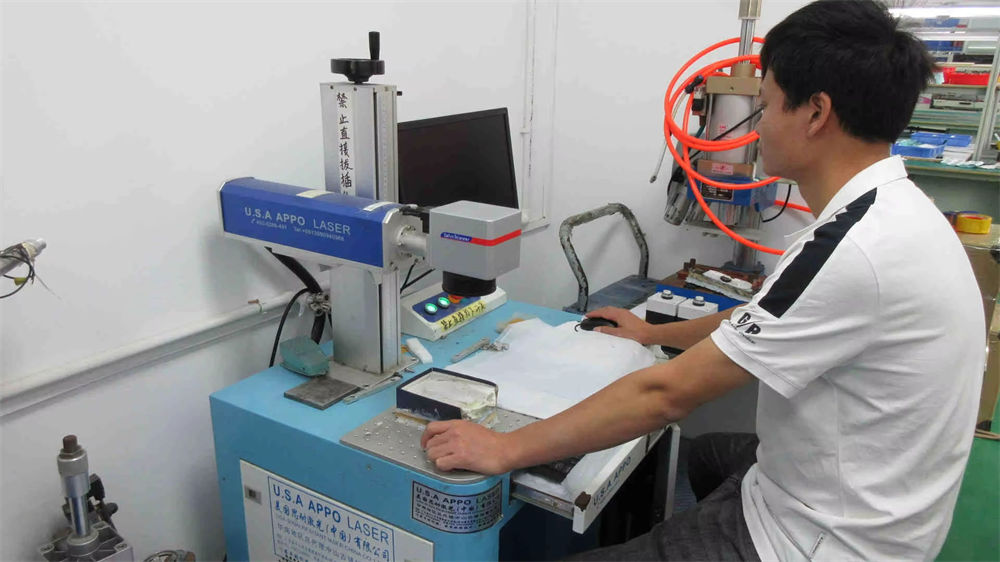
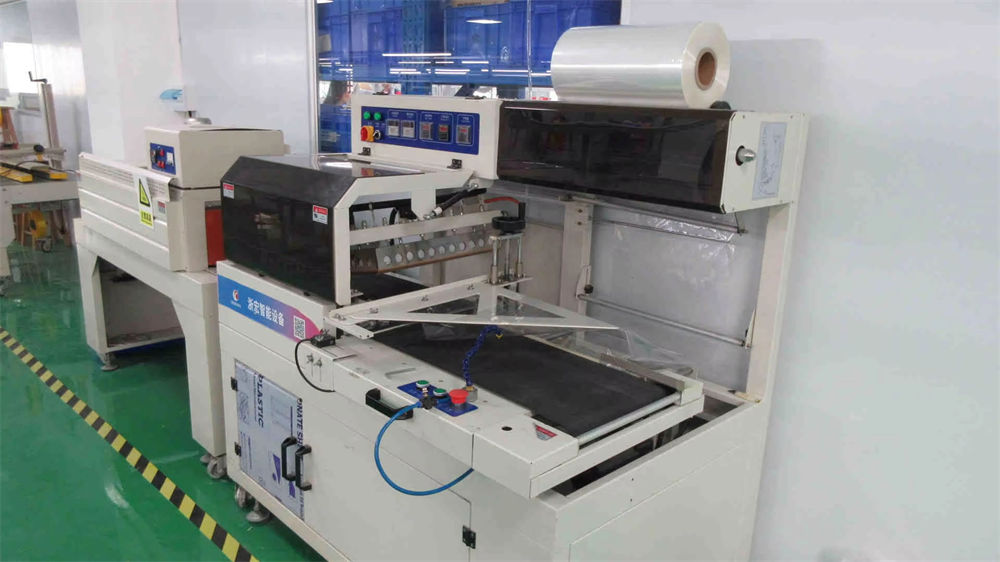
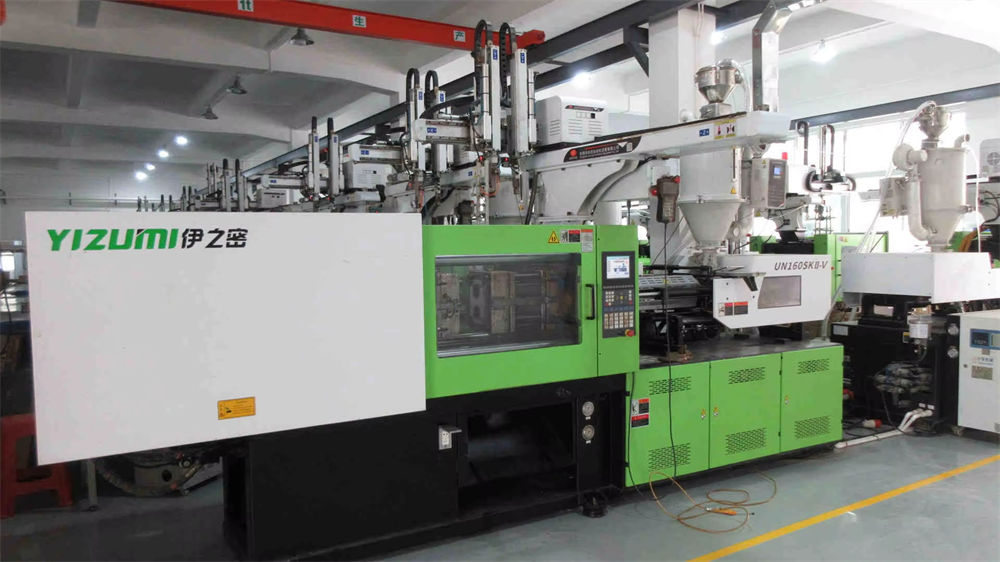
Modern Production Lines & Verification Ecosystem
The factory is equipped with advanced automated systems, testing arrays, and assembly lines designed to handle large-scale international orders while maintaining strict quality metrics.

4. Supply Chain Advantages of Chinese RF Aesthetic Device Factories
China’s manufacturing ecosystem, particularly in industrial clusters like Dongguan and Shenzhen, offers substantial advantages for global buyers of aesthetic equipment:
Vertical Industrial Clustering
From specialized high-frequency PCBs and precision medical silicone molds to cooling systems, all necessary components are sourced locally. This proximity reduces development cycles and manufacturing lead times.
Cost Efficiency at Scale
Automated production systems, specialized technicians, and volume purchasing power lower the per-unit cost of medical and home-use beauty devices without compromising build quality.
Advanced R&D Infrastructure
Leading Chinese manufacturers reinvest profits back into R&D. Teams of engineers specialize in software UI, industrial design, thermal testing, and regulatory documentation to simplify OEM/ODM client requests.
These structural advantages make China-based factories key manufacturing partners for international cosmetic brands, clinical distributors, and tech-driven startups looking for dependable and scalable supply chains.
5. Global Compliance & Localization Support
Entering major medical aesthetic markets requires navigating complex local regulations. Choosing a supplier that understands these regional frameworks is essential for compliance and market access.
North American Market (FDA)
In the US, professional RF platforms require 510(k) clearance as Class II medical devices. Home-use devices must also meet strict safety guidelines and undergo FDA listing processes to ensure safe consumer operation.
European Union (CE MDR)
The transition from MDD to Medical Device Regulation (MDR 2017/745) has raised compliance requirements for RF devices. Importers must ensure their suppliers maintain detailed technical documentation, biocompatibility profiles, and post-market clinical follow-up records.
Asia-Pacific & Middle East
Compliance is critical across APAC and the Middle East, with standards like Japan's PSE mark for consumer electrical goods and SFDA clearance in Saudi Arabia. Establishing a compliant foundation avoids cargo retention risks at regional ports.
To assist distributors, leading manufacturers like BryMax provide comprehensive localization support. This includes customized packaging, multilingual manuals, country-specific power supplies (such as UK, EU, US, and JP configurations), and technical documentation required for local import approval.
6. Essential B2B Procurement and Evaluation Guide
When evaluating potential RF device factories, B2B procurement managers should focus on verified performance and quality indicators rather than price alone. Key metrics include:
1. Power Stability & Thermal Accuracy
Ensure the RF generator maintains stable energy delivery. Unstable power output can lead to uneven skin heating, surface burns, or poor treatment efficacy.
2. Built-in Cooling & Safety Features
Look for systems with integrated skin impedance sensors and contact cooling (such as sapphire tip cooling). These safety systems protect the epidermis while enabling high energy delivery to the dermis.
3. Quality Control (QC) & Component Tracking
Verify the factory's QA processes. Partners should follow medical-grade standards (ISO 13485) and conduct performance, burn-in, and safety testing on every production run.
7. Future Tech Trends: AI and Multi-Modal Integration
The aesthetic device sector is shifting toward intelligent, connected, and multi-functional platforms. Key technological trends shaping the market include:
Real-time AI Skin Impedance Tuning: Next-generation RF systems use embedded algorithms to measure skin moisture, thickness, and resistance in real-time. This allows the system to auto-tune its output frequency and pulse width to maximize collagen stimulation while protecting the skin surface.
Multi-Modal Integration (RF + EMS + LED): Handheld home-use and desktop systems increasingly integrate multiple technologies into a single device. For example, combining RF for deep dermal collagen stimulation, EMS (Electrical Muscle Stimulation) for muscle toning, and LED light therapy for surface tissue recovery allows users to address multiple skin concerns with one unit.
IoT Connectivity and Smart Diagnostics: Modern aesthetic platforms feature internet connectivity to track usage patterns, monitor hardware diagnostics, and update operating firmware. For commercial clinics, this simplifies fleet management, keeps systems updated, and flags maintenance needs before hardware issues occur.
8. FAQ: Critical Questions for B2B Importers
More Precision Aesthetic Equipment