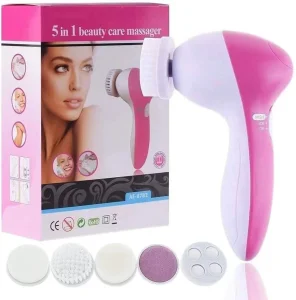
Featured Premium Clinical & Aesthetic Systems (Group A)
-
Professional 1200w/800w IPL Laser Machine for Hair Removal & Skin Rejuvenation Factory Price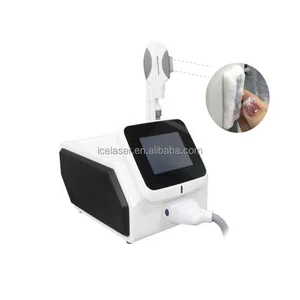
-
9 in 1 Professional Face Deep Cleansing Beauty Machine with Aqua Peeling Oxygen Bubble for Skin Rejuvenation Skin Tightening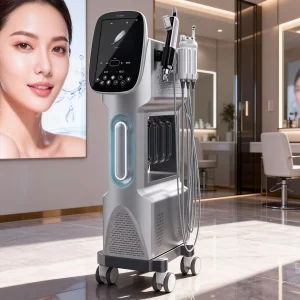
-
Medical CE RF Tube Fractional Co2 Laser Vaginal Tightening Machine for Scar Removal Rf Skin Tightening Co2 Fractional Machine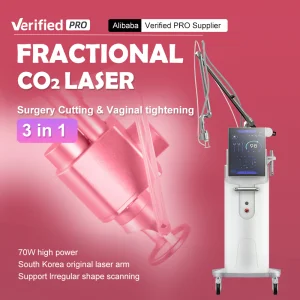
-
OEM ODM Hot Selling 5 In 1 Multifunction Facial Massager Hot Cool Skin Care Device Face Lifting Machine Face Skin Beauty Tool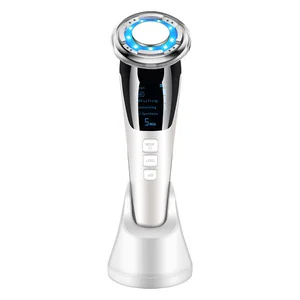
-
6 in 1 Hydro Microdermabrasion Machine with Bubble Cleaner Pen for Professional Salon Deep Pore Cleansing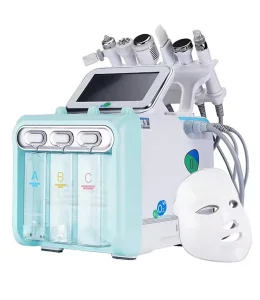
-
IPL Acne Treatment Laser Device for Scar Reduction Brightening and Skin Repair Solutions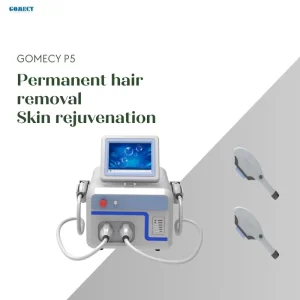
-
Solara Hot Selling Led Face Mask With Infrared Light Led Face Mask Led Light Face Therapy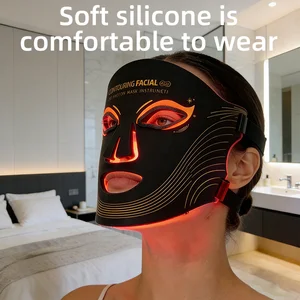
-
2023 Professional Face Spa Electric Nano Mini Mist Sprayer Face Facial Steamer With Warm Vapor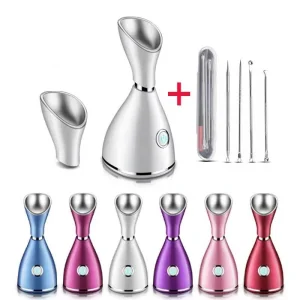
1. Executive Sourcing Paradigm: The Shift to Photobiomodulation Compliance
The global demand for non-invasive phototherapy has catalyzed an industrial evolution in the manufacturing of LED light therapy panels. Modern clinics, aesthetic franchises, and direct-to-consumer wellness brands require more than basic light emission. Today's procurement paradigms pivot around verified spectral irradiance, thermal dissipation integrity, EMF-shielded power pathways, and strict compliance with medical device standards.
Evaluating a top-tier factory involves auditing not just the assembly line, but also the underlying engineering capabilities. With clinical validation establishing red (660nm) and near-infrared (850nm) spectrums as optimal wavelengths for cellular ATP upregulation, manufacturers must demonstrate traceablity of led chip bins and optical lens consistency. This white paper serves as a strategic roadmap for B2B buyers seeking elite OEM/ODM manufacturing partnerships globally, with a localized focus on advanced manufacturing hubs.
2. Manufacturer Profile: Dongguan BryMax Beauty Co., Ltd.
Dongguan BryMax Beauty Co., Ltd. is a national high-tech enterprise dedicated to the research, development, production, and global distribution of cutting-edge household beauty and personal care devices. Our extensive product portfolio includes laser hair removal instruments, facial care devices, hair dryers, and other innovative small household appliances, all designed to improve the quality of everyday life and promote personal wellness.
Driven by a commitment to technological innovation and product excellence, BryMax Beauty has secured numerous design patents and globally recognized certifications, including NMPA certification in China, FDA certification in the United States, PSE certification in Japan, CE certification in the European Union, and S FDA certification in the Middle East. Our products enjoy strong sales in over 30 countries and regions, earning widespread acclaim from customers and industry partners alike.
Our advanced manufacturing center is constructed entirely in accordance with medical device standards, ensuring the highest levels of precision, reliability, and safety. BryMax Beauty emphasizes rigorous quality control at every stage of production, from design and development to manufacturing and after-sales service, ensuring that every product meets international standards and exceeds customer expectations.
In addition to our focus on high-quality products, we actively invest in research and development to continuously introduce innovative solutions that combine aesthetics, functionality, and cutting-edge technology. Our professional team is dedicated to understanding and anticipating market trends, delivering products that cater to the evolving needs of modern consumers worldwide. At BryMax Beauty, we value long-term partnerships and mutual growth. We sincerely look forward to collaborating with global partners, sharing expertise, and creating win-win opportunities to build a healthier, more beautiful future together.
3. China Factory 4.0: Vertical Integration & Visual Traceability
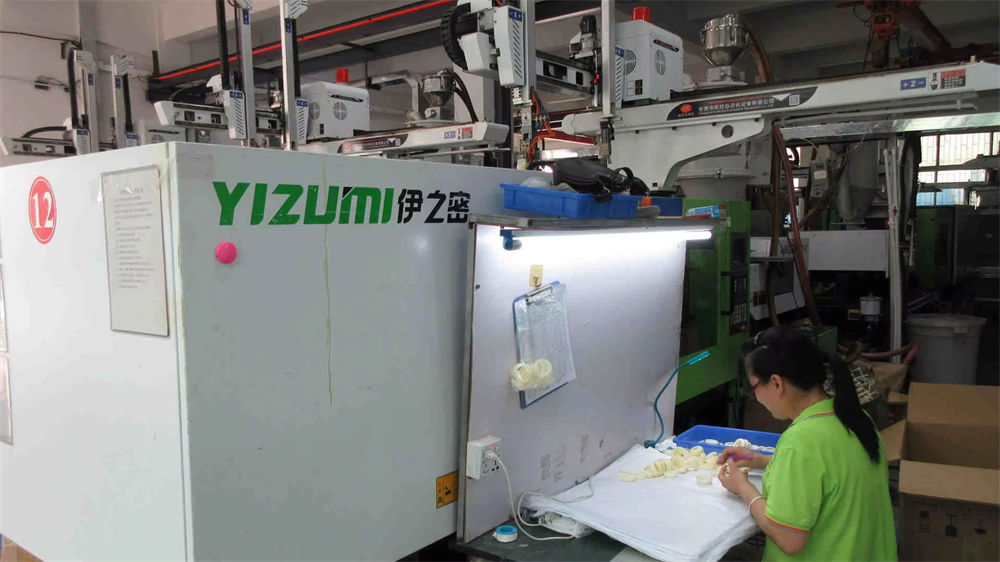
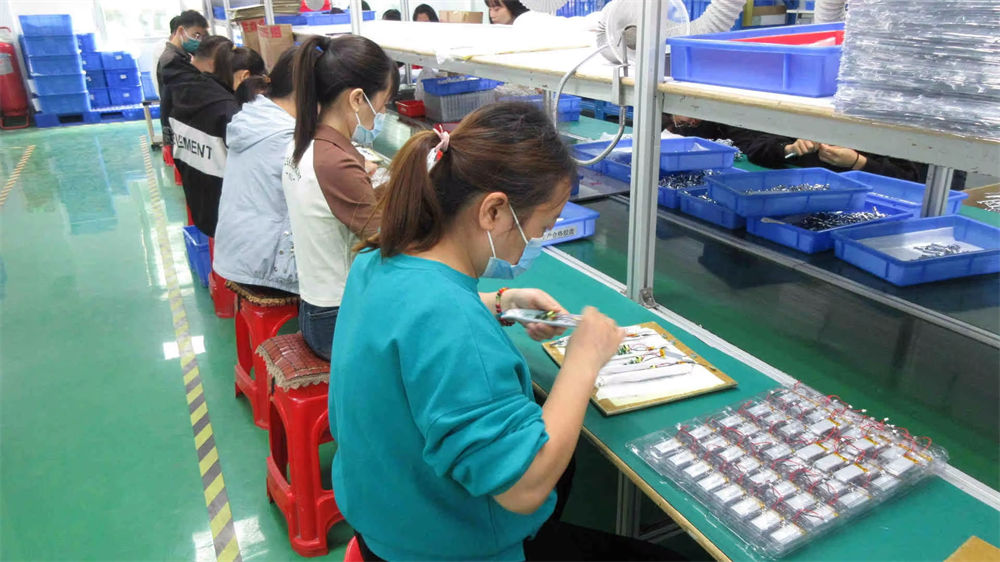
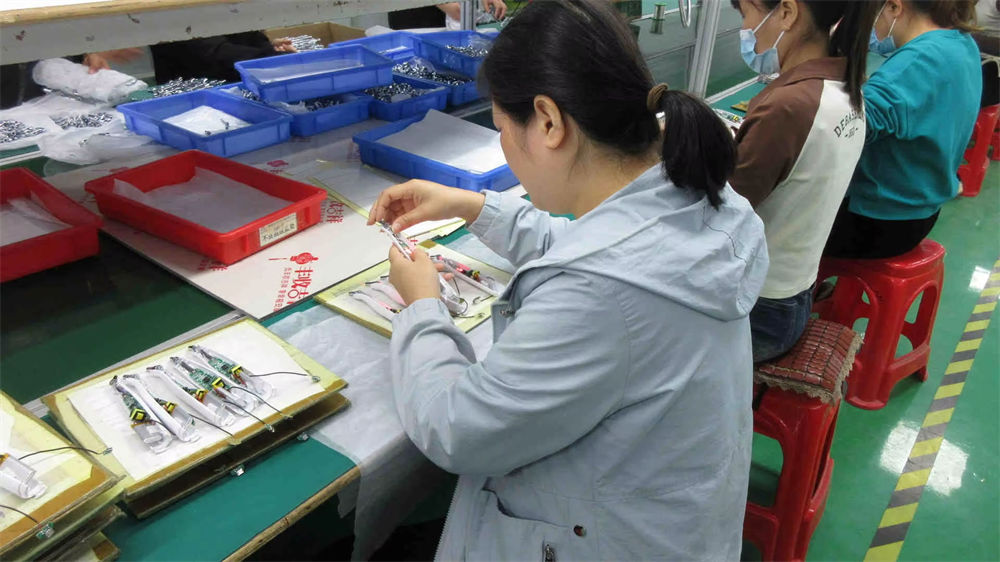
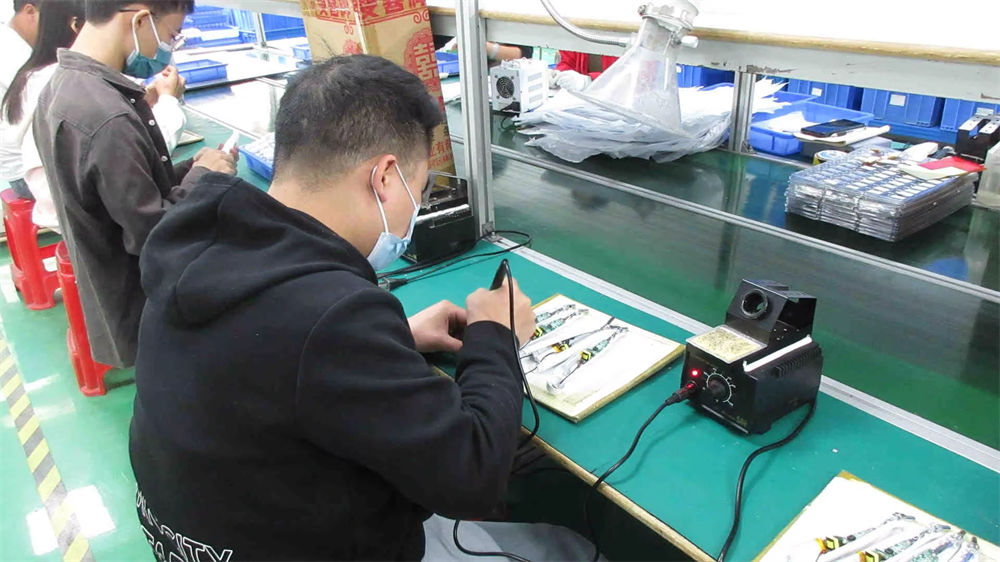
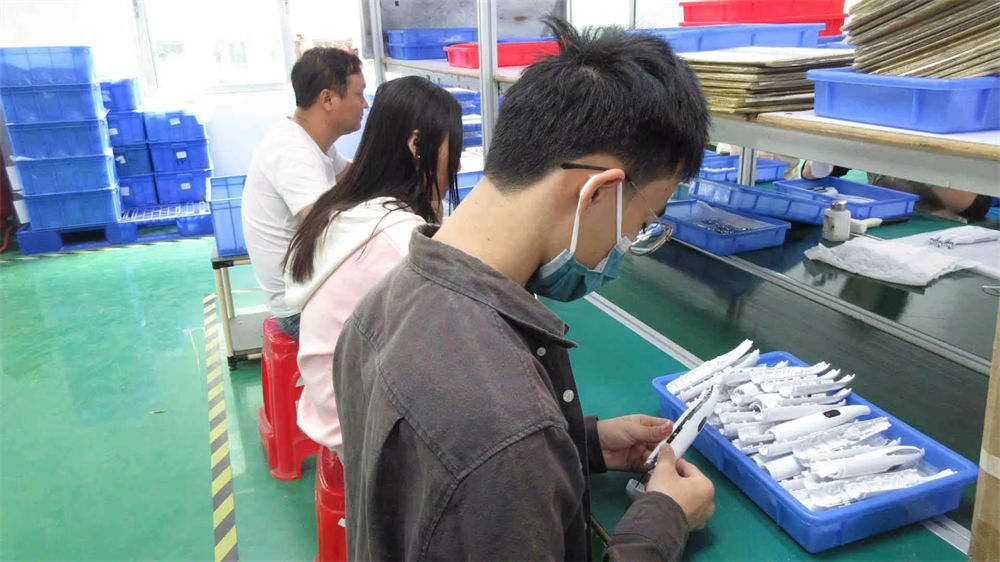
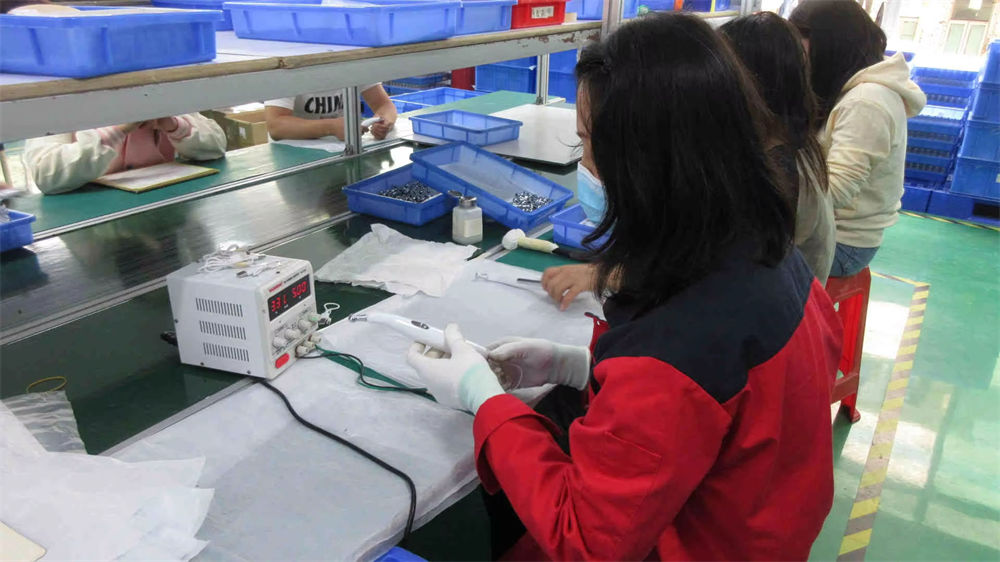
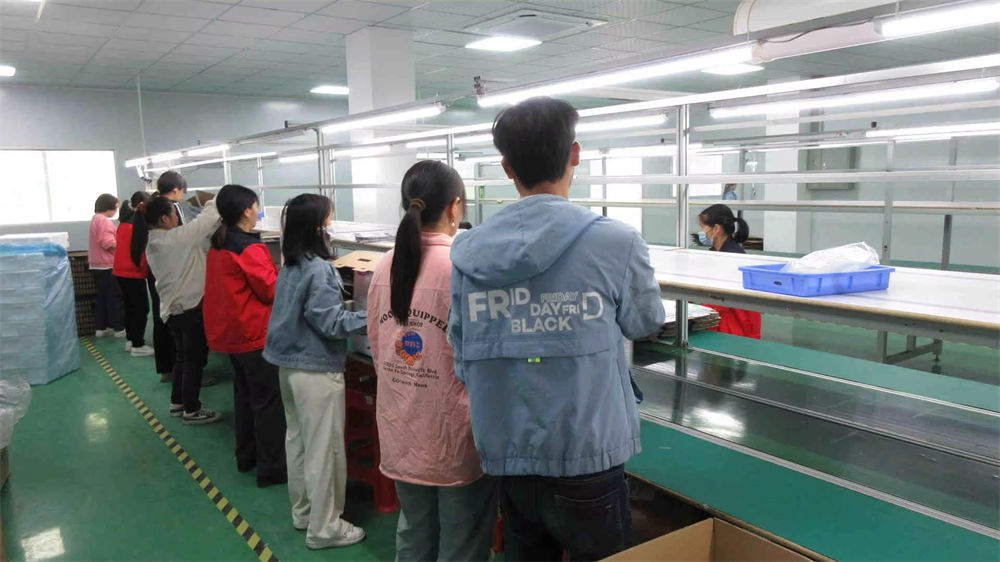
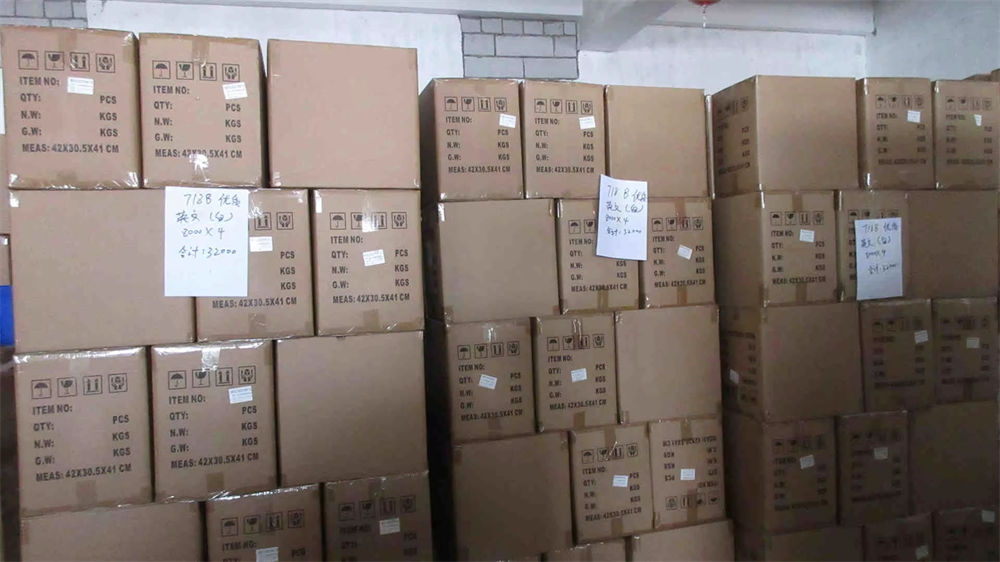
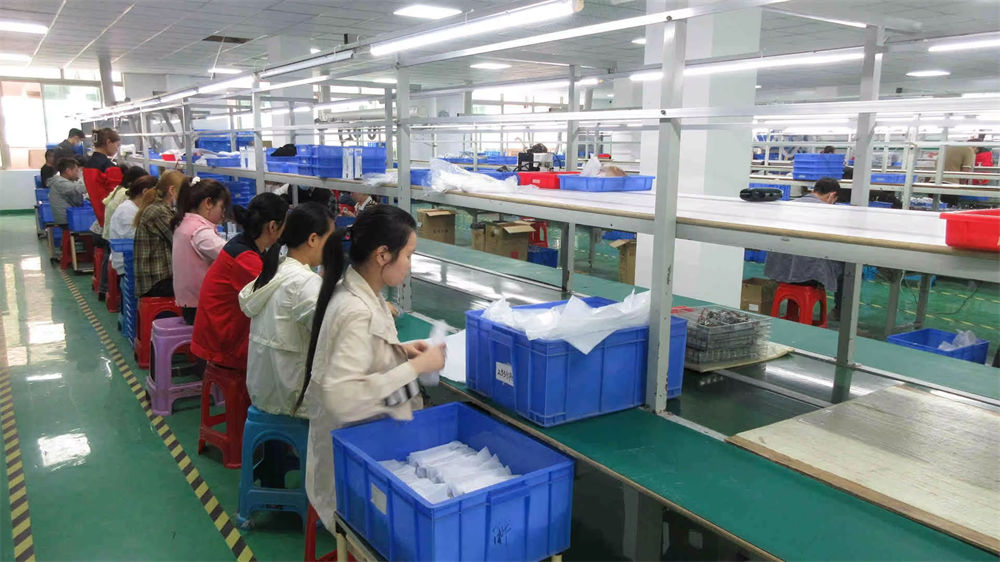
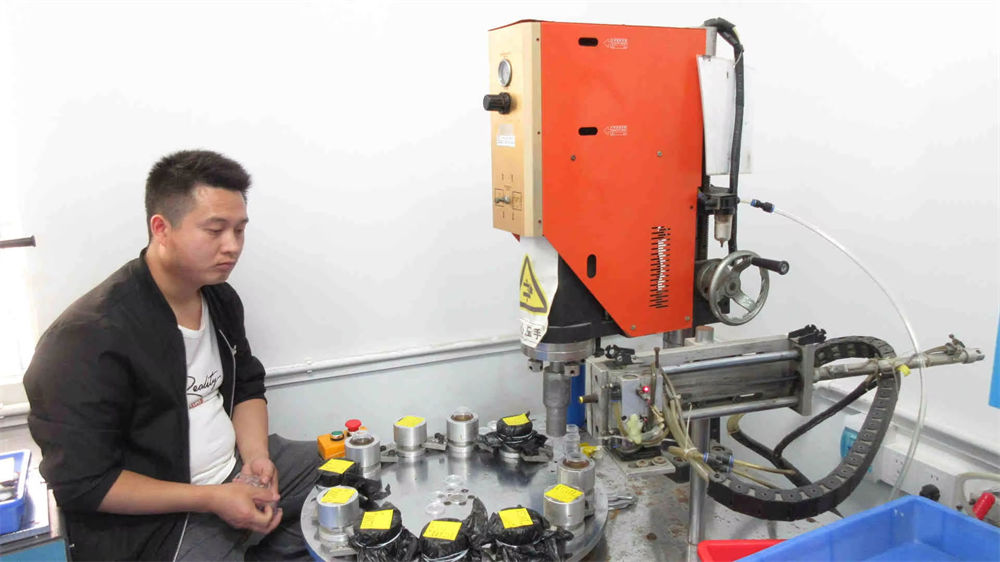
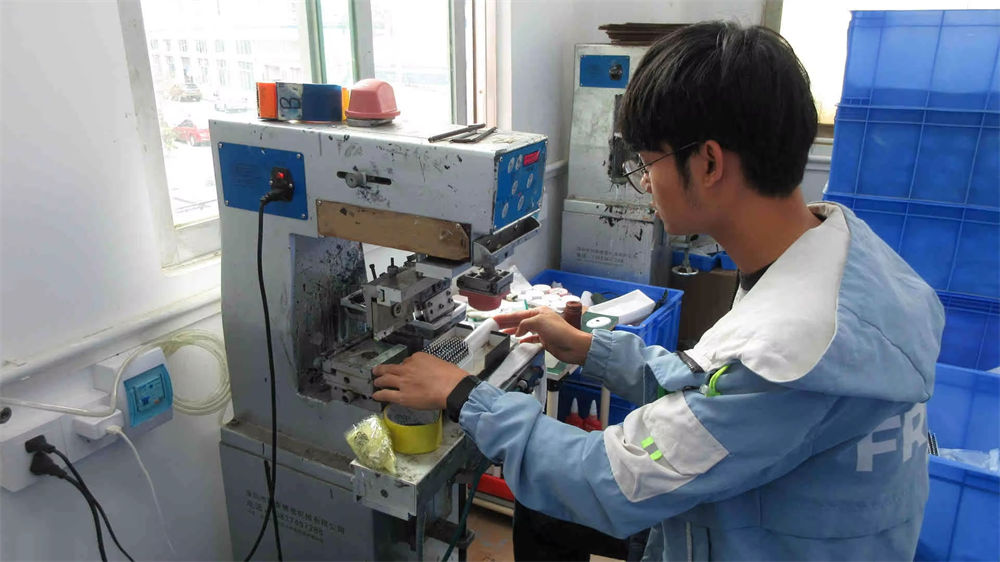
The core capability of BryMax Beauty lies in its vertically integrated manufacturing framework. By controlling every production node—from plastic injection to advanced automated packaging—we eliminate intermediary delays, minimize variance in optical calibration, and achieve unrivaled cost efficiencies. Below is an inspection tour of our modern production floor operating under strict medical-grade QA/QC frameworks.
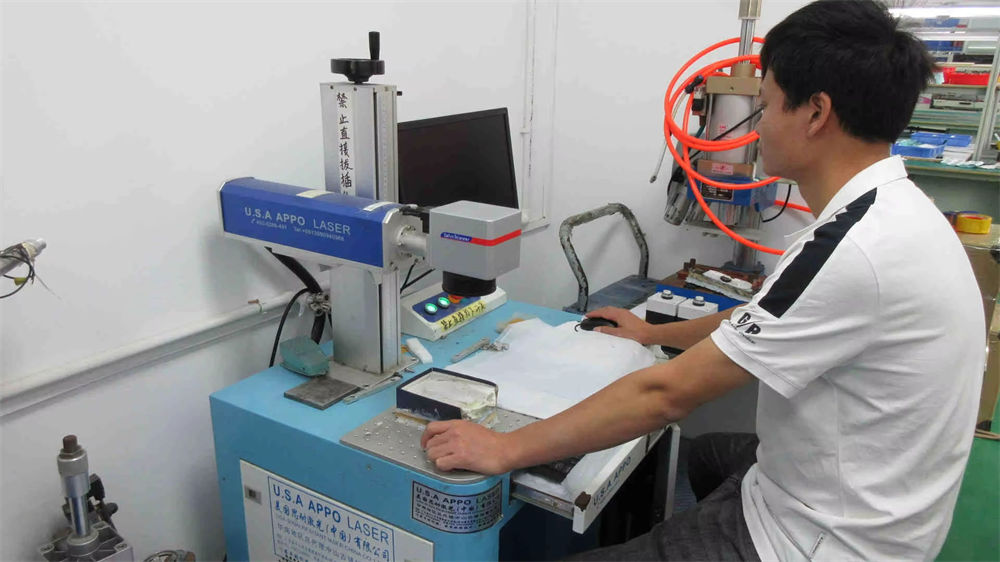
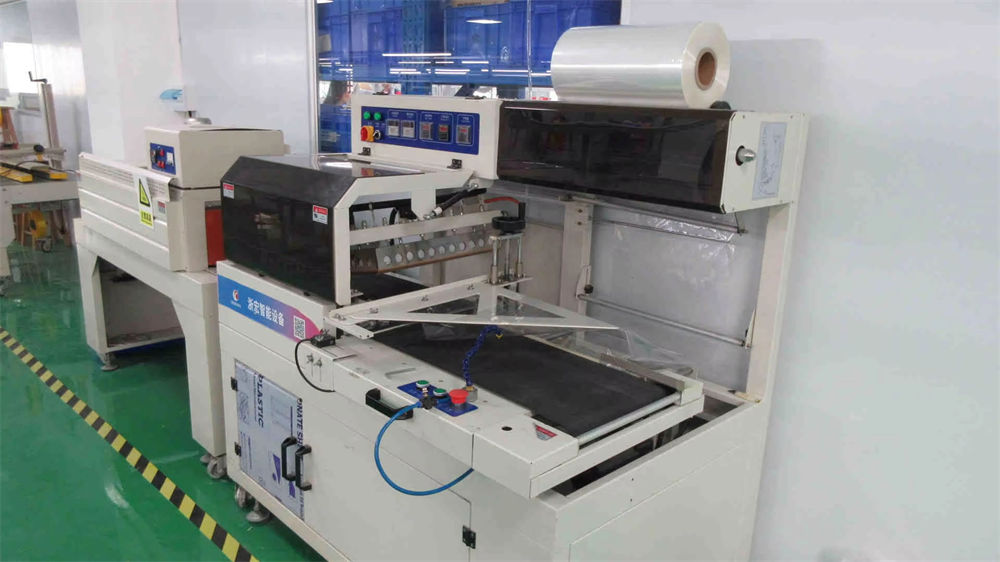
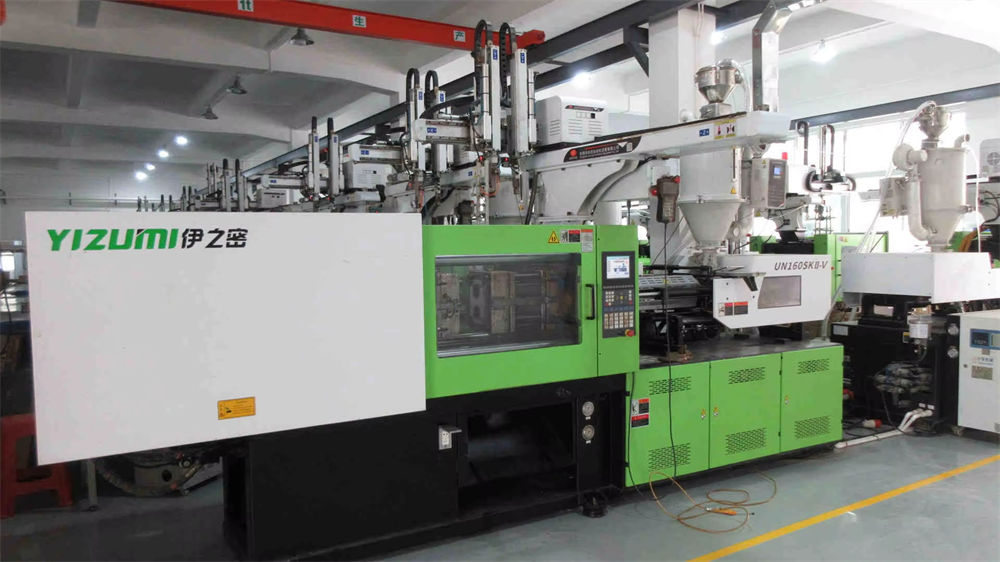
4. Technical Roadmap & Future Outlook of Photobiomodulation
The development of LED therapy light panels is moving rapidly from analog, static-wave illumination platforms to intelligent, adaptive biophotonic systems. Standard red/NIR panels are evolving as client demands grow. Manufacturers are investing heavily in several key technical directions:
Multi-Wavelength Pulsing (PWM)
By modulating the pulse width frequency (from 1Hz up to 10,000Hz), panels can target different skin depth thresholds without overheating surrounding dermal tissues. Frequencies like 10Hz and 40Hz are gaining clinical traction for cognitive and structural cell support.
Polychromatic Customization
Next-generation devices integrate up to 7 distinct spectrums within a single panel: Blue (415nm-460nm) for sebum control, Yellow (590nm) for lymphatic flow, Red (630nm-660nm) for collagen generation, and NIR (810nm-850nm) for muscular recovery.
IoT & App Integration
Intelligent control allows wellness centers and home users to calibrate dosages, schedule protocols, and monitor irradiance via Bluetooth-enabled applications, ensuring precise dose deliveries (measured in Joules/cm²).
5. Macro-Industry Solutions & Commercial Deployments
Modern photobiomodulation (PBM) panels are integrated into macro-level commercial environments, driving revenue for multi-site wellness franchises, specialized medical centers, and consumer-facing retail outlets.
Med-Spa & Dermatological Clinics
Clinics deploy heavy-duty LED panels post-laser resurfacing or microneedling treatments to reduce down-time, minimize erythema, and accelerate dermal reconstruction. High optical irradiance (100mW/cm²+) is paramount here.
Athletic Performance & Physiotherapy Centers
Full-body LED panels are utilized by physical therapists to treat skeletal muscle fatigue, joint stiffness, and deep tendon inflammation. Wavelength configurations prioritize 810nm and 850nm NIR spectrums for maximum tissue penetration.
E-Commerce & OEM Brand Acceleration
For brands launching custom aesthetics lines, sourcing factories with turnkey ODM programs allows for rapid product iterations, bespoke enclosure designs, customized tooling, and fully branded packaging solutions.
6. Localization Support, Global Compliance & Risk Mitigation
Entering international markets with active wellness products requires meeting strict regulatory barriers. Without proper international compliance, distributors face customs delays and regulatory fines. Selecting a factory with localized compliance support is vital for smooth market access.
- FDA 510(k) Cleared Facilities: For US market operations, ensuring light panels are registered as Class II medical devices or general wellness equipment is critical to legal importation.
- EU Medical CE (MDR Compliance): The transitions from MDD to MDR require stringent clinical evaluations, technical files, and post-market surveillance structures for phototherapy devices.
- CB & PSE Certifications: Essential for accessing the East Asian and Japanese markets, certifying electrical safety, insulation resistance, and low harmonic distortion.
- EMF Shielding Safeguards: High-quality factories design power supplies with isolated DC-to-DC converters, lowering electromagnetic field emissions to safe, near-zero levels at standard treatment distances.
7. Global Enterprise B2B Procurement Decision Framework
Procuring LED therapy panels requires auditing several technical features beyond aesthetic design. Use this checklist to verify supplier capabilities:
Spectral Irradiance Calibration
Demand spectrometer test reports (using instruments like the Asensetek or Ocean Optics spectrometers) taken at 6 inches and 12 inches. Do not rely on basic solar power meters, which tend to artificially inflate light density metrics.
Thermal Management
High-power LED chips emit significant heat. Ensure the factory uses thick aluminum PCB boards, high-speed whisper-quiet cooling fans, and robust structural heat sinks to keep LED junctions below 60°C, extending their operational lifespan.
Custom LED Beam Angles
Opt for 30-degree or 60-degree secondary convex lenses. These focus the light output to reduce energy dispersion, ensuring optimal energy absorption by the skin compared to standard wide-angle flat LEDs.
8. Frequently Asked Questions (FAQ) & Procurement Insights
For clinical applications, an irradiance between 80 mW/cm² and 120 mW/cm² at a distance of 6 inches is ideal. This delivers therapeutic energy levels without inducing heat stress in the skin. Manufacturers should provide independent test data with spectrometers to verify these values.
660nm (Red Light) is absorbed by the skin's outer layers, making it excellent for collagen production, skin texture, and superficial healing. 850nm (Near-Infrared Light) penetrates deeper into muscle and bone tissue to help reduce deep tissue inflammation, support muscle recovery, and alleviate joint pain.
High-quality manufacturers implement shielding on their internal transformers and power adapters. Buyers should request EMC (Electromagnetic Compatibility) certificates and test reports demonstrating 0.0 uT emissions at standard treatment distances (3-6 inches).
Elite manufacturers offer custom spectrum mixes, customized LED lens angles (e.g., 30° for high density, 60° for coverage), unique housing colors, integrated touch control screens, custom stand designs, and app/control integration.
Advanced Phototherapy & Skin Care Equipment (Group B)
-
Smart Folding Hand Held PDT LED Light Therapy Machine 7 Color Light Hot/Cold Steam For Face AU Plug Compatible Professional Spa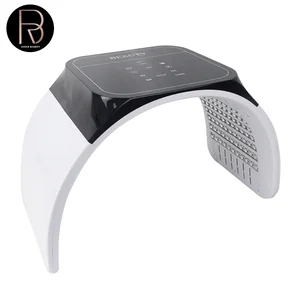
-
Skin Care Ultrasonic Facial Cleansing Brushes Electric Face Scrubber Silicone Cleaner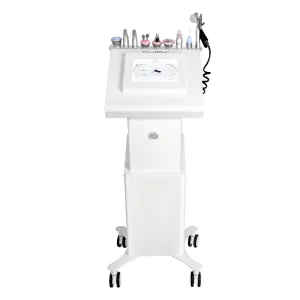
-
5 in 1 Facial Pore Deep Cleaning Electric Rechargeable Lithium Battery Vacuum Suction Blackhead Remover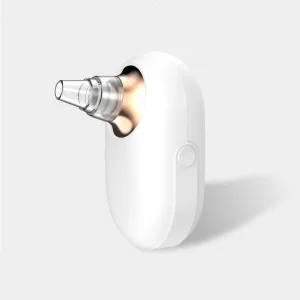
-
7 Colors LED Mask Face Neck Photon LED Light Therapy for Skin Rejuvenation Collagen Wrinkle Facial Skin Care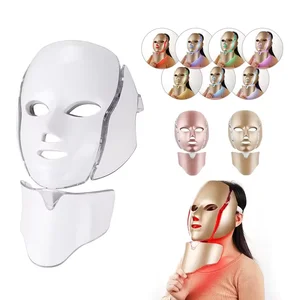
-
Professional Anti-aging BIO Microcurrent Face Lift Facial Machine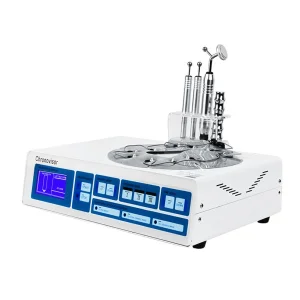
-
OEM/ODM Multifunctional Skin Tightening Face Lifting Beauty Device For Home Use Beauty Tools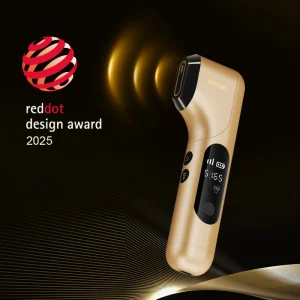
-
Medical CE Approve 10600nm Vaginal Tightening Co2 Fractional Laser Machine OEM Portable Best RF Fractional Co2 Laser Price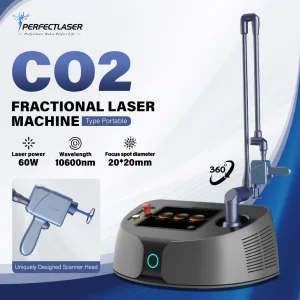
-
Portable Electric 5in1 Scrub Deep Pore Cleaner Facial Cleansing Brush