Global Skincare Tech: Top-Tier Professional Equipment
Explore our top-performing medical-grade and home-use beauty devices, featuring advanced microcurrent, high-frequency, and fractional laser technologies.
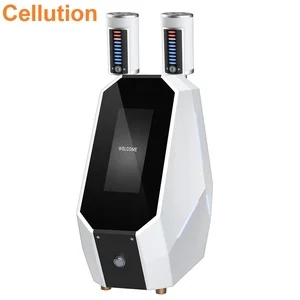
2024 Skin Face Lift Roller Anti Wrinkle Ems Facial Deep Cleansing Remover Microcurrent Facial Toning Device
Inquire Now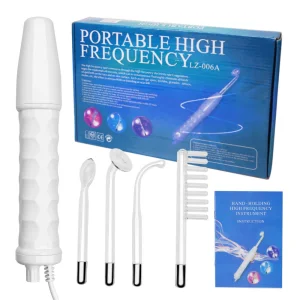
Kks Portable 4 in 1 High Frequency Electrotherapy Handheld Facial Wand Multi-Function Beauty Device for Face & Head with US Plug
Inquire Now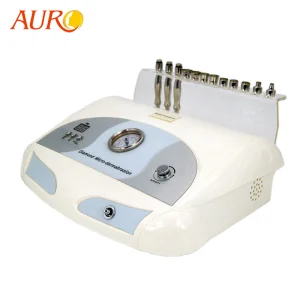
OEM ODM Diamond Microdermabrasion Machine Blackhead Remover Diamond Tip Facial Cleansing Skin Rejuvenation Instrument
Inquire Now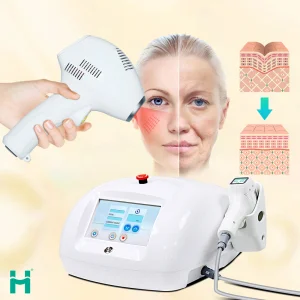
2025 Latest 1470nm Fractional Laser 1470 Nm For Skin Tightening Wrinkle Removal Machine 1470 Nm Beauty Laser
Inquire Now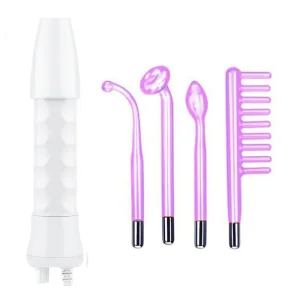
Home Use High Frequency Facial Wand Acne Treatment High Frequency Wand For Hair
Inquire Now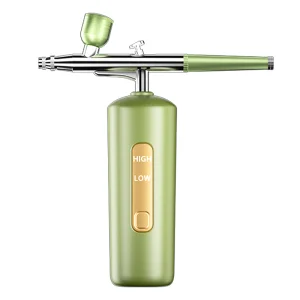
High-Pressure Nano Hydrating Facial Moisturizing Beauty Device Set Hot-Selling Handheld Oxygen Injector Facial Steamer for Home
Inquire Now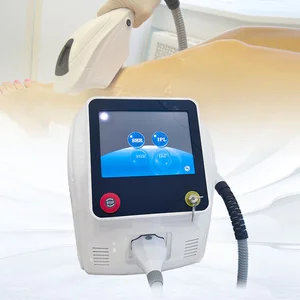
Ice Cooling Portable Epilator IPL Laser Hair Removal Machine Permanent Painless Laser Hair Removal
Inquire Now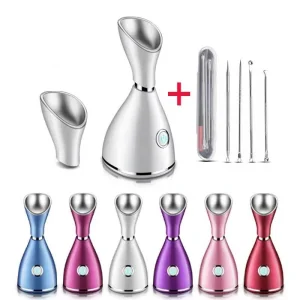
2023 Professional Face Spa Electric Nano Mini Mist Sprayer Face Facial Steamer With Warm Vapor
Inquire Now1. Global Trends in Electric Facial Peel Technology
The integration of medical science and personal care is revolutionizing non-invasive aesthetic treatments.
The global market for skincare technology is shifting rapidly from standard mechanical exfoliation (basic scrubs and manual brushes) toward energy-based and hydrodynamic resurfacing solutions. Today’s consumers expect clinical-level results at home, which has driven massive research and development into microcurrent electrostimulation, high-frequency disinfection, and fractional thermal therapies.
Modern Electric Facial Peel Devices serve a dual purpose: removing outer dead skin layers (epidermal desquamation) while simultaneously encouraging cellular recovery through advanced modalities. Professional buyers must navigate complex technologies such as:
- EMS & Microcurrents: Low-voltage currents that mirror the body’s natural electrical impulses, stimulating muscle tone and collagen production.
- 1470nm Fractional Lasers: Concentrated wavelengths targeted at water molecules in the dermis, generating controlled thermal micro-zones for rapid cellular renewal.
- Hydrodermabrasion & Diamond Peeling: Vacuum-assisted fluid infusion coupled with diamond tips to peel skin mechanical-chemically without irritation.
Market Distribution & Share
Analysis of B2B purchase orders indicates that demand for integrated units—combining exfoliation, EMS, and thermal stimulation—has grown by 42% year-over-year. Geographically, North America and Western Europe remain the primary consumers, while Eastern Europe, Asia-Pacific, and the Middle East are experiencing the fastest scaling rates in professional spa networks.
2. Deciphering Global B2B Purchasing Intent & Criteria
Critical technical compliance, certification guidelines, and mechanical factors sourcing agents must prioritize.
International Certifications
Cross-border beauty tech requires strict compliance. Sourcing partners must guarantee FDA clearance for the US market, CE-MDD/MDR for European health requirements, PSE for Japan, and regional registrations like S-FDA for the Middle East and NMPA for China.
Biocompatibility & Engineering
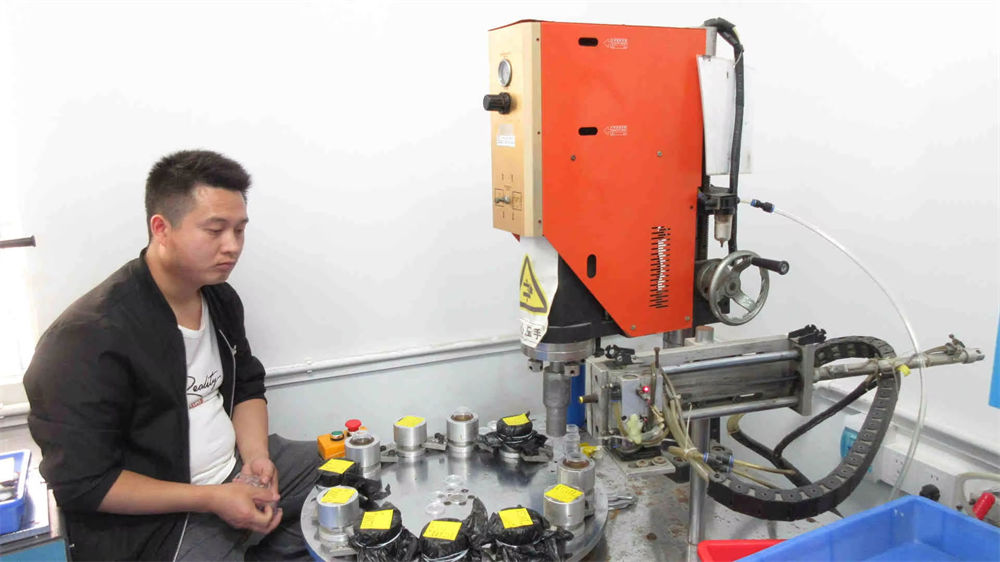
Skin-facing surfaces must use non-toxic, hypoallergenic medical-grade silicone, medical stainless steel, or gold plating. Ultrasonic sealing prevents liquid penetration into sensitive electrical cavities, securing IPX7 waterproof ratings.
Supply Chain Reliability
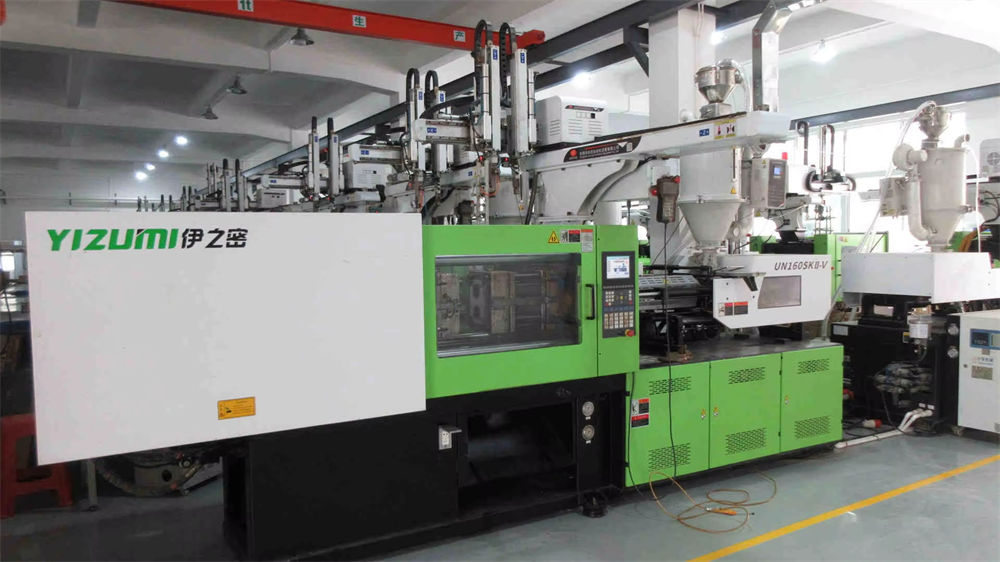
B2B buyers face immense pressure regarding time-to-market. Evaluating factories based on integrated plastic injection molding, PCB surface-mount assembly, and ISO 13485 cleanroom capabilities mitigates manufacturing bottleneck risks.
Manufacturing Powerhouse: Dongguan BryMax Beauty Co., Ltd.
Dongguan BryMax Beauty Co., Ltd. is a national high-tech enterprise dedicated to the research, development, production, and global distribution of cutting-edge household beauty and personal care devices. Our extensive product portfolio includes laser hair removal instruments, facial care devices, hair dryers, and other innovative small household appliances, all designed to improve the quality of everyday life and promote personal wellness.
Driven by a commitment to technological innovation and product excellence, BryMax Beauty has secured numerous design patents and globally recognized certifications, including NMPA certification in China, FDA certification in the United States, PSE certification in Japan, CE certification in the European Union, and S-FDA certification in the Middle East. Our products enjoy strong sales in over 30 countries and regions, earning widespread acclaim from customers and industry partners alike.
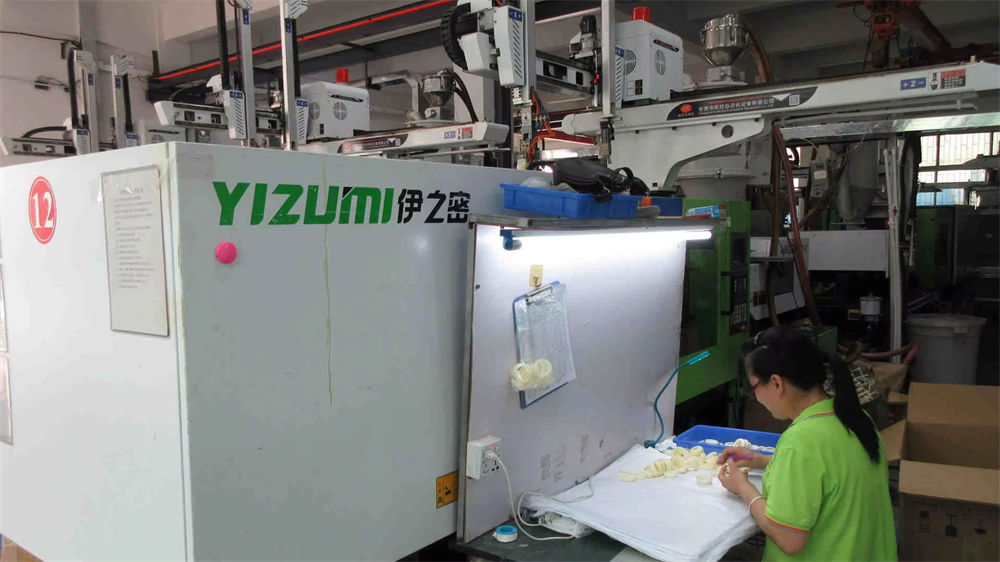
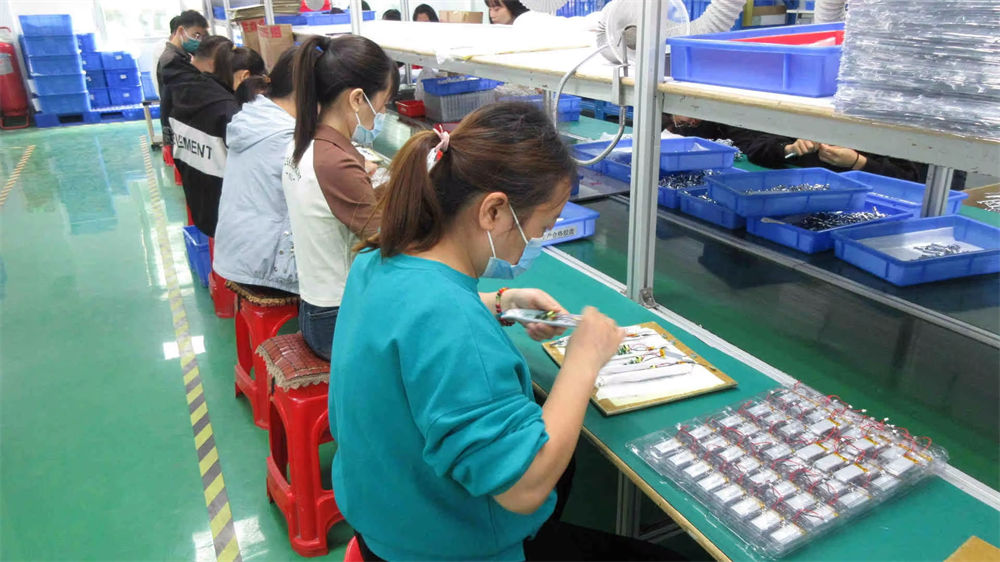
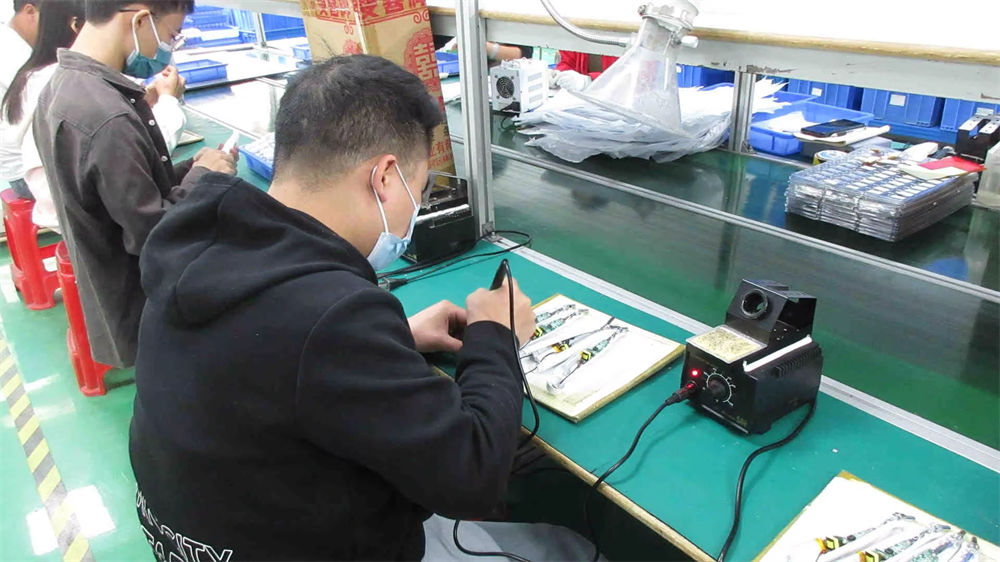
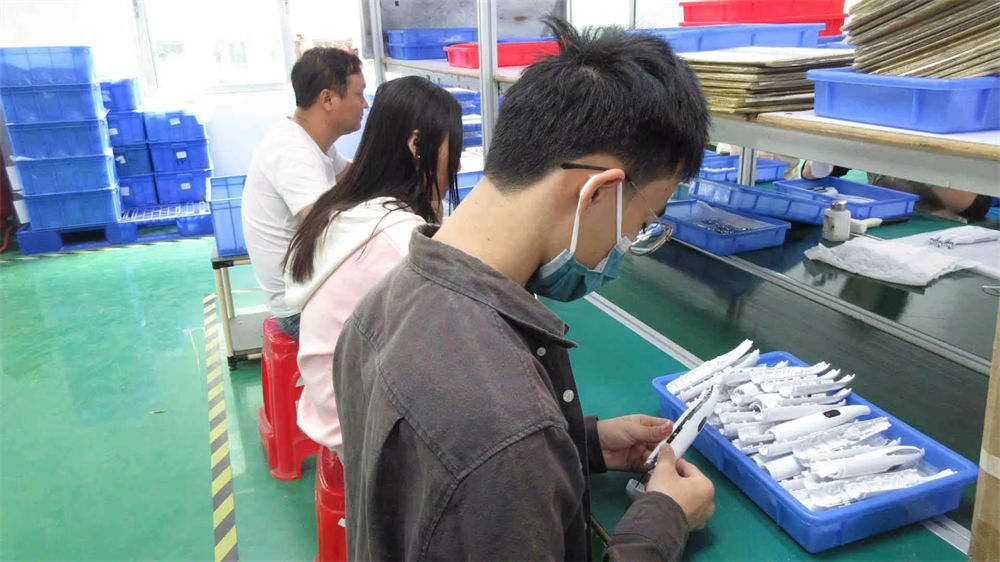
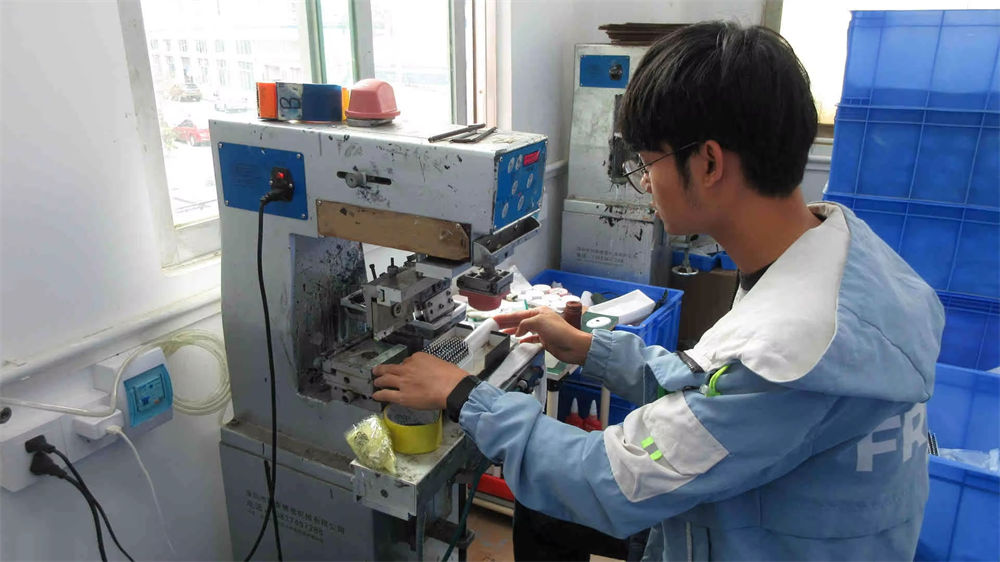
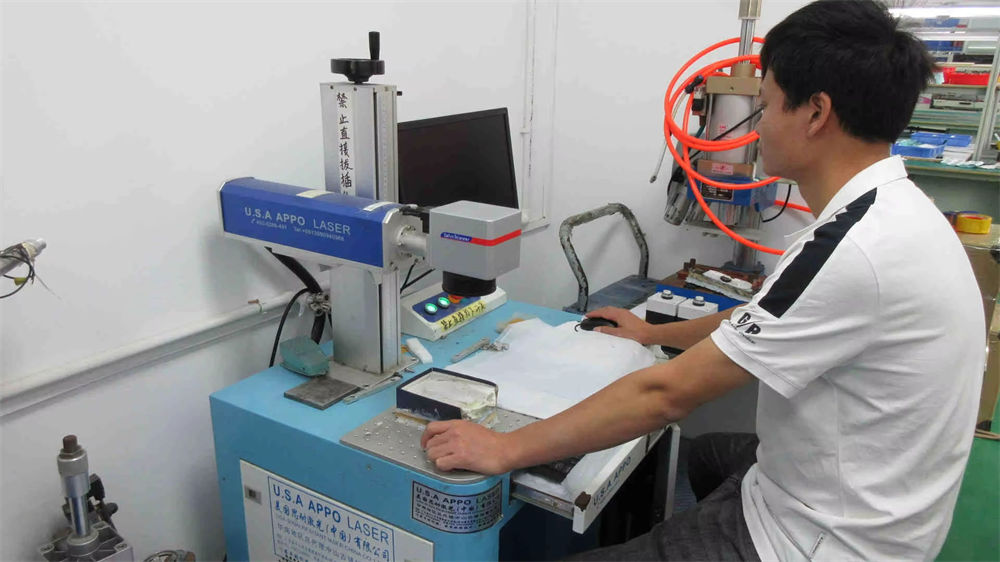
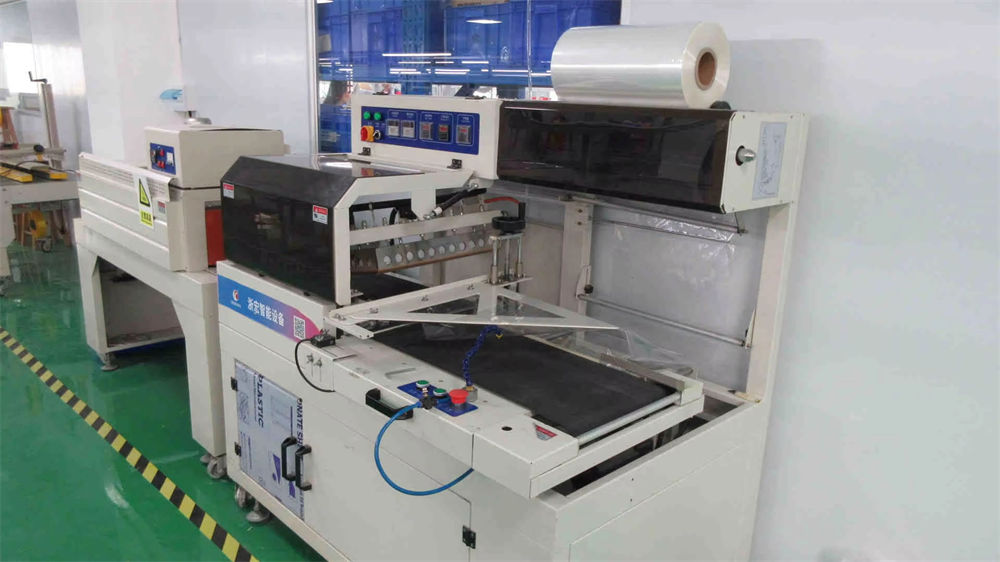
Our advanced manufacturing center is constructed entirely in accordance with medical device standards, ensuring the highest levels of precision, reliability, and safety. BryMax Beauty emphasizes rigorous quality control at every stage of production, from design and development to manufacturing and after-sales service, ensuring that every product meets international standards and exceeds customer expectations.
China Factory 4.0: Production Flow & Smart Operations
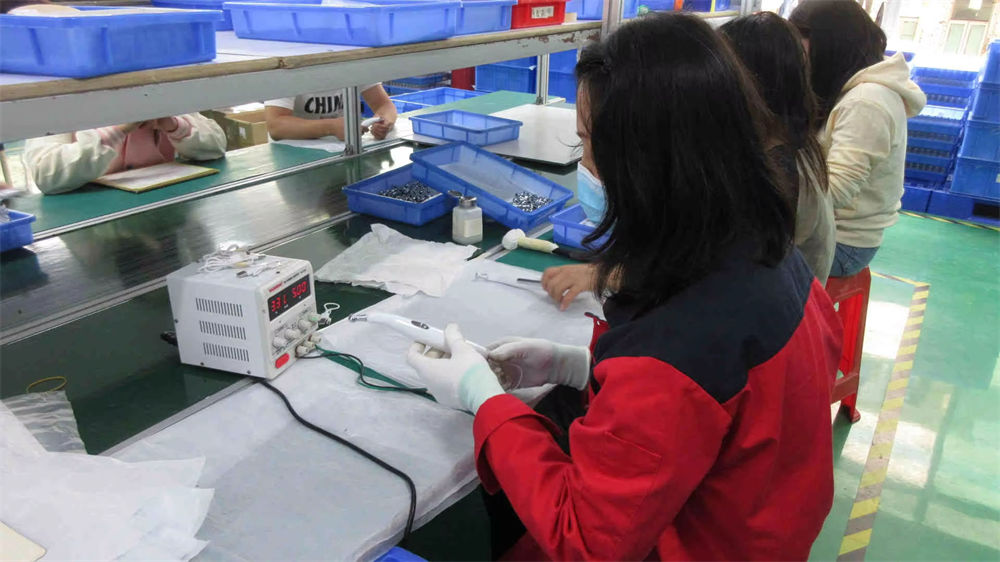
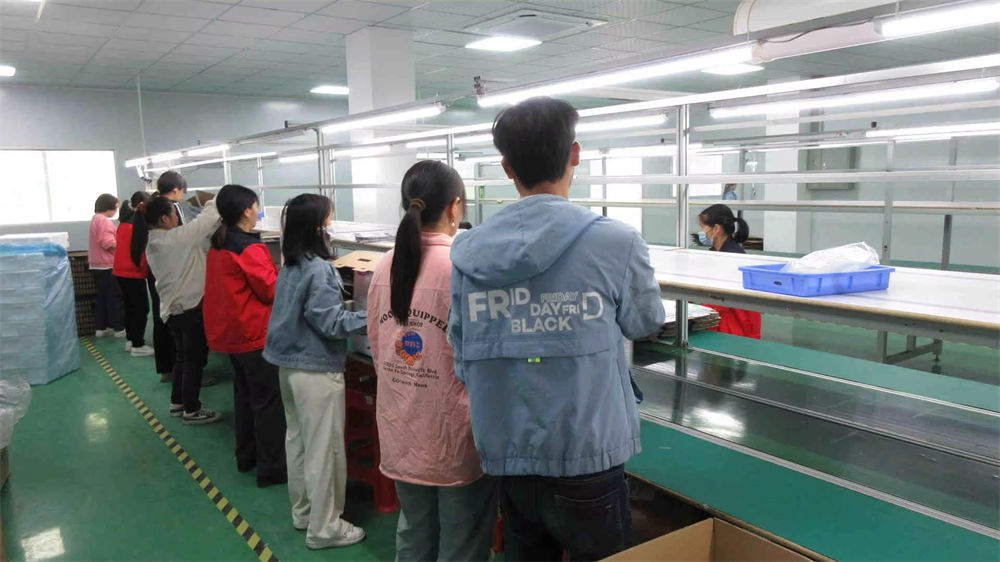
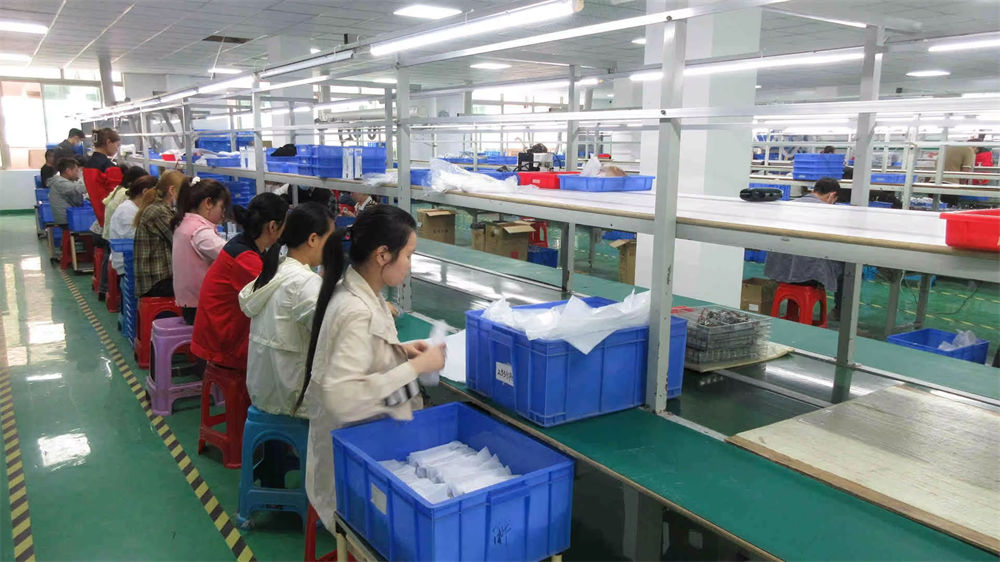
BryMax's production floor demonstrates supply chain resilience through automated processing, microscopic inspection, and comprehensive quality control loops.


3. Localized Application Scenarios & Channel Strategies
Aligning high-performance devices with regional consumer segments and distribution platforms.
Medical Spas & Aesthetic Clinics
For clinical environments, devices must offer precise level control. Fractional lasers (like the 1470nm systems) and hydrodermabrasion stations serve as primary treatments before chemical product delivery. The goal is removing the stratum corneum barrier to boost chemical absorptivity by over 300%.
DTC E-commerce & Retail Brands
Portable devices like high-frequency facial wands and microcurrent face-lifting rollers must prioritize consumer ease-of-use. Rechargeability, ergonomic shapes, and attractive colorways (such as pearl whites and metallic purples) drive organic growth on social platforms.
Scalp Care & Anti-Aging Salons
High-frequency wands with argon and neon gas attachments are increasingly adopted by professional salons for scalp therapy. By creating trace levels of localized ozone, these systems improve follicle cleanliness and stimulate microcirculation to slow hair thinning.
Industrial & Advanced Skin Treatment Equipment
Advanced equipment systems optimized for professional distributors and specialized medical clinics globally.
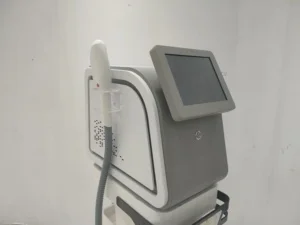
2 in 1 IPL Intense Pulse Light Q Switched Nd Yag Laser Carbon Laser Peel Hair Tattoo Removal Machine Face Cleaning Brush
Inquire Now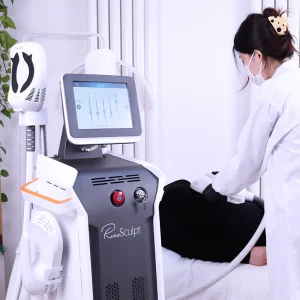
Renasculpt RF Slimming Ems Body Sculpting Machine Neo 4 5 Handles
Inquire Now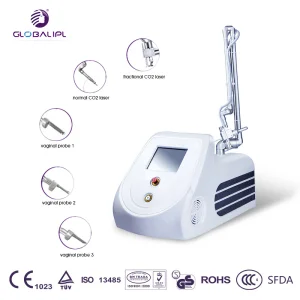
Vagina Tightening Most Acne Scar Treatment CO2 Fractional Laser Device
Inquire Now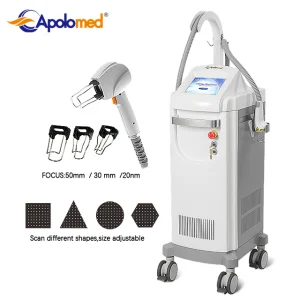
Acne Treatment 25~3025 PPA/Cm² (12 Level) Wrinkle Remover Hair Growth Skin Resurfacing Device
Inquire Now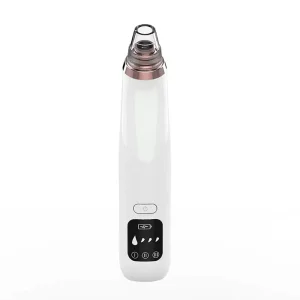
Top Rated Cleanser Electric Suction Facial Extractor Blackhead Vacuum Remover
Inquire Now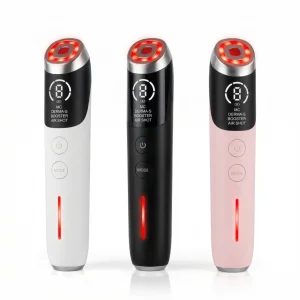
OEM 6 In 1 Age Booster Skin Care Facial Wand Glow Booster Beauty Device Skin Care Tools Anti Aging Microcurrent Lift Face Care
Inquire Now
Multifunction Elight Ipl Opt Super Hair Removal Skin Rejuvenation Ipl Laser Hair Removal Machine
Inquire Now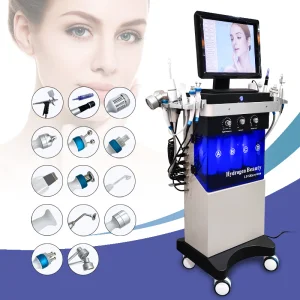
14 In 1 Oxygen Jet Diamond Peeling Deep Cleaning Facial Machine Water Facial Micro Dermabrasion Hydrodermabrasion Facial Machine
Inquire Now4. Comprehensive Industry Q&A (FAQ)
Answers to technical and regulatory questions about B2B sourcing of electric facial peel systems.
How do electric facial peel devices compare to chemical exfoliation?
Electric facial peel devices use physical exfoliation mechanisms (like ultrasonic vibrations, microdermabrasion diamond tips, and vacuum pressure) or physical light-wave energy (lasers). Unlike chemical acids, physical exfoliation allows for targeted control over penetration depth. This avoids chemical burns and reduces down-time, making physical peel devices highly suitable for sensitive skin and regular maintenance.
Which regulatory certifications are required to import beauty devices into the EU and US?
To enter the United States market, devices must have FDA registration (specifically 510(k) clearances for Class II laser/light devices) and FCC certification for electrical emissions. For the European Union, CE marking (under the Medical Devices Regulation MDR 2017/745 or the Low Voltage Directive LVD depending on classification) is mandatory, along with RoHS compliance to limit hazardous substances.
How does Dongguan BryMax Beauty ensure design IP protection during OEM/ODM manufacturing?
We protect client intellectual property through legal frameworks and technical security. We sign mutual Non-Disclosure Agreements (NDAs) before discussing any project details. Internally, we run isolated project databases, secure R&D workspaces, and code-controlled injection molding lines to prevent external design exposure.
What is the typical B2B lead time and minimum order quantity (MOQ) for customization?
Standard factory MOQs for custom silk-screen branding and custom retail boxes start at 1,000 units. For full structural ODM projects (involving plastic injection molding updates and customized PCB designs), the initial development cycle is typically 60 to 90 days. Repeat bulk production run times average 25 to 35 days, depending on material supply schedules.
How does high-frequency electrotherapy aid in acne treatment and hair growth?
High-frequency wands use low-current, high-frequency electric currents passed through glass tubes filled with Argon or Neon gas. When applied to the skin, this energy ionizes the surrounding air, generating trace amounts of oxygen and ozone. These gaseous byproducts act as sanitizing agents that target acne-causing bacteria. When applied with comb attachments, the localized electrical stimulation dilates capillary networks, delivering oxygen and essential nutrients directly to the hair follicles.
Why is 1470nm laser wavelength considered superior for non-invasive skin tightening?
The 1470nm fractional laser targets water molecules in the dermis. This wavelength balances skin absorption and tissue penetration depth. The controlled thermal micro-zones stimulate wound healing responses without damaging the outer epidermis. This trigger induces neocollagenesis, leading to structural skin remodeling and tightening with minimal down-time compared to traditional ablative CO2 lasers.