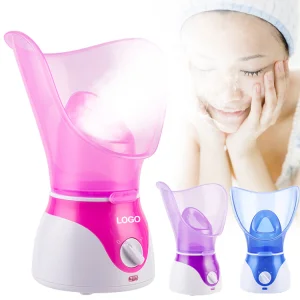
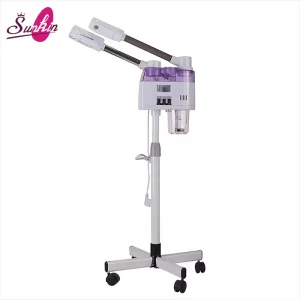
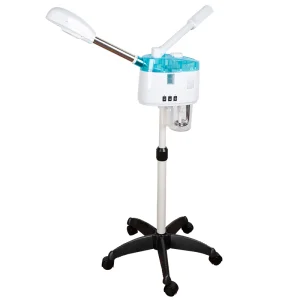
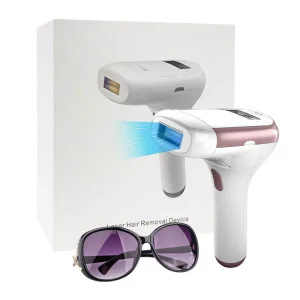
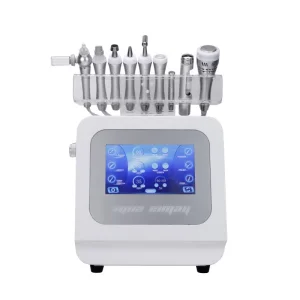
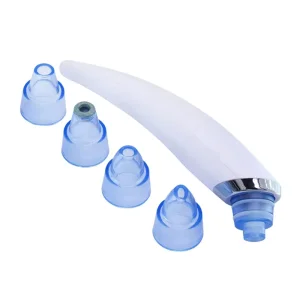
Featured Smart Skincare & Beauty Solutions
Explore our premium factory-direct personal care electronics engineered for global compliance and performance.
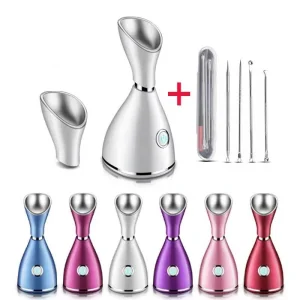
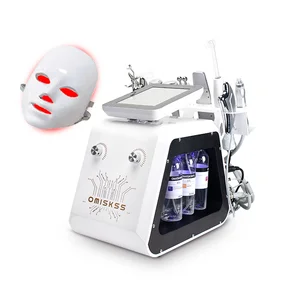
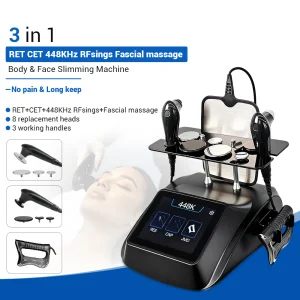
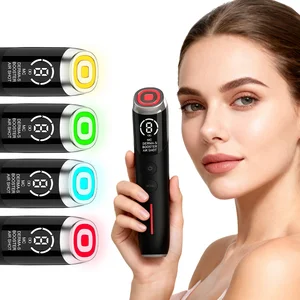
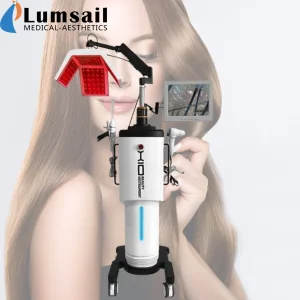
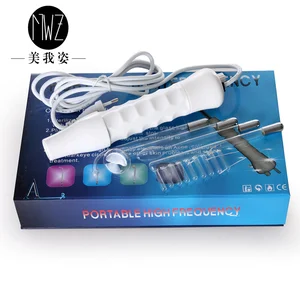
Global Cosmetic Fridge Industry Development Trends
How the convergence of clean beauty formulas and IoT technology is reshaping temperature-controlled skincare storage.
The Rise of Clean Beauty & Preservative-Free Formulations
The global cosmetics industry is witnessing a structural shift toward "clean," organic, and preservative-free ingredients. Probiotics, retinol, vitamin C, and custom botanical serums are highly unstable when exposed to ambient heat, light, and humidity. Consequently, temperature-controlled preservation has transformed from a niche luxury lifestyle trend into a fundamental skincare requirement.
"Without temperature stabilization, active ingredients like Retinol and L-Ascorbic Acid can degrade up to 40% faster within standard ambient temperatures (25°C-30°C)."
Manufacturers are adapting by shifting production lines from simple thermoelectric coolers to micro-compressor or Peltier-driven precise heating and cooling cells that maintain a constant range between 8°C and 12°C. This specific thermal range prevents product crystallization and stabilizes delicate emulsion structures.
Smart IoT Integration and Eco-Friendly Cooling
Cosmetic storage is no longer passive. Modern industrial requirements include smart diagnostic systems, Bluetooth/Wi-Fi pairing, and humidity control to prevent mold formulation within damp bathroom environments. Next-generation factories are prioritizing the following architectural standards:
- Intelligent Humidity Management: Automated sensors that eliminate internal dew condensation.
- Ultra-Low Decibel (dB) Soundscapes: Silent fans keeping operational noise levels under 30dB for bedroom placement.
- Eco-Conscious Thermoelectrics: Complete phase-out of ozone-depleting gases, utilizing R600a or solid-state Peltier modules.
- UV-C Sterilization: Built-in sanitizing cycles to prevent bacterial buildup on applicator tools and jar lids.
Global B2B Sourcing Intent & Technical Requirements
Evaluating manufacturers on hardware durability, thermal calibration, and international regulatory certifications.
Thermal Calibration Stability
Enterprise buyers mandate strict thermal tolerance testing. Skincare fridges must maintain an internal temperature deviation of less than ±1.5°C under external humidity environments ranging up to 80% and temperatures up to 35°C.
Regulatory Compliance
Global brands must secure certifications for target consumer markets. Key validation protocols include FCC and UL (North America), CE and RoHS (European Union), PSE (Japan), and KC (South Korea) to assure electrical safety.
Custom OEM/ODM Modular Tooling
Proprietary branding relies on private mold modifications. Leading manufacturers provide customizable inner layouts (movable shelves, door baskets), bespoke exterior finishes (matte, high gloss, metallic), and custom-branded LED panels.
China Factory 4.0: Dongguan BryMax Supply Chain Powerhouse
Empowering global beauty brands through high-precision manufacturing, medical-grade quality, and robust supply chain speed.
Dongguan BryMax Beauty Co., Ltd.
Dongguan BryMax Beauty Co., Ltd. is a national high-tech enterprise dedicated to the research, development, production, and global distribution of cutting-edge household beauty, personal care, and specialized cosmetics storage devices. Located in Dongguan, China’s industrial heartland, we leverage a hyper-integrated manufacturing cluster that guarantees raw material security, rapid prototyping, and unmatched scalability.
Driven by technological innovation, BryMax Beauty has secured numerous design patents and globally recognized certifications, including NMPA (China), FDA (USA), PSE (Japan), CE (European Union), and S FDA (Middle East). Our products are exported to over 30 countries, providing B2B buyers with high-performance product solutions.
"Our advanced manufacturing facility is designed and operated under medical device standards, ensuring that every batch of beauty appliances meets strict safety and quality criteria."
Advanced Automation & Rigorous QC Protocols
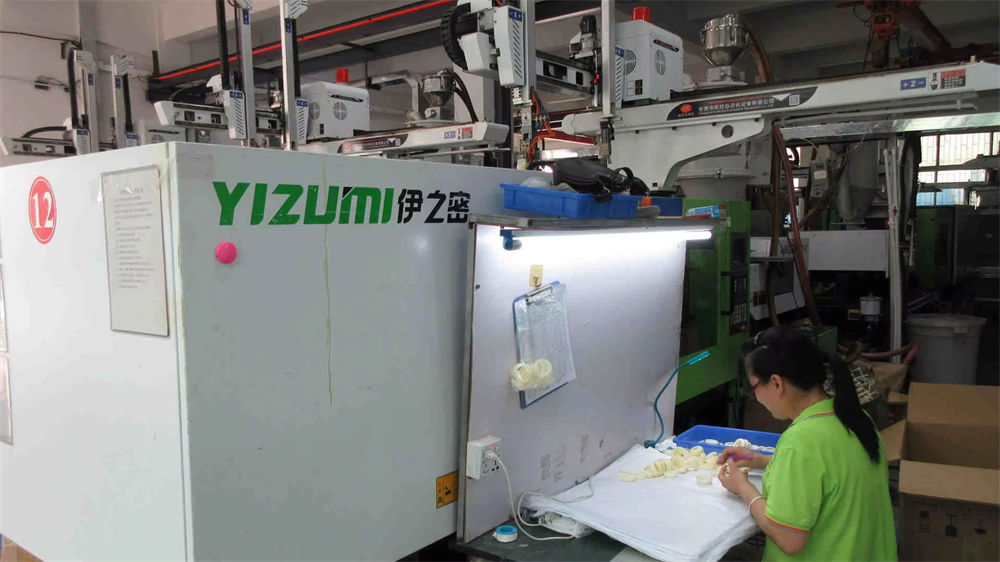
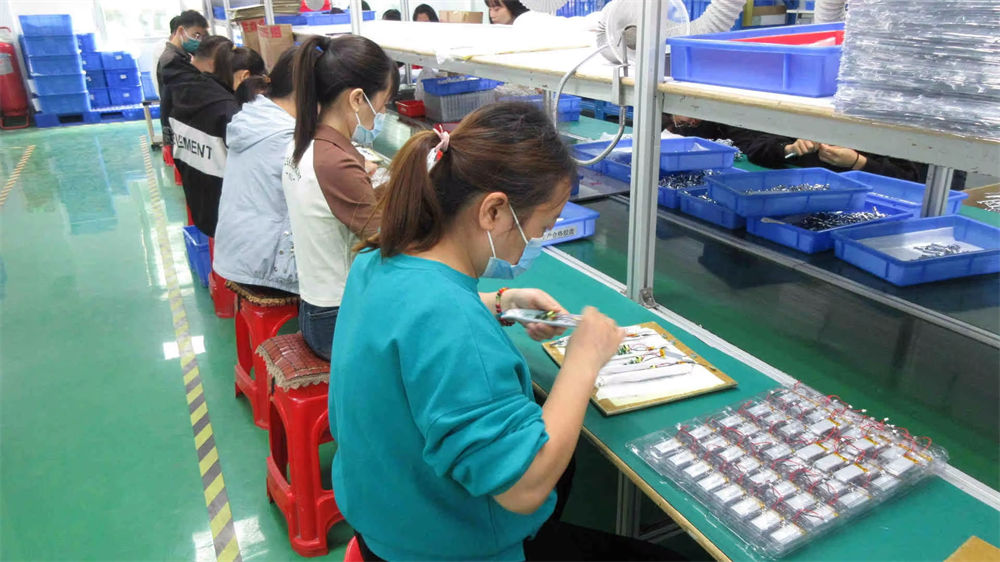
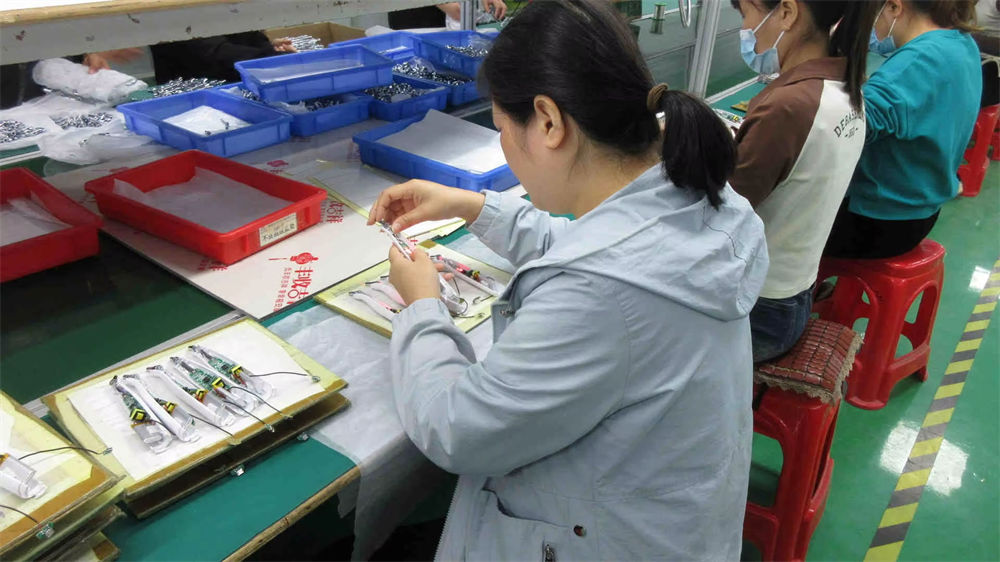
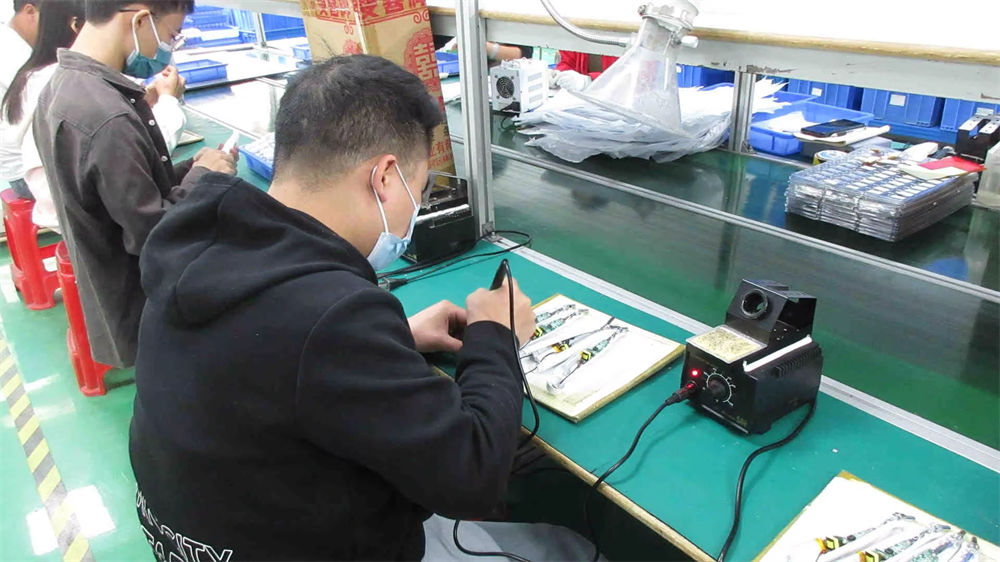
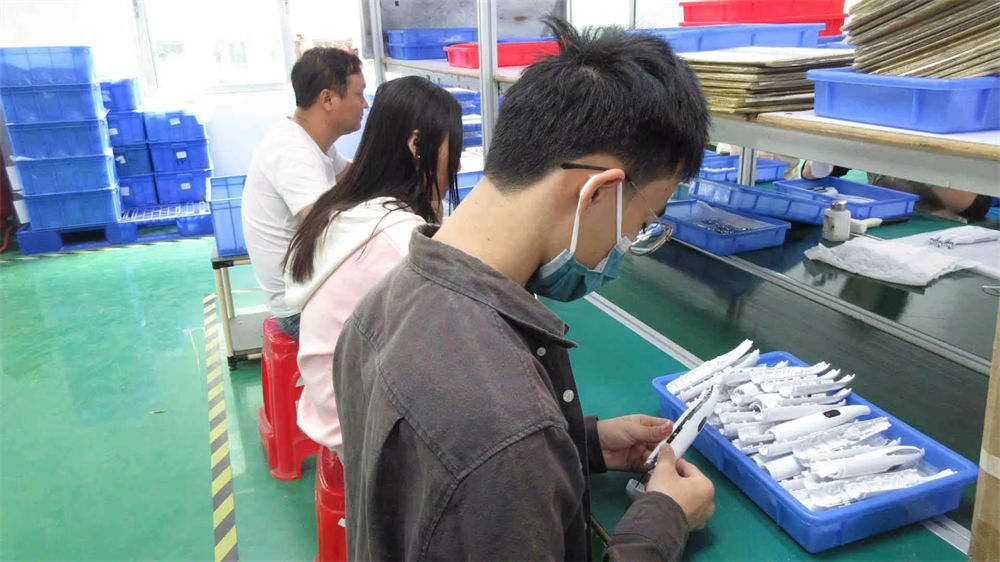
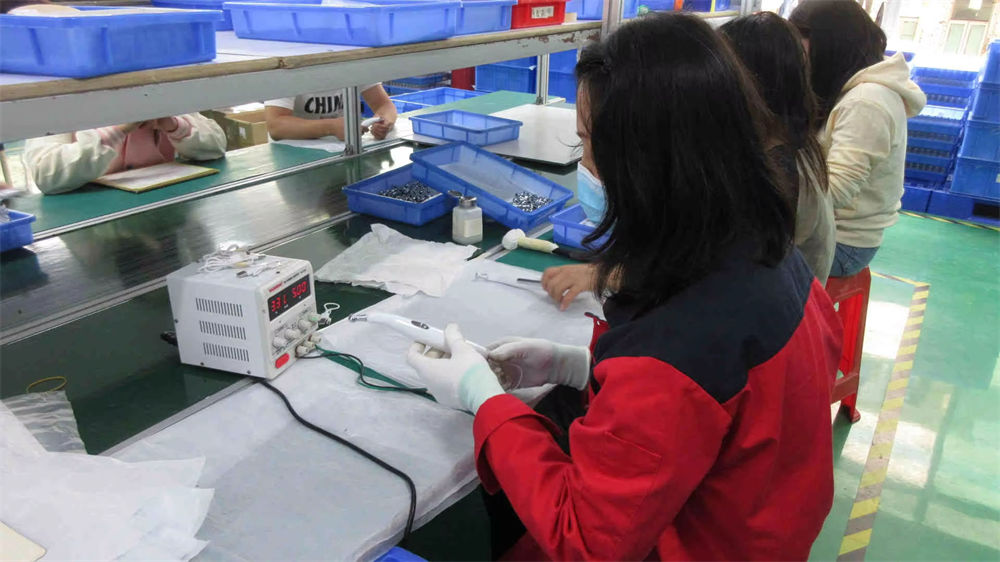
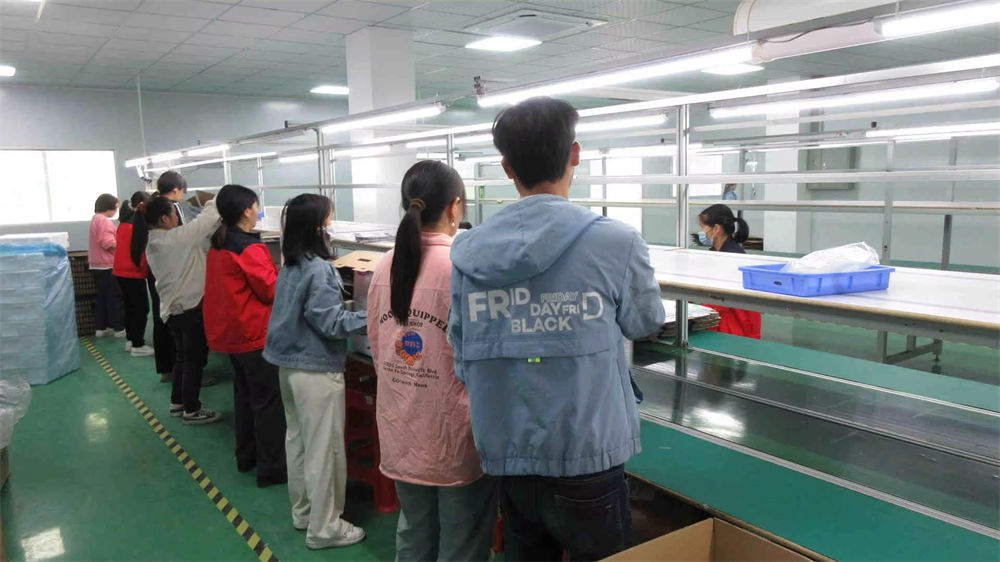
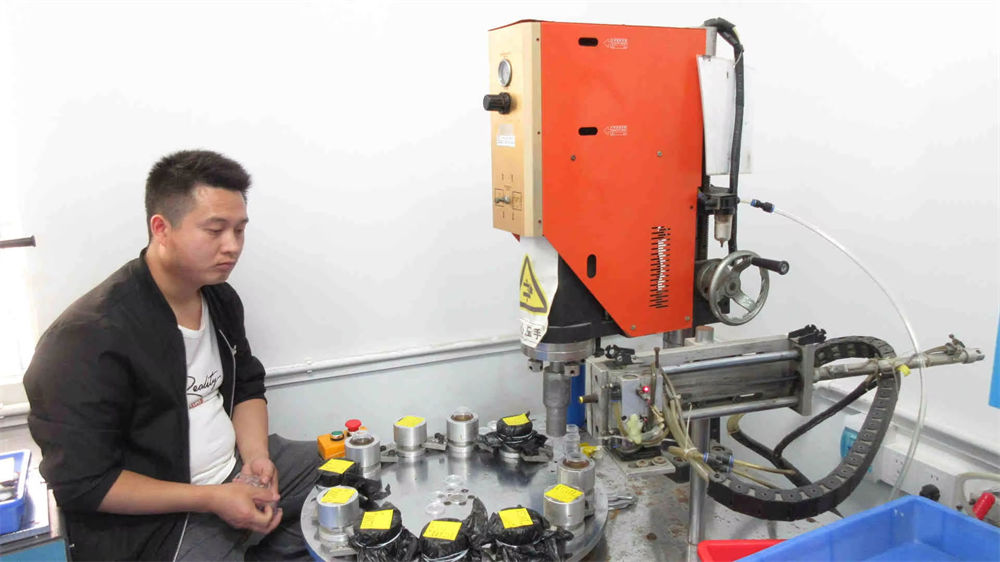
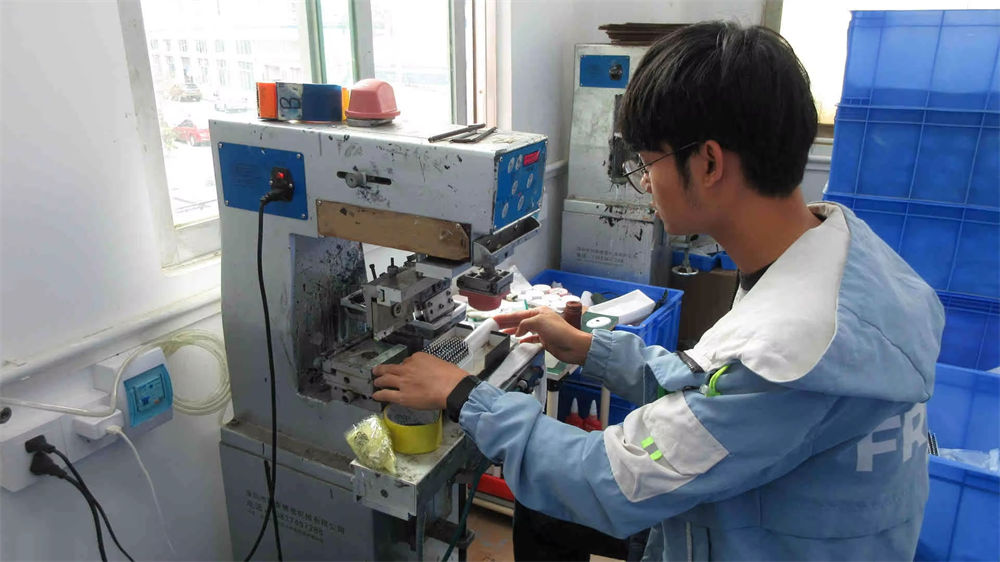
Our Factory 4.0 model leverages fully automated plastic injection molding, high-precision assembly lines, ultrasonic welding systems, and automated packaging. This reduces assembly times while eliminating manual variance. Our quality control encompasses 100% semi-finished inspection, high-voltage electric testing, noise verification in acoustic chambers, and thermal profiling.
By optimizing every step of the supply chain—from raw plastic pellets to components—we minimize lead times for large container shipments. In addition to high-quality products, we actively invest in R&D to continuously introduce innovative solutions that combine aesthetics, functionality, and cutting-edge technology. We look forward to building long-term, win-win relationships with global partners.
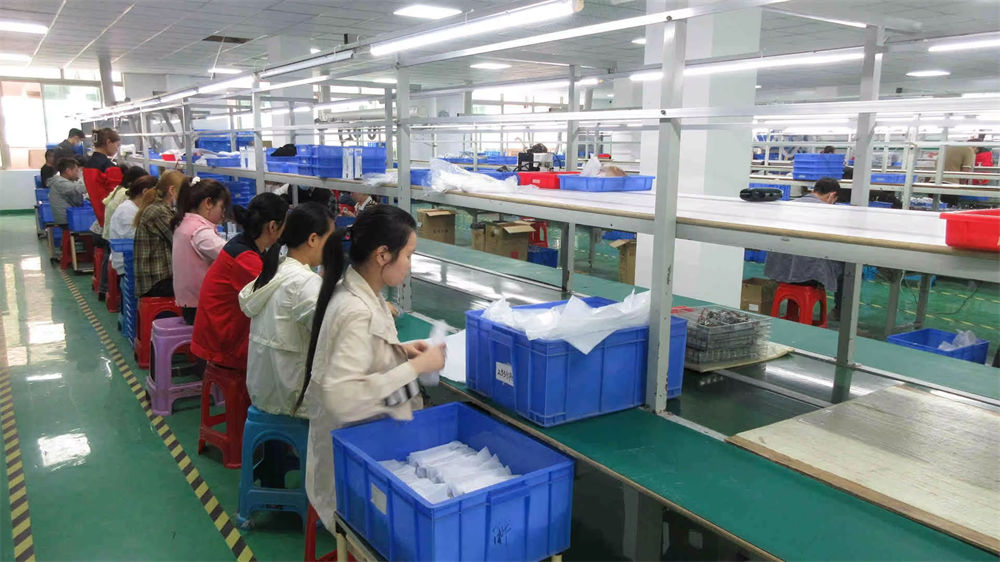
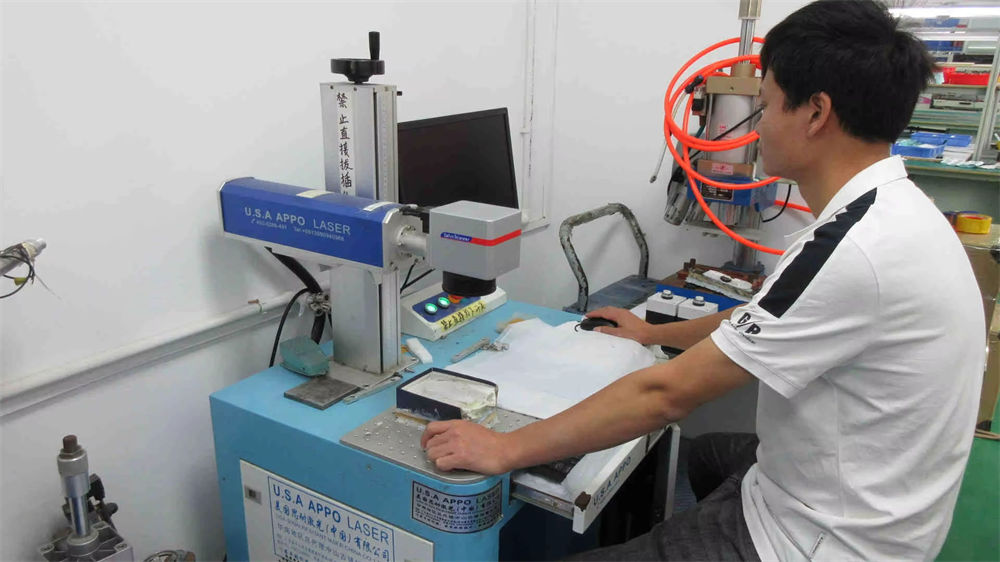
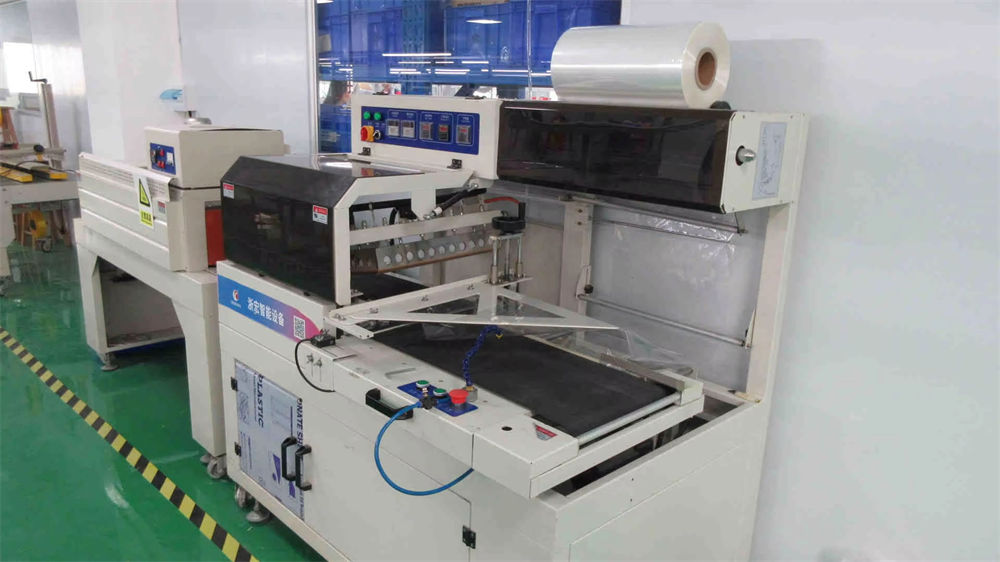
In-House Manufacturing Processes & Machinery
A transparent look inside our production facilities, showcasing the equipment driving our quality standards.

Commercial Applications & Deployment Scenarios
How businesses across industries deploy specialized cosmetic cooling systems to elevate customer service and product efficacy.
Esthetician Spas & Wellness Salons
Professional spas utilize industrial beauty fridges to store biological serums, sheet masks, and face rollers at optimal temperatures, guaranteeing a cooling sensation during advanced facial therapies.
Luxury Hotel Guest Amenities
Five-star hotels place customized cosmetic mini-fridges inside vanity areas, providing luxury travelers with convenient, dedicated temperature-controlled storage for their personal high-end skincare collections.
Retail Counter Visual Merchandising
Cosmetic brands position backlit, glass-fronted mini fridges directly at counter displays, utilizing cooling as an active point-of-sale benefit to drive conversion rates for premium skincare products.
Key Selection Criteria: Top 10 Manufacturers
A reference checklist for global sourcing managers evaluating beauty appliance suppliers.
1. Manufacturing Capacity
Factories must have large-scale monthly output capacities (e.g., 50,000+ units) to accommodate seasonal demand spikes without delay.
2. Precision Moulding
In-house tooling and CNC workshops ensure seamless exterior joints and optimal door seal alignment, minimizing cooling loss.
3. Decibel Control Labs
Quiet operation relies on low-noise fan blades and specialized acoustic vibration isolation mounts.
4. Thermoelectric Efficiency
Advanced Peltier modules deliver rapid cooling with minimal energy draw, supporting eco-design initiatives.
5. Anti-Condensation Technology
Double-pane glass with internal heating elements prevents ambient moisture from clouding window displays.
6. Medical Grade Safety
Cleanroom environments and food-grade ABS inner liners prevent plastic outgassing onto stored cosmetics.
Skincare Preservation & Sourcing FAQ
Expert answers to the most common questions raised by procurement managers and design engineers.
Professional Skincare & Spa Equipment Catalog
High-end, factory-direct aesthetic systems designed for professional salons, dermatologists, and retail brands.