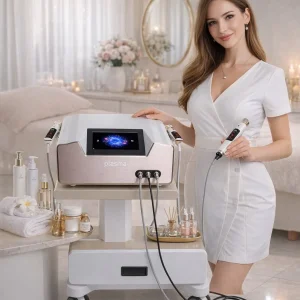
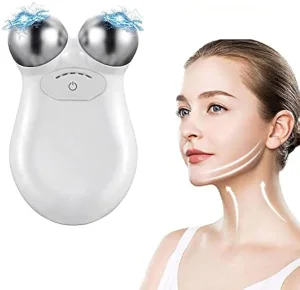
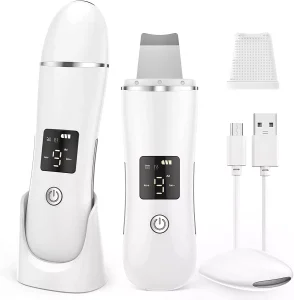
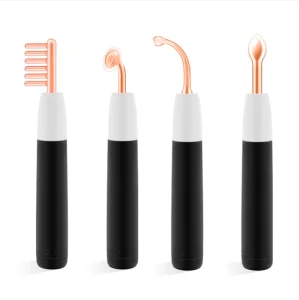
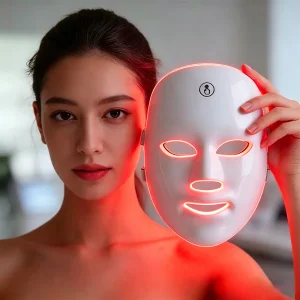
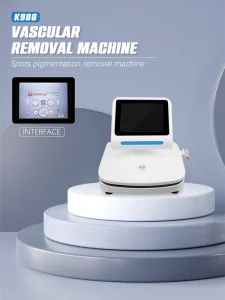
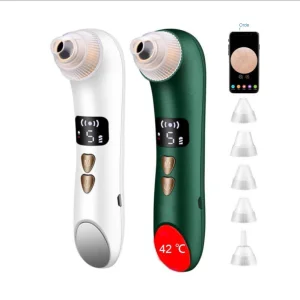
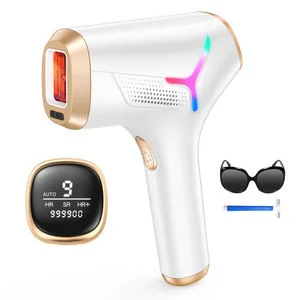
Professional Grade Clinical & Home-Use Systems
High-precision optoelectronic devices engineering customized dermatological solutions for distributors and retail brands worldwide.
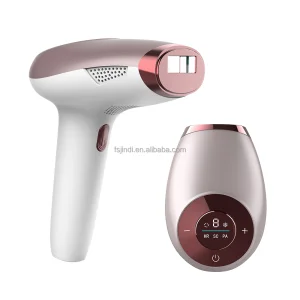

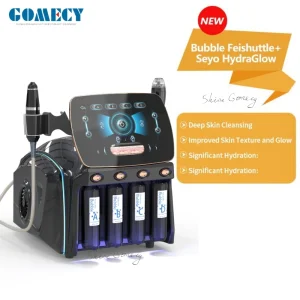
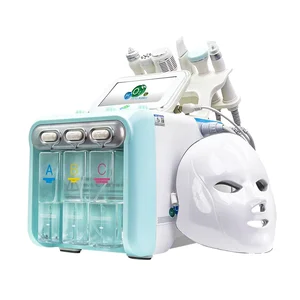
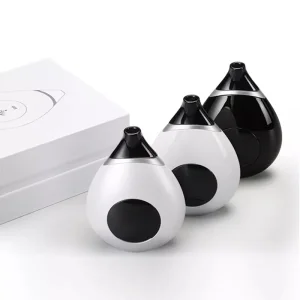
Dongguan BryMax Beauty Co., Ltd.
Dongguan BryMax Beauty Co., Ltd. is a national high-tech enterprise dedicated to the research, development, production, and global distribution of cutting-edge household beauty and personal care devices. Our extensive product portfolio includes laser hair removal instruments, facial care devices, hair dryers, and other innovative small household appliances, all designed to improve the quality of everyday life and promote personal wellness.
Driven by a commitment to technological innovation and product excellence, BryMax Beauty has secured numerous design patents and globally recognized certifications, including NMPA certification in China, FDA certification in the United States, PSE certification in Japan, CE certification in the European Union, and S FDA certification in the Middle East. Our products enjoy strong sales in over 30 countries and regions, earning widespread acclaim from customers and industry partners alike.
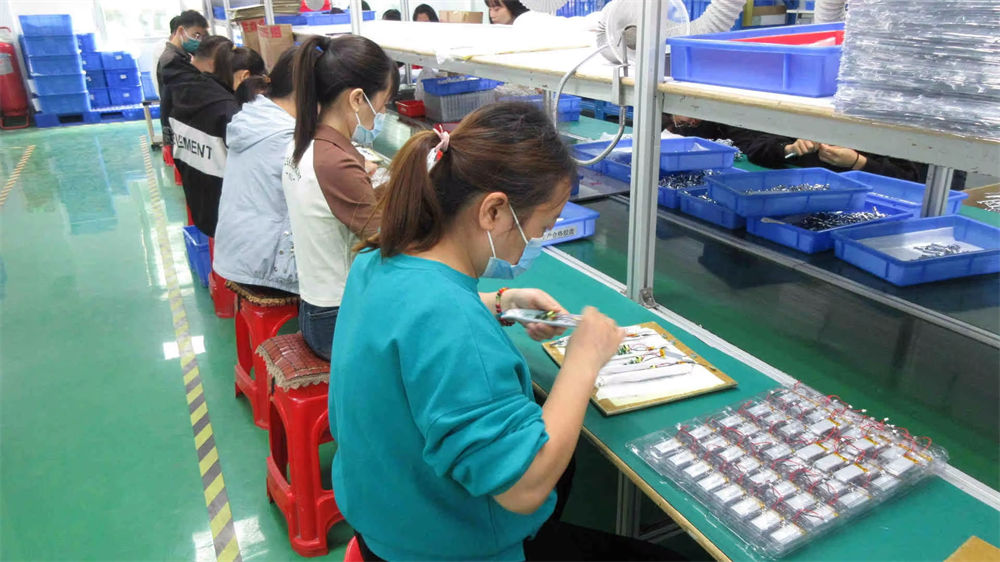
Our advanced manufacturing center is constructed entirely in accordance with medical device standards, ensuring the highest levels of precision, reliability, and safety. BryMax Beauty emphasizes rigorous quality control at every stage of production, from design and development to manufacturing and after-sales service, ensuring that every product meets international standards and exceeds customer expectations.
Navigating Global Sourcing & Advanced Skin Diagnostic Technologies
An authoritative analysis on market drivers, compliance pathways, and supply chain strategies for corporate enterprise buyers.
1. The Critical Role of Spectral Precision in Advanced Skin Analysis
Modern clinical dermatology and personalized beauty retail depend heavily on non-invasive diagnostic equipment. Advanced Skin Analysis Devices operate as the foundation of these ecosystems, converting physiological parameters into tangible data points. These systems employ multispectral imaging arrays (RGB, cross-polarized, parallel-polarized, and UV light bands) to capture micro-level changes in epidermal structures.
By leveraging specific nanometer wavelengths, these systems quantify factors such as trans-epidermal water loss (TEWL), sebum distribution patterns, vascular inflammation, and subcutaneous melanin concentration. This detailed diagnostic capability allows dermatological institutions, medspas, and high-end beauty brands to establish baseline metrics for patient therapies and substantiate skin treatment programs with verifiable progress tracking.
2. Global Sourcing Requirements & Enterprise Integration Challenges
Enterprise buyers, brand managers, and medical device distributors face complex challenges when integrating new diagnostic equipment into their product portfolios. When evaluating an OEM/ODM skin analysis devices manufacturer, global organizations prioritize three primary requirements:
- Software Customization & API Integrations: A skin analysis device is only as effective as the software architecture supporting it. Large beauty retail networks demand white-label iPad or desktop apps with integrated SDK/API systems. This allows the device to communicate directly with corporate customer relationship management (CRM) databases, enabling automated product recommendations.
- High-fidelity Optical Calibration: Minimal variance across batch productions is critical. An unreliable image sensor or unstable light-emitting diode (LED) calibration will generate inconsistent scoring, undermining brand trust and clinical validity.
- Industrial Design Durability: In high-throughput settings, such as medical spas or department store beauty counters, devices must endure continuous daily operation without losing calibration. This requires premium optoelectronic components and carefully engineered heat dissipation systems.
| Evaluation Parameter | Enterprise Sourcing Specification | BryMax Industry Alignment |
|---|---|---|
| Optical Wavelength Precision | Tolerance within ±5nm for clinical accuracy | Proprietary LED array calibration with custom lens arrays |
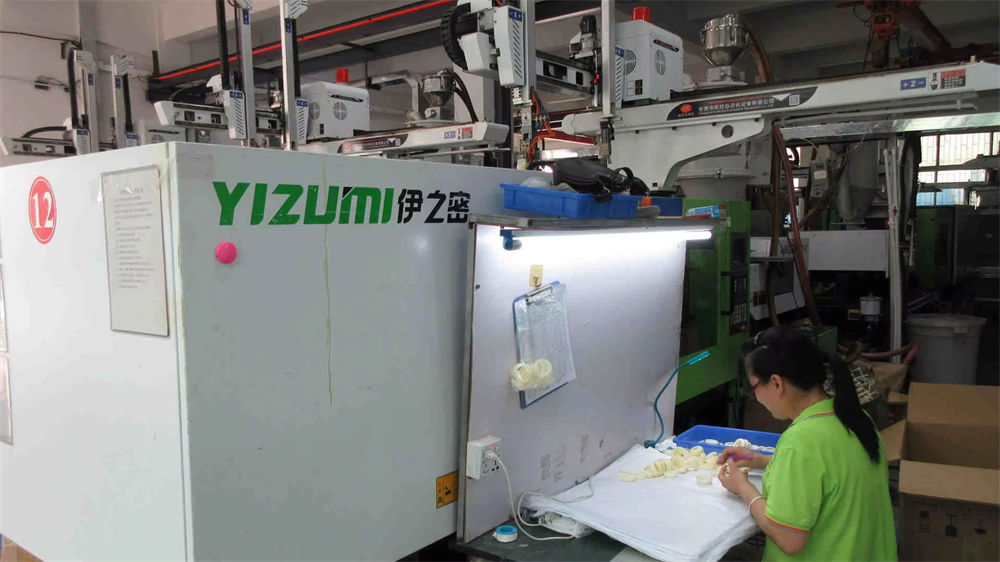
| Enclosure Material Standard | Medical grade ABS/PC polymers (ISO 10993 compatible) | Precision in-house plastic injection and structural validation |
| Software Interface Option | Cross-platform compatibility (iOS, Android, Windows) | Modular firmware support for SDK/API integration |
| Testing Protocols | Burn-in thermal testing & multi-axis drops | Comprehensive semi-finished and final package stress testing |
3. Global Compliance Protocols & Regulatory Strategy
For medical devices and consumer wellness technologies, compliance is the ultimate gatekeeper of market access. Dongguan BryMax Beauty Co., Ltd. addresses this requirement by maintaining rigorous international standards. Each market presents distinct regulatory expectations:
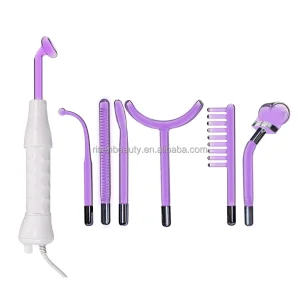
United States (FDA Registration): Distributing skin imaging devices or energetic therapy systems (such as IPL and high-frequency wands) in the US market requires adhering to Food and Drug Administration guidelines. Ensuring compliance with the appropriate regulatory pathways avoids costly customs detentions and ensures market access.
European Union (CE & RoHS): Entering the European economic area requires complying with the Medical Devices Regulation (MDR) or Electromagnetic Compatibility (EMC) and Low Voltage (LVD) Directives. Additionally, RoHS certification verifies the exclusion of hazardous materials in electronic assemblies, assuring European consumers of product safety and environmental compliance.
Japan (PSE Certification): The Product Safety Electrical Appliance & Material (PSE) law governs home-use skin analysis and cosmetic devices imported into Japan. Meeting these strict Japanese safety standards is essential for successful market penetration.
China (NMPA) & Middle East (SFDA): BryMax's manufacturing framework aligns with China’s National Medical Products Administration (NMPA) standards and Saudi Food and Drug Authority (SFDA) requirements, providing our global clients with a reliable pathway to high-growth developing markets.
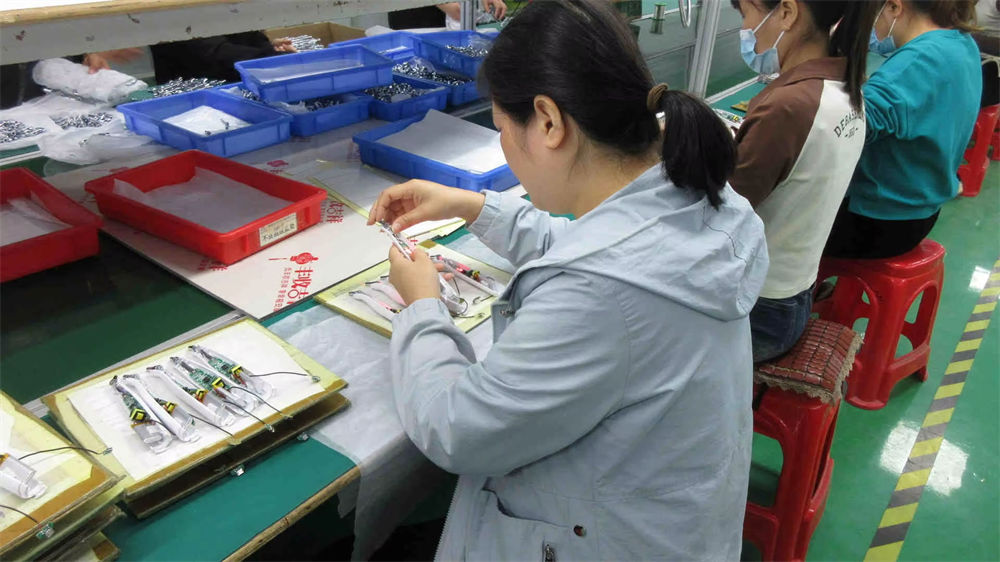
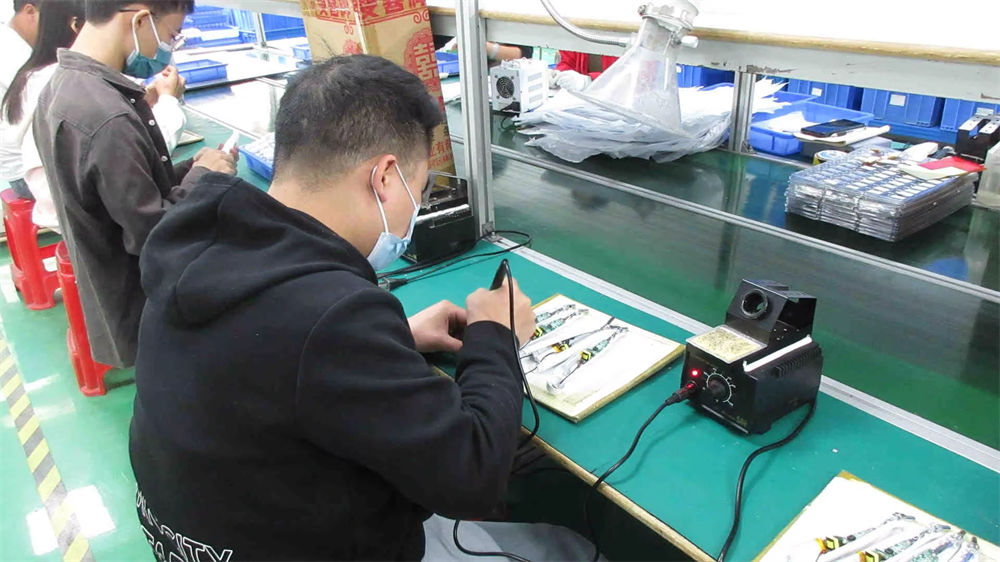
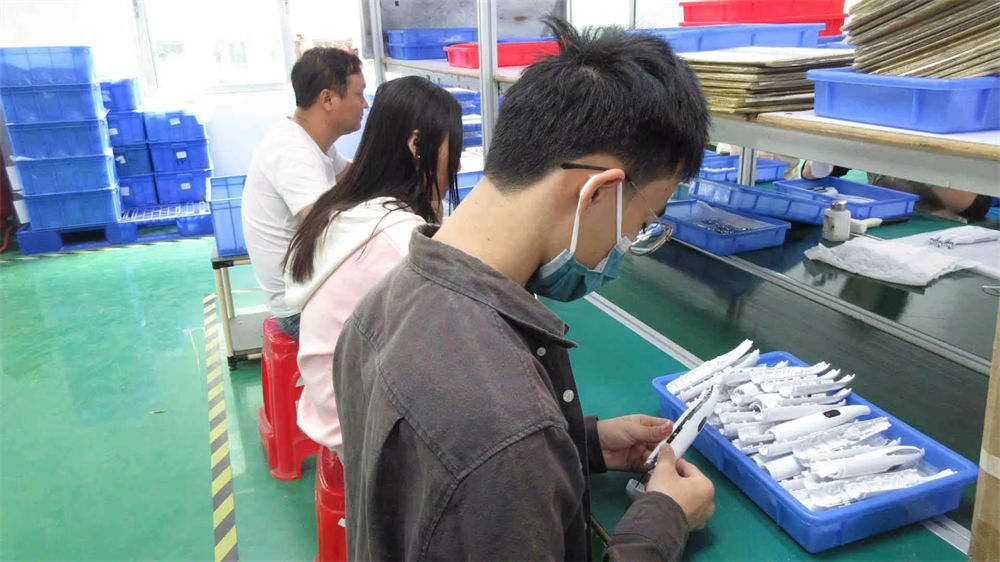
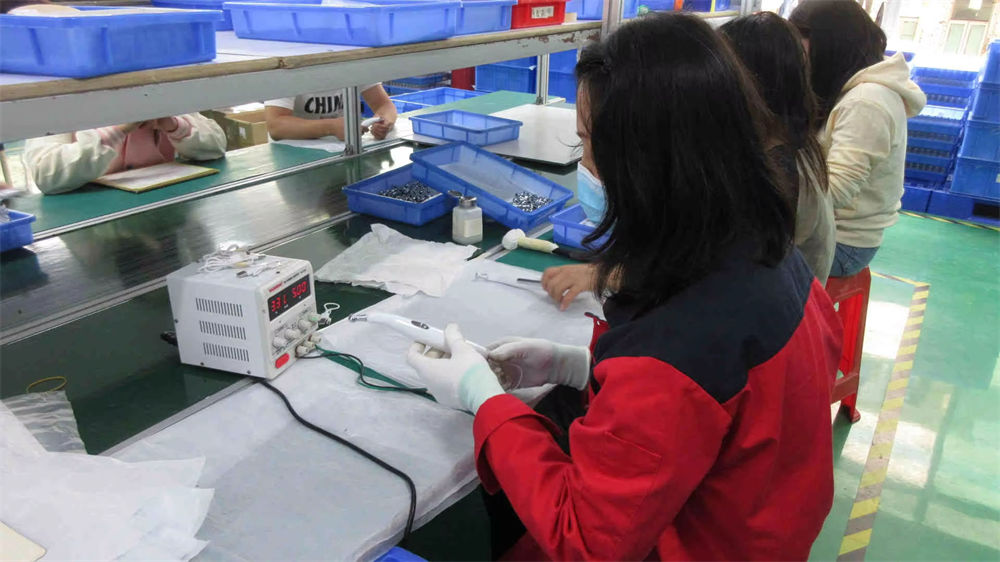
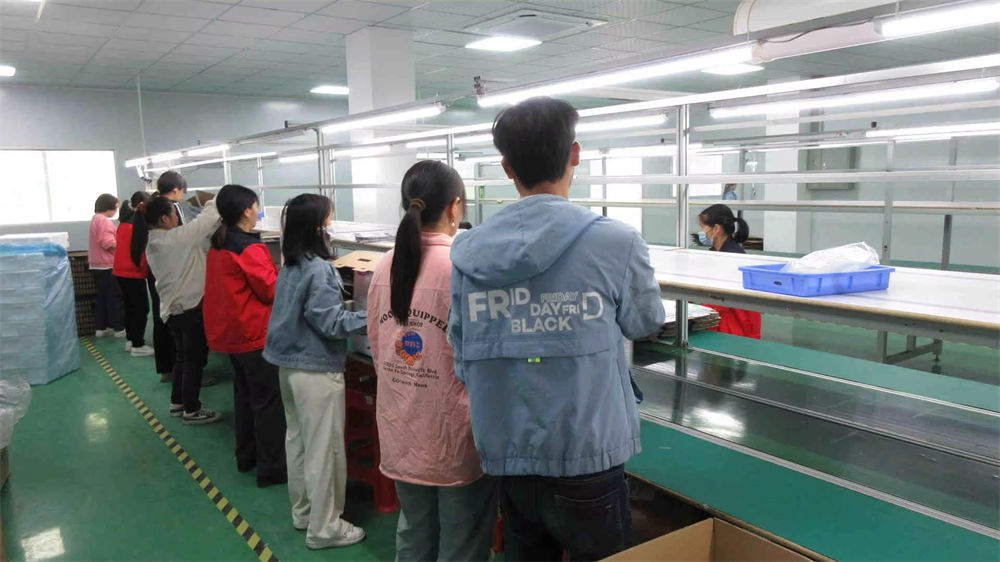
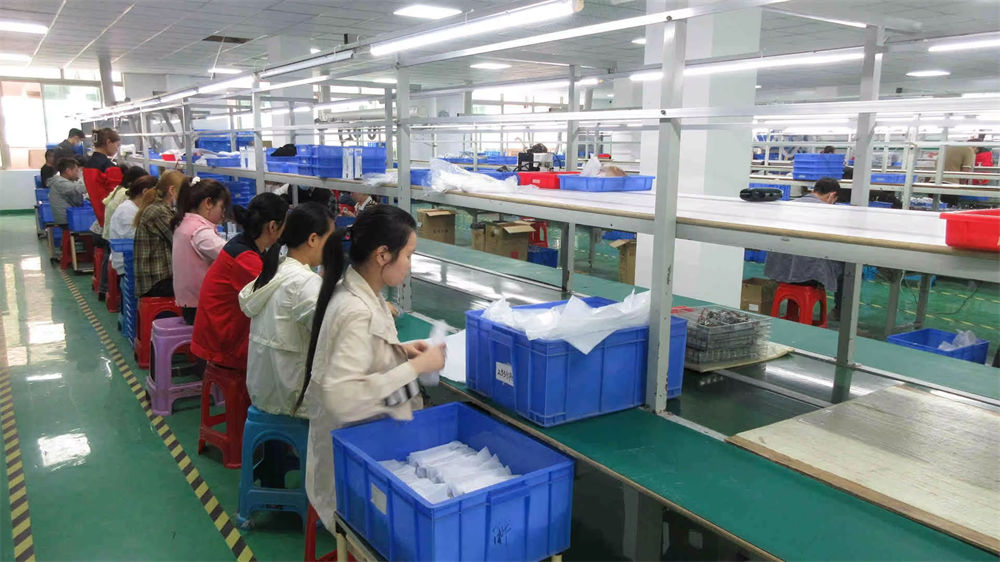
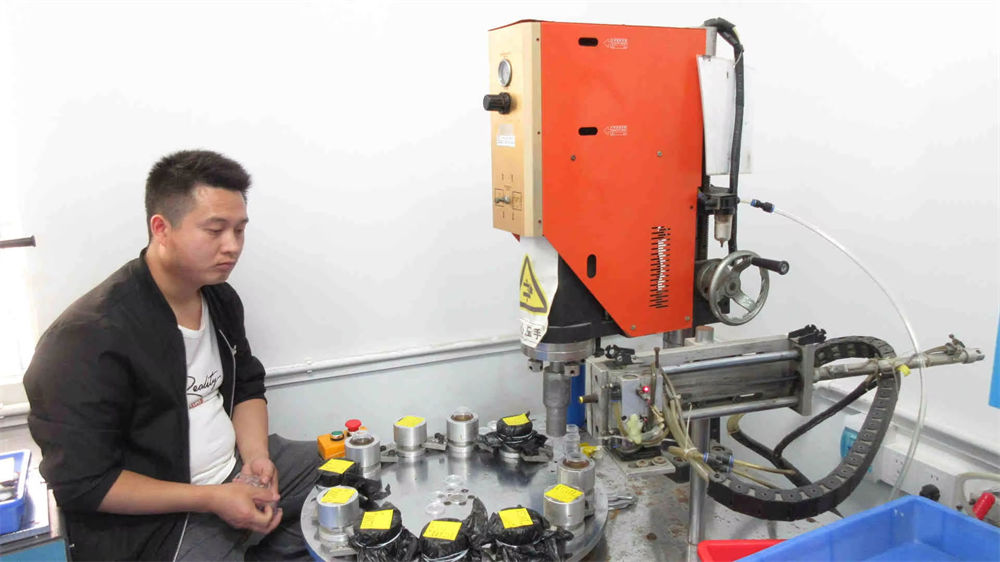
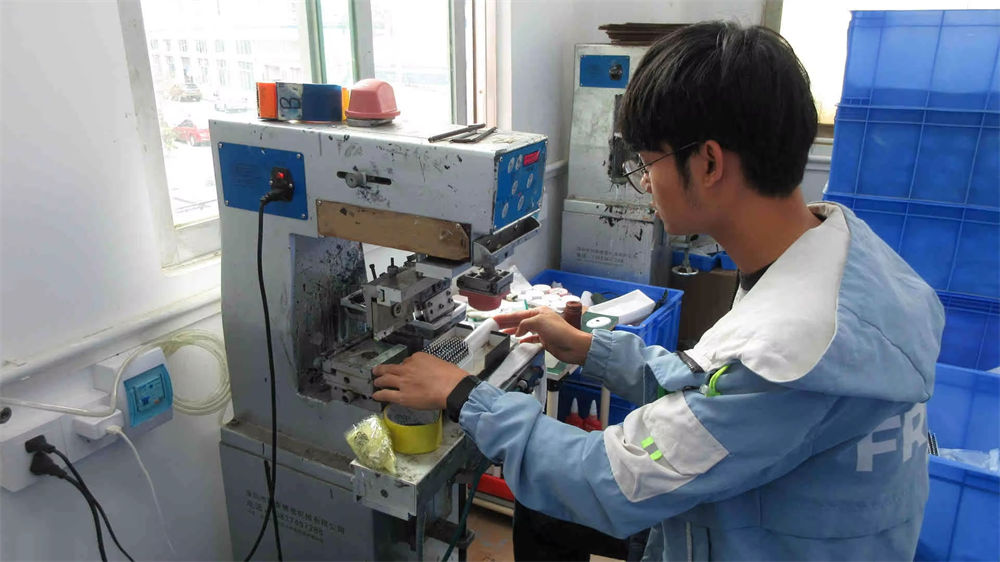
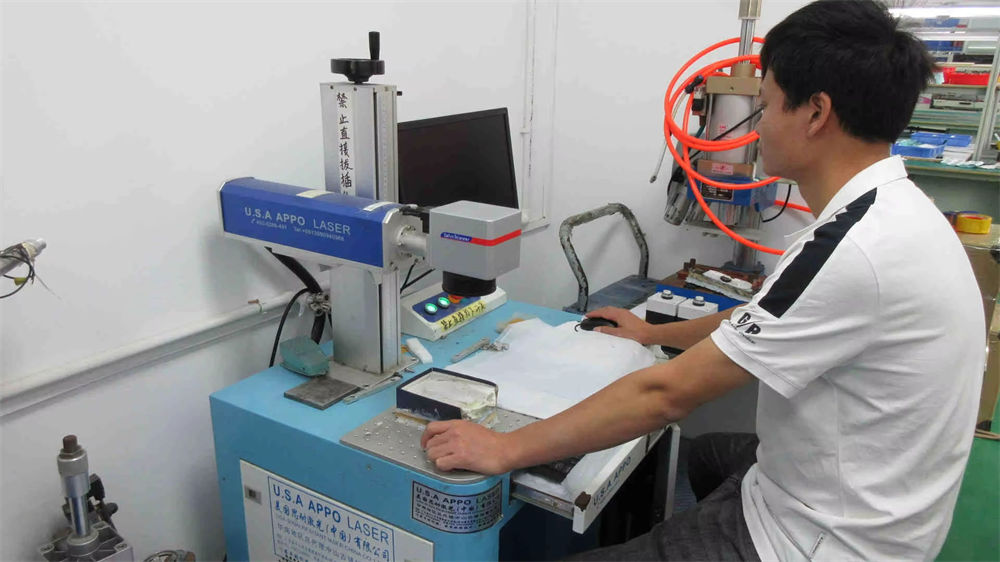
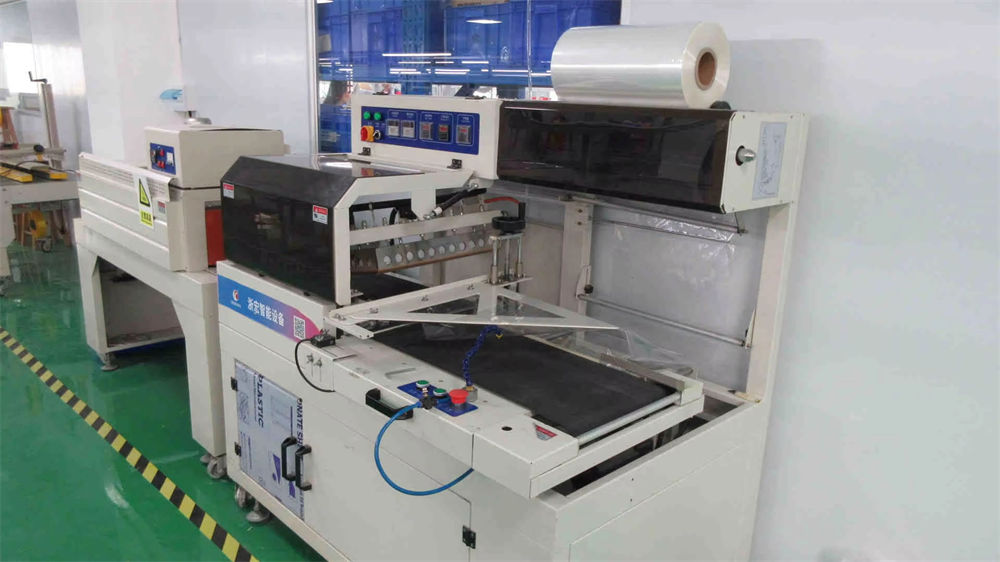
Our Advanced China Manufacturing Facility
Every stage of production—from raw injection molding to automated packaging—is handled in-house to guarantee quality, control costs, and reduce lead times.


4. The Industrial Advantages of Dongguan’s Hardware Cluster
Dongguan is recognized globally as a leading hub for precision manufacturing. By locating our operations at the center of this industrial network, BryMax Beauty leverages immediate access to specialized component suppliers, toolmakers, and raw material providers. This geographic proximity allows us to shorten our prototype-to-production cycles and adapt quickly to changing design specifications.
Additionally, this localized supply chain optimizes logistics costs. Components flow directly from specialized regional fabricators into our facility, minimizing transportation overhead. This efficiency allows us to invest more in advanced testing equipment and high-quality materials, delivering premium products to our global clients at competitive price points.
5. Technological Convergence: AI Integration & Diagnostic Industry Trends
The skin diagnostics sector is undergoing a transition from basic observational tools to predictive, cloud-enabled diagnostic platforms. Three key trends are currently driving the market:
- AI-driven Predictive Aging: Utilizing deep learning models trained on large, diverse dermatological datasets, modern diagnostic devices can simulate aging trajectories. By projecting wrinkles, laxity, and pigment shifts over a 10-year span based on a user's current skin index, these systems offer a powerful sales tool for retail brands.
- Mobile & Wireless Form Factors: Historically, comprehensive skin analysis required large, stationary desktop setups. Today's market is moving toward compact, high-precision handheld devices and integrated smartphone accessories that maintain clinical measurement accuracy.
- Multi-device Connected Ecosystems: Modern diagnostic systems are increasingly designed to communicate with treatment devices. For instance, data from a skin analyzer can automatically configure the energy levels and wavelength settings of an associated home-use IPL hair removal or microcurrent device, creating a closed-loop personalized skincare system.
6. Application Scenarios & Localized Deployments
Depending on the business model, professional skin diagnostic tools are deployed in various settings:
Clinical & Dermatological Institutions: In medical environments, these devices document treatment progress before and after procedures such as fractional lasers, chemical peels, and intense pulsed light therapies, providing patients with clear visual evidence of efficacy.
High-End Beauty Spas & Salons: Estheticians use localized diagnostic devices to perform comprehensive initial assessments. This allows them to customize treatment plans and recommend specific retail home-care regimens, driving additional product sales.
Retail Brand Activations: In cosmetics retail settings, interactive skin diagnostic kiosks provide an engaging touchpoint for customers, helping them identify their skin concerns and receive personalized product recommendations.
Frequently Asked Questions
Technical clarifications, service capabilities, and integration inquiries answered by our engineering specialists.
Q1: What are the standard lead times for custom OEM/ODM skin analysis device projects?
For basic OEM configurations, such as custom logo printing, custom packaging, and customized housing colors, our typical lead time is 20 to 30 days. For complete ODM initiatives, which involve custom injection mold design, proprietary PCB layout development, and dedicated software integration, the process generally spans 60 to 90 days. This schedule includes prototyping, functional verification, and regulatory compliance testing.
Q2: How does BryMax Beauty ensure consistent quality and calibration across high-volume orders?
We maintain consistent performance across production runs through automated optical testing and standardized calibration fixtures. Every device undergoes a multi-point inspection process that verifies spectral output, sensor sensitivity, and power stability. This protocol ensures each unit meets the strict calibration standards required for reliable longitudinal skin analysis.
Q3: Can your devices be integrated with existing client software systems?
Yes. We provide software development kits (SDKs) and APIs for our connected diagnostic devices. This enables developers to integrate image data and sensor readings directly into existing iOS, Android, and web-based applications, supporting seamless database and CRM connectivity.
Q4: What support options do you offer for regulatory approvals in new target markets?
We assist our clients with regulatory compliance by providing comprehensive technical documentation, including test reports, material safety data sheets, and certification records. Our regulatory team works directly with third-party testing houses to streamline the submission process for FDA, CE, PSE, and other local market registrations.
Precision Anti-Aging & Skin Rejuvenation Equipment
Targeted energetic and therapeutic platforms designed to complement advanced diagnostic insights.