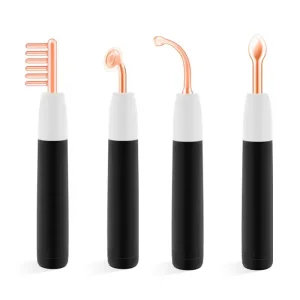
Leading Microdermabrasion & Aesthetic Devices
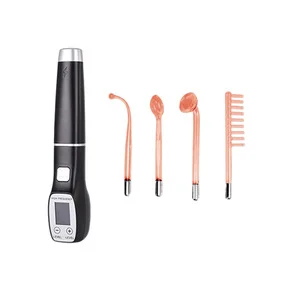
Fast Shipping LCD Screen Skin Therapy Electrotherapy Machine Face Lifting Acne Treatment 4 in 1 High Frequency Skin Care Wand
View Specifications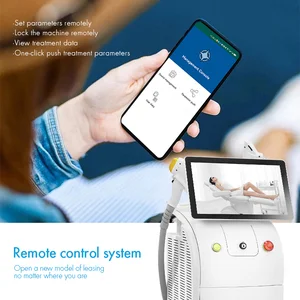
2023 Ipl Skin Rejuvenation and Painless Diode Laser Hair Removal Machine for Pigment Removal and Hair Removal
View Specifications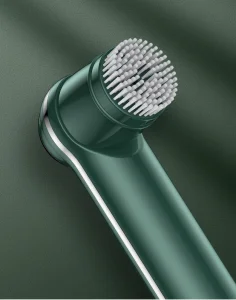
Advanced Blackhead Remover Vacuum Device with Multi-stage Suction Power
View Specifications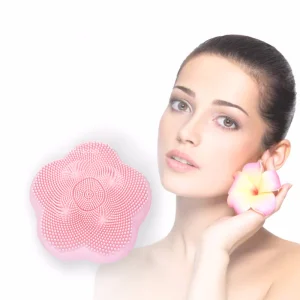
Professional Facial Skin Face Cleaning Face Brush Electric Facial Brush Cleanser Face Cleaner Facial Cleansing Brush
View Specifications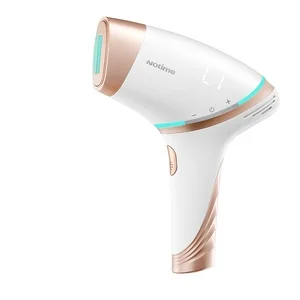
Ice Cooling hair removal Laser Portable IPL Device Facial Wholesale Epilator hair removal
View Specifications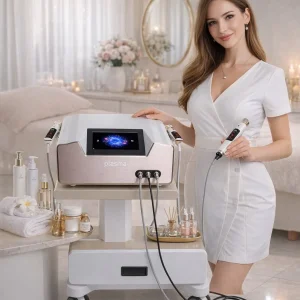
New 2 in 1 Plasma Picosecond Laser Device for Acne Removal Skin Elasticity and Dark Spot Pigment Treatment
View Specifications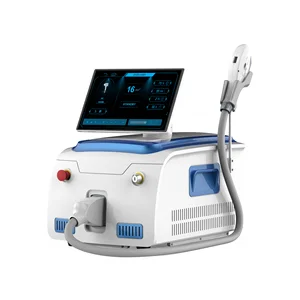
Beauty Machine IPL BBL Hair Removal Skin Rejuvenation Acne Removal Facial Machine
View Specifications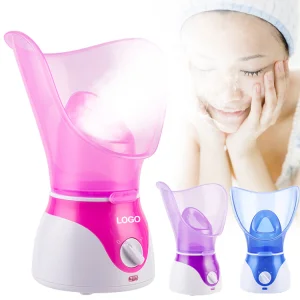
Beauty Electric Hydrating Face Moisturizer Professional Ionic Portable Face Steamer Nano Mist Sprayer Facial Steamer
View Specifications1. Global Market Evolution of Professional Exfoliation Technologies
The global medical aesthetics market is undergoing a structural paradigm shift. Once dominated by purely chemical peeling agents and invasive mechanical dermabrasion, the modern clinical landscape has transitioned decisively toward non-invasive, micro-controlled epidermal ablation technologies. According to recent market analysis, the global market for professional microdermabrasion systems is projected to expand at a compound annual growth rate (CAGR) of 8.4% through 2030, driven by the surging demand for clinical-grade treatments that offer zero downtime and immediate micro-topography improvement.
This rapid evolution is underpinned by two primary mechanisms of action: physical abrasion (via diamond-particle-coated tips or micro-crystalline media) and negative pressure suction. The combination of these forces not only mechanical exfoliates the stratum corneum but also triggers localized micro-hyperemia. This localized increase in blood flow accelerates cellular respiration and stimulates fibroblasts, fostering neo-collagenesis in the dermal layers. For wholesale buyers and global B2B distributors, aligning with Chinese manufacturers who hold extensive intellectual property portfolios in these dual-action systems is critical to capturing high-margin market share.
2. Technical Decoupling: Diamond vs. Crystal vs. Hydro Microdermabrasion
In evaluating the engineering blueprints of leading export platforms, procurement officers must understand the mechanical advantages and cost-benefit profiles of different exfoliation modalities:
Diamond Microdermabrasion
Utilizes precision-engineered, diamond-grit tips of varying abrasive grades (ranging from D-120 to D-240). By eliminating loose crystal particulates, it removes the risk of ocular injury or inhalation. The primary variable is negative pressure control, which must remain highly stable between 60 kPa and 80 kPa to prevent dermal petechiae.
Crystal Microdermabrasion
Relies on a pressurized stream of fine aluminum oxide (corundum) crystals. While highly effective for deep scarring and severe hyperpigmentation, the ongoing operating cost of consumable crystals and filter cartridges makes it less appealing for mobile operators, but highly profitable for stationary medical spas.
Hydro/Aqua Dermabrasion
Incorporates liquid infusion during the abrasion process, delivering customized serums (salicylic acid, hyaluronic acid, vitamins) directly into the newly exfoliated epidermis. This system requires specialized dual-pump fluid dynamics to prevent internal liquid cross-contamination and vacuum degradation.
Modern medical devices frequently combine these physical modalities with secondary therapeutic layers. For instance, the integration of high-frequency electrotherapy (violet/neon ray discharges) or near-infrared LED phototherapy into the microdermabrasion workflow allows aesthetic practitioners to deliver immediate post-exfoliation sanitization and skin barrier calming, maximizing overall clinical outcomes per session.
3. Global Procurement Matrix: Evaluating OEM/ODM Manufacturing Capabilities
When sourcing wholesale microdermabrasion machines from China, sophisticated procurement pipelines must look beyond the initial unit cost. Global compliance, component engineering, and quality control systems represent the real foundations of long-term profitability and safety. The primary framework for evaluating a prospective manufacturing partner consists of three pillars:
Low-tier suppliers often integrate basic diaphragm pumps intended for consumer-grade electronics. These pumps suffer from rapid suction degradation and high noise output (>60dB). Leading medical equipment exporters, by contrast, utilize oil-less dual-piston vacuum pumps capable of maintaining stable pressure levels under prolonged operational heat. Additionally, high-end devices must feature medical-grade filters to prevent skin flakes and fluid vapor from contaminating the pump's interior, a major cause of premature motor failure.
"A robust procurement strategy must prioritize factories that implement 100% End-of-Line testing. Every unit must undergo multi-hour high-pressure vacuum testing to certify that pressure fluctuations do not exceed ±2% under continuous loads."
4. Technical Roadmap: The Convergence of Smart Diagnostics and Exfoliation
The next generation of clinical-grade microdermabrasion platforms is marked by the integration of smart sensors and IoT diagnostics. Moving beyond manual analog dials, future-proof devices feature color LCD interfaces linked to real-time capacitive skin moisture and lipid sensors. These sensors detect the skin hydration profile of the treatment zone, allowing the machine's firmware to automatically recommend the optimal vacuum intensity and diamond grit size.
Furthermore, advanced platforms are incorporating integrated skin scanners using multi-spectral imaging to document pre- and post-treatment epidermal structures. This visual data not only validates treatment efficacy for patients but also feeds into telemetry databases for clinic-wide trend analysis. Choosing a manufacturer with a dedicated R&D division in embedded system development and software integration is essential for brands looking to lead the aesthetic market over the next decade.
Dongguan BryMax Beauty Co., Ltd.
Dongguan BryMax Beauty Co., Ltd. is a national high-tech enterprise dedicated to the research, development, production, and global distribution of cutting-edge household beauty and personal care devices. Our extensive product portfolio includes laser hair removal instruments, facial care devices, hair dryers, and other innovative small household appliances, all designed to improve the quality of everyday life and promote personal wellness.
Driven by a commitment to technological innovation and product excellence, BryMax Beauty has secured numerous design patents and globally recognized certifications, including NMPA certification in China, FDA certification in the United States, PSE certification in Japan, CE certification in the European Union, and S FDA certification in the Middle East. Our products enjoy strong sales in over 30 countries and regions, earning widespread acclaim from customers and industry partners alike.
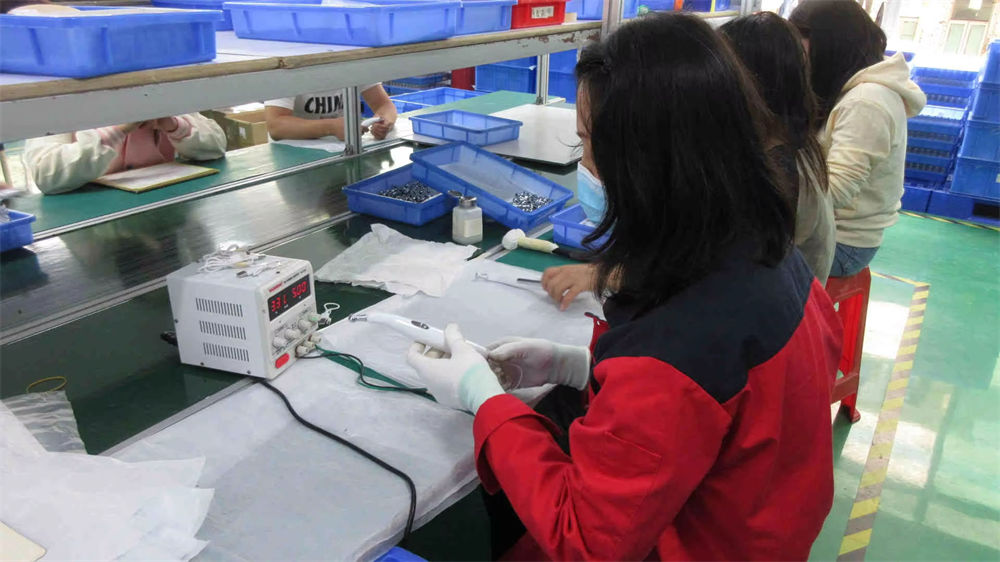
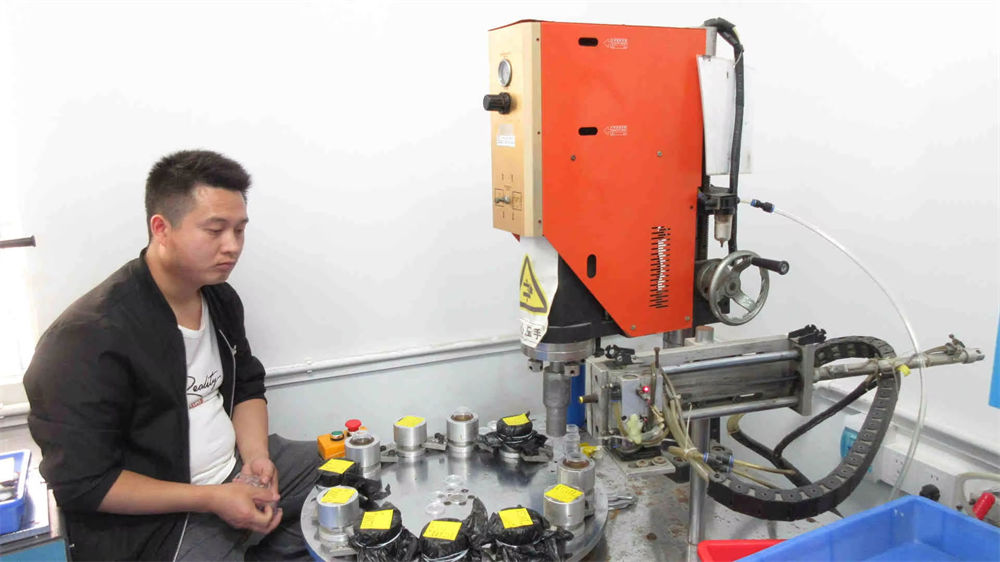
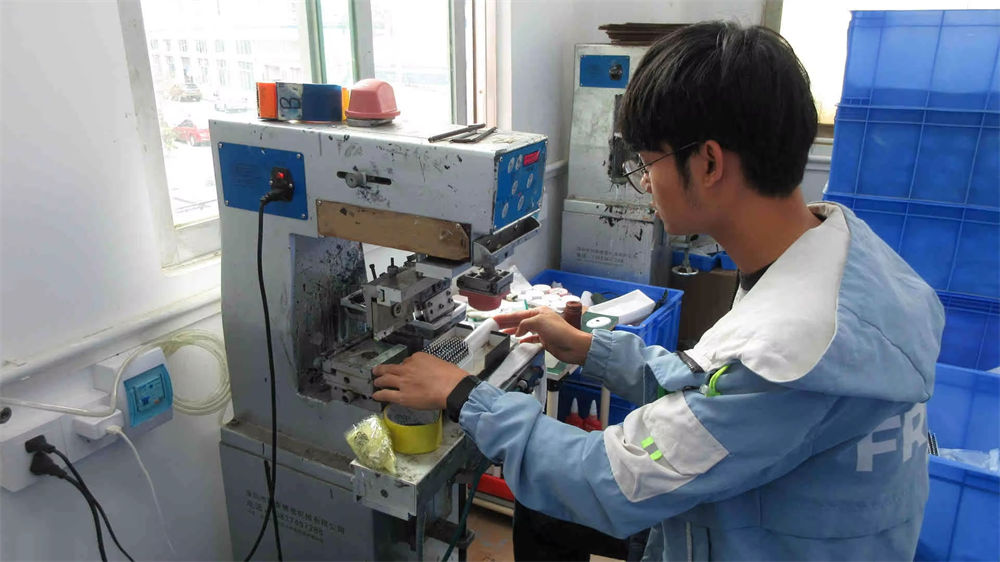
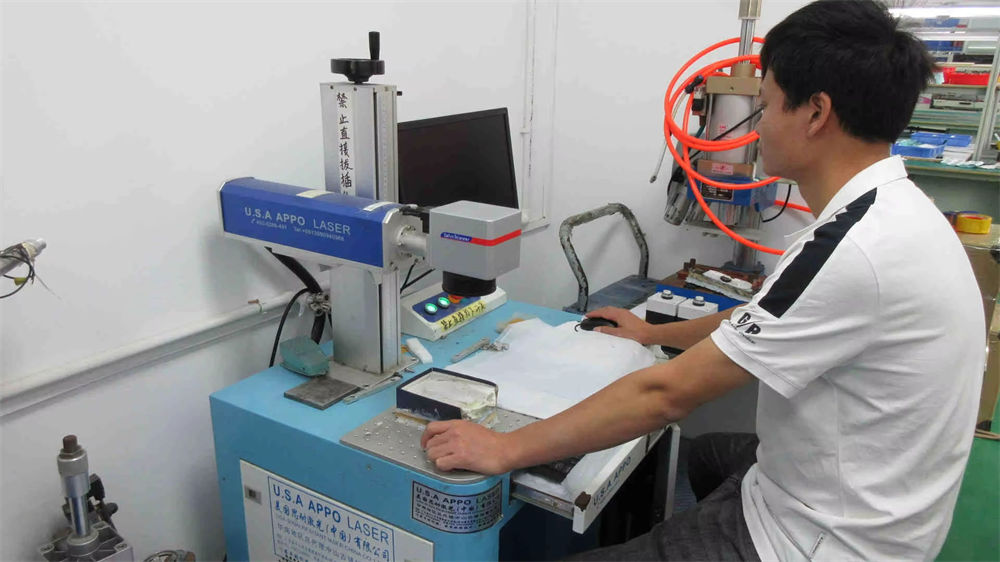
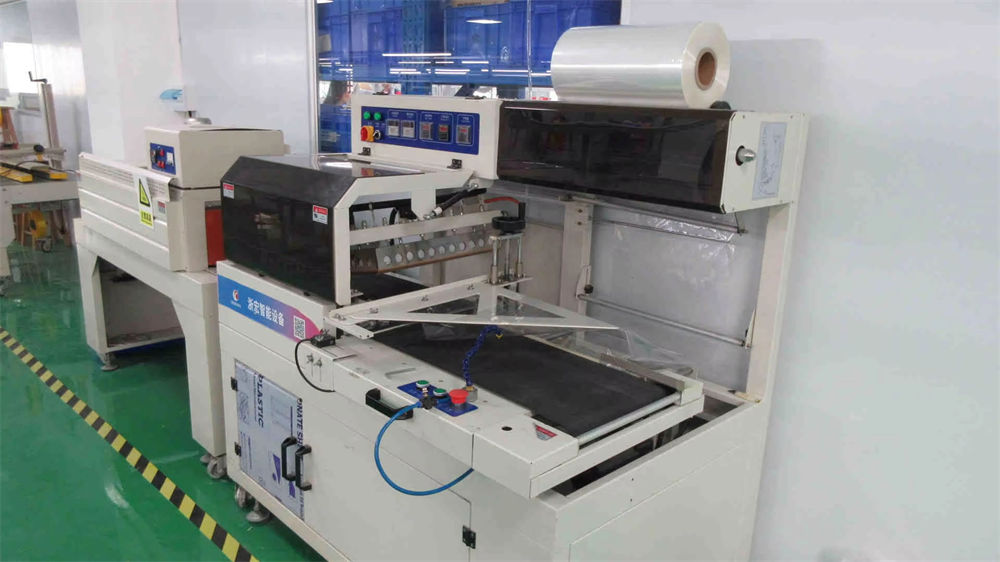
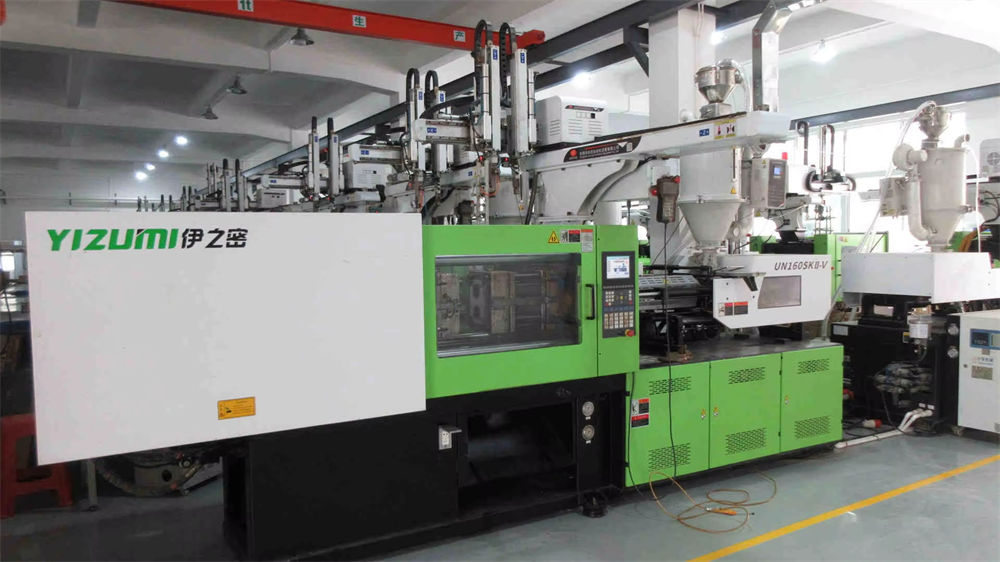
Our advanced manufacturing center is constructed entirely in accordance with medical device standards, ensuring the highest levels of precision, reliability, and safety. BryMax Beauty emphasizes rigorous quality control at every stage of production, from design and development to manufacturing and after-sales service, ensuring that every product meets international standards and exceeds customer expectations.
In addition to our focus on high-quality products, we actively invest in research and development to continuously introduce innovative solutions that combine aesthetics, functionality, and cutting-edge technology. Our professional team is dedicated to understanding and anticipating market trends, delivering products that cater to the evolving needs of modern consumers worldwide.
At BryMax Beauty, we value long-term partnerships and mutual growth. We sincerely look forward to collaborating with global partners, sharing expertise, and creating win-win opportunities to build a healthier, more beautiful future together.
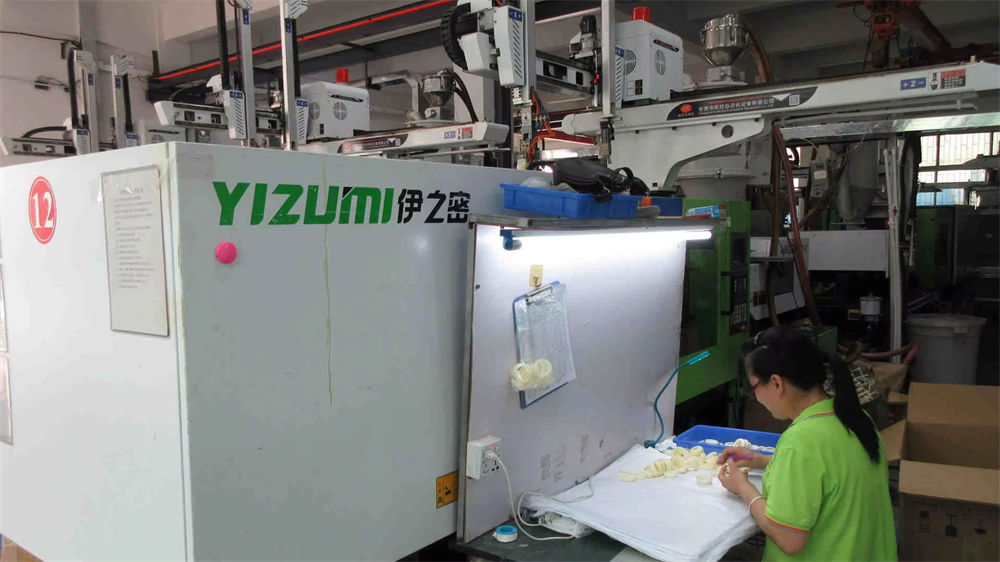
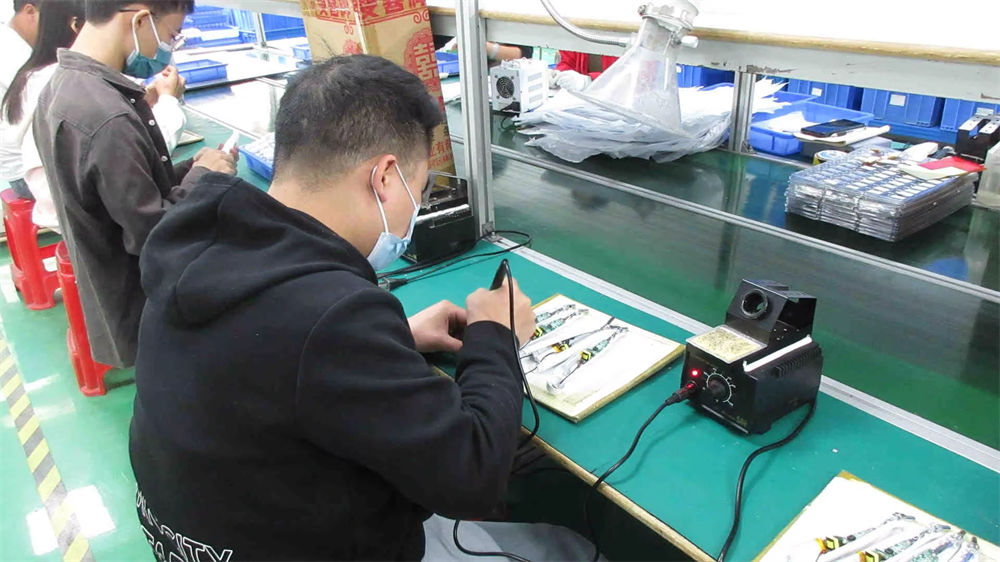
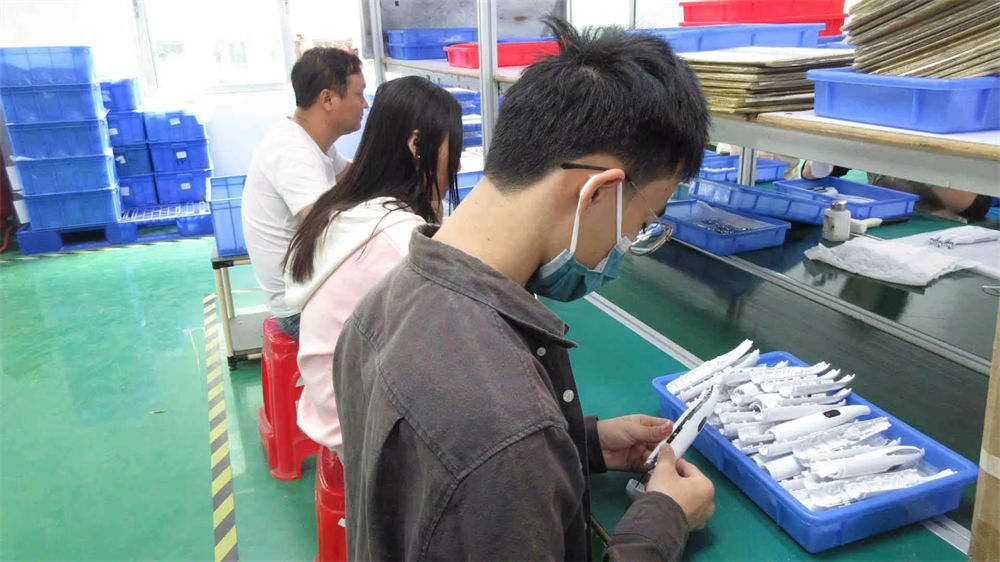
Advanced Medical-Grade Production Flow





5. Macro Industry Solutions & Integration Architecture
For B2B buyers operating across varying jurisdictions, selecting a microdermabrasion system requires matching the technology to local operational contexts. The market generally segments into three major application environments:
A. Clinical Medical Spas & Dermatology Practices
These settings require heavy-duty, multi-platform consoles. The core requirement is clinical efficacy and patient throughput. Systems configured with multi-pump architectures allow practitioners to alternate between diamond dermabrasion and hydro-infusion without having to flush or recalibrate the internal lines, maximizing treatment efficiency.
B. Commercial Beauty Salons & Wellness Centers
Salon settings prioritize ease of operation and safety. To mitigate liability risks, devices must feature integrated skin contact sensors and preset protocols designed for different skin types (Fitzpatrick scale I-VI). These presets limit the maximum vacuum pull, preventing dermal shearing even in the hands of junior estheticians.
C. High-End Home-Use Retailers & Brand Agencies
The home-use aesthetic device segment is growing rapidly. Microdermabrasion platforms designed for consumer retail must focus on miniaturization and cordless operation while maintaining sufficient vacuum performance (typically 45-55 kPa). These devices require robust safety features, including auto-shutoff timers and gentle abrasive grit options suitable for unsupervised home environments.
6. Localization Support, Quality Standards, and Compliance Frameworks
Exporting high-voltage and medical-grade beauty equipment demands total alignment with international compliance frameworks. A key differentiator for Tier-1 Chinese manufacturers like BryMax Beauty is their investment in local certifications. When importing microdermabrasion and light-based skin systems, the compliance matrix must be systematically verified:
- United States: FDA 510(k) clearance or Class I/II registrations depending on mechanical complexity. Devices must also comply with UL electrical standards to ensure salon and clinic safety.
- European Union: Compliance with the Medical Device Regulation (MDR 2017/745) or low voltage/electromagnetic compatibility directives (LVD/EMC) marked by CE.
- Japan: Registration through the Pharmaceutical and Medical Devices Act (PMD Act) and carrying the PSE mark for consumer electrical products.
- Middle East: SFDA certifications for medical distribution networks across Saudi Arabia and neighboring Gulf regions.
Beyond regulatory papers, modern supply chains depend heavily on localization support. Exporters must provide comprehensive multi-lingual user manuals, detailed video operating guides, and modular replacement parts (e.g., replacement diamond tips, filters, high-frequency glass tubes) packed in sterile, clinical-grade packaging. This ensures the importing distributor can offer prompt local support and maintain high customer satisfaction rates.
7. Comprehensive Industry Q&A (FAQ)
Advanced Skincare & Rejuvenation Systems
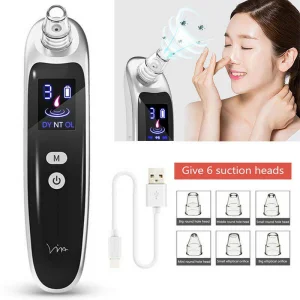
LCD Display 3 Speeds Sucking Pore Cleanser Beauty Care Product Acne Removal Blackhead Remover Vacuum
View Specifications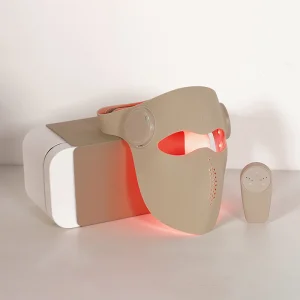
Professional Infrared Led Mask Red Light Therapy Mask Face Led Light Therapy Mask
View Specifications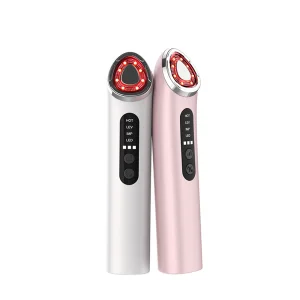
Skin Care Device Facial Roller Vibration Face Neck Lifting Wireless Microcurrent Face Massager Tool For Puffiness
View Specifications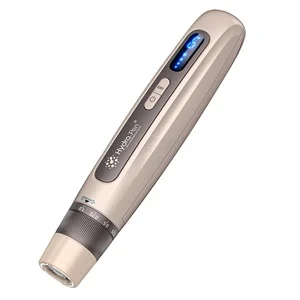
Seaheart Hydra Microneedling Pen Kit Wireless Derma Pen 12Pins Cartridge EMS Micro Current Face Care Beauty 0.25mm 1.0mm
View Specifications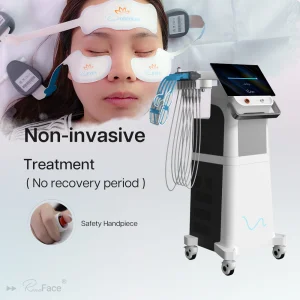
Renaface Radio Frequency Electromagnetic Face Muscle RF Lifting Facial Sculpting Machine Price
View Specifications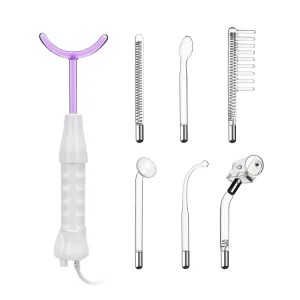
Customized logo High Frequency Wand logo Violet Ray Wand High Frequency Portable Face Probe
View Specifications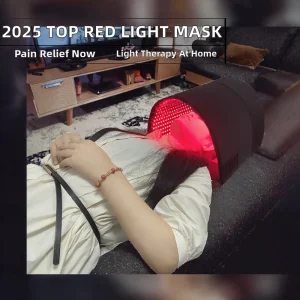
Shanglaite T150 Hand Held Pain Relief Red & Near-Infrared Light Therapy Mask for Head 70x30cm 100W High-Efficiency LED Home Use
View Specifications