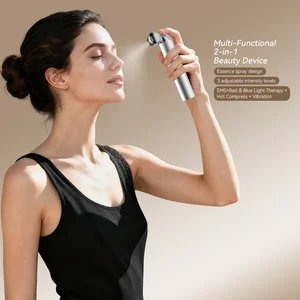
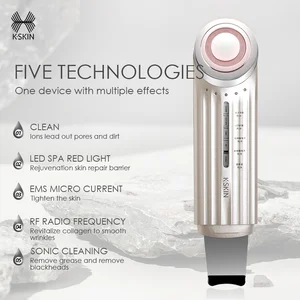
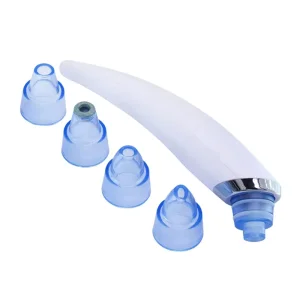
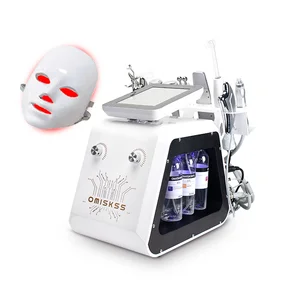
Featured Phototherapy & Aesthetic Devices
Engineered to comply with global medical quality parameters, providing precise clinical energy delivery and exceptional safety profiles.
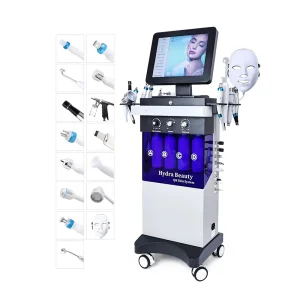
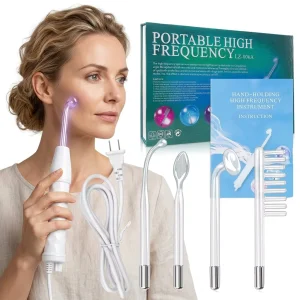
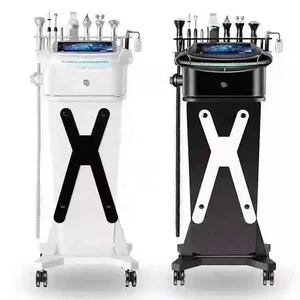
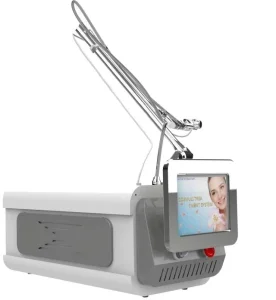
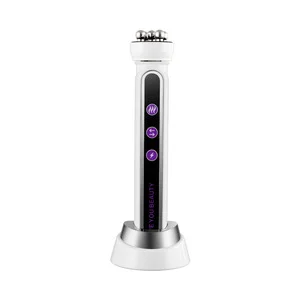
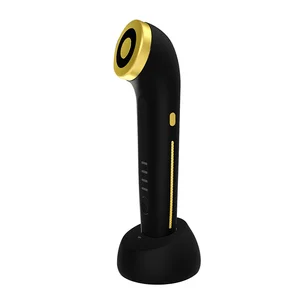
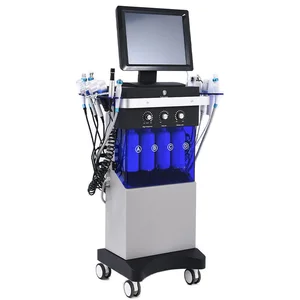
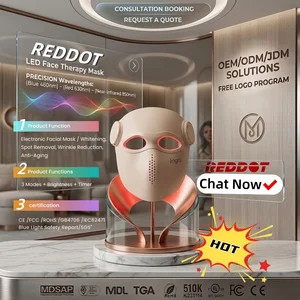
The Landscape of Chinese Photobiomodulation Manufacturing
As global consumer demand shifts towards non-invasive, evidence-based dermatological therapies, the market for LED and laser light therapy devices has experienced explosive growth. Light therapy—incorporating red, near-infrared (NIR), blue, and yellow light wavelengths—works at a cellular level. Specifically, wavelengths like 630nm to 660nm (Red) and 830nm to 850nm (Near-Infrared) penetrate targeted skin tissue, stimulating cytochrome c oxidase within the mitochondria to increase Adenosine Triphosphate (ATP) production, accelerate microcirculation, and boost collagen synthesis.
Chinese manufacturers have evolved from basic electronics assemblers into cutting-edge R&D centers. Leveraging deep integration with optical research institutions, raw materials sourcing corridors (predominantly in the Guangdong Pearl River Delta), and automated assembly lines, Chinese factories produce over 75% of the world's commercial and consumer-grade phototherapy devices. Crucially, these facilities prioritize stringent optical testing metrics, such as ensuring precise irradiance (mW/cm²) output, uniform light distribution, and advanced heat dissipation to prevent thermal degradation of LEDs.
Industry Spotlight: Dongguan BryMax Beauty Co., Ltd.
Dongguan BryMax Beauty Co., Ltd. is a national high-tech enterprise dedicated to the research, development, production, and global distribution of cutting-edge household beauty and personal care devices. Our extensive product portfolio includes laser hair removal instruments, facial care devices, hair dryers, and other innovative small household appliances, all designed to improve the quality of everyday life and promote personal wellness.
Driven by a commitment to technological innovation and product excellence, BryMax Beauty has secured numerous design patents and globally recognized certifications, including NMPA certification in China, FDA certification in the United States, PSE certification in Japan, CE certification in the European Union, and SFDA certification in the Middle East. Our products enjoy strong sales in over 30 countries and regions, earning widespread acclaim from customers and industry partners alike.
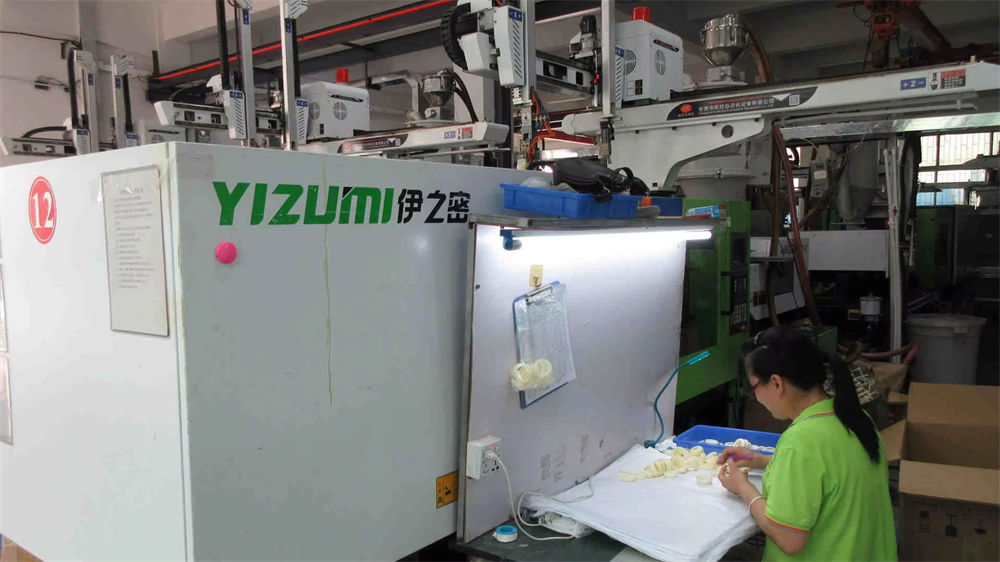
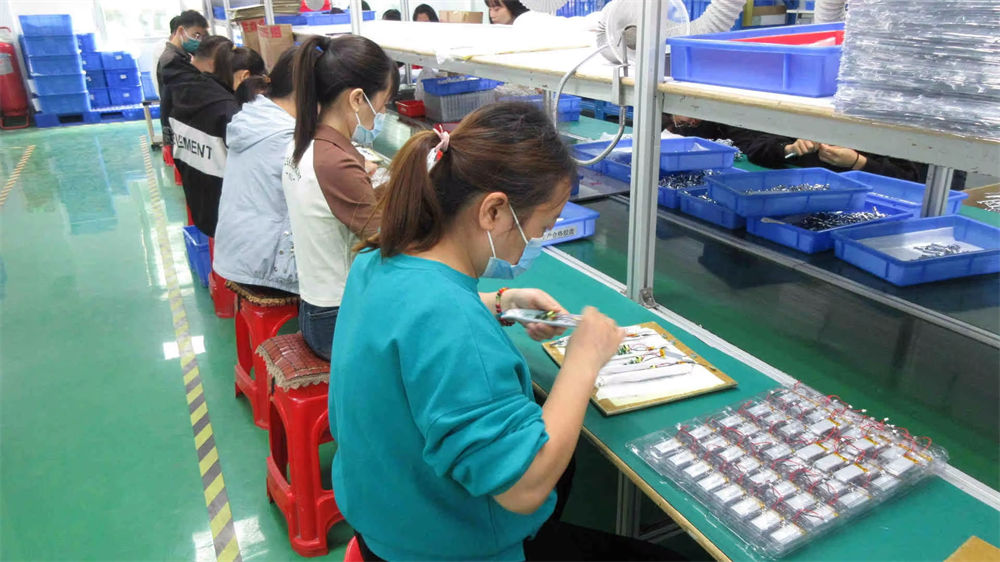
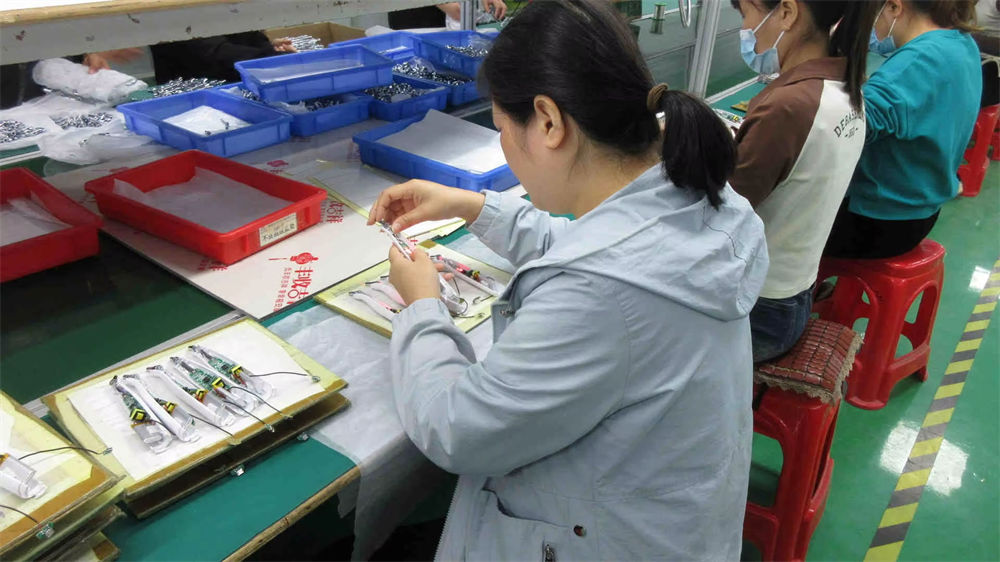
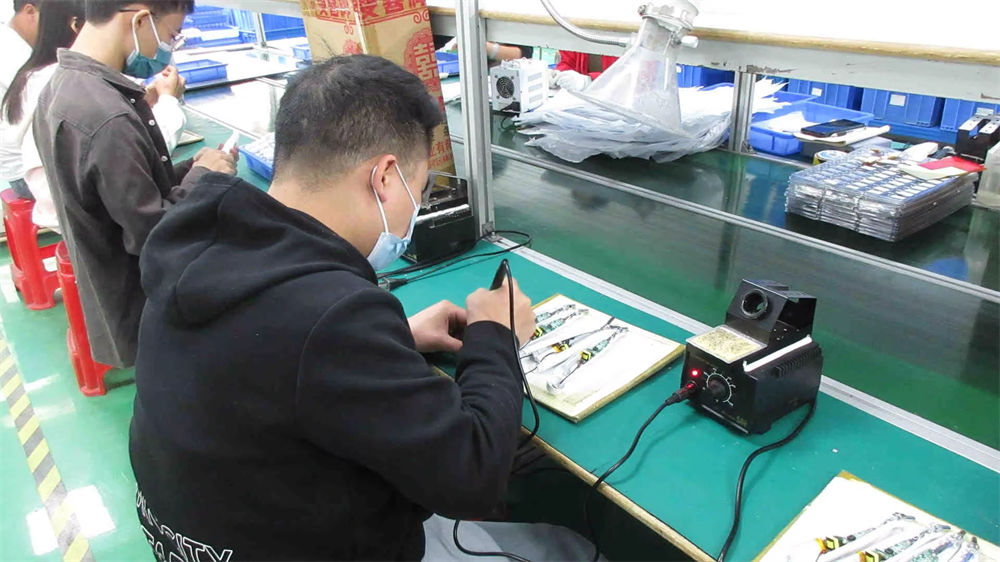
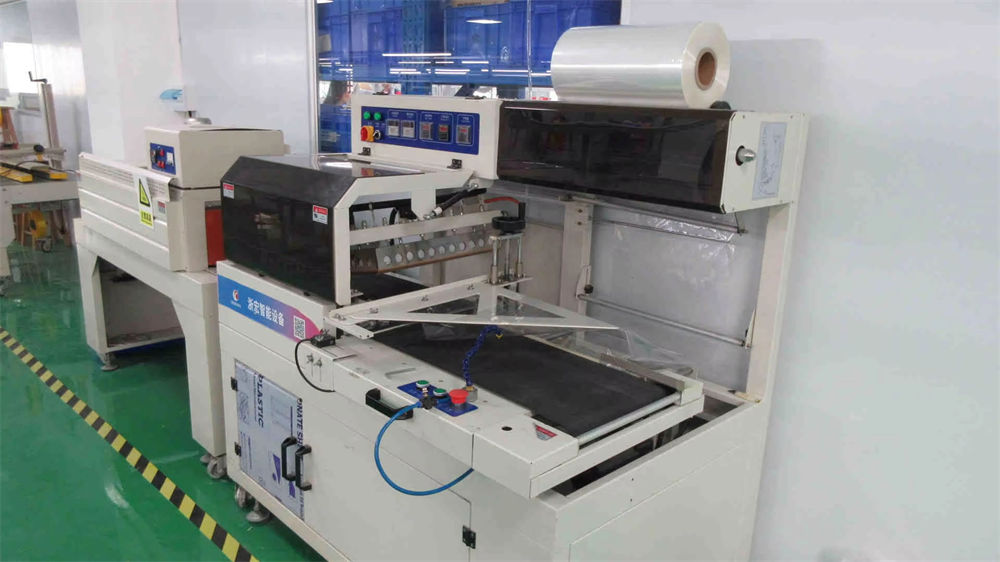
Our advanced manufacturing center is constructed entirely in accordance with medical device standards, ensuring the highest levels of precision, reliability, and safety. BryMax Beauty emphasizes rigorous quality control at every stage of production, from design and development to manufacturing and after-sales service, ensuring that every product meets international standards and exceeds customer expectations.
Under the Hood: Standardized Manufacturing Processes
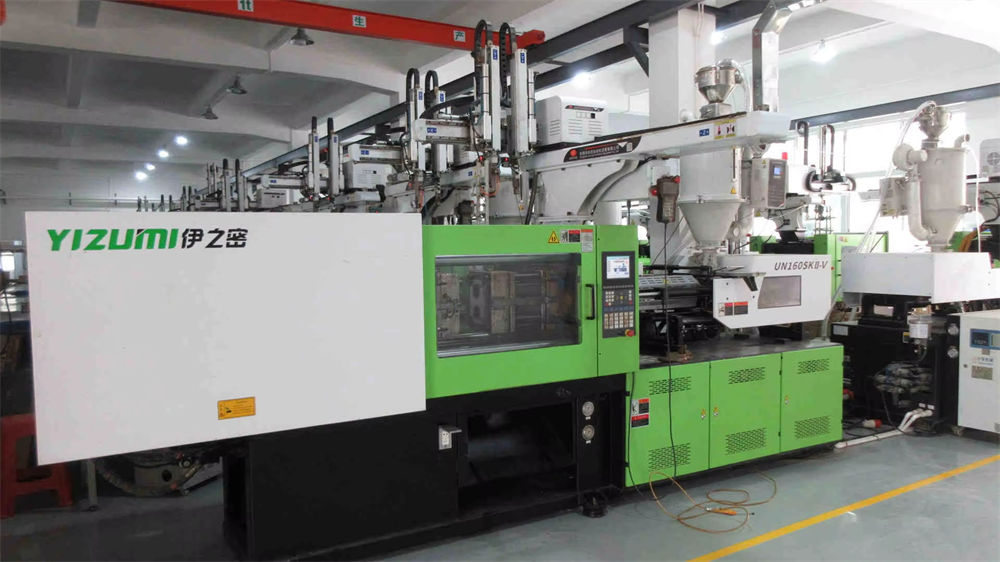
From injection molding to final optical and electrical verification, take a visual walk-through of our industrial line.
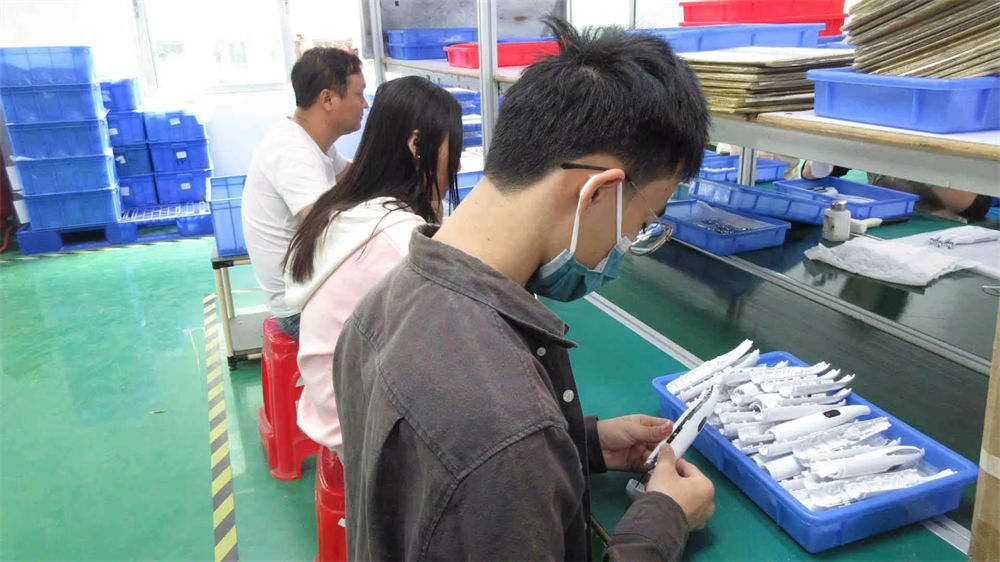
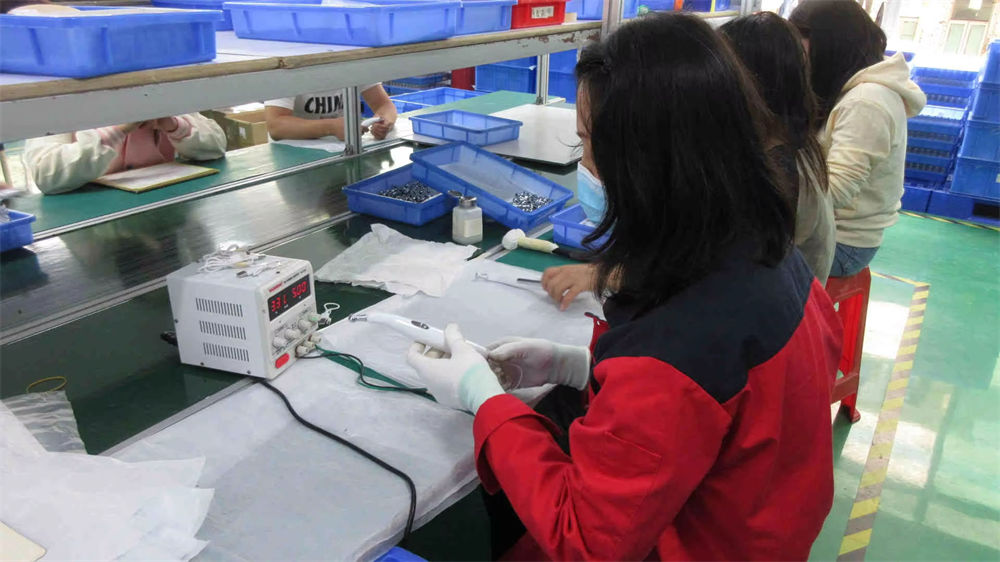
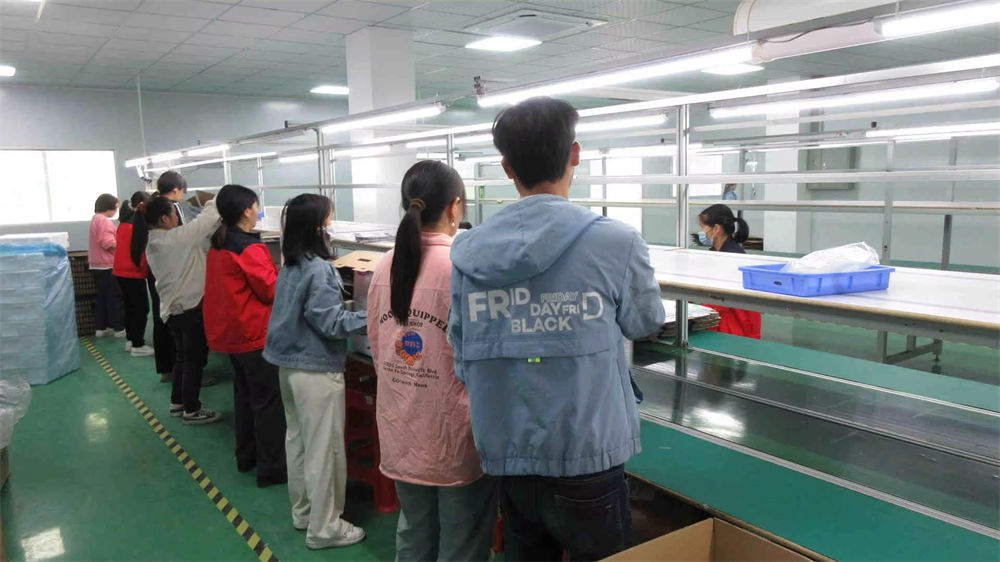
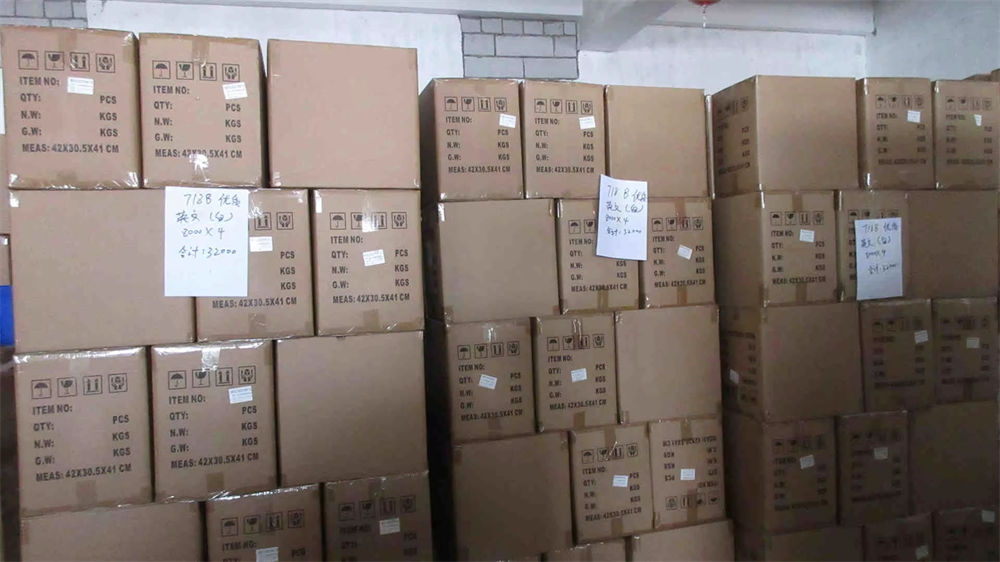
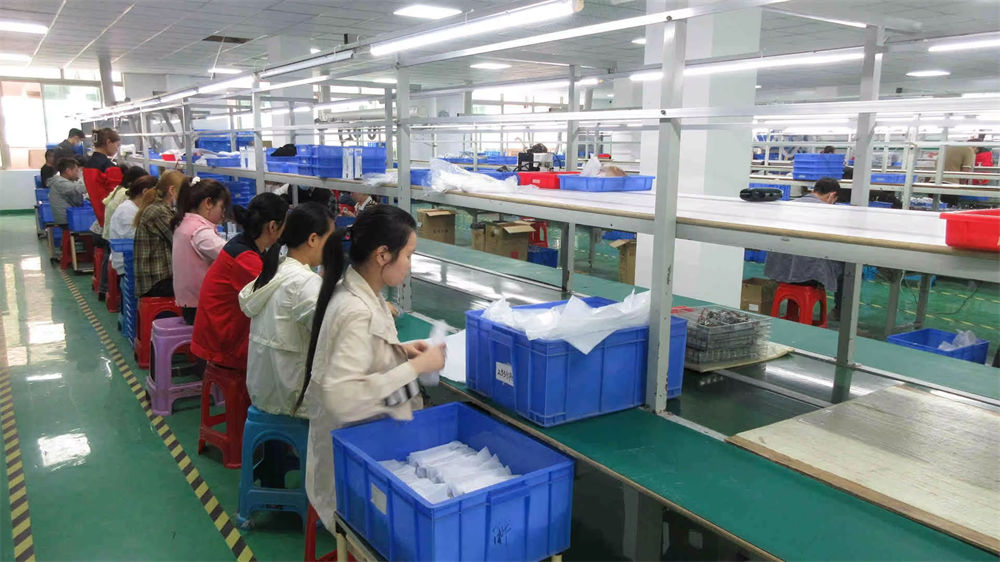
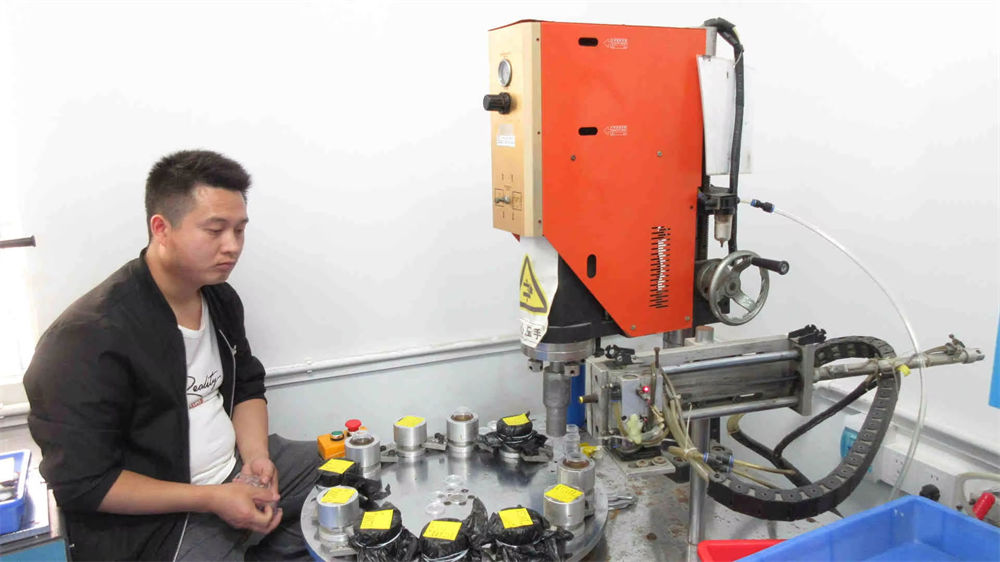
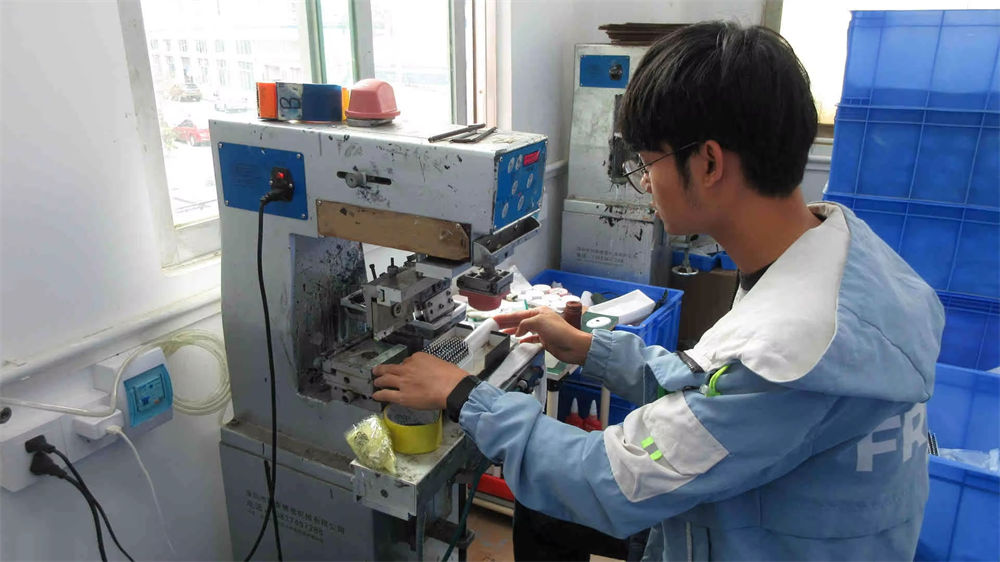
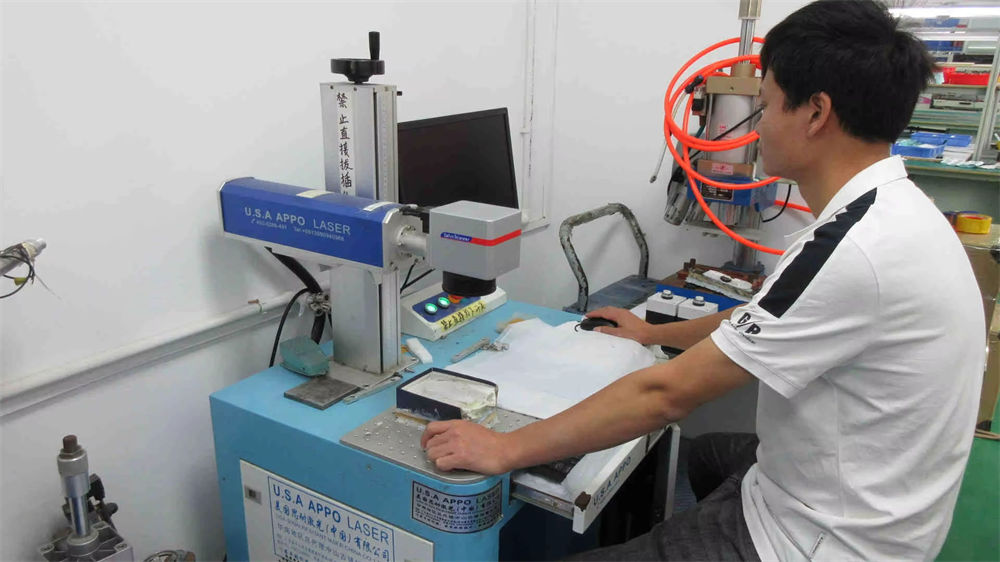
Why Direct Sourcing from Top Chinese Exporters is Advantageous
Analyzing the structural benefits of the Chinese manufacturing ecosystem for light therapy, laser, and electrical skin care devices.
Supply Chain Verticals
Immediate proximity to premium semiconductor LED packaging facilities, custom driver board manufacturers, and optical lens molding firms allows for hyper-fast design iteration loops.
Regulatory Framework compliance
Experienced exporters offer turn-key documentation suites including US FDA 510(k), EU MDR Class IIa, Japanese PSE, and global IEC 60601-1-2 EMC test reports, accelerating local product launches.
Advanced OEM/ODM Capabilities
From custom shell mold prototyping using internal injection capabilities to designing multi-wavelength arrays (660nm + 850nm + 415nm), factories tailor units to precise medical & aesthetic requirements.
B2B Integration Scenarios & Macro Market Solutions
1. Medical Spas & Cosmetic Dermatology Clinics
In professional environments, light therapy acts as an essential adjunctive treatment following high-energy skin procedures like fractional CO2 laser, micro-needling (RF), or chemical peels. Clinical-grade LED booths or highly concentrated facial arrays soothe the skin, decrease erythema (redness), and significantly reduce downtime. Chinese exporters design and supply multi-functional workstations equipped with precise irradiance sensors to monitor therapeutic dosage.
2. Direct-to-Consumer (DTC) Beauty & Wellness Brands
The rapid expansion of the home-use beauty device market requires compact, aesthetic, and battery-operated tools. From wearable flexible silicone LED face masks to microcurrent-integrated LED wands, factories offer customization options including private label packaging, bespoke industrial design, and smart application integration via Bluetooth to track treatment cycles.
3. Rehabilitation, Sports Medicine & Pain Management Centers
Photobiomodulation is not limited to skincare. Near-infrared (850nm) therapy is highly sought after by rehabilitation clinics for deep muscle recovery and joint relief. Large-format light panels and targeted light therapy wraps designed by Chinese specialized factories offer deep tissue penetration, aiding athletes in rapid muscle recuperation and injury management.
Essential Verification Checklist for Global Sourcing Managers
Purchasing medical or cosmetic devices from international factories requires technical validation beyond basic price negotiation. Standardizing your quality assurance checks minimizes regulatory friction and ensures consistent product performance.
Key Technical Metrics to Audit:
- Spectral Wavelength Precision: Check if the manufacturer uses spectrometer testing to verify that output wavelengths do not drift (e.g., ensuring a nominal 660nm wave remains within ±5nm variance).
- Irradiance Density ($mW/cm^2$): The density of optical power directly correlates with clinical outcomes. A high-quality mask or panel should deliver adequate irradiance at designated distances (e.g., $30mW/cm^2$ at 10cm) without producing dangerous heat levels.
- EMF Emissions & Electrical Safety: Confirm compliance with IEC 60601 testing protocols. Devices must not emit harmful electromagnetic frequencies near the user's face.
- Driver Board & Heat Sink Integrity: Overheating degrades LED chips quickly, shifting the wavelength output. Inquire about the thermal management materials (e.g., aluminum core PCBs or silent fan ventilation systems).
Frequently Asked Questions: Global Light Therapy Device Sourcing
Essential insights regarding clinical certifications, technical capabilities, and factory cooperation modes.
Explore Additional Aesthetic Technologies
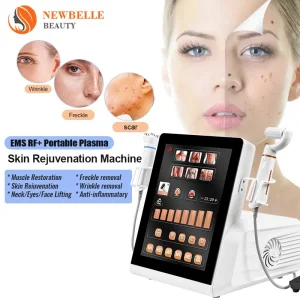
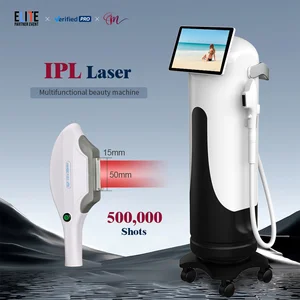
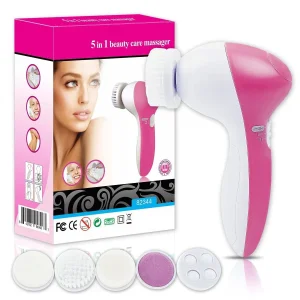
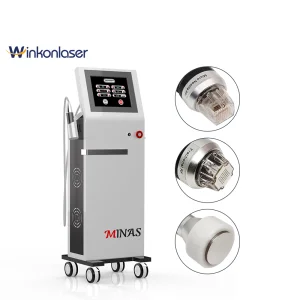
From cold plasma devices to radio frequency systems, our manufacturing solutions cover the full spectrum of modern skincare technologies.