Innovative Optical Acne Care Systems
Pioneering B2B Aesthetic Solutions for Clinics, Spas, and High-End Retail Brands
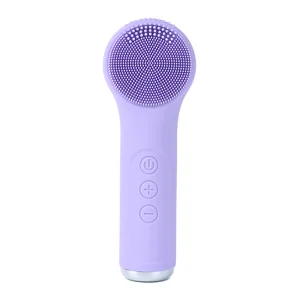
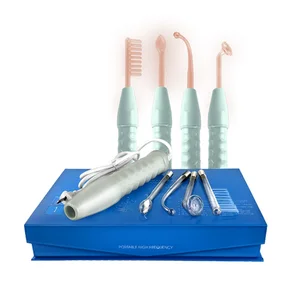
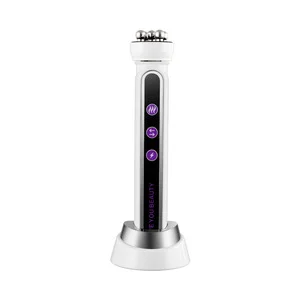
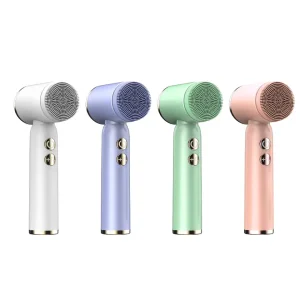
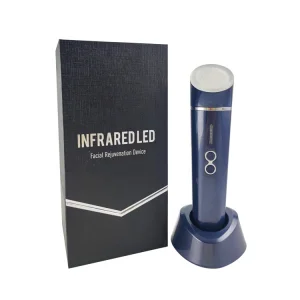
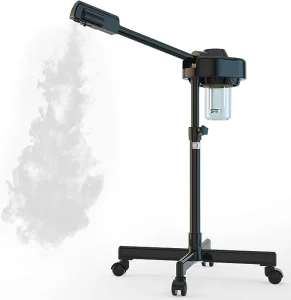
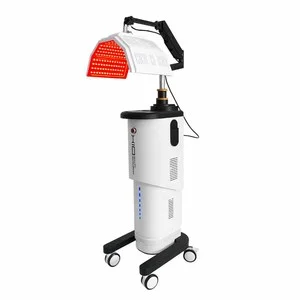
Modern Evolution of Light-Based & Laser Acne Treatment Technologies
Acne vulgaris remains one of the most common dermatological challenges globally, impacting millions of adolescents and adults alike. While traditional treatments relied heavily on systemic antibiotics and topical retinoids, the rise of biophotonics and advanced optoelectronics has opened a new era of non-invasive, drug-free acne therapies. The global market is witnessing an unprecedented transition from high-cost clinical setups to highly precise, regulatory-compliant home-use and commercial-grade personal care devices.
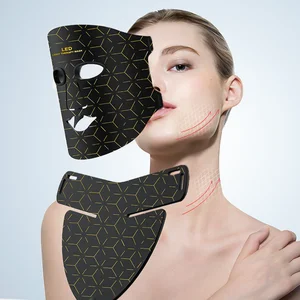
Modern clinical research highlights the synergistic application of specific electromagnetic wavelengths to curb acne breakouts. Specifically, wavelengths between 415nm (blue light) and 630nm-850nm (red/infrared light) have become the gold standard in aesthetic dermatology. Blue light targets and excites endogenous coproporphyrin III inside the Cutibacterium acnes (C. acnes) bacteria, leading to singlet oxygen production and bacterial self-destruction. Concurrently, red and near-infrared (NIR) light penetrate deeper dermal layers, reducing cellular inflammation, optimizing localized microcirculation, and accelerating tissue repair processes.
Did you know? Incorporating low-level light therapy (LLLT) and specialized high-frequency oscillation devices in daily beauty protocols can improve acne resolution metrics by up to 76% when matched with appropriate pre-treatment skin prepping.
Technological Advancements Driving the Current Market
In addition to traditional photodynamic therapy (PDT) systems, contemporary manufacturers are integrating multi-modal approaches to acne management, combining:
- High-Frequency Plasma Discharge: Ionizing gases in the air to produce ozone (O3), which acts as a powerful broad-spectrum antimicrobial agent directly on the epidermis.
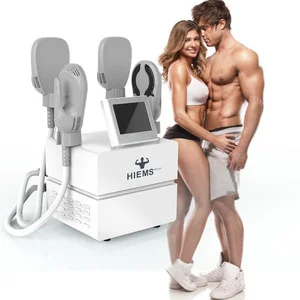
- Microcurrent and EMS (Electrical Muscle Stimulation): Stimulating adenosine triphosphate (ATP) synthesis, enhancing the delivery of anti-acne topical formulations via iontophoresis.
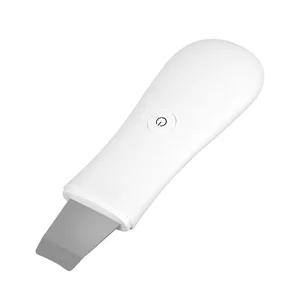
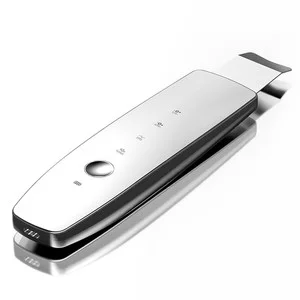
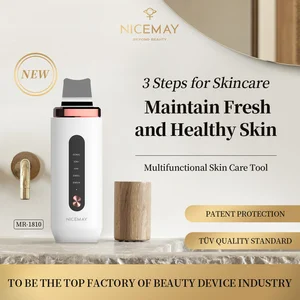
- Focused Thermal Heating and Ultrasonic Vibrations: Liquefying excess sebum and clearing follicular keratotic plugs within the sebaceous ducts.
Multi-Spectral Efficacy
Utilizing high-purity medical LED arrays delivering precise wavelengths (415nm blue, 630nm red) with zero thermal damage risks.
Clinical Compliance
Manufactured and tested under global medical standards, fully meeting CE MDR, FDA clearance, and ISO 13485 standards.
Intelligent UI/UX
Seamlessly featuring integrated LCD interfaces, auto-shutoff safety sensors, and ergonomics engineered for comfort.
Global B2B Procurement Dynamics & Market Demands
For B2B buyers, importing medical and aesthetic hardware represents a significant capital investment that requires extensive vendor due diligence. In today's landscape, buyers look beyond price per unit; they evaluate manufacturing scalability, engineering integrity, and regulatory compliance. The demand curves across various regions tell a clear story:
- North America & EU Markets: Demand is heavily skewed toward home-use personal care systems that boast FDA 510(k) clearances, CE MDR approvals, and eco-friendly packaging materials. Brands look for customization capabilities (OEM/ODM) to distinguish their products on platforms like Amazon or in physical retail stores like Sephora.
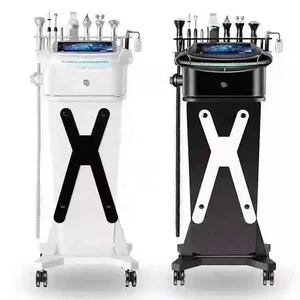
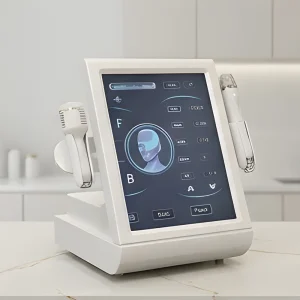
- Asia-Pacific & Middle East: Driven by expanding spa cultures and premium aesthetic clinics, there is a rising demand for multi-functional systems that combine high-frequency therapies, ultrasonic scrubbing, and microcurrent stimulation in one integrated platform.
- South America: Importers focus heavily on sourcing reliable, mid-tier clinical devices that feature high longevity and low maintenance costs to support distributed regional spa networks.
Addressing Sourcing Concerns: Security, Lead Times, and IP Protection
A primary friction point for international B2B buyers is navigating intellectual property (IP) protection and quality consistency when dealing with overseas manufacturers. Top-tier Chinese exporters address these concerns by offering comprehensive patent disclosures, establishing clear Non-Disclosure Agreements (NDAs), and opening up their complete quality management systems (QMS) for third-party auditing.
China Industry 4.0: Supply Chain Resilience & High-Tech Manufacturing
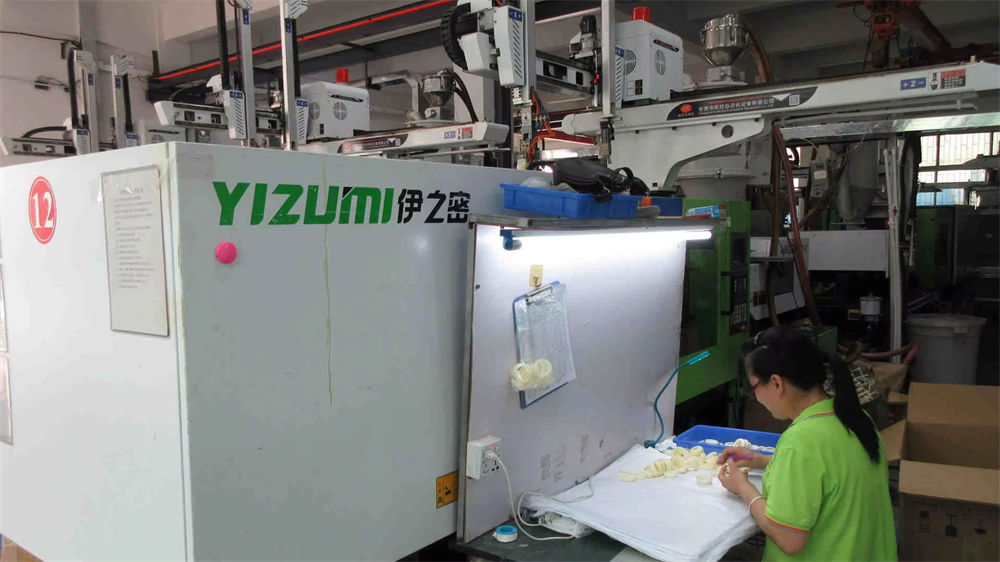
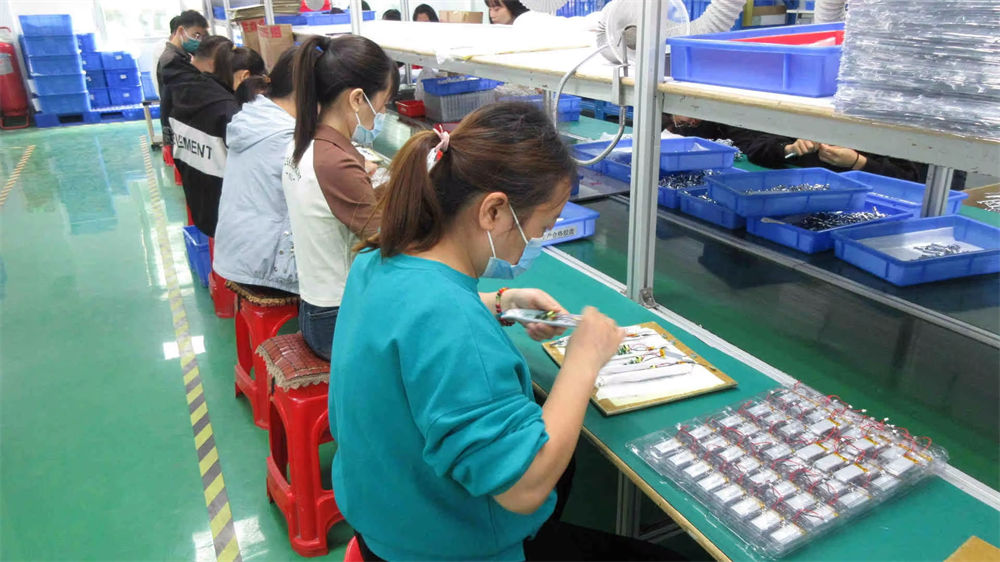
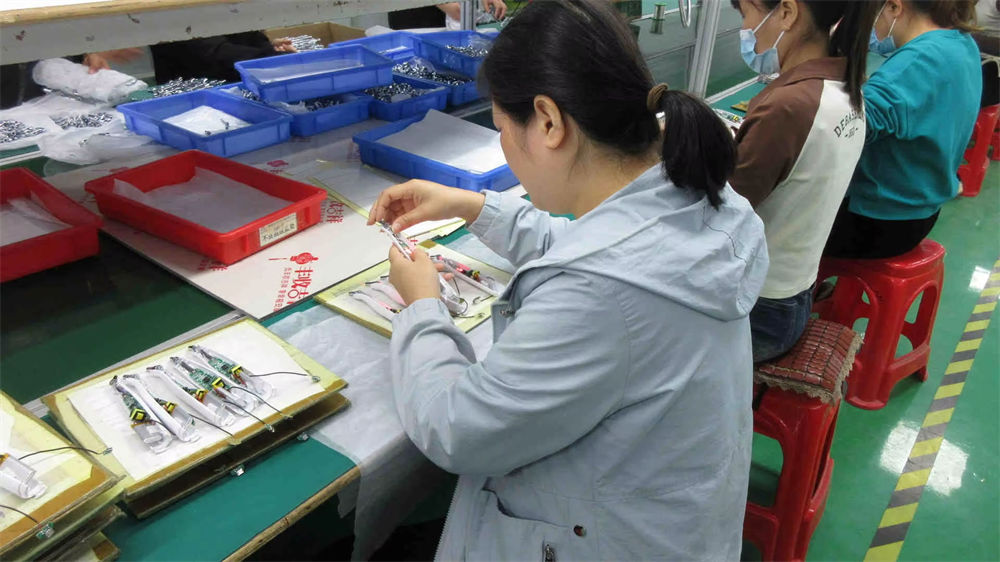
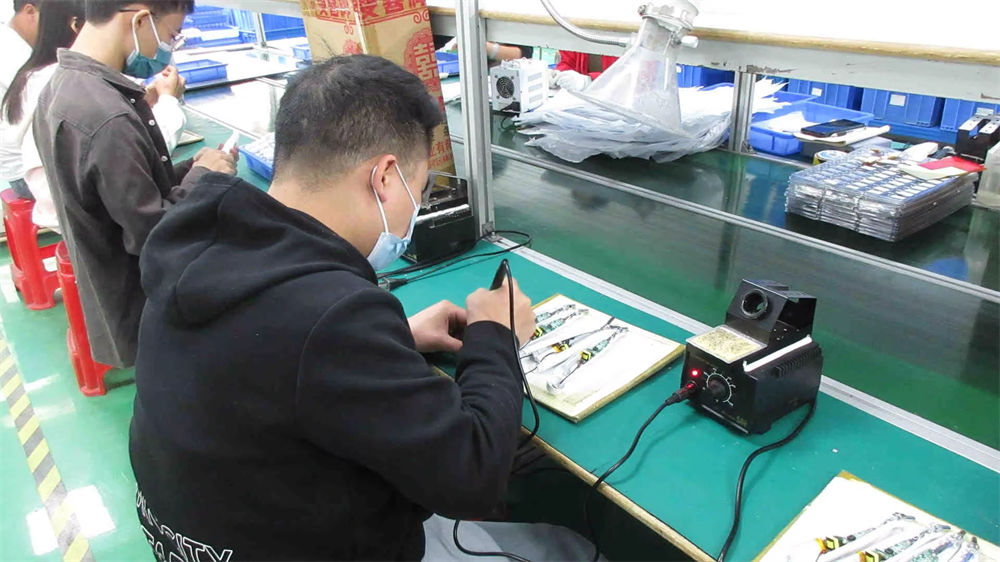
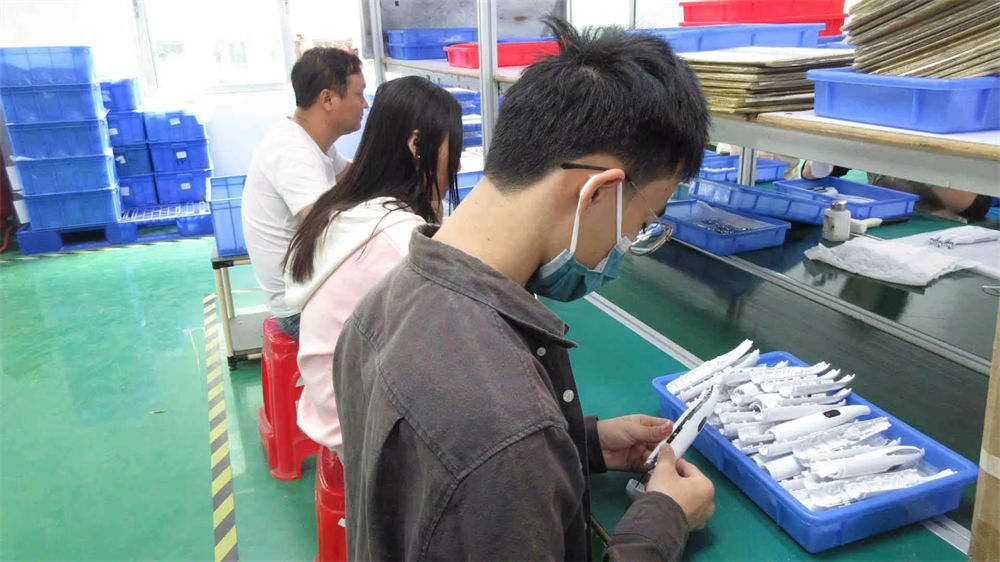
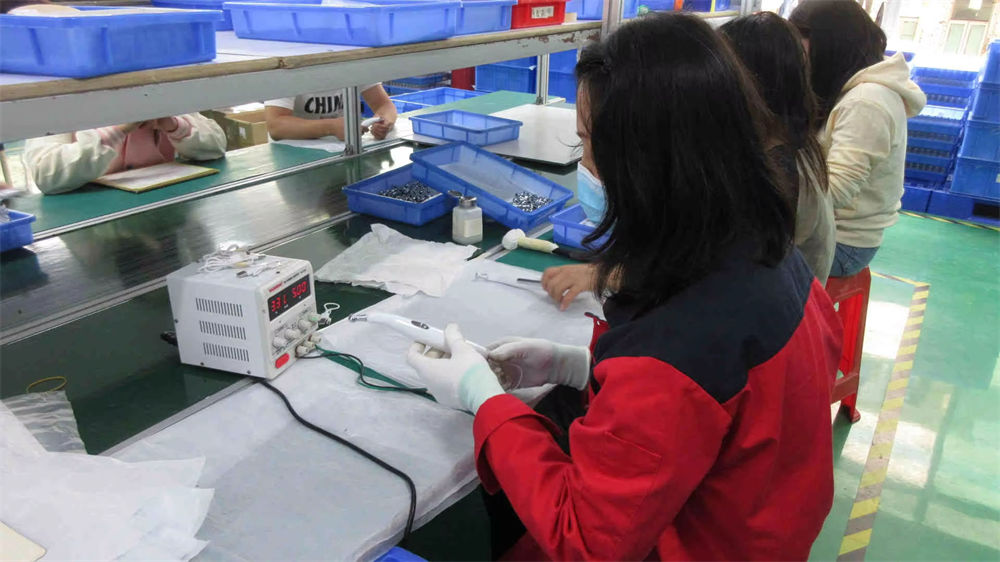
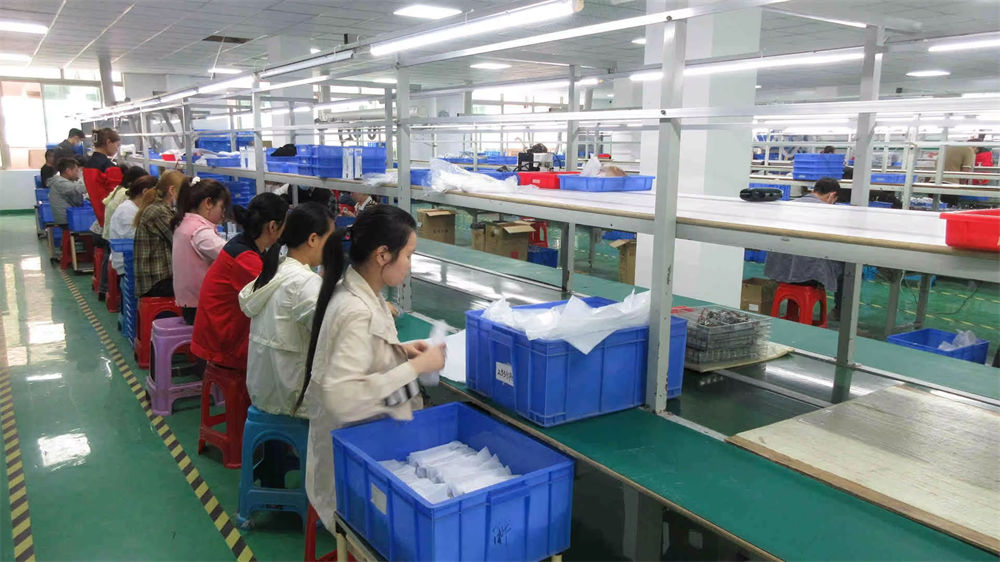
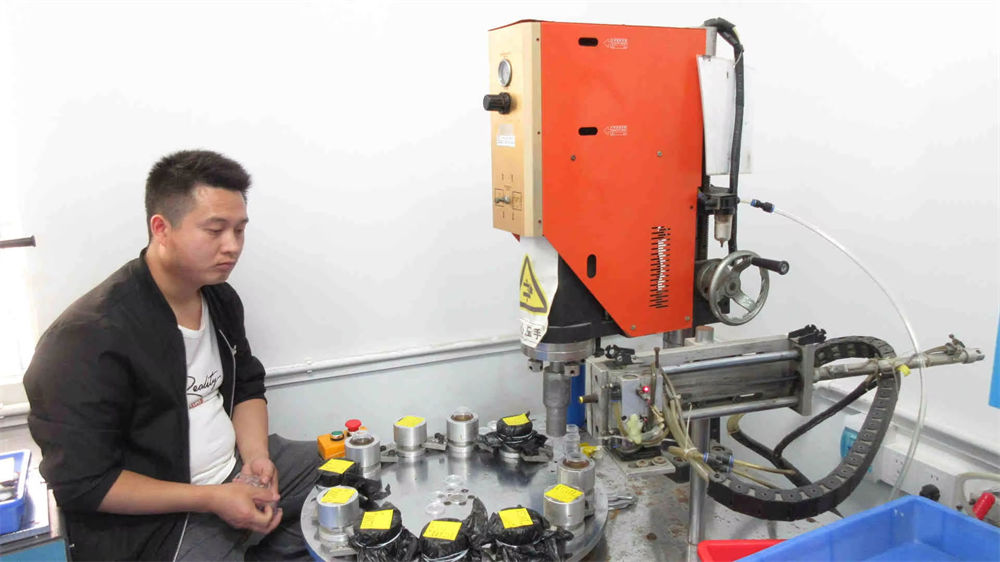
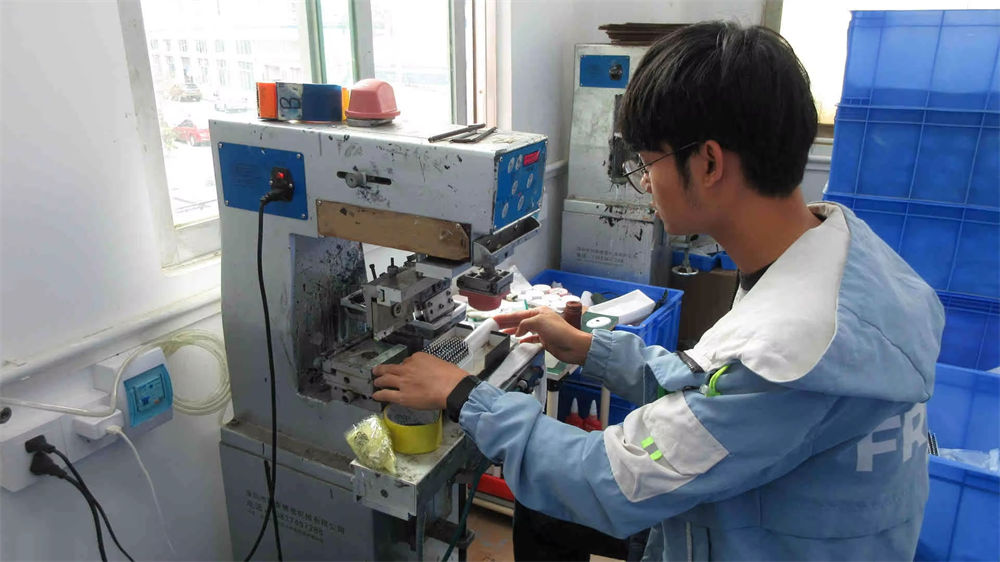
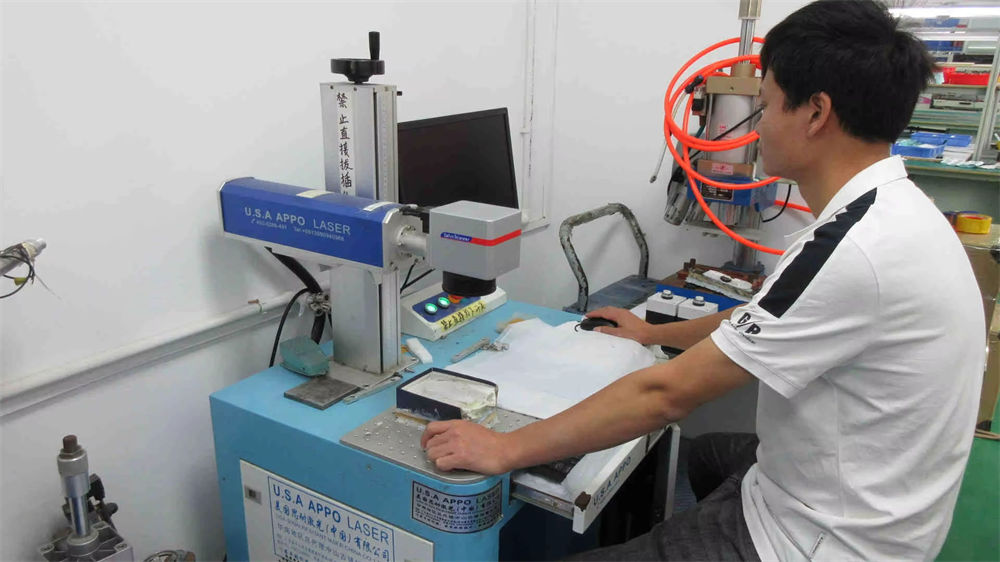
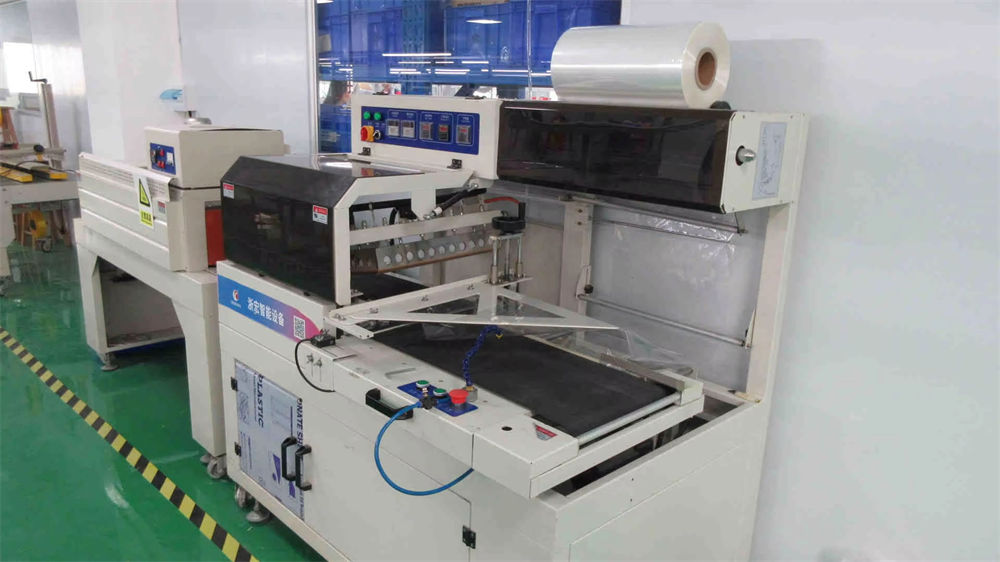
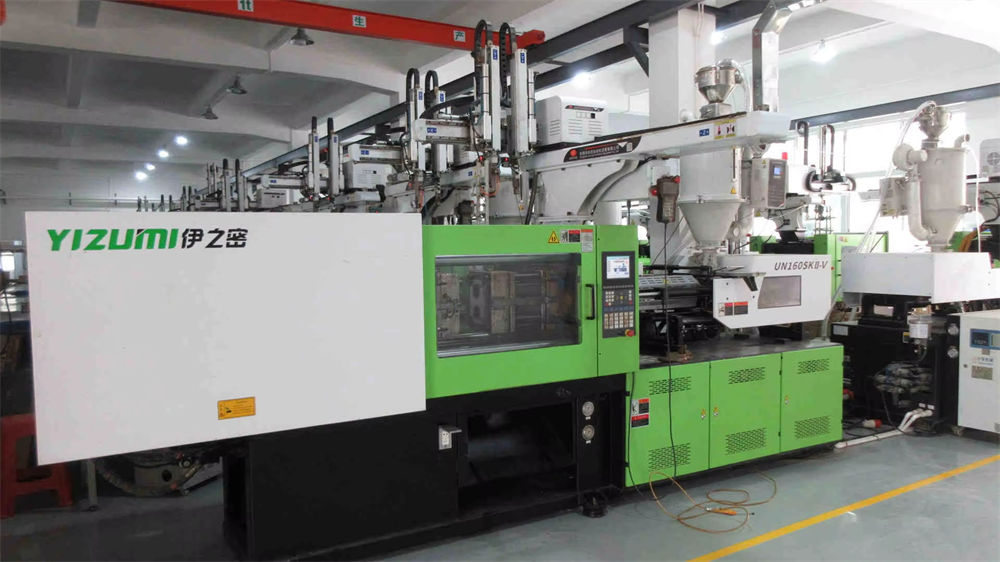
Dongguan BryMax Beauty Co., Ltd. stands at the forefront of China's professional aesthetic equipment sector. Recognized as a national high-tech enterprise, BryMax is committed to the research, development, production, and global export of premium clinical and household skincare technologies. Our manufacturing base, located in Dongguan's advanced industrial corridor, is built to meet medical device standards, ensuring precision and reliability in every production run.
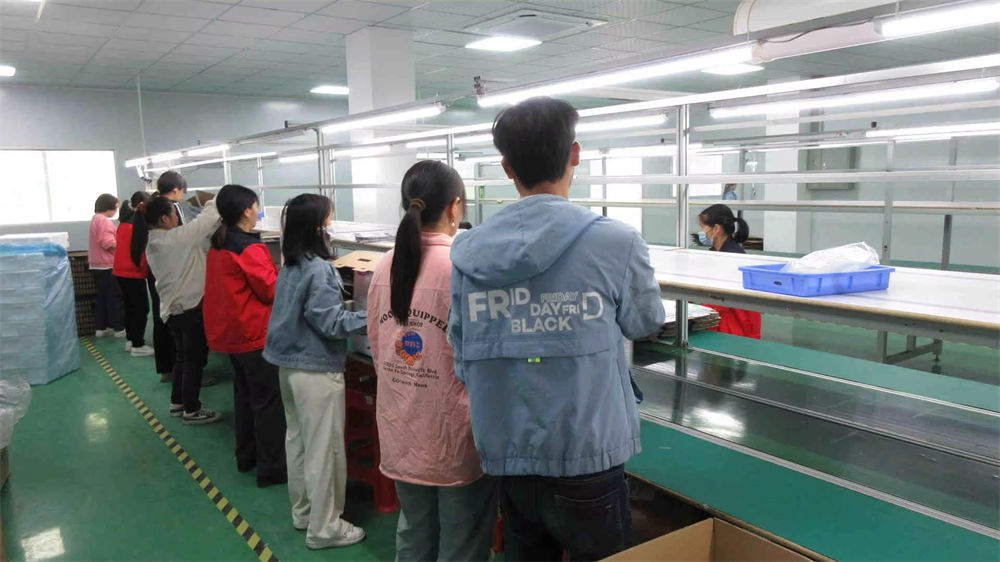
With an extensive R&D framework, BryMax has secured numerous structural and utility patents. Our international credentials include NMPA certification in China, FDA clearances in the United States, PSE certification in Japan, CE certifications in the European Union, and SFDA compliance in the Middle East. Through automated assembly lines, strict quality control procedures, and complete vertical integration, we provide global brands with a resilient supply chain that guarantees consistent quality and on-time delivery.

Clinical Applications & Treatment Protocols
Acne light-therapy devices operate across distinct environments, from medical spas to personal vanity tables. Choosing the right device requires aligning product specifications with the target end-use case:
1. Professional Medical Spas & Aesthetic Salons
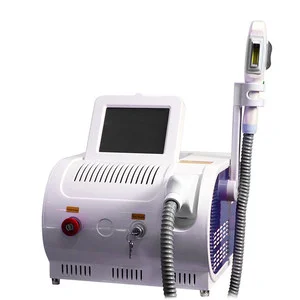
In clinical settings, devices with higher energy densities, active skin-cooling mechanisms, and larger treatment heads are essential. These devices allow professionals to perform rapid treatments and accommodate high patient volumes. Systems like commercial-grade IPL or high-intensity LED systems allow operators to customize pulse widths and delay intervals, tailoring treatments to specific Fitzpatric skin types while minimizing the risk of post-inflammatory hyperpigmentation (PIH).
2. Home-Use Retail & Travel Beauty Devices
In contrast, home-use devices prioritize safety, portability, and ease of use. These systems feature lower fluence levels, built-in skin-contact sensors, and automatic shut-off safety systems. USB-powered rechargeable platforms with high-density lithium batteries are highly popular among busy professionals and travelers who want to maintain their skincare routines on the go.
Custom OEM/ODM Integration for Global Brands
BryMax Beauty provides end-to-end design, development, and private label solutions. We assist aesthetic brands throughout the product lifecycle, from initial industrial designs and PCB layout engineering to plastic injection molding, paint finish optimization, and regulatory submissions. This comprehensive support enables brands to bring high-performing, certified products to market quickly and efficiently.
Acne Treatment Devices FAQ
Direct, Professional Insights Addressing Global Importer Queries and Compliance Standards
Professional & Home-Use Skincare Line
Excellence in Aesthetic Engineering, Built to Match International Regulatory Demands