

Strategic Guide to Pore Extraction Technologies & China Supply Chains
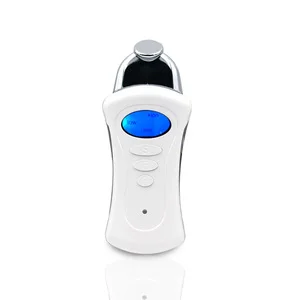
The global skincare technology sector has experienced a profound shift toward targeted, non-invasive mechanical dermatological solutions. Among these, suction blackhead removers (commonly classified as pore vacuum extractors) have transitionally scaled from novelty tools to essential components of domestic aesthetic regimens. This evolution is propelled by clinical advancements in fluid mechanics and local pressure differential engineering. By implementing regulated negative pressure chambers, modern beauty devices achieve targeted sebum extraction without structural damage to dermal cells, presenting a superior alternative to abrasive physical scrubs or high-pressure manual manual extraction.
1. The Scientific Paradigm of Pore Vacuum Extraction
Understanding the physics behind blackhead extraction is critical for global distributors and brand operators. Sebum, dirt, and epithelial debris form a dense, oxidized plug within the follicular infundibulum. Traditional removal methods—mechanical squeezing or metal loops—apply directional compressive force, causing deep tissue micro-tears, capillary rupture, and localized inflammation.
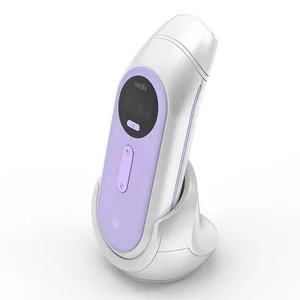
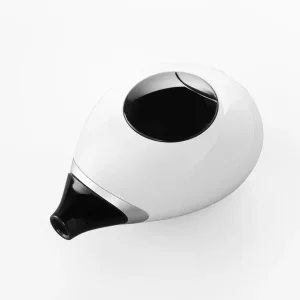
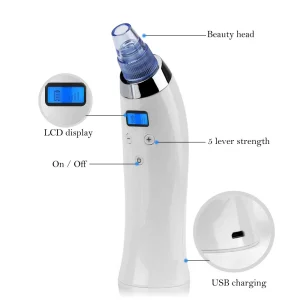
Modern suction blackhead removers employ a centrifugal air pump to establish a localized vacuum over the pore opening. This negative pressure (measured in kilopascals, typically peaking between 50 to 65 kPa) exerts a gentle tensile pull that elongates the follicular canal, detaches the sebum plug from the inner follicle wall, and lifts it intact. BryMax's proprietary research in airflow kinetics ensures that suction forces are applied via pulsed or continuous channels, maximizing pore cleaning while keeping negative pressure below the threshold of dermal tissue capillary injury.
A high-efficiency suction blackhead remover must maintain a precise balance: high enough negative pressure to dislodge solidified lipids (minimum 45 kPa) but restricted to prevent sub-dermal ecchymosis or "bruising" (maximum 65 kPa for sensitive skin profiles). Global brands must ensure their manufacturing partners integrate micro-controllers capable of instant pressure discharge.
2. The Strategic Advantages of China's Beauty Technology Manufacturing
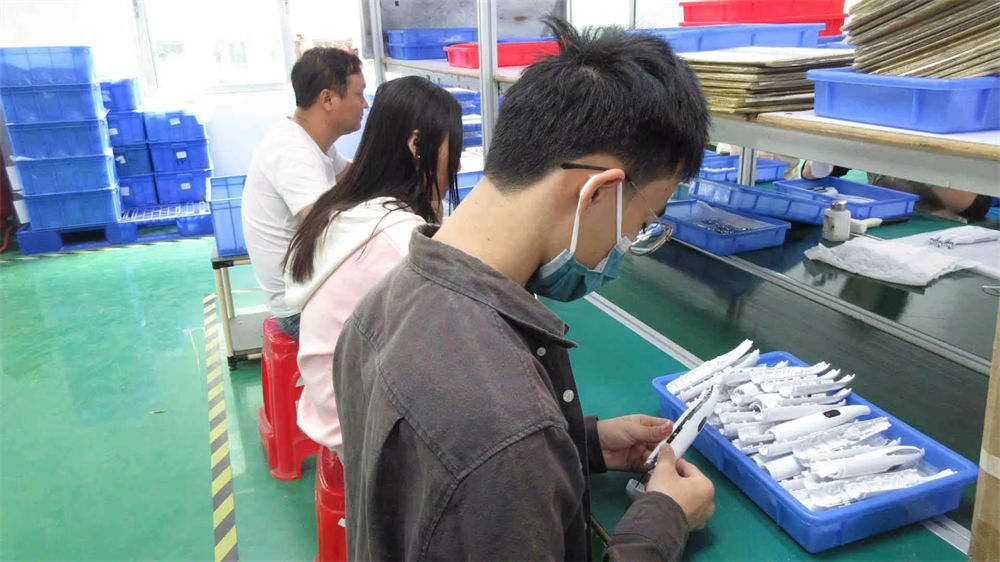
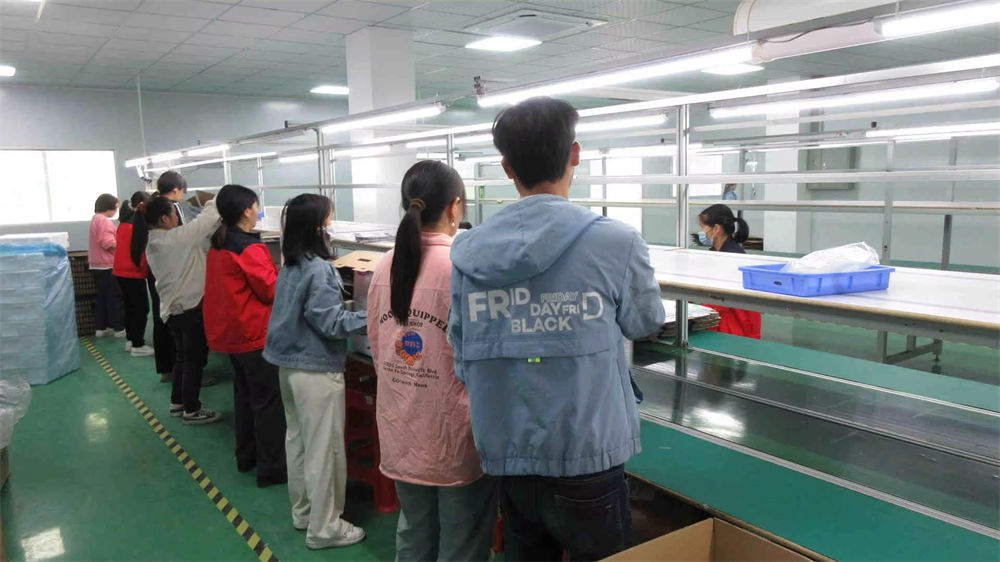
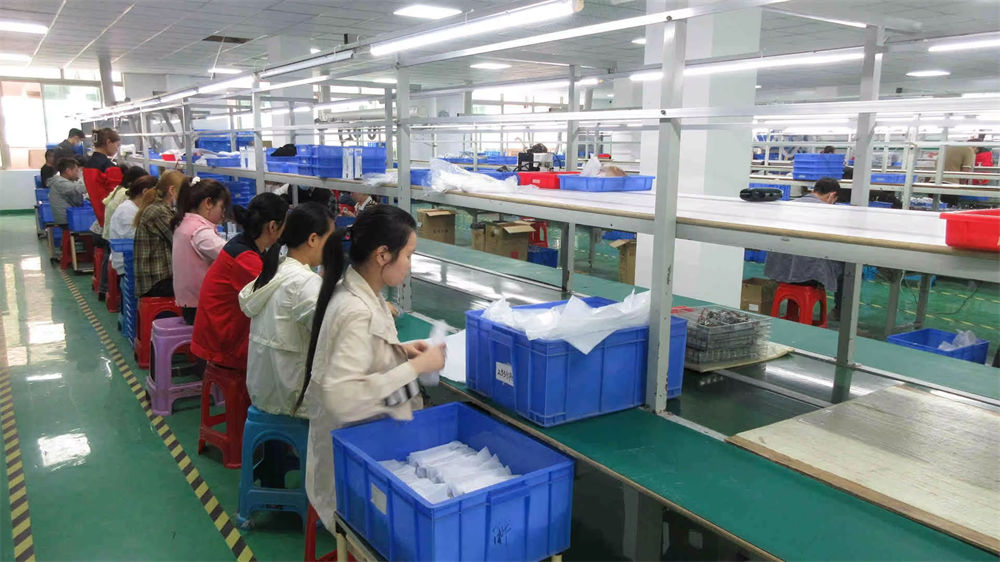
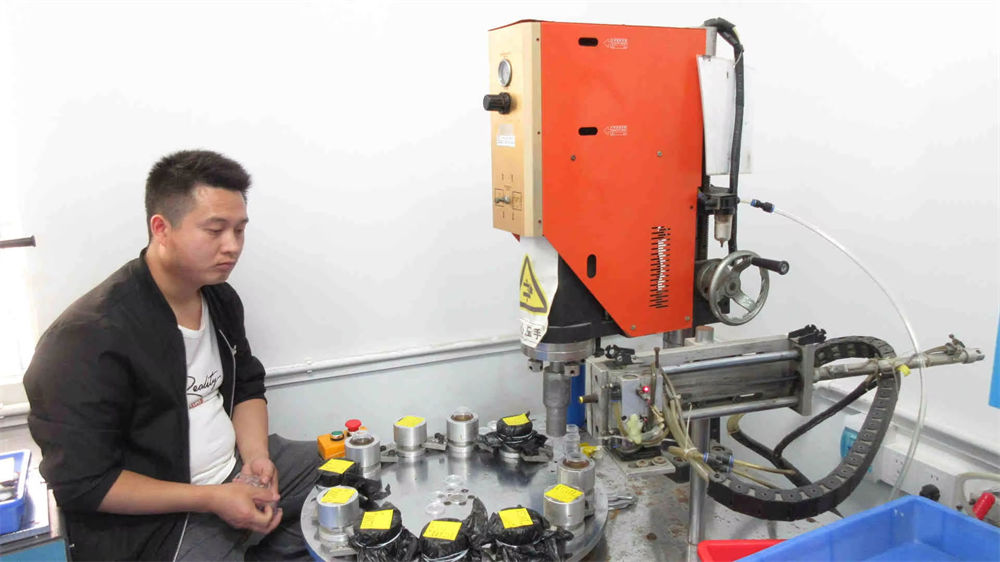
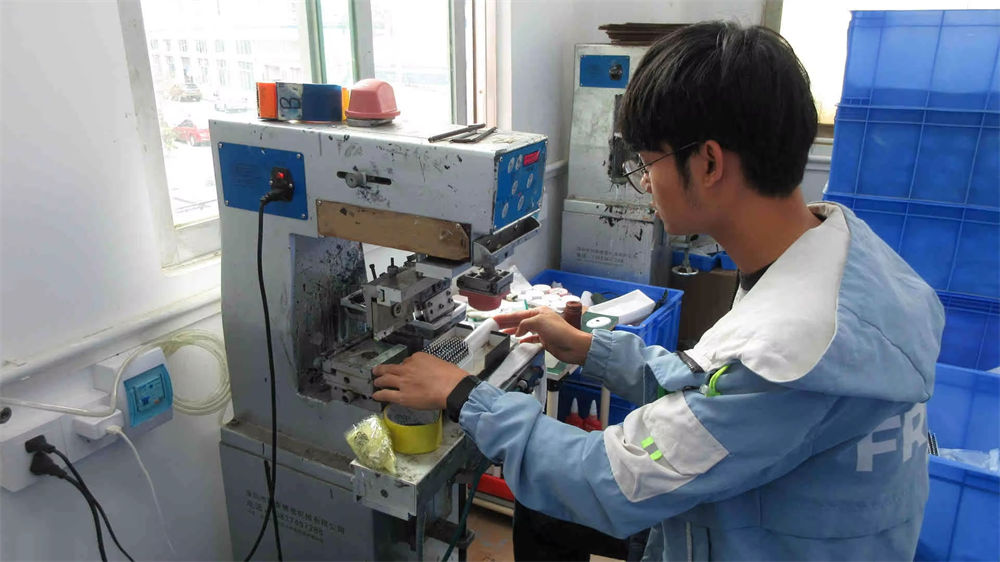
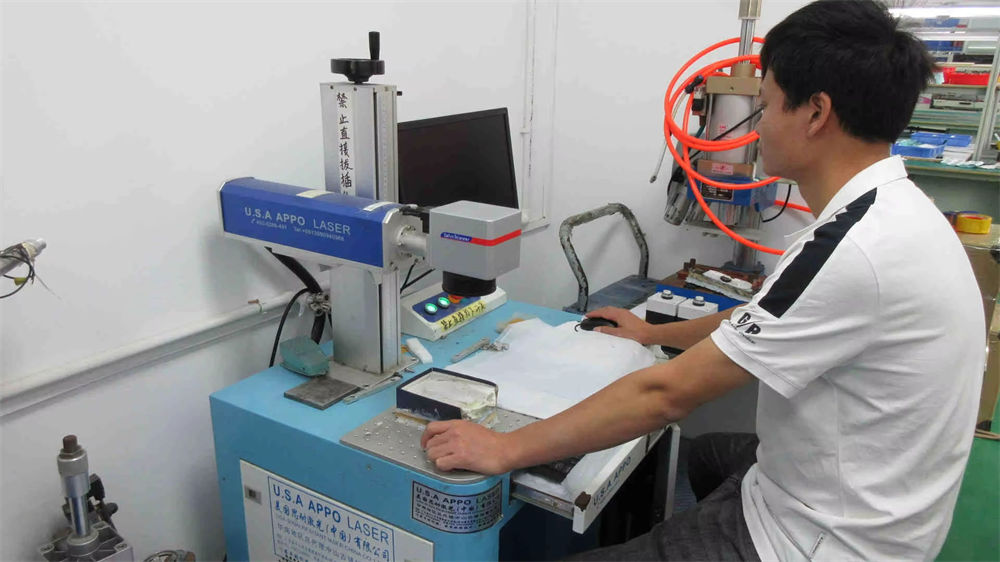
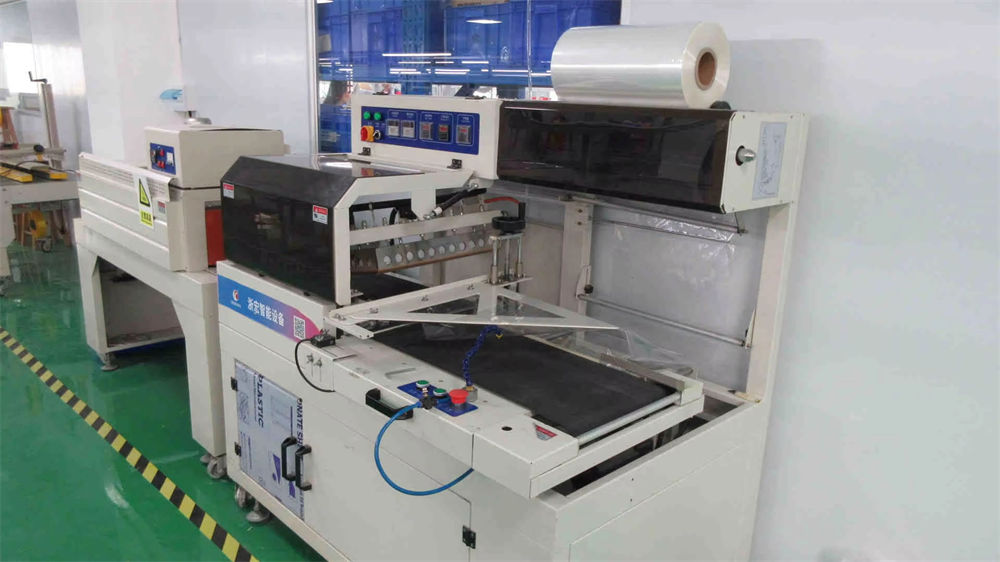
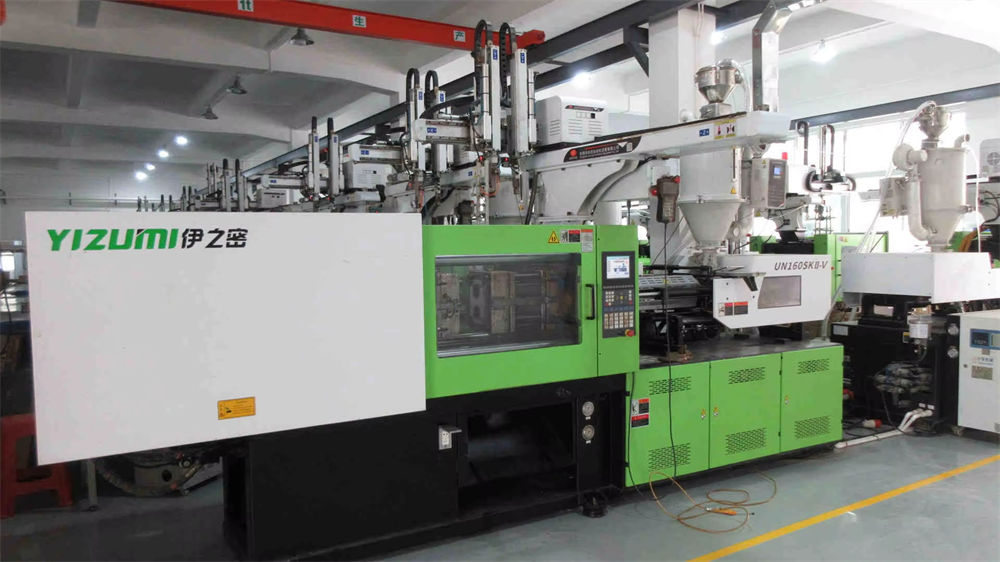
The production of personal care technology requires a highly synchronized manufacturing environment. China, and specifically the Pearl River Delta industrial cluster, represents the global epicenter of personal care engineering. As a leading manufacturer located in Dongguan, Dongguan BryMax Beauty Co., Ltd. leverages this cluster to deliver world-class aesthetic hardware.
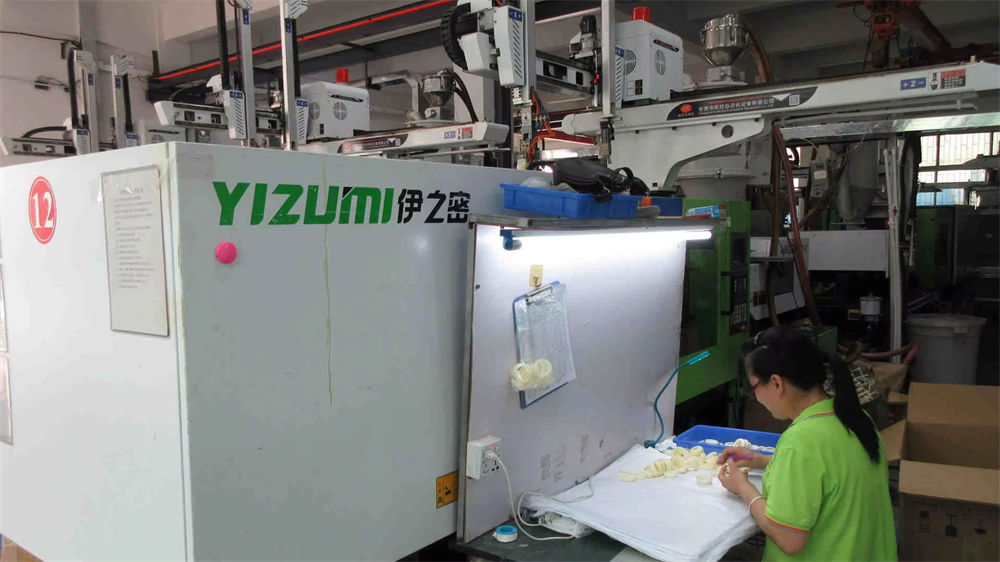
- Advanced Materials and Tooling: Proximity to world-class precision molding and plastic injection tooling guarantees that our medical-grade ABS and biocompatible silicone nozzles exhibit zero chemical leaching and micro-level consistency.
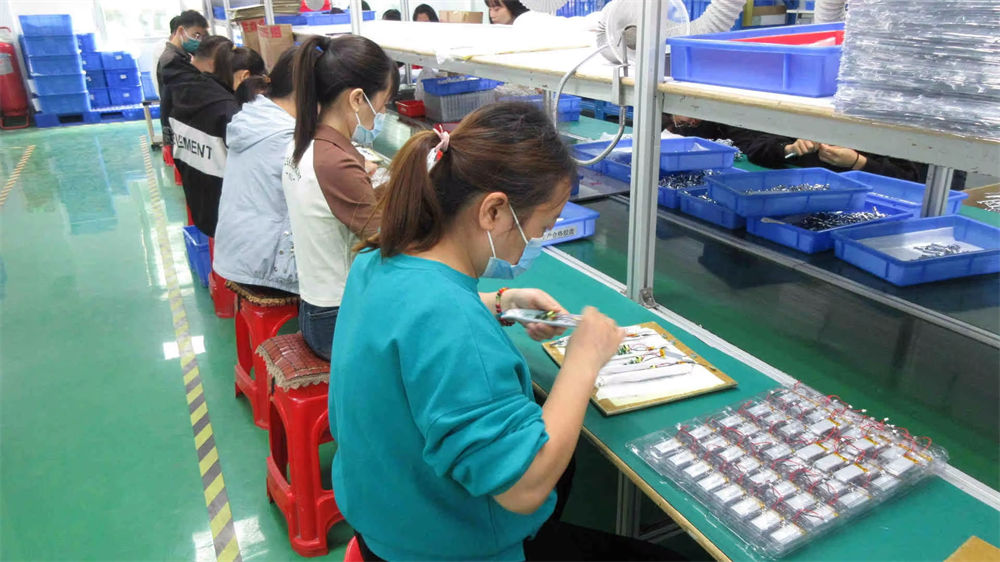
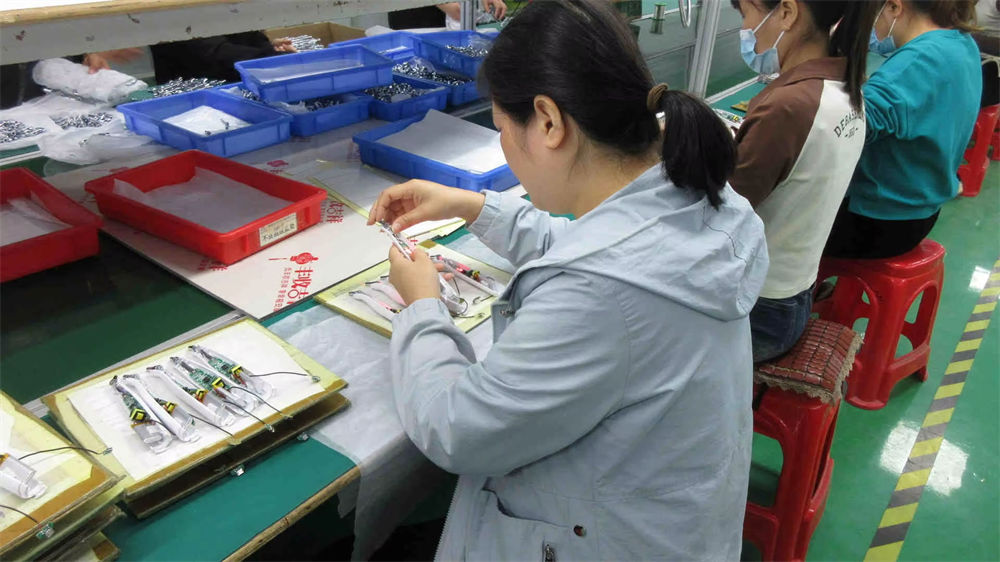
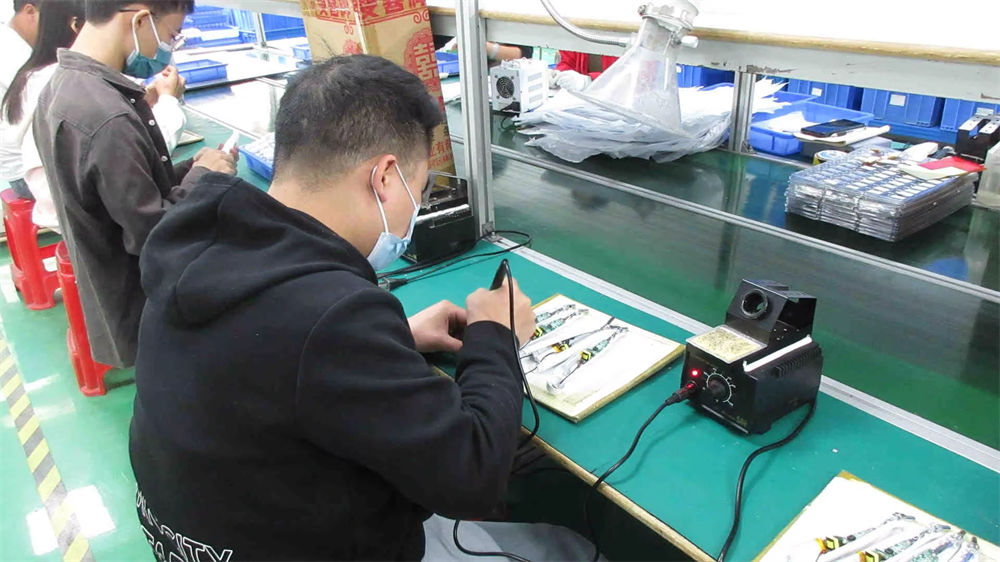
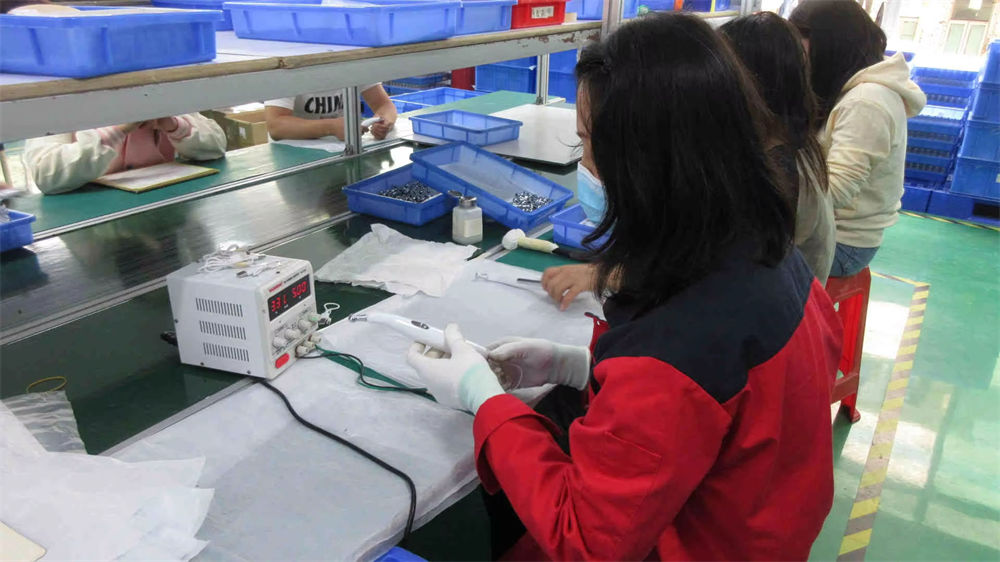
- Micro-Electronics & PCB Assembly: Seamless integration of micro-controllers (MCUs) that monitor air pressure cycles, regulate lithium-ion battery discharge rates, and drive optional high-frequency ultrasonic transducers.
- Optimized Cost Structure: Vertical integration allows Chinese manufacturers to offer extremely competitive unit prices without compromising manufacturing tolerances, calibration quality, or component life cycles.
3. Regulatory Compliance: Bridging the Gap in Global Importation
For global enterprise buyers, navigating localized certification structures is a primary barrier to market entry. Different regions maintain strict regulatory oversight for consumer skincare electronics:
- United States: FDA registration and compliance with safety standards for skin contact appliances.
- European Union: CE Marking certifying safety, health, and environmental protection compliance, along with RoHS restriction on hazardous substances.
- Japan: PSE certification confirming safety for electrical appliances.
- China: NMPA (National Medical Products Administration) certification, ensuring devices align with state-mandated efficacy and safety benchmarks.
BryMax Beauty addresses these global barriers by maintaining extensive, accredited regulatory portfolios. Our design patterns and structural safety calculations have secured validations across major consumer markets, ensuring seamless customs clearance and minimized legal risk for our distribution partners in over 30 countries.