Featured Aesthetic & Clinical Device Catalog
Premium high-performance equipment manufactured in accordance with strict international beauty and medical device benchmarks.
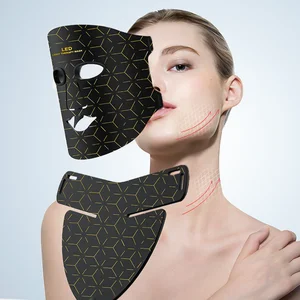
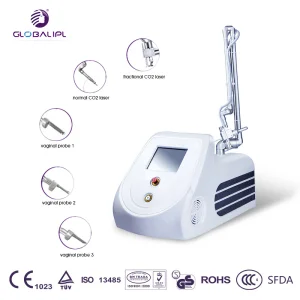

Global Dermaroller & Microneedling Market Dynamics
Analyzing key metrics that drive growth, demand, and quality metrics across the clinical skin rejuvenation industry.
The Evolution of Microneedling: A Global B2B Analysis
Understanding user intent and market requirements for professional dermarollers and micro-channel instruments.
1. Global Commercial and Industrial Status
The global microneedling market has transitioned from a niche spa procedure to a mainstream dermatologist-approved home care and clinical staple. As consumers demand non-invasive skin remodeling solutions with minimal downtime, the global B2B procurement sector for dermarollers has witnessed exponential volume increases. Today, China stands as the primary hub for high-precision microneedle manufacturing, powering over 75% of the global supply chain for aesthetic devices.
The supply chain relies on medical-grade material sourcing, highly specialized automated needle insertion machinery, and strict cleanroom sterilization methods. In Western markets (North America and Europe), demand is driven by the rise in clinical-grade dermarollers used for anti-aging, hyperpigmentation treatment, and hair loss therapies. Meanwhile, in emerging markets, consumer accessibility and cost-effectiveness of OEM/ODM options are catalyzing massive market penetration.
2. Microneedling Material Science & Engineering
To establish true authority (E-E-A-T) in the microneedling domain, B2B buyers must prioritize material integrity. There are two primary materials used in high-quality needle fabrication:
- Grade 5 Titanium: Exceptional strength-to-weight ratio. Titanium needles maintain sharpness over multiple treatments, avoiding tip bending which can cause micro-tears in the stratum corneum.
- 316L Surgical Stainless Steel: Highly biocompatible and resistant to corrosion. It is the preferred choice for clinical-use needles, allowing for razor-sharp tips that create clean, vertical micro-channels.
Furthermore, configuration matters. Cheaper consumer rollers utilize stamped metal disks with triangular needle shapes, which slice the skin horizontally. High-end manufacturers like BryMax Beauty leverage individual real needles inserted into the roller drum, ensuring precise 90-degree penetration angles. This level of detail distinguishes a consumer cosmetic tool from a professional dermatological device.
Strategic Trends & Localized Market Scenarios
Adapting manufacturing parameters to fit global regulatory environments and localized consumer behavior patterns.
Clinical Med-Spa Sourcing
Clinics require longer needle depths (1.0mm - 2.0mm) for deep scar tissue remodeling and stretch marks. These must undergo gamma-ray or EO gas sterilization, packed individually in medical blister packaging to guarantee absolute sterility and prevent cross-contamination.
Retail & E-commerce Brands
Consumer models focusing on 0.2mm - 0.5mm depths are optimized for skin penetration enhancement (increasing transdermal absorption of active serums like Vitamin C and Hyaluronic Acid). The design emphasis is on ergonomic handle grips, custom branding, and sleek retail packaging.
Global Regulatory Demands
Different jurisdictions require specific regulatory compliance. US buyers need FDA registration, European markets enforce CE MDR class I or IIa status, and Japanese distributors seek PSE or PMDA compliance. We build alignment into every stage of development.
The Technical Roadmap: Next-Gen Dermaroller Technologies
How leading Chinese manufacturers are integrating advanced electronics with mechanical micro-channels.
3. Synergistic Combination Therapies
The future of microneedling does not rely solely on mechanical rollers. The industry is rapidly pivoting toward hybrid devices that combine multiple modalities into a single handheld tool. By implementing LED light therapy, Radio Frequency (RF), and Electroporation, the modern beauty device yields exponentially higher therapeutic values than traditional dermarollers alone.
For instance, combining a 0.5mm microneedle system with 635nm red light accelerates wound healing processes by stimulating mitochondrial activity in dermal cells. Simultaneously, the application of RF energy directly to the micro-channels created by the needles promotes deep thermal coagulation in the reticular dermis, resulting in skin tightening and collagen remodeling. This hybrid technology represents the future of both clinical treatments and premium consumer product lines.
4. Microfluidic and Auto-Infusion Systems
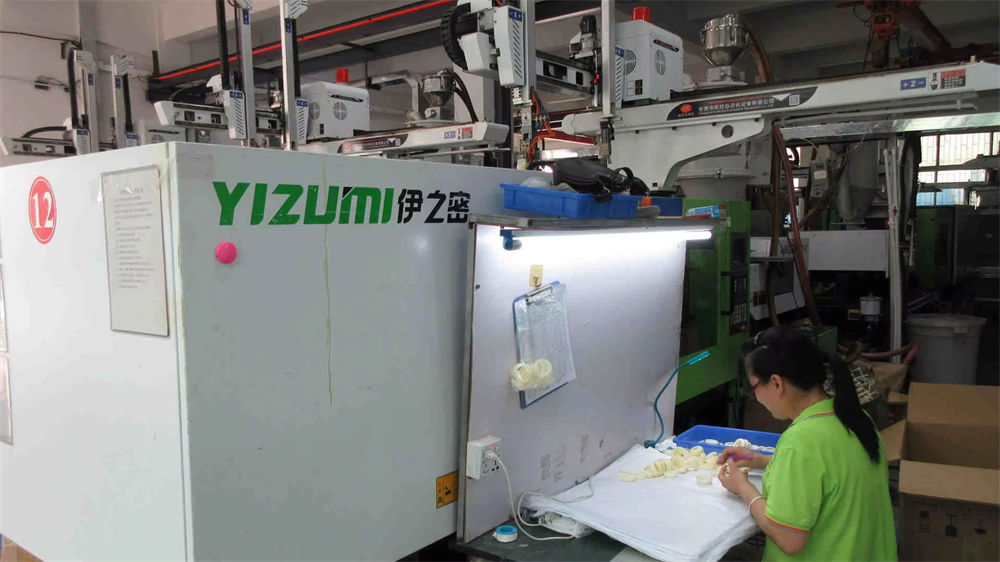
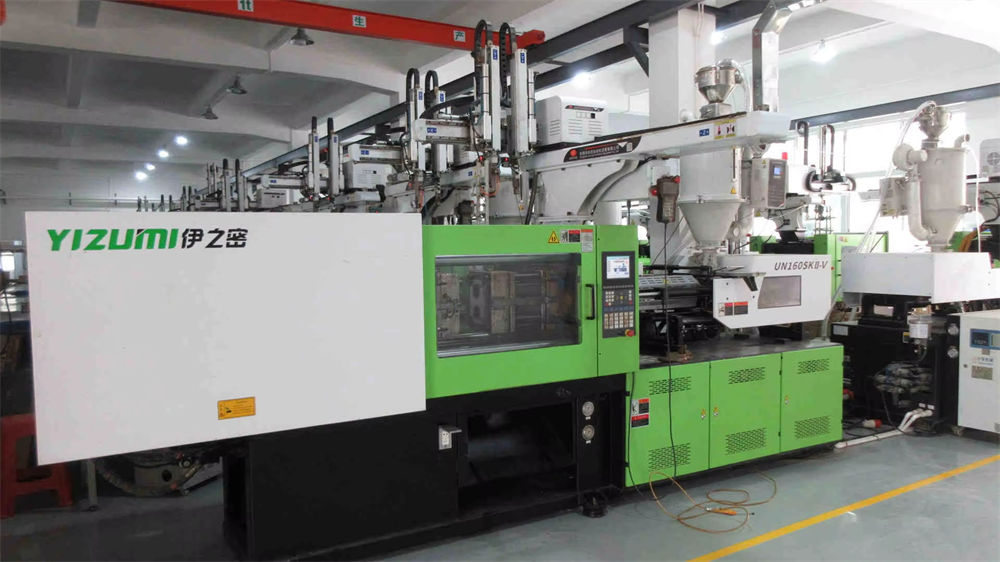
Another major engineering trend is the integration of microfluidic channels. Rather than applying serums manually after rolling, next-generation microneedling devices automatically infuse active cosmetic cocktails through a hollow-needle delivery system. This allows for precise dosage, controlled delivery depth, and minimized wastage of expensive pharmaceutical-grade skincare ingredients. Chinese manufacturers are investing heavily in plastic injection machinery capable of producing micro-sized fluid paths and ultra-thin hollow microneedles.
Dongguan BryMax Beauty Co., Ltd.
A National High-Tech Enterprise Redefining Professional Beauty & Aesthetic Device Manufacturing.
Dongguan BryMax Beauty Co., Ltd. is a national high-tech enterprise dedicated to the research, development, production, and global distribution of cutting-edge household beauty and personal care devices. Our extensive product portfolio includes laser hair removal instruments, facial care devices, hair dryers, and other innovative small household appliances, all designed to improve the quality of everyday life and promote personal wellness.
Driven by a commitment to technological innovation and product excellence, BryMax Beauty has secured numerous design patents and globally recognized certifications, including NMPA certification in China, FDA certification in the United States, PSE certification in Japan, CE certification in the European Union, and S FDA certification in the Middle East. Our products enjoy strong sales in over 30 countries and regions, earning widespread acclaim from customers and industry partners alike.
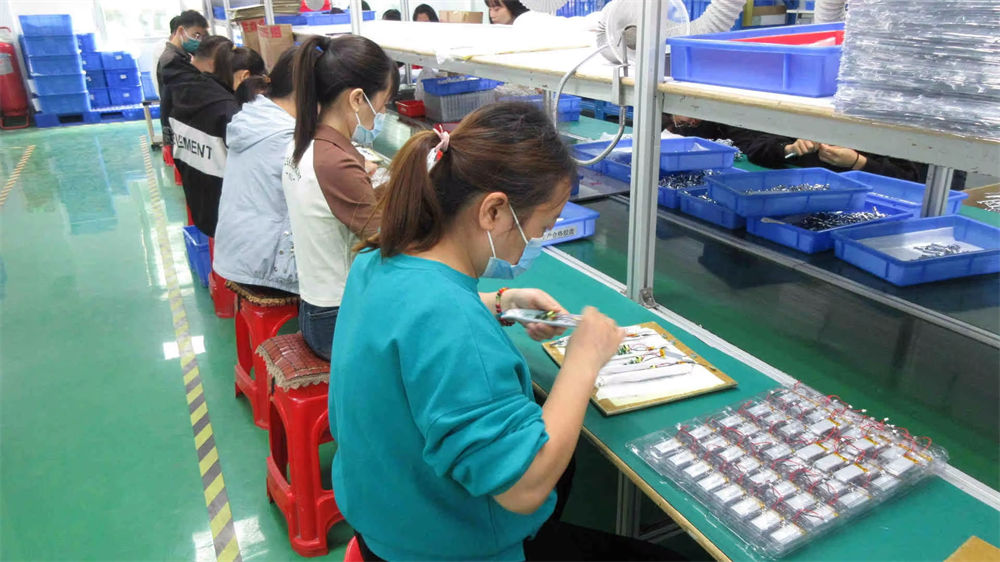
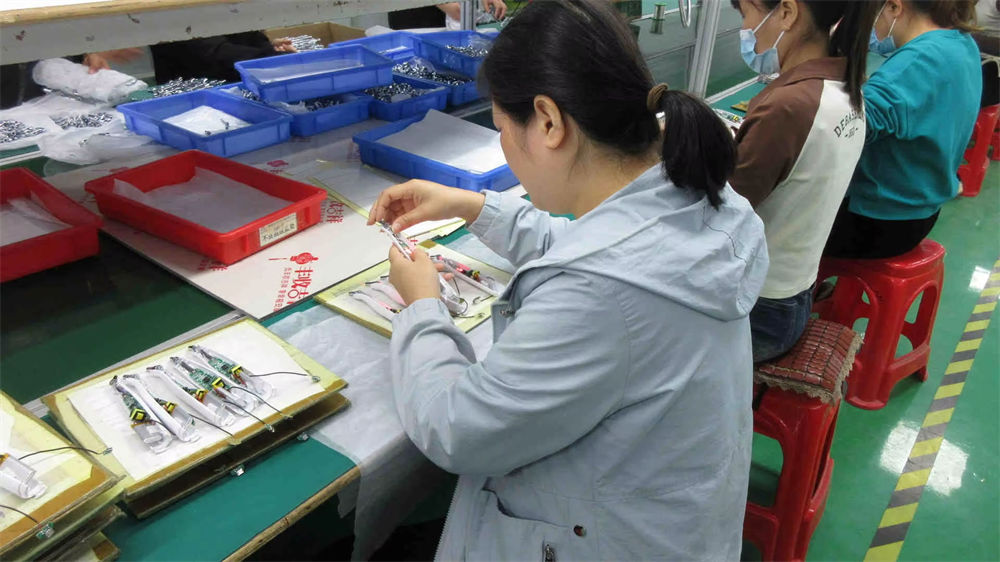
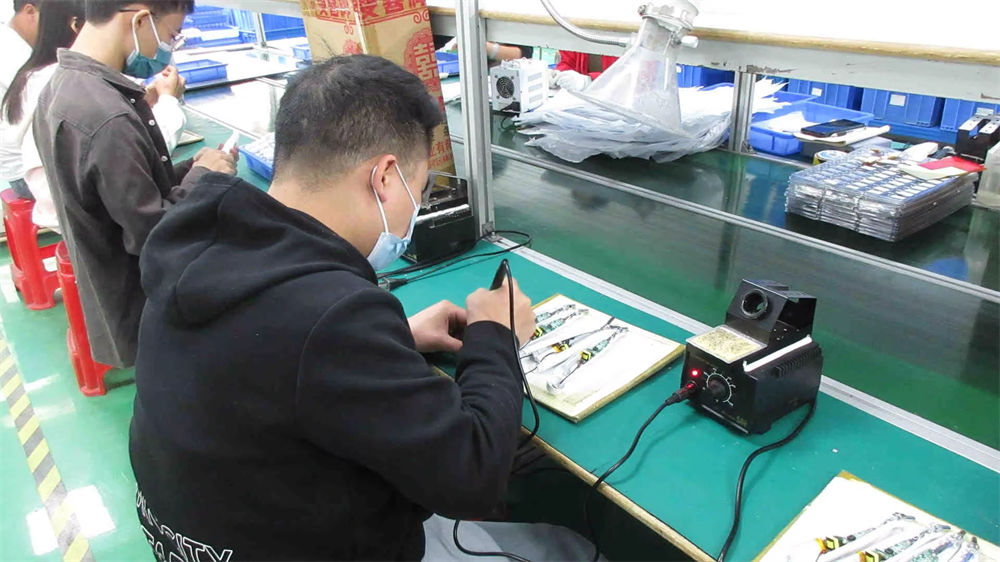
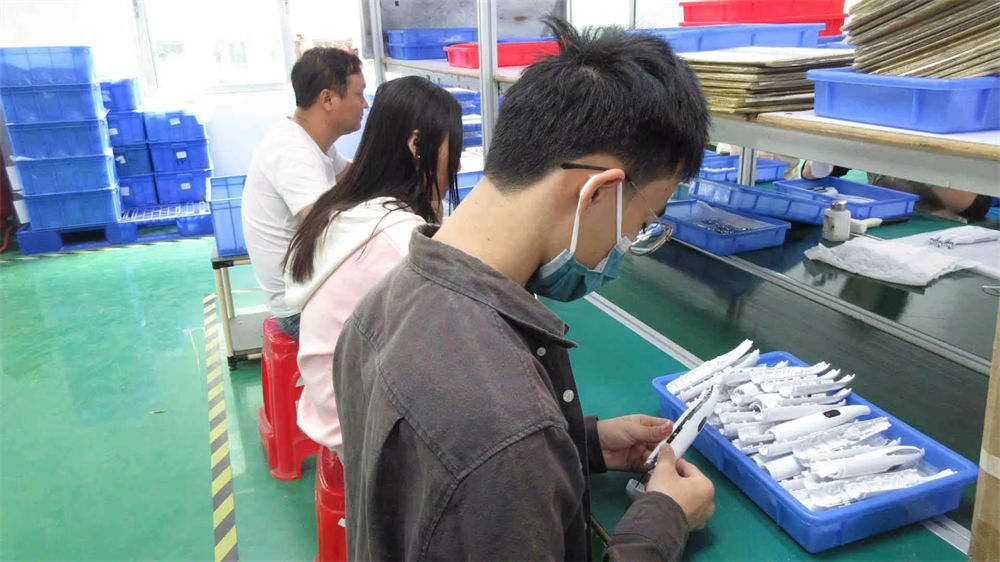
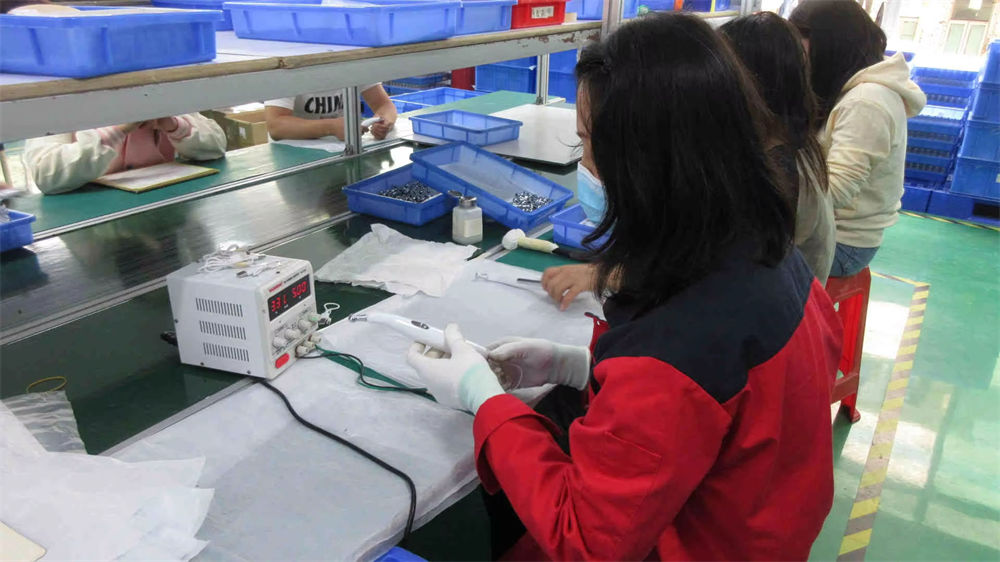
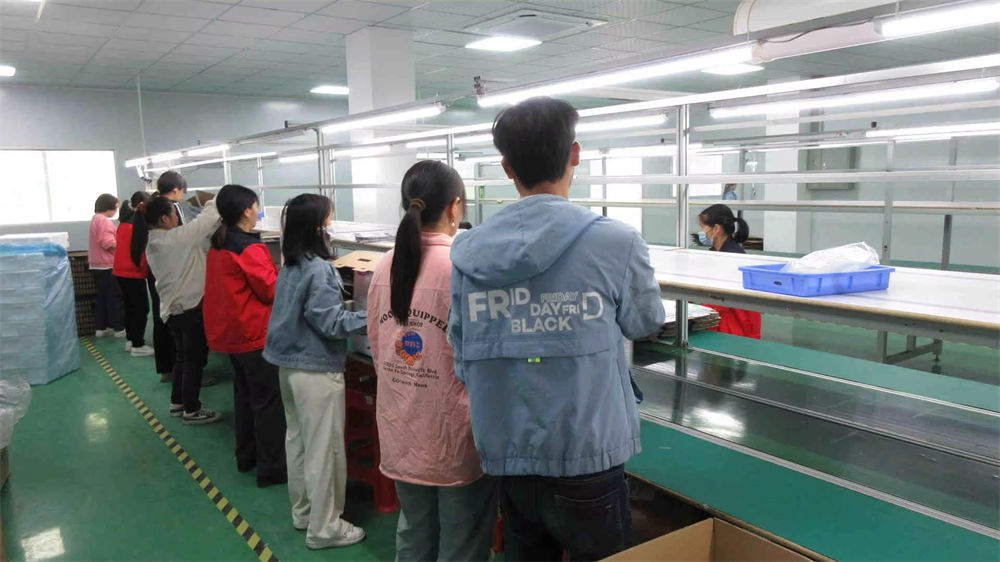
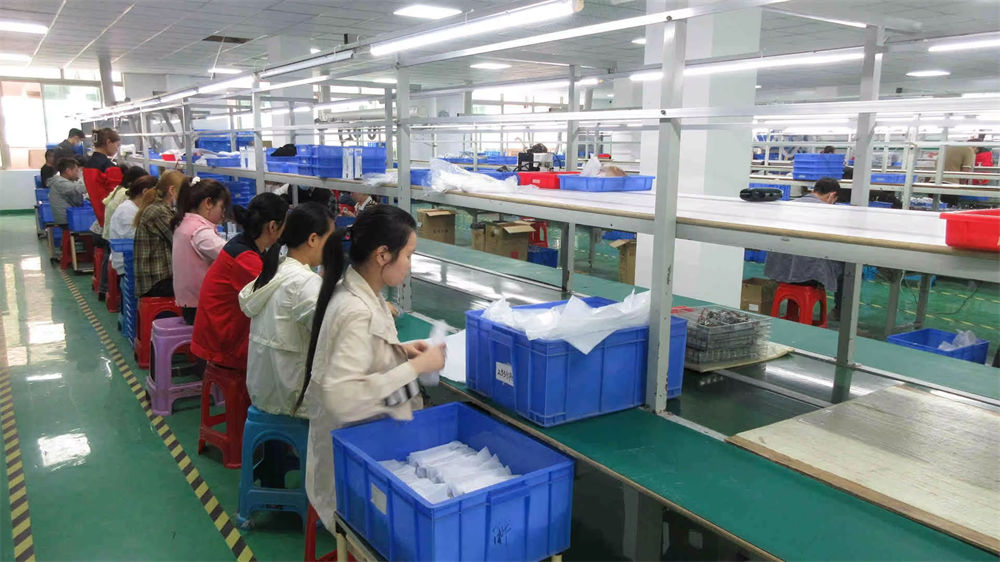
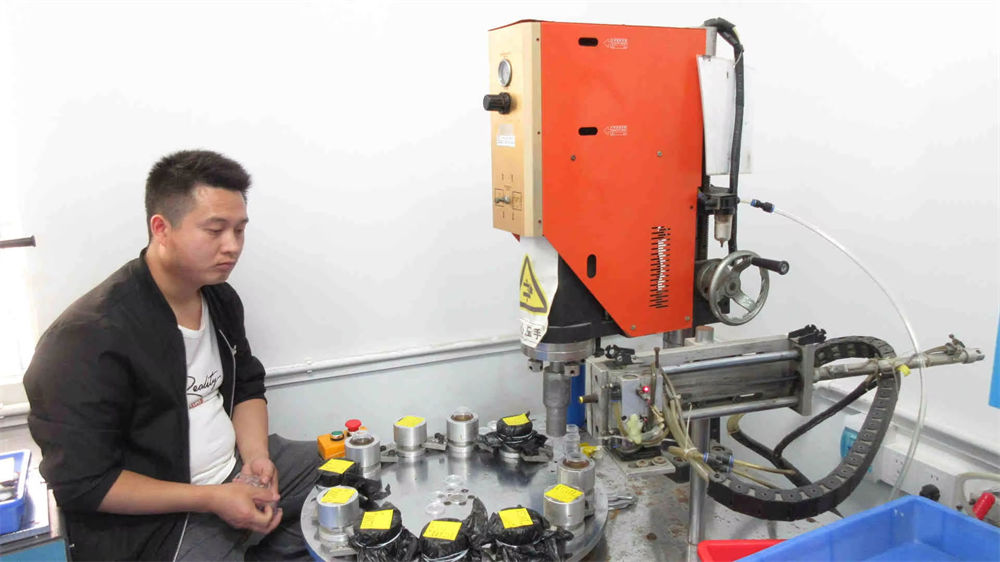
Our advanced manufacturing center is constructed entirely in accordance with medical device standards, ensuring the highest levels of precision, reliability, and safety. BryMax Beauty emphasizes rigorous quality control at every stage of production, from design and development to manufacturing and after-sales service, ensuring that every product meets international standards and exceeds customer expectations.
In addition to our focus on high-quality products, we actively invest in research and development to continuously introduce innovative solutions that combine aesthetics, functionality, and cutting-edge technology. Our professional team is dedicated to understanding and anticipating market trends, delivering products that cater to the evolving needs of modern consumers worldwide.
At BryMax Beauty, we value long-term partnerships and mutual growth. We sincerely look forward to collaborating with global partners, sharing expertise, and creating win-win opportunities to build a healthier, more beautiful future together.
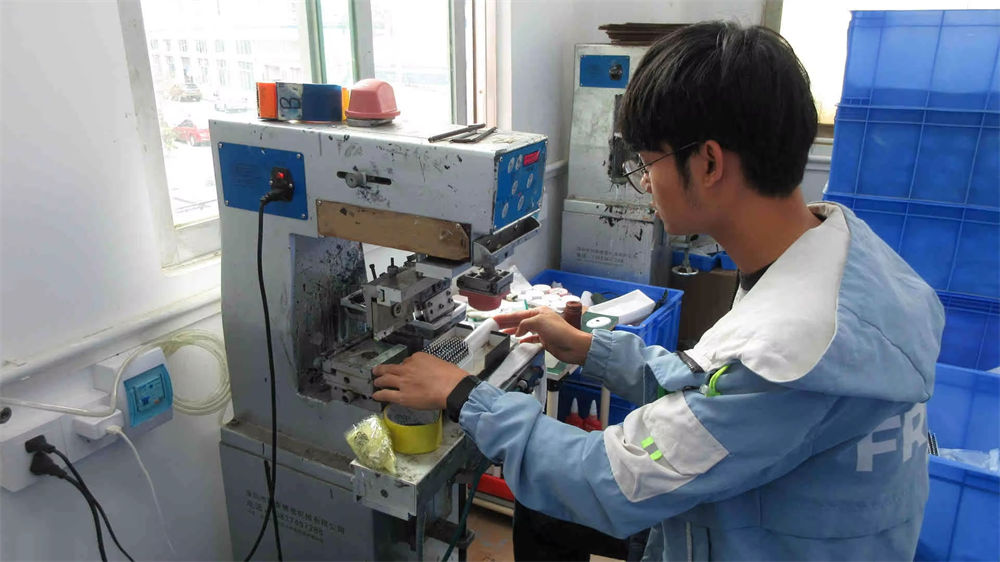
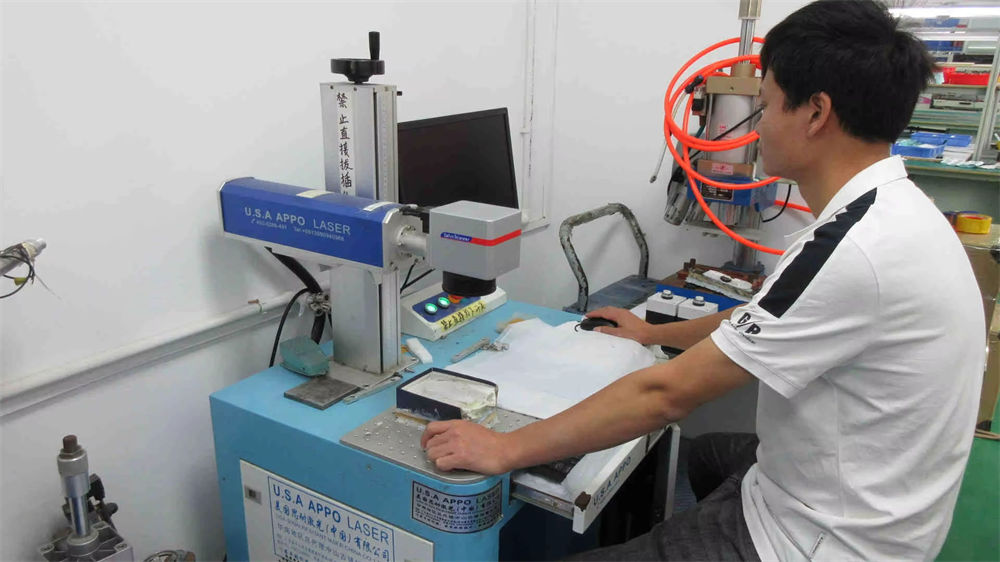
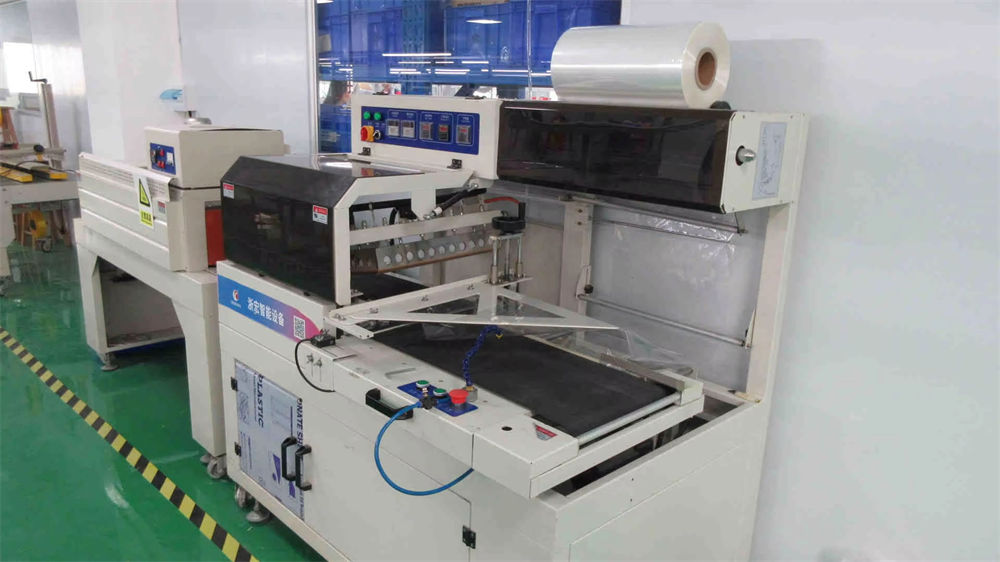
State-of-the-Art Factory Operations & Quality Assurance
Step-by-step insight into our medical-grade manufacturing process, assembly lines, and technological facilities.

Technical Q&A: In-Depth Dermaroller & Microneedle Selection
Providing direct, expert answers to key business and engineering questions concerning microneedling supply chains.
Advanced Skin Rejuvenation Equipment Catalog
Expand your treatment offerings and brand with our globally compliant beauty tools.
-
-
-
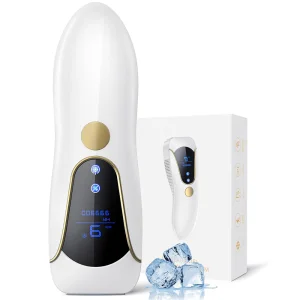
2026 New Handheld IPL Machine Wholesale OEM IPL Hair Remover Low MOQ Custom Logo IPL Device
-
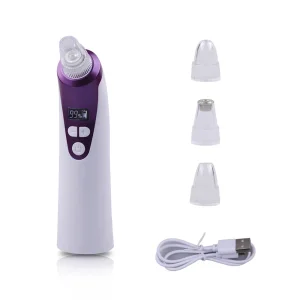
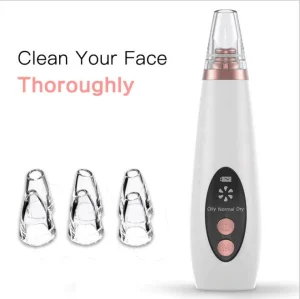
Pore Cleaning Vacuum Blackhead Remover Suction with LCD Display
-
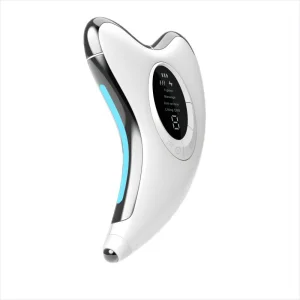
Home Skin Care Tools Best Trend Products New Faces-Lifts Facial Devices Best Sold Beauty Device
-
-
-
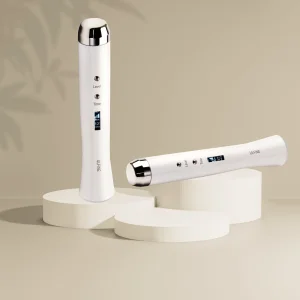
ULFINE Handheld Microcurrent Face Device LCD Display Rechargeable Skin Rejuvenation Tool