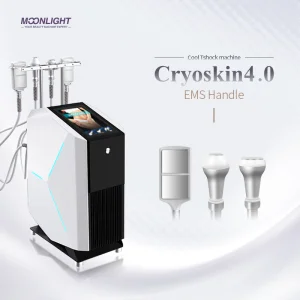
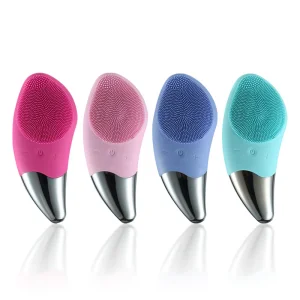
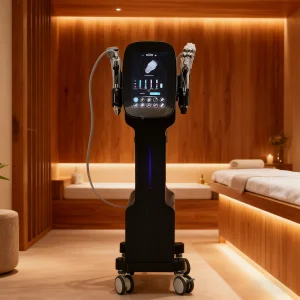
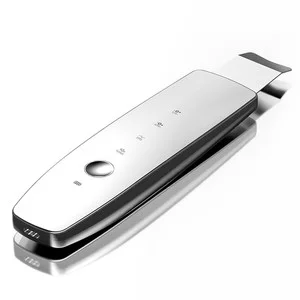
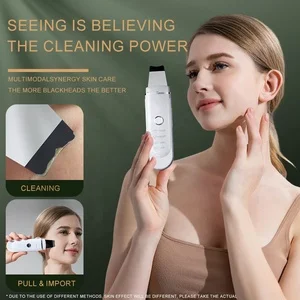
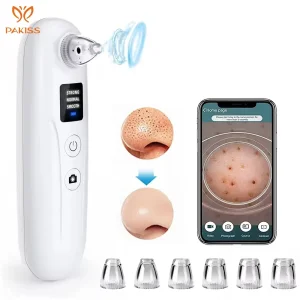
Featured Dermaceutical & Deep Cleansing Systems
Explore our top-tier cosmetic devices engineered to enhance transdermal absorption and complement active carbon peel-off treatments.


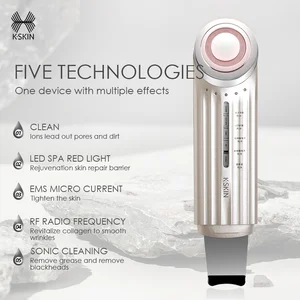
Industrial Whitepaper: The Evolution of Charcoal Peel-Off Masks in Global Cosmeceuticals
The global skincare landscape is undergoing a structural transition from basic hydration routines toward high-performance, clinically proven active treatments. At the forefront of this shift is the Activated Charcoal Peel-Off Mask, a product segment that leverages physical adsorption dynamics to manage follicular occlusion, control hyperactive sebum production, and eliminate environmental micro-particulates. As leading cosmetic formulators and manufacturers based in China, we examine the underlying chemical mechanics, sourcing criteria, global regulatory landscapes, and supply chain efficiencies that govern the production of premium-grade charcoal masks.
🔬 1. Chemical Adsorption Dynamics & Formulation Physics
The efficacy of a charcoal peel-off mask relies entirely on the quality of its activated carbon matrix. Activated charcoal is produced via the controlled pyrolysis of carbonaceous materials (such as bamboo or coconut shells), followed by chemical or thermal activation. This process creates an intricate network of micropores (pore size < 2 nm) and mesopores (2–50 nm), yielding a specific surface area typically exceeding 1,000 m²/g.
When applied to the epidermis, the mask functions through physical adsorption (Van der Waals forces). The lipid-soluble impurities, oxidized sebum (blackheads), and dead corneocytes adhere to the hydrophobic surface of the carbon particles. As the film-forming polymer matrix (usually a combination of Polyvinyl Alcohol [PVA] and Polyvinylpyrrolidone [PVP]) dries, it forms a cohesive tensile sheet. Upon peeling, this sheet mechanically extracts the entrapped debris from the infundibulum of the hair follicle.
- Sebum Adsorption Index: High-grade bamboo charcoal exhibits a lipid adsorption rate 4x higher than standard mineral clays.
- Pore Decongestion: Effectively clears the follicular opening, reducing the substrate available for Cutibacterium acnes colonization.
- Exfoliation Mechanics: Gentle removal of the stratum corneum promotes cell turnover without inducing the micro-tears associated with harsh physical scrubs.
🌐 2. Localized Application Scenarios & Global Market Demand
The deployment of charcoal peel-off masks is highly segment-specific. B2B buyers must adapt their product offerings to align with localized consumer behaviors and spa protocols across different regions:
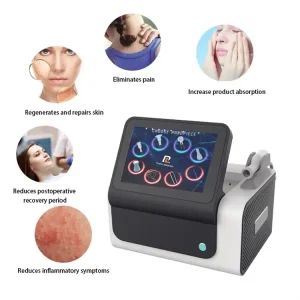
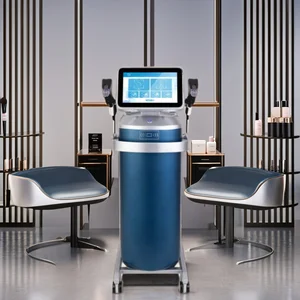
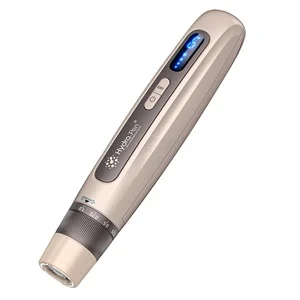
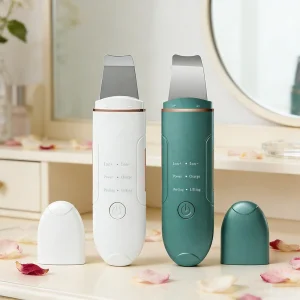
Professional Aesthetic Clinics & Medspas: In professional environments, charcoal peel-off formulations are frequently utilized as a post-extraction or pre-infusion step. Aesthetic operators pair these masks with advanced devices—such as Hydro Aqua Peel Facial Machines or Ultrasonic Skin Scrubbers—to first loosen sebum plugs, allowing the carbon paste to bond deeply within the pores. This combination maximizes extraction rates during the peeling phase.
Retail Consumer Skincare (At-Home Spa): Consumers in urban environments face constant exposure to airborne particulate matter (PM2.5). The charcoal mask serves as an weekly anti-pollution treatment. In Asian markets (Japan, South Korea, China), consumers prioritize sebum control and pore refining, driving demand for formulas infused with soothing botanicals like Centella Asiatica and Tea Tree oil. In North American and European markets, consumers demand high-contrast formulas (deep black color) that offer a highly visual extraction process suitable for social media marketing.
Industrial & Cleanroom Aftercare: A growing niche application is the post-shift detoxification routine for workers in industrial, laboratory, or heavy manufacturing environments. Occupational exposure to metallic dust, chemical residues, and grease requires deep-cleaning treatments that remove impurities before they penetrate deeper dermal layers.
📈 3. Technical Roadmap & Future Innovations (2025–2030)
The next generation of charcoal peel-off masks will move beyond basic physical peeling toward functional, bio-compatible, and smart delivery systems. The research division at BryMax Beauty has identified three core technological pillars for future development:
Biodegradable Polymers
Traditional peel-off masks rely on synthetic PVA. The next generation utilizes biodegradable polymer matrices derived from seaweed alginates, pullulan, and corn starch. These matrices dissolve rapidly in warm water after peeling, leaving zero microplastics in wastewater systems.
Thermo-Responsive Activation
Developing self-warming formulations that release mild thermal energy upon contact with skin moisture. This temperature increase dilates the pore openings, reducing sebum viscosity and allowing the activated charcoal to flow deeper into the follicular canal before curing.
Active Ingredient Infusion
Utilizing micro-encapsulated salicylic acid (BHA), niacinamide, and peptides that remain stable in the liquid state but are forced into the epidermal layers during the curing process, providing active treatment alongside mechanical extraction.
Dongguan BryMax Beauty Co., Ltd.
Dongguan BryMax Beauty Co., Ltd. is a national high-tech enterprise dedicated to the research, development, production, and global distribution of cutting-edge household beauty and personal care devices. Our extensive product portfolio includes laser hair removal instruments, facial care devices, hair dryers, and other innovative small household appliances, all designed to improve the quality of everyday life and promote personal wellness.
Driven by a commitment to technological innovation and product excellence, BryMax Beauty has secured numerous design patents and globally recognized certifications. Our advanced manufacturing center is constructed entirely in accordance with medical device standards, ensuring the highest levels of precision, reliability, and safety.
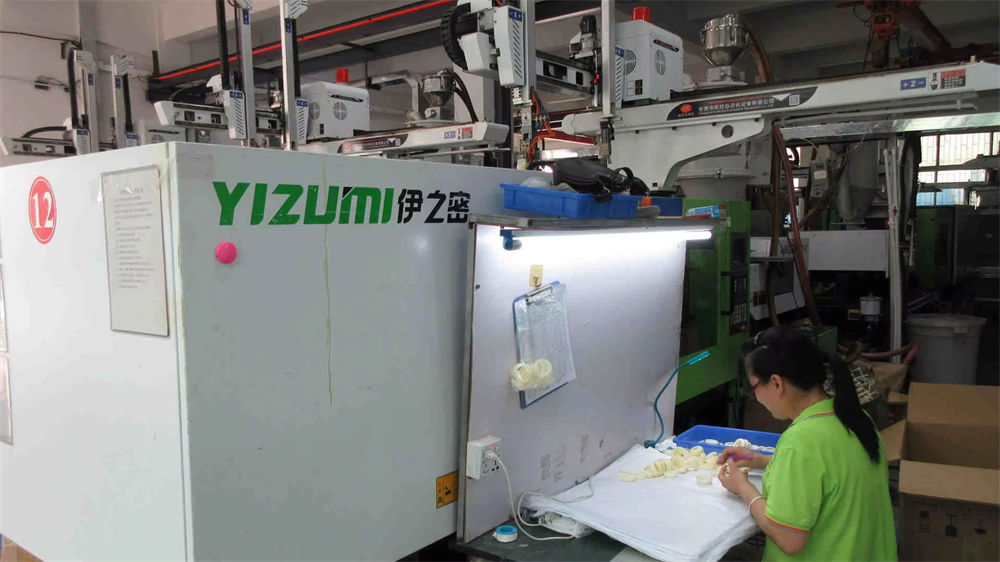
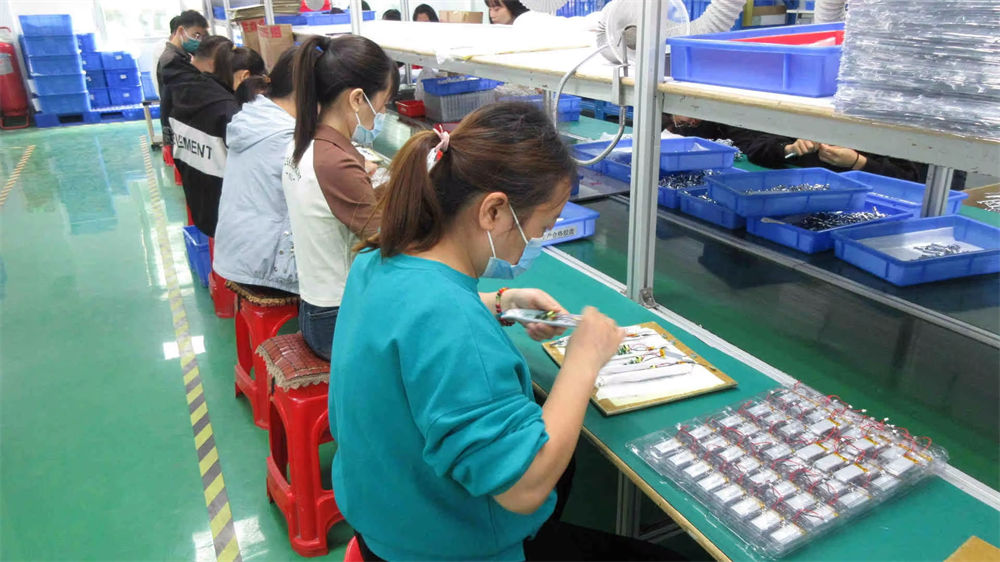
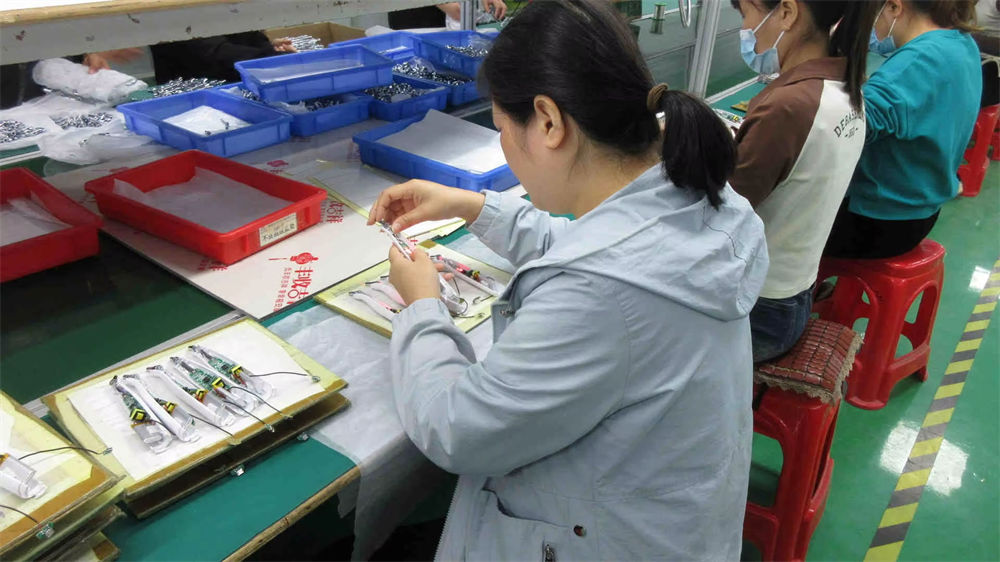
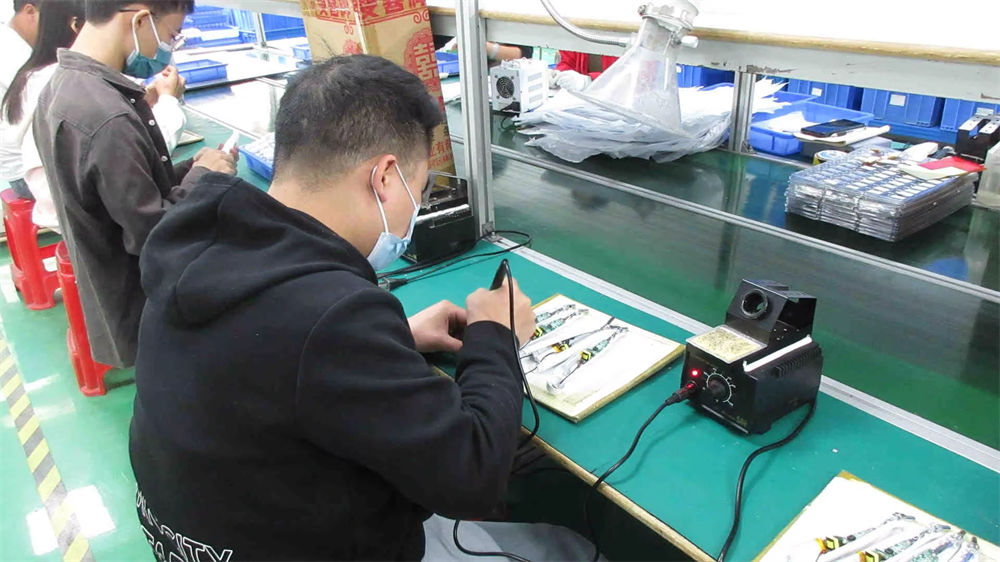
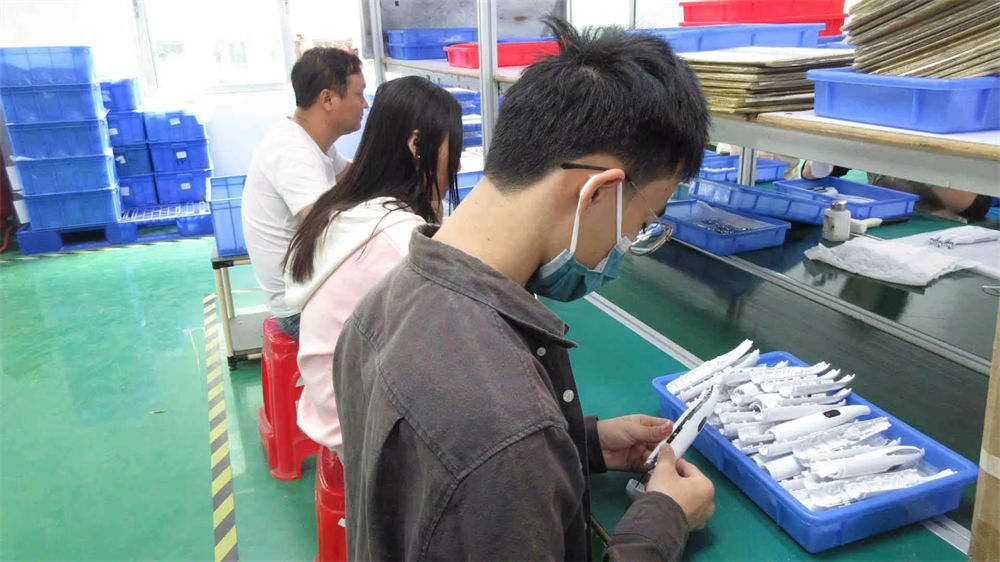
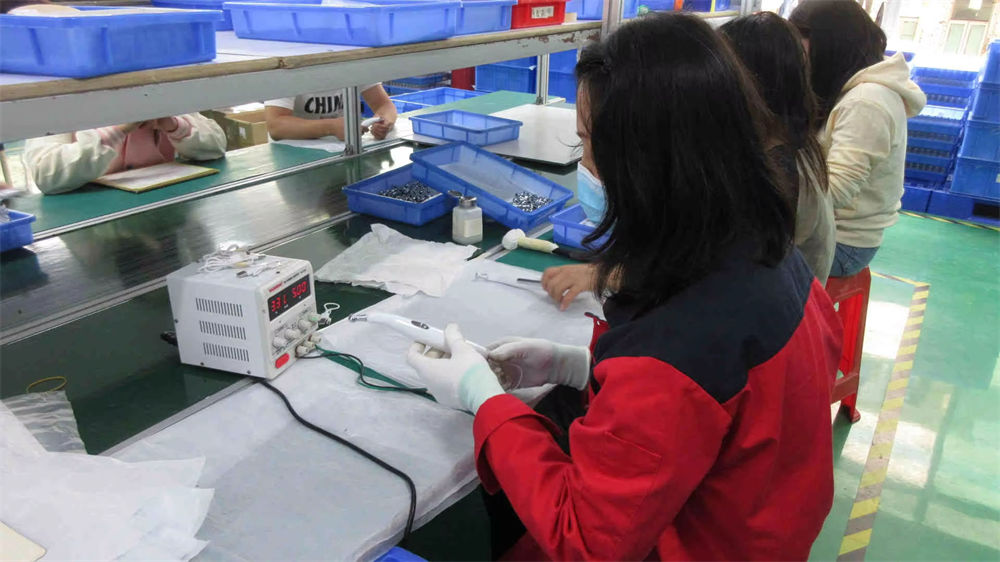
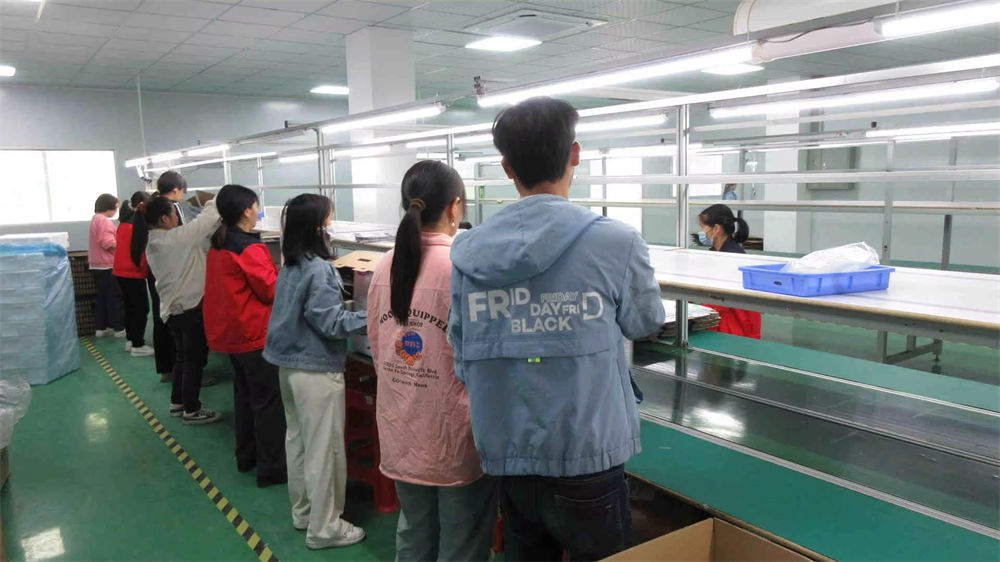
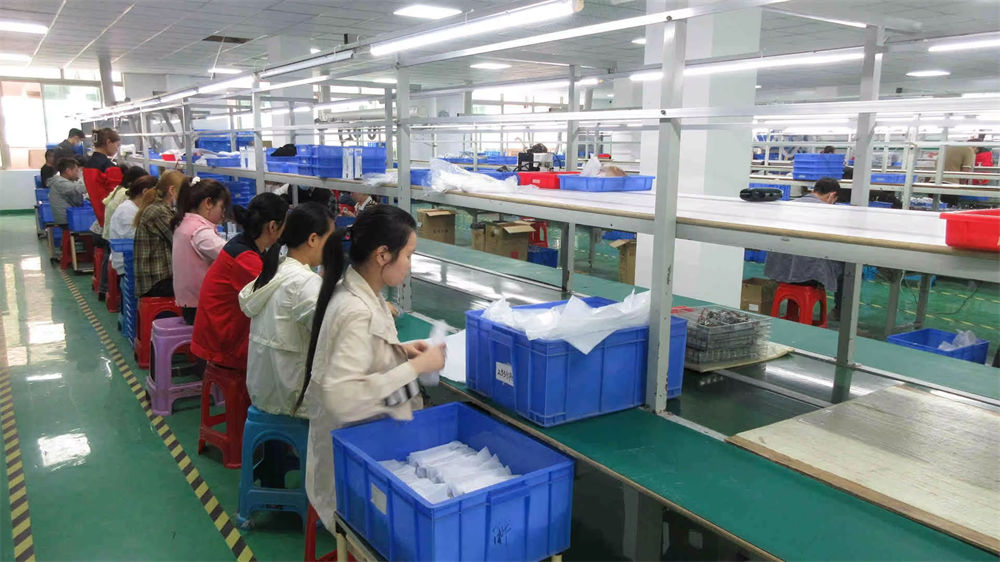
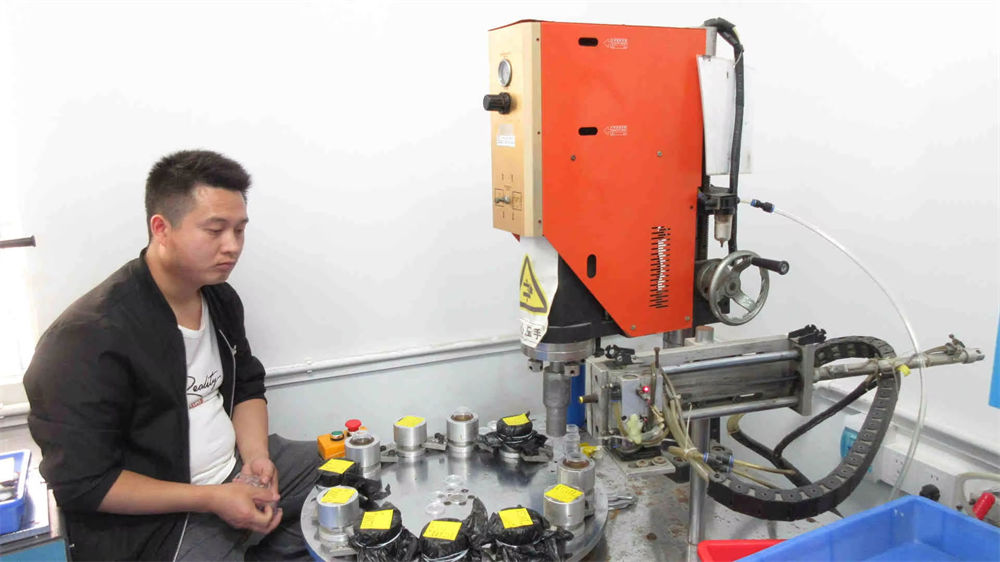
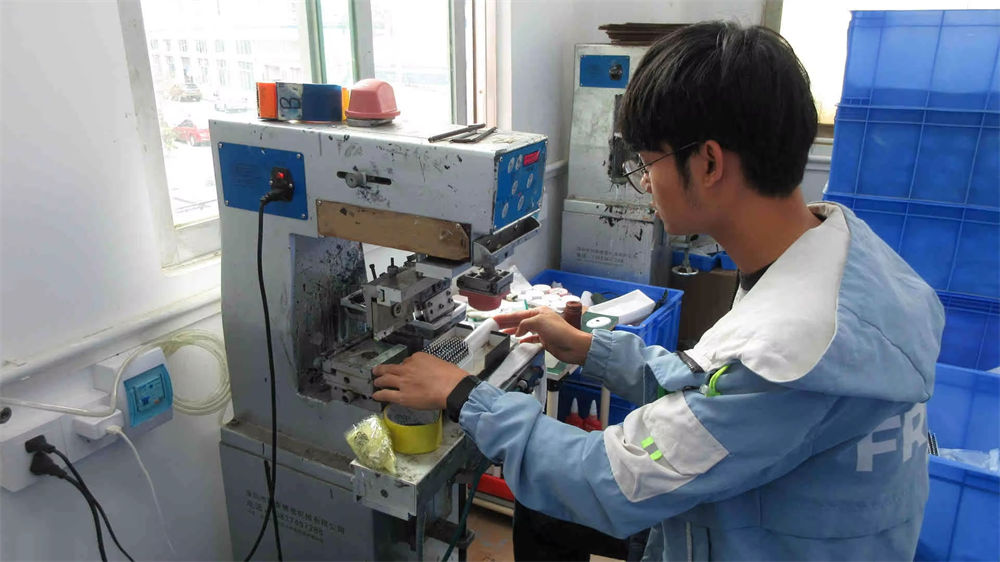
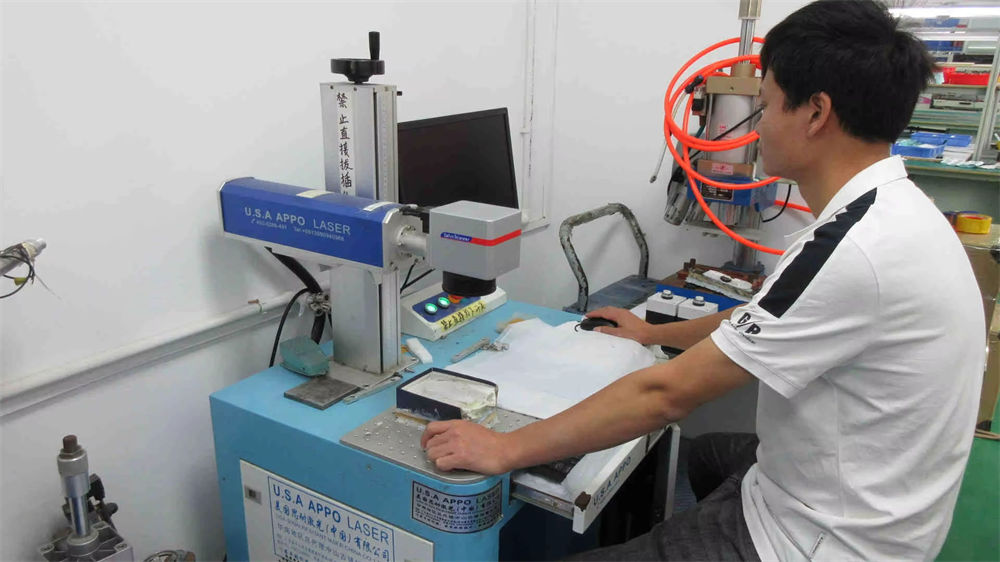
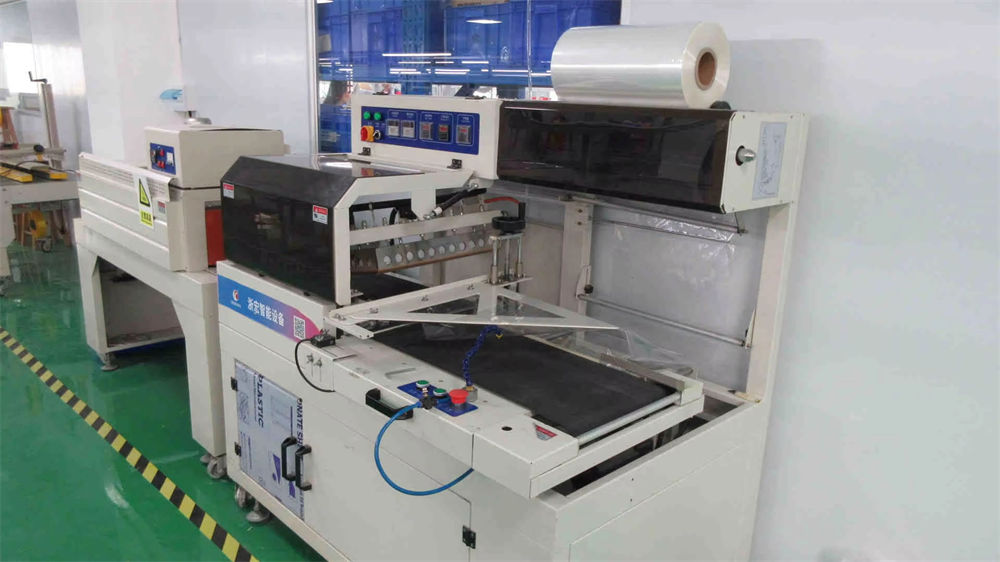
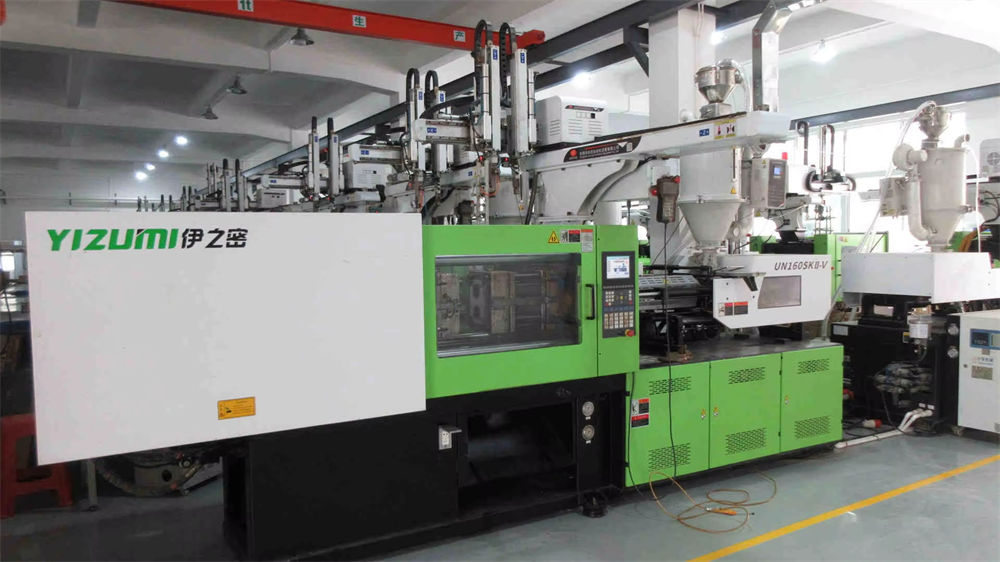
China Factory Supply Chain & Precision Manufacturing
Through integration of high-grade plastic injection, automated assembly lines, and rigorous quality testing, we deliver defect-free products to global B2B clients.

International Regulatory Compliance & Logistics Support
Navigating complex global cosmetics laws requires experienced verification systems and strict manufacturing protocols.
Exporting personal care devices and formulations from China to demanding markets like North America, Europe, and Japan requires compliance with stringent regulatory frameworks. At BryMax Beauty, we ensure that every batch of raw materials and every beauty device complies with regional standards:
- US Market (FDA & MoCRA): Formulations undergo full ingredient safety assessments, ensuring coal tar or heavy metal impurities are strictly below FDA limits. Devices carry FDA registration and undergo EMC testing.
- European Union (CPNP & CE): All product files are compiled under Regulation (EC) No 1223/2009. We supply complete Safety Data Sheets (SDS) and Toxicological Reports through our European Responsible Person (RP) networks.
- Japanese Market (PMDA & PSE): Devices are optimized to pass PSE certification requirements, and formulations conform to the quasi-drug standards where applicable, with low-irritant, perfume-free options designed specifically for sensitive skin profiles.
Answers to Essential Industry Questions
Technical advice and supply chain insights from our cosmetic chemical engineering and product development specialists.
Premium Dermal Care & Extraction Systems
High-tech aesthetic hardware designed to optimize skin prep and post-peeling skin recovery.