A burning smell from a hair dryer can feel alarming, especially when it comes from a new China-made model. The question “why does my hair dryer smell like it is burning” deserves a careful answer, not a quick guess. In some cases, the odor comes from protective coatings, packaging residue, or a motor warming during its first uses. A faint smell may fade after several short sessions.
However, not every odor is harmless. A sharp plastic smell, visible smoke, unusual noise, or a hot power cord can indicate overheating. Dust trapped near the air filter may also burn when airflow becomes restricted. I have found that many users overlook this simple detail. The rear intake needs clear space, and its filter should be checked regularly. Small vents matter.
This guide examines common causes, safety checks, and quality differences among hair dryers made in China. It considers motor design, heating elements, thermal protection, plug quality, and manufacturer instructions. Reliable brands should provide clear ratings, inspection information, and responsive customer support. Still, product labels are not perfect proof of safety. A careful buyer should read independent reviews and stop using the dryer when warning signs appear. Unplug it first. Do not test a smoking appliance. If the smell continues after proper cleaning and cooling, professional inspection or replacement is the safer choice.
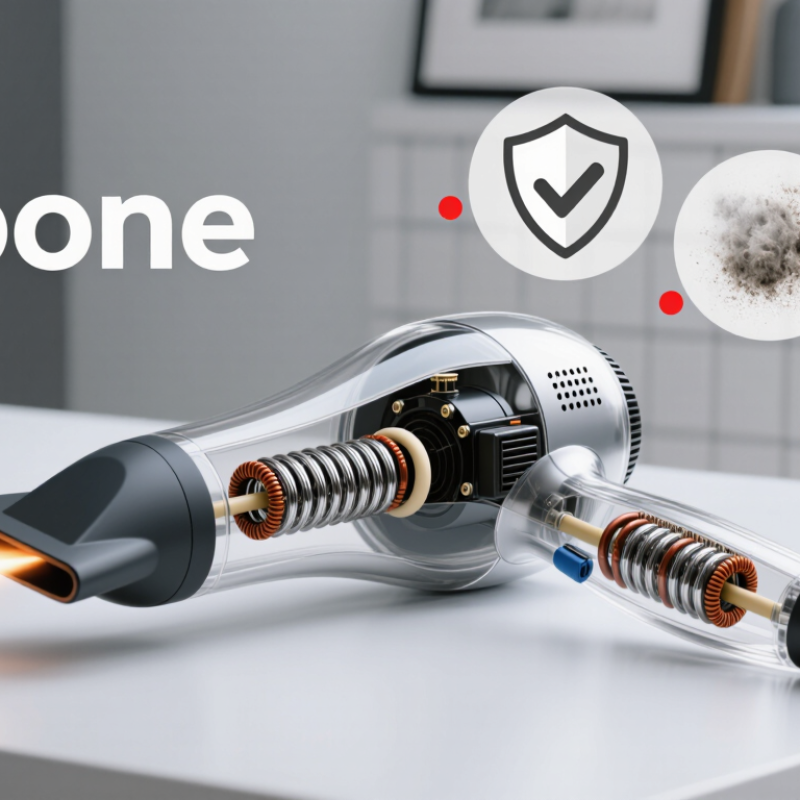
A burning smell from a China-made hair dryer does not automatically mean poor manufacturing. The odor may come from dust, lint, or protective coatings heating during early use. However, a sharp plastic smell, smoke, crackling, or a hot plug needs immediate attention.
The casing should feel warm, not painfully hot. Stop the dryer, unplug it, and place it on a nonflammable surface.
NFPA’s Home Fires Involving Hair Dryers and Curling Irons report estimated about 5,300 U.S. home fires each year from 2011 to 2015.
That figure shows why a small odor deserves careful checking. Inspect the air inlet, filter, cord, and plug for dark marks, melting, or loose movement. A blocked filter can force the motor to work harder. An internal electrical fault may remain invisible.
Do not keep testing it beside towels, curtains, or a bathroom sink. That is a mistake people make.
Check the instruction label and safety certification information. Product-origin labels alone cannot prove safety or failure.
If the smell returns after cleaning, stop using the appliance and contact the seller or a qualified technician. Avoid opening the housing yourself; damaged insulation can create a shock or fire risk.
Keep the dryer unplugged after use, even when its switch is off, because some internal components may remain energized.
China Best Hair Dryer: Why Does It Smell Like Burning?
A burning smell from a hair dryer often begins with restricted airflow. Dust, lint, or loose hair can cover the rear filter and force the motor to work harder. The heating element then becomes hotter than intended. NFPA estimated 234,000 U.S. home fires involving hair-care products from 2012 to 2016. That figure shows why a strange odor deserves attention, even when the appliance still operates normally.
Some odors come from new plastic, protective coatings, or insulation warming during early use. This smell should be mild and temporary, not sharp or smoky. A scorched-plastic odor may indicate damaged wiring, an overheating motor, or electrical arcing inside the housing. Stop using it immediately. Unplug it by holding the plug, not the cord. Let the unit cool on a nonflammable surface, then check the filter, cable, plug, and air outlet for dark marks or deformation.
Do not ignore intermittent smells.
The U.S. Consumer Product Safety Commission has reported older estimates of about 2,900 residential fires annually involving hair dryers and curling irons. These figures are not a prediction for every model, but they support careful inspection. My practical mistake was treating a brief odor as harmless; repeated use can hide a developing fault. Never spray water inside or open the casing without qualified technical training. Replace the appliance if burning returns after cleaning, or seek evaluation from an authorized repair professional.
China Best Hair Dryer: Why Does It Smell Like Burning?
How to Safely Inspect a Hair Dryer Step by Step
A burning odor needs attention, even when the dryer still works. The NFPA reported about 1,100 home fires each year involving hair dryers and curling irons from 2014 to 2018. These incidents caused roughly $15 million in annual property damage. Unplug the dryer immediately. Let it cool on a nonflammable surface. Do not keep testing it.
Inspect the air inlet and outlet under bright light. Remove visible lint with a soft, dry brush. Never push debris deeper inside. Check the cord for cracks, flattened sections, or heat discoloration. Examine the plug and outlet for browning or a loose fit. A hot plug is a warning sign. Do not use it.
Smell the filter area carefully after cooling. Dust can create a brief odor during first use, but sharp plastic or electrical smells are different. Watch for smoke, sparks, buzzing, weak airflow, or sudden shutdowns. Stop immediately if any appear. Do not open the casing unless you are qualified; stored electrical energy can remain dangerous. The U.S. Consumer Product Safety Commission repeatedly advises replacing damaged appliances rather than defeating safety features. I would not rely on a reset button alone. That assumption can be wrong. Have a qualified repair professional inspect persistent faults, especially after liquid exposure or repeated overheating.
| Inspection Stage | What to Check | Normal Condition | Warning Signs | Safe Action |
|---|---|---|---|---|
| 1. Stop and Unplug | Turn off the dryer and disconnect it from the electrical outlet. | The plug can be removed without resistance, sparks, or heat. | Sparking, a hot plug, smoke, crackling, or a strong burning odor. | Stop using the appliance immediately. Do not reconnect it for testing. |
| 2. Allow Cooling | Place the dryer on a nonflammable, well-ventilated surface. | The housing and rear air inlet gradually return to room temperature. | The casing remains unusually hot, discolored, warped, or soft. | Keep it away from towels, paper, bedding, and other combustible materials. |
| 3. Inspect the Air Inlet | Check the rear filter or grille for hair, lint, dust, and product residue. | Air openings are visibly clear and unobstructed. | Heavy blockage, restricted airflow, or an odor that increases during use. | Clean only when unplugged and cool, following the appliance instructions. Do not insert metal objects. |
| 4. Examine the Power Cord | Inspect the entire cord, plug, and strain relief. | Insulation is intact, flexible, and free from cuts, flattening, or exposed wires. | Fraying, melted areas, exposed conductors, bent plug pins, or scorch marks. | Do not repair damaged wiring with tape. Replace the appliance or have it assessed by a qualified technician. |
| 5. Check the Plug and Outlet | Look for heat damage around the plug and wall outlet. | No discoloration, looseness, buzzing, or heat is present. | Brown or black marks, a loose fit, buzzing, melting, or a burning smell from the outlet. | Stop using the outlet and arrange an electrical inspection if damage or overheating is present. |
| 6. Identify the Odor | Note the odor type, location, and whether it appeared when the dryer was new. | A mild temporary “new appliance” smell may occur during initial use. | Persistent burning plastic, melting insulation, electrical, or smoky odor. | Treat a persistent or worsening odor as a fault and discontinue use. |
| 7. Review Operating Symptoms | Consider airflow, noise, heat output, switches, and automatic shutoff behavior. | Airflow is steady, controls work normally, and no unusual noise occurs. | Weak airflow, rattling, buzzing, intermittent operation, sudden shutdown, or visible smoke. | Do not repeatedly restart the dryer. Seek professional service or replace it. |
| 8. Check Moisture Exposure | Look for water contact, use near a sink, or storage in a damp area. | The dryer is dry and used away from standing water. | Water inside the housing, a tripped safety device, or electrical behavior after wet use. | Do not use a wet appliance. Do not immerse it or attempt to dry internal components with heat. |
| 9. Decide the Risk Level | Combine the odor, heat, airflow, cord, plug, and outlet findings. | No damage, no unusual odor, and normal operation. | Any combination of smoke, exposed wiring, melting, sparks, or repeated overheating. | For serious warning signs, isolate the appliance and contact a qualified professional. In an electrical fire, use the appropriate emergency procedure and never use water. |
China Best Hair Dryer: Why Does It Smell Like Burning?
A burnt smell needs attention, even when the dryer still works. Dust, blocked vents, overheated motors, melted insulation, or loose wiring can create the odor. Stop immediately. Unplug the dryer and let it cool on a nonflammable surface. Do not test it again while the smell remains.
Check the air intake, rear grille, plug, and cord for lint, dark marks, or soft plastic. Remove surface dust with a dry brush. Never wash the appliance or insert metal tools. The U.S. Consumer Product Safety Commission has estimated about 2,300 residential fires yearly involving hair dryers and curling irons. NFPA reports roughly 32,000 annual home fires from electrical distribution and lighting equipment. These figures explain why a small odor should not be ignored.
Replace the dryer if it produces smoke, sparks, repeated burning smells, or visible heat damage. Replacement is also safer when the cord feels hot, cracked, or loose. A qualified repair professional may inspect internal wiring, but opening a sealed appliance can create additional hazards. Choose a replacement with recognized electrical safety certification and clear overheat protection. Keep vents uncovered during use, and clean lint regularly. A common mistake is blaming cheap plastic alone; even a well-built dryer can overheat when airflow is restricted. The smell may disappear after cooling, but that does not prove the fault is gone.
A burning smell can indicate overheated lint, restricted airflow, a damaged heating element, or an electrical fault. Unplug the dryer immediately if you notice smoke, sparks, a melted plug, a damaged cord, or a persistent burnt odor. Clean the air intake only after the dryer has cooled; replace the appliance if the smell returns or electrical damage is visible. The chart shows practical safety-priority levels, not survey percentages.
A burning smell from a hair dryer does not always mean immediate failure. New heating elements may release a brief odor from manufacturing residue. Dust, lint, or trapped hair can also scorch near the air inlet. However, a sharp plastic smell, smoke, sparks, or repeated odor requires immediate action. Unplug the dryer and let it cool on a nonflammable surface.
Prevention starts with airflow. Clean the rear filter after several uses, especially when it looks gray or fuzzy. Hold the dryer away from towels, clothing, and bedding. Never cover the intake, even for a few seconds. Use the voltage stated on the product label, and check the plug for looseness, heat, or discoloration. The U.S. Consumer Product Safety Commission has reported about 2,300 residential fires annually involving hair dryers and curling irons in earlier national estimates. That figure makes routine inspection more than a convenience.
Test the dryer briefly after cleaning. Stand nearby. If the smell returns, stop using it rather than waiting for the odor to fade. A damaged cord, noisy motor, or unusually hot handle suggests an internal problem. IEC 60335-2-23 addresses safety requirements for appliances used for hair care, but compliance does not replace user checks. My practical weakness is assuming a clean filter proves the whole appliance is safe. It does not. Professional repair or replacement is wiser when overheating continues.
No. New heating parts may release a brief odor from protective residue. A sharp plastic smell is different. Smoke, sparks, or repeated odor requires immediate action.
Switch off the dryer immediately. Unplug it and place it on a nonflammable surface. Let it cool completely. Do not test it again while the smell remains.
Check the rear grille, air inlet, filter, cord, and plug. Look for lint, dark marks, melted plastic, cracks, or loose movement. A hot plug is a serious warning.
Yes. Lint and trapped hair can restrict airflow. The motor then works harder, and nearby dust may scorch. A gray, fuzzy filter needs cleaning.
Unplug it first. Remove surface dust with a dry brush. Never wash the appliance or insert metal tools. Keep towels, bedding, and curtains away during use.
Replace it after smoke, sparks, repeated burning smells, or visible heat damage. Replacement is also safer when the cord feels hot, cracked, or loose. Do not wait for a larger failure.
It is safer not to open a sealed appliance. Damaged insulation or hidden wiring can create shock and fire risks. A qualified technician can inspect internal parts more safely.
No. I sometimes assume cleaning solves everything, but that is incomplete. A clean filter cannot reveal every motor, wiring, or insulation fault. Stop using the dryer if overheating continues.
Keep the air intake uncovered. Clean the filter after several uses. Use the voltage shown on the product label. Check the plug for heat or discoloration. Stay nearby during operation.
A burning smell from a China-made hair dryer does not always mean the product is defective, but it should never be ignored. If you wonder, “why does my hair dryer smell like it is burning,” common causes may include dust, trapped hair, lint, overheating, a blocked air intake, worn internal parts, or a damaged power cord. A brief odor from new materials may disappear after limited use, but a strong, persistent, or smoky smell indicates a potential safety problem.
To inspect the dryer safely, unplug it, allow it to cool completely, and check the plug, cord, vents, filter, and housing for discoloration, melting, or unusual noise. Remove visible debris without inserting objects into the appliance. If the odor continues or any damage appears, stop using the dryer and replace it rather than attempting risky repairs. Future problems can be reduced by cleaning the vents regularly, keeping airflow clear, avoiding extended operation, and storing the dryer in a dry, ventilated place.
