Laser hair removal does not end when the device leaves your skin. The next few hours can influence comfort, redness, and barrier recovery. So, what should you apply on skin after laser hair removal treatment? The safest answer depends on your skin type, treatment area, and laser settings. However, gentle care usually matters more than expensive products.
Dermatologist Dr. Hadley King explains, “After laser treatment, the priority is calming inflammation and protecting the skin barrier.” That principle supports a simple routine. Apply a fragrance-free moisturizer with soothing ingredients, such as aloe vera, glycerin, or ceramides. Use a cool compress if the area feels warm. Avoid rubbing, scratching, deodorant, perfume, and strong exfoliants for at least 24 to 48 hours. Your skin may look normal while remaining sensitive underneath.
Sun protection is essential. Apply a broad-spectrum SPF 30 or higher when the treated area may receive daylight. Reapply it outdoors, especially on the face, neck, or arms. Avoid hot showers, saunas, intense exercise, and tight clothing during the first day if they increase irritation. Small red bumps can be normal after treatment. Severe swelling, blistering, spreading pain, or persistent darkening needs professional assessment. Not every “post-laser” product is gentle. Some contain alcohol, acids, or fragrance and may sting unexpectedly. Your clinician’s instructions should override general online advice, particularly after treatment on darker or highly sensitive skin.
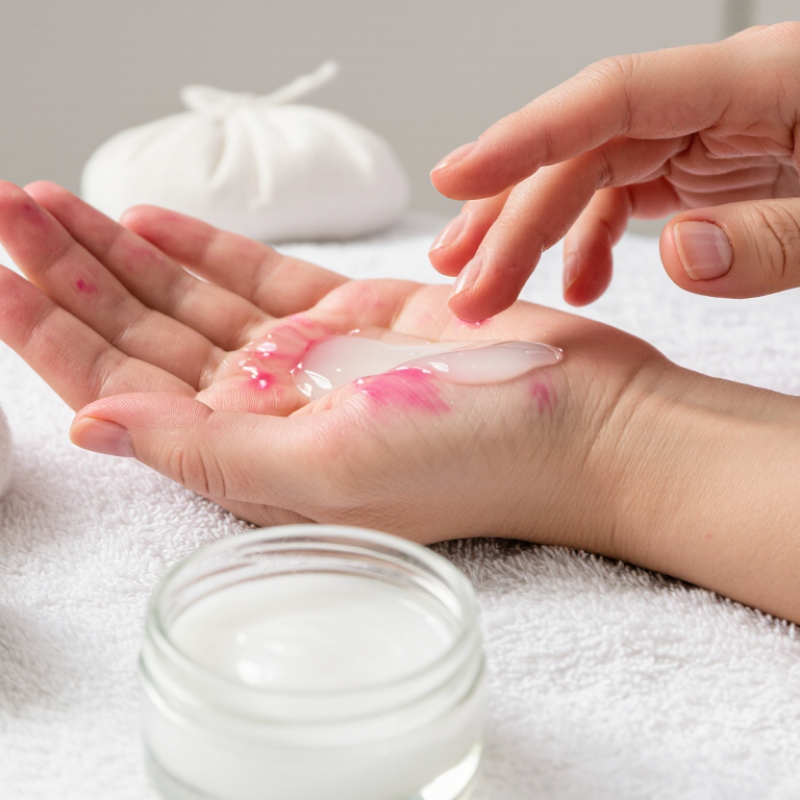
Immediate Skin Care in the First Hours After Laser Hair Removal
What to Apply After Laser Hair Removal in 2026?
Immediate Skin Care in the First Hours After Laser Hair Removal
Immediately after treatment, the skin may feel warm, tight, or prickly. Mild redness around each follicle is common. The American Academy of Dermatology Association describes this reaction as temporary, often lasting one to three days. Start with a clean, cool compress for five to ten minutes. Do not place ice directly on the skin. Once the area cools, apply a thin layer of fragrance-free moisturizer. Keep it simple.
During the first 24 hours, avoid hot showers, saunas, intense exercise, swimming pools, and tight clothing. Heat and friction can increase irritation. The FDA warns that laser procedures may cause burns, pigment changes, or blistering when used incorrectly. Therefore, do not apply exfoliating acids, retinoids, alcohol-based products, or scented oils immediately afterward. Sunscreen matters too. A 2023 review in Lasers in Medical Science linked ultraviolet exposure with a higher risk of post-inflammatory pigmentation after laser procedures. Use broad-spectrum SPF 30 or higher when the skin is intact and exposed.
I have found that less product often works better. That is not universal. A provider may recommend a different aftercare plan for darker skin, sensitive skin, or prescription treatments. Increasing pain, spreading swelling, pus, severe blistering, or discoloration needs prompt medical assessment. Redness is expected; worsening redness is different. Mistakes happen when “soothing” becomes over-treatment.
What to Apply After Laser Hair Removal in 2026?
Immediate skin care in the first hours after laser hair removal
General aftercare guidance: use a cool compress immediately if the skin feels warm, and apply a bland, fragrance-free moisturizer once the area has cooled and the skin is comfortable. Avoid retinoids, exfoliating acids, fragranced products, hot showers, saunas, and intense exercise for about 24–48 hours. Protect treated skin from sunlight and follow your clinician’s specific instructions, especially if blistering, severe pain, or worsening redness occurs.
Safe Products to Apply During the First 24 Hours
What to Apply After Laser Hair Removal in 2026?
Safe Products to Apply During the First 24 Hours
Laser-treated skin often feels warm, tight, or mildly swollen. Apply a clean, cool compress for five to ten minutes. Never place ice directly on the skin. If the area remains intact, use a simple, fragrance-free moisturizer with minimal ingredients. A clinician-approved soothing gel may also help. Apply gently with clean hands.
Avoid exfoliating acids, retinoids, alcohol-based toners, essential oils, and heavily scented creams. Skip makeup on treated facial areas when possible. Deodorant can sting under the arms. Wait until the skin feels calm. Do not scrub, wax, or pluck the treated area. Loose cotton clothing reduces friction, especially after treating the bikini line or legs.
Keep showers lukewarm. Avoid hot baths, saunas, swimming pools, intense exercise, and direct sunlight during the first day. If outdoor exposure cannot be avoided, ask your provider when to use a broad-spectrum sunscreen. The exact timing may differ by laser type and skin response. Follow the written instructions from your licensed practitioner, even when general advice seems easier.
A common mistake is applying too many “soothing” products. More layers can mean more irritation. Stop using any product that causes burning, spreading redness, or worsening discomfort. Small bumps may occur, but blistering, severe pain, pus, or swelling needs prompt medical advice. Your skin may react differently next time. That uncertainty deserves attention.
What to Apply After Laser Hair Removal in 2026? - Safe Products to Apply During the First 24 Hours
| Product or Care Type |
Suitable Timing |
Helpful Ingredients or Features |
How to Use |
Important Precautions |
| Cool, clean compress |
Immediately and during the first 24 hours |
Clean water; soft, lint-free cloth; cool temperature |
Apply gently for 5–10 minutes at a time when warmth, redness, or mild swelling occurs. |
Do not place ice directly on the skin, use frozen packs without a cloth barrier, or apply strong pressure. |
| Fragrance-free gentle moisturizer |
After the skin has cooled; reapply as needed |
Ceramides, glycerin, hyaluronic acid, or other bland hydrating ingredients |
Apply a thin layer to clean, dry skin without rubbing vigorously. |
Choose an alcohol-free, non-exfoliating formula. Stop if burning or worsening redness develops. |
| Plain soothing gel |
Within the first few hours, if tolerated |
Simple, fragrance-free, alcohol-free gel with minimal ingredients |
Spread a light layer over intact skin for temporary cooling and comfort. |
Avoid formulas containing perfume, menthol, essential oils, or drying alcohols. Patch-test unfamiliar products when possible. |
| Bland protective ointment |
Only on small, notably dry or irritated areas |
Simple occlusive ingredients such as petrolatum |
Apply a very thin layer to intact skin, preferably at night or where friction is likely. |
Do not cover large areas tightly or apply over blisters, open skin, pus, or signs of infection unless advised by a clinician. |
| Broad-spectrum mineral sunscreen |
When outdoor exposure is unavoidable and the skin does not sting |
Broad-spectrum SPF 30 or higher; zinc oxide and/or titanium dioxide |
Apply gently to exposed areas and reapply according to the product directions, especially after sweating. |
Avoid direct sun where possible. Do not force application if the product causes stinging; use shade and protective clothing instead. |
| Clean water and gentle cleanser |
As needed during the first 24 hours |
Lukewarm water; mild, fragrance-free, non-abrasive cleanser |
Clean lightly with fingertips, rinse thoroughly, and pat dry with a clean towel. |
Avoid hot water, scrubbing, washcloth friction, exfoliating beads, and cleansing brushes. |
Usually avoid during the first 24 hours: retinoids, alpha-hydroxy acids, beta-hydroxy acids, scrubs, benzoyl peroxide, vitamin C products with low pH, fragrance, essential oils, deodorant on treated underarms, makeup on irritated areas, tanning products, hot showers, saunas, and vigorous exercise. Follow the specific aftercare instructions provided by the treating professional, especially if blistering, severe pain, spreading redness, or marked swelling occurs.
Moisturizing and Soothing the Treated Area
What to Apply After Laser Hair Removal in 2026?
Moisturizing and soothing the treated area should begin gently. The American Academy of Dermatology states that redness and swelling may last one to three days after treatment. Apply a fragrance-free moisturizer with clean fingertips. A thin layer is enough. Avoid rubbing freshly treated skin, even when it feels warm or tight. A cool, damp cloth can provide short-term comfort. Do not place ice directly on the area.
Choose simple formulas containing ingredients such as glycerin, ceramides, or panthenol. These ingredients support hydration without adding unnecessary fragrance. The National Eczema Association emphasizes fragrance-free products for sensitive skin, because fragrance can increase irritation risk. This matters after laser exposure. The skin barrier is temporarily more reactive. I have seen people over-apply soothing gels, then develop extra stickiness or irritation. More product is not always better.
Avoid exfoliating acids, retinoids, alcohol-heavy products, and abrasive scrubs for several days. The American Academy of Dermatology recommends protecting treated skin from sunlight and using broad-spectrum SPF 30 or higher. Reapply sunscreen outdoors, especially on the face, neck, and hands. The 2023 ISAPS Global Survey continues to list laser hair removal among widely performed nonsurgical procedures, showing its growing clinical use. Still, treatment settings vary. Persistent blistering, worsening pain, pus, or darkening requires medical advice. My practical rule is simple: calm the skin first, and test new products later.
Ingredients and Activities to Avoid During Recovery
After laser hair removal, the treated skin needs calm, not complicated products.
The American Academy of Dermatology reports that redness and swelling usually last one to three days. Mild warmth can feel like sunburn. Apply a cool, clean compress for ten minutes. Use a fragrance-free moisturizer only when the skin feels comfortable. Avoid retinoids, glycolic acid, salicylic acid, alcohol-based toners, essential oils, and exfoliating scrubs during recovery. These ingredients may increase irritation, especially after stronger settings or treatment on sensitive areas.
Tips:
Keep showers lukewarm. Skip intense exercise, saunas, hot tubs, swimming, and tight clothing for at least 24 to 48 hours. Do not wax, tweeze, or scrub regrowing hairs. Shaving is usually gentler, but wait until tenderness settles. The FDA advises protecting treated skin from sunlight, so wear broad-spectrum SPF 30 or higher after the surface feels intact. Reapply outdoors. A hat helps.
Clinical guidance is useful, but not absolute.
Skin tone, hair density, treatment area, and laser settings change recovery time. A 2023 review in Lasers in Medical Science linked post-treatment irritation with device settings and individual skin responses. That detail is easy to overlook. If blistering, spreading redness, pus, severe pain, or darkening develops, contact a qualified medical professional promptly. Do not keep applying products while guessing.
Conclusion
After laser hair removal, the treated skin may feel warm, sensitive, or slightly red for a few hours. Gently cleanse the area with lukewarm water and a mild, fragrance-free cleanser, then pat it dry without rubbing. If you are wondering “what should you apply on skin after laser hair removal treatment,” choose a simple, non-irritating moisturizer or a soothing, fragrance-free gel to help reduce dryness and discomfort. A cool compress may also provide relief during the first day.
For the first 24 hours, avoid exfoliants, retinoids, alcohol-based products, fragrances, and harsh active ingredients. Do not scratch, scrub, wax, use hot water, or expose the area to intense heat and direct sunlight. Apply broad-spectrum sun protection when the skin is no longer immediately irritated, and continue protecting it during recovery. Normal skincare can usually resume once redness and sensitivity have settled, often after several days. Seek medical advice if you develop severe swelling, blistering, worsening pain, or signs of infection.
