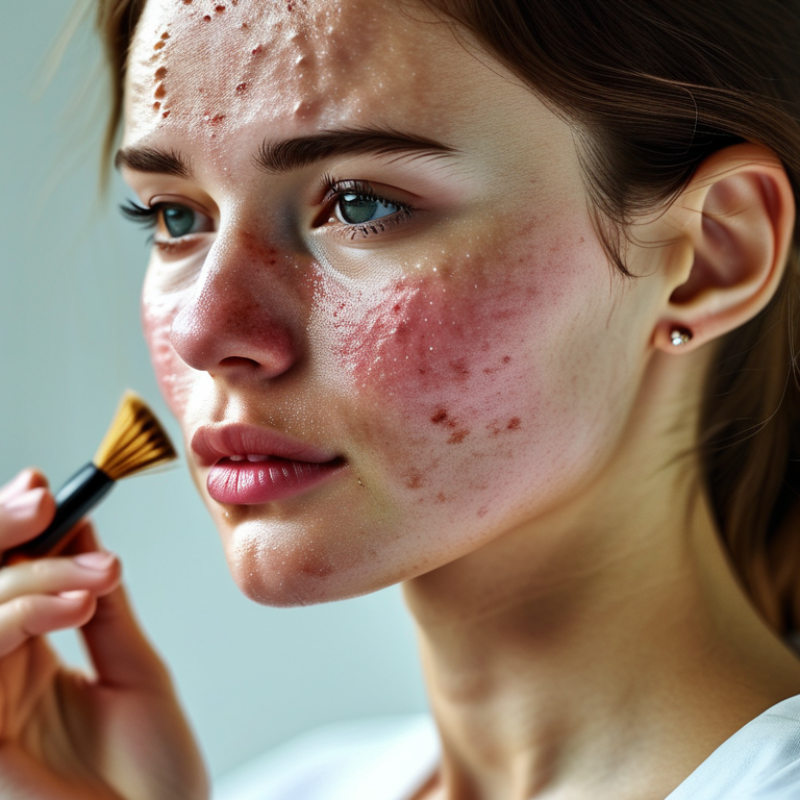
Many people wonder, "why is my skin breaking out after using a facial brush?" Dr. Emily Carter, a renowned dermatologist, explains, "Facial brushes can disrupt your skin's balance." This insight sheds light on an often overlooked issue.
Using a facial brush can feel refreshing. It promises deeper cleaning and radiant skin. However, for some, it leads to unexpected breakouts. This reaction can stem from several factors, including bacteria buildup on the brush, over-exfoliation, or skin sensitivity. Dirty brushes can introduce unwanted bacteria that clog pores, triggering pimples.
Moreover, aggressive scrubbing can damage the skin barrier. This can leave skin vulnerable to irritations. Many enthusiasts may not realize that their products could also contribute to their skin's distress. It’s crucial to reflect on your routine. Identifying potential irritants might help in finding a solution to your skin troubles.
Understanding Facial Brushes and Their Effects on Skin
Facial brushes have become popular tools in skincare routines. They promise deep cleansing and enhanced exfoliation. However, some people notice breakouts after use. This reaction can stem from several factors.
Facial brushes, especially those with stiff bristles, can irritate sensitive skin. They may disrupt the skin barrier, leading to inflammation. Over-exfoliation can also occur, stripping away natural oils. When the skin feels dry, it may produce more oil, contributing to breakouts.
If a facial brush is not sanitized properly, bacteria can thrive on its surface. Using a dirty brush on your face can introduce these bacteria, leading to pimples. It’s important to choose brushes that suit your skin type. Not every brush is ideal for everyone. Unwanted reactions often signal that your skin needs a gentler approach. Understanding your skin's unique needs can guide you in selecting the right tools.
Common Reasons for Breakouts After Using Facial Brushes
Using a facial brush can enhance your skincare routine, but sometimes it can lead to breakouts. Understanding the common reasons behind this reaction is crucial for maintaining healthy skin. One primary factor is the brush's exfoliation. Over-exfoliating can cause irritation and trigger breakouts, especially if you have sensitive skin. This is particularly common for those new to using brushes.
Another reason could be improper cleaning of the brush itself. Bacteria can build up on the bristles, leading to clogged pores. Skin absorbs dirt and oils from the brush, which can result in unwanted blemishes. Make sure to clean your facial brush regularly, ideally after each use. The water temperature matters too; using hot water can cause bristles to degrade, reducing effectiveness.
Finally, consider how much pressure you apply during brushing. Too much force can damage the skin barrier. That might lead to inflammation and more breakouts. Always approach brushing gently. Pay attention to your skin’s response and adjust your technique accordingly. It's essential to customize your approach based on your skin's unique needs.
Why Does My Skin Break Out After Using a Facial Brush? - Common Reasons for Breakouts After Using Facial Brushes
| Reason |
Description |
Frequency of Occurrence |
Prevention Tips |
| Dirty Brushes |
Using unclean brushes can transfer bacteria to the skin. |
Common |
Clean brushes regularly with soap and water. |
| Excessive Scrubbing |
Overuse or aggressive scrubbing can irritate the skin. |
Moderate |
Use gentle pressure and limit usage to 2-3 times per week. |
| Skin Sensitivity |
Some individuals may have sensitive skin that reacts negatively. |
Variable |
Perform a patch test before regular use. |
| Product Reaction |
Certain skincare products may not react well with brush application. |
Occasional |
Check ingredient compatibility with brush use. |
| Allergic Reactions |
Allergies to materials in brushes or products can cause breakouts. |
Rare |
Use hypoallergenic brushes and products. |
Skin Types That May Be Sensitive to Facial Brushes
Using a facial brush can enhance your skincare routine, but it may not suit everyone. Skin types that are sensitive often react negatively to the friction and exfoliation these brushes provide. For individuals with sensitive or reactive skin, this method can lead to redness, irritation, or breakouts. It's vital to know your skin type before incorporating such tools.
Those with oily or acne-prone skin may also experience issues. While one might think brushing helps clear pores, it can push bacteria deeper. Clogged pores may worsen, leading to more breakouts. Even normal skin types should be careful when using a brush frequently. Over-exfoliation can disrupt the skin barrier, causing dryness and irritation.
It's essential to listen to your skin. If you notice increased sensitivity after using a facial brush, reflect on your routine. Perhaps adjusting the frequency or pressure can make a difference. Test a gentle technique before committing to a regular use. Everyone's skin is unique, and what works for one person may not work for another.
Proper Technique for Using Facial Brushes to Avoid Breakouts
Using a facial brush can provide a deep clean, but improper technique may lead to breakouts. According to skin care experts, the brush's bristles can harbor bacteria, especially if not cleaned regularly. A study by the Journal of Dermatological Science noted that 70% of acne cases are related to improper cleansing techniques. This highlights the importance of using facial brushes correctly.
Start by wetting the brush before application. A gentle touch is key; using too much pressure can irritate the skin. Dermatologists recommend circular motions to effectively remove dead skin cells without causing redness. It's critical to avoid using the brush on active breakouts, as this can exacerbate inflammation. Even the most diligent routine may fail if the brush is not cleaned thoroughly.
Investing in quality brushes matters. Cheaper options may lack the necessary softness. According to a survey, 60% of users reported better results with bristles designed for sensitive skin. Listen to your skin—if irritation occurs, reassess your usage frequency. Routine maintenance is essential; brushes should be sanitized after each use to prevent buildup. This attention to detail can help maintain clarity and avoid unwanted flare-ups.
Best Practices for Maintaining Facial Brushes for Healthy Skin
Facial brushes can enhance your skincare routine, but they require diligent maintenance. Proper cleaning of your facial brush is essential to prevent breakouts. According to dermatological studies, over 60% of users do not clean their brushes regularly. This oversight can lead to bacteria buildup, which triggers skin irritation and acne.
To keep your facial brushes in optimal condition, wash them thoroughly after each use. Use a mild soap or cleanser and warm water. This helps remove makeup residue and oils. Studies suggest that brushes can accumulate 40,000 harmful bacteria after just one week of non-cleaning. Additionally, replace your brushes every three to six months, as worn bristles can irritate skin, making breakouts more likely.
Storing brushes correctly is equally crucial. Keep them in a dry, clean area to prevent moisture retention and mold growth. Some users tend to store brushes in bathroom cabinets, exposing them to humidity. Opt for a dedicated space with proper ventilation. Regular maintenance not only prolongs the lifespan of your tools but significantly improves your skin health as well.
Conclusion
Many individuals wonder, "why is my skin breaking out after using a facial brush?" This concern can often be attributed to a variety of factors related to the brushes themselves and the technique used. Facial brushes can effectively cleanse and exfoliate the skin, but they may also cause irritation, especially for those with sensitive skin types. Common reasons for breakouts include using too much pressure, not cleaning the brush properly, or using the brush on already compromised skin.
To minimize the risk of breakouts after using a facial brush, it is essential to adopt proper techniques, such as applying gentle pressure and using the brush a few times a week rather than daily. Additionally, maintaining the brush’s cleanliness through regular washing and storage in a dry area can prevent bacteria buildup. Understanding these aspects can help users enjoy the benefits of facial brushes while minimizing potential skin issues.