In the quest for youthful skin, many have turned to LED light therapy masks. These devices offer a variety of benefits, from reducing acne to enhancing collagen production. However, the question remains: how often should you use an LED light therapy mask? According to Dr. Emily Williams, a renowned dermatologist, “Regular use is key, but balance is essential to avoid overstimulation.”
Finding the right balance can be challenging. Some users might feel inclined to use the mask daily, hoping for faster results. Yet, overuse can lead to skin irritation, undermining the benefits. Dr. Williams suggests a moderate approach. She recommends starting with two to three sessions per week. This frequency allows the skin to adapt and respond effectively.
This advice highlights the importance of listening to your skin's needs. Individual skin types and conditions may influence how often you should use an LED light therapy mask. Some may find that once a week suffices, while others might benefit from more frequent applications. Ultimately, observing your skin’s reactions is crucial for achieving the desired results without causing unwanted side effects.
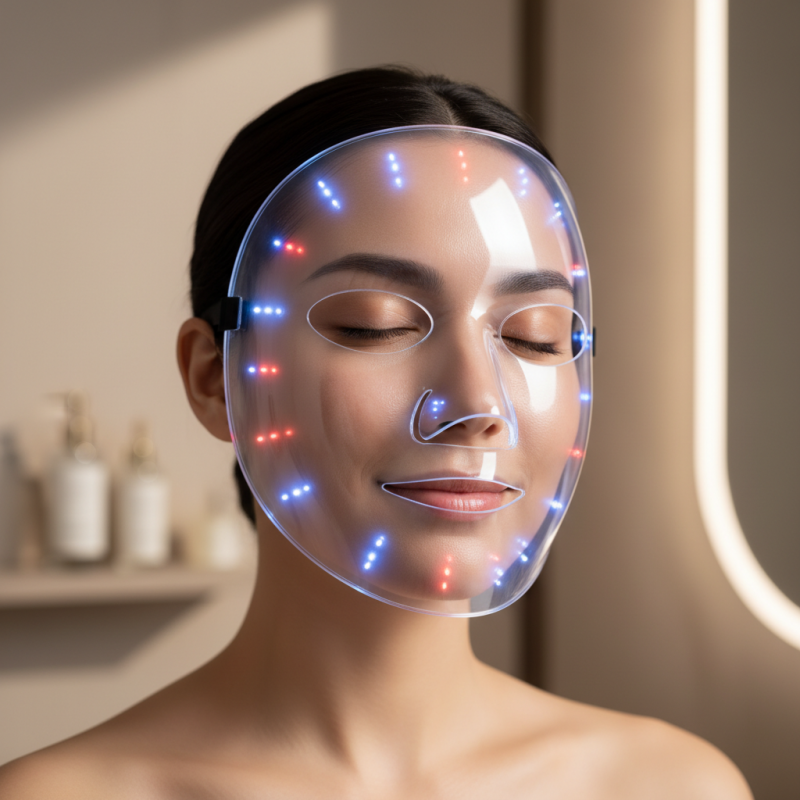
LED light therapy is becoming increasingly popular for skincare. It uses different wavelengths of light to target various skin concerns. Red light can boost collagen production, while blue light helps combat acne. This therapy can improve skin texture and tone, making it a favorite among beauty enthusiasts.
Using an LED light therapy mask regularly can maximize its benefits. However, it is essential to avoid overusing the mask. Recommendations suggest using it 2-3 times a week. Consistent use allows the skin to adapt and respond better. Moreover, everyone’s skin is unique, so finding the right frequency may require adjustment.
Listening to your skin is key. If irritation or dryness occurs, consider reducing usage. Also, remember that results may take time. Patience is crucial. Many users report noticeable changes after several weeks. Taking the time to understand how your skin reacts can lead to an effective routine. Experimentation is part of the journey to beautiful skin.
Using an LED light therapy mask can be an effective way to enhance skin health. However, finding the right frequency is crucial for maximizing the benefits. Experts generally recommend using the mask two to three times a week. This schedule allows the skin to recover and absorb the light's benefits without overwhelming it.
Overusing the mask may lead to irritation. It’s important to pay attention to your skin's response. Start with shorter sessions and gradually increase the duration as needed. Some people report positive changes after consistent use, while others may see little improvement. This variance emphasizes the need for a personalized approach.
Ultimately, patience is key. Each person's skin reacts differently to LED therapy. Monitoring your skin's condition after each session can help you determine what works best. Keeping a journal of your experiences can also reveal patterns, allowing for better decisions in the future. Always prioritize your skin's well-being over rapid results.
When considering the use of LED light therapy masks, understanding different skin types and their responses is crucial. Research highlights that skin conditions vary greatly. For example, oily skin often responds well to blue light therapy, reducing acne by up to 70%, according to a 2020 study in the Journal of Clinical and Aesthetic Dermatology. Conversely, dry skin types may benefit more from red light, which boosts collagen production and aids moisture retention.
For sensitive skin, a cautious approach is warranted. Start with short sessions, possibly 10 minutes, to gauge the skin’s reaction. Gradually increasing the duration as tolerance builds can be beneficial. A 2018 survey indicated that 30% of users with sensitive skin faced irritation when not adapting their routine properly.
Tips: Always perform a patch test before full application. Maintain a consistent routine, ideally 2-3 times weekly, for optimal results. Keep the masks clean to avoid bacterial build-up. A wrong approach can hinder potential benefits.
| Skin Type | Recommended Usage (Times/Week) | Expected Benefits |
|---|---|---|
| Oily Skin | 3-4 | Reduces excess oil, minimizes pores |
| Dry Skin | 2-3 | Enhances hydration, improves texture |
| Sensitive Skin | 1-2 | Reduces inflammation, soothes irritation |
| Acne-Prone Skin | 3-5 | Helps clear breakouts, reduces redness |
| Mature Skin | 3-4 | Stimulates collagen, improves firmness |
LED light therapy masks have gained popularity for their potential skincare benefits. However, understanding how often to use them is crucial for safety and effectiveness. Generally, experts recommend using these masks 2-3 times a week. This frequency helps to avoid overstimulation of your skin, which can lead to irritation rather than improvement.
When starting with LED masks, always conduct a patch test. Apply it on a small area of your skin and observe for any adverse reactions. If you have sensitive skin, using the mask once a week may be more suitable. Remember to cleanse your face beforehand to maximize absorption.
For optimal results, keep sessions to 15-20 minutes. Prolonged exposure isn't always better and can be counterproductive. Stay hydrated and follow up with a moisturizer. Consistency is key, but overuse can lead to diminishing returns. Listen to your skin and adjust your routine as necessary for the best outcomes.
When using an LED light therapy mask, knowing when to adjust your usage is crucial for effective results. One common sign that you may need to change your routine is skin irritation. If you find your skin becoming red or itchy, it might be a signal to cut back. Overuse can lead to sensitivity, which can be counterproductive.
Another indicator is lack of noticeable results. If your skin doesn’t show improvement after consistent use, it may be time to rethink your schedule. You might be using the mask too often or not enough. Listening to your skin is key. Tracking changes helps you identify what works and what doesn’t.
Pay attention to your overall skin condition too. Seasonal changes can affect how your skin reacts to treatments. If your skin feels drier in winter, you may need to adjust your usage frequency. Reflect on your environment and lifestyle factors. These aspects deeply influence how your skin responds. Adjusting usage frequency based on these signs leads to better outcomes.
: Experts recommend using the mask two to three times a week. This allows the skin to recover.
Overusing the mask can lead to skin irritation. It's crucial to observe your skin's response.
It's best to start with shorter sessions. Gradually increase the duration as your skin adapts.
No, skin types respond differently. Oily skin often benefits from blue light, while dry skin prefers red light.
Monitor your skin after sessions. Keeping a journal may help you identify effective patterns.
Start with short sessions, around 10 minutes. Increase duration only as tolerance builds.
Everyone's skin is unique. What works for one person may not work for another.
Yes, always perform a patch test. It helps gauge how your skin reacts before full application.
If you experience irritation, reconsider your routine. Adjust the frequency or duration as needed.
Keep the mask clean to prevent bacteria buildup. Also, maintain a consistent routine for optimal results.
LED light therapy masks offer numerous skin benefits, including improved texture, reduced acne, and decreased signs of aging. Understanding how often should you use an LED light therapy mask is crucial for maximizing its effectiveness. Generally, using the mask 2-3 times a week is recommended for most skin types. However, individual responses may vary, necessitating adjustments based on skin sensitivity and specific concerns.
For different skin types, the frequency may change; sensitive skin may require less frequent use, while more resilient skin might tolerate increased sessions. It's essential to follow safe usage guidelines, including proper duration and distance from the skin to avoid any adverse effects. Regularly evaluating your skin's response can help determine if adjustments to your LED mask usage frequency are needed, ensuring optimal results without causing irritation.
