Top 10 LED Light Therapy Mask Tips How Often to Use?

Time:2026-11-01 Author:Henry
0%

An LED mask can look simple: wash your face, fit the device, and wait under its red glow. The schedule is less obvious. If you’re asking “how often should you use an LED light therapy mask,” the safest answer starts with your specific device, not a universal routine. Masks differ in light output, treatment time, and manufacturer guidance.

Photobiomodulation researcher Dr. Michael Hamblin has emphasized a useful principle: “The dose is the key.” For home use, that means following the mask’s stated session length and weekly frequency rather than assuming more sessions bring better results. Many devices suggest several sessions each week, but recommendations vary. Check the manual, and don’t extend sessions to make up for missed days.

Consistency matters. So does restraint. Take a clear photo in the same bathroom light each week; subtle changes are easier to judge that way. Stop using the mask if it causes persistent irritation, and ask a qualified healthcare professional about use if you have a light-sensitive condition or take medication that increases light sensitivity. I can’t promise a particular result: evidence and device quality vary, and progress may be gradual. That uncertainty deserves attention, too.

This guide covers practical tips for building a routine, preparing your skin, and using an LED mask more thoughtfully. It also explains when to pause and seek professional advice. Follow the instructions. Your skin is not a timer.
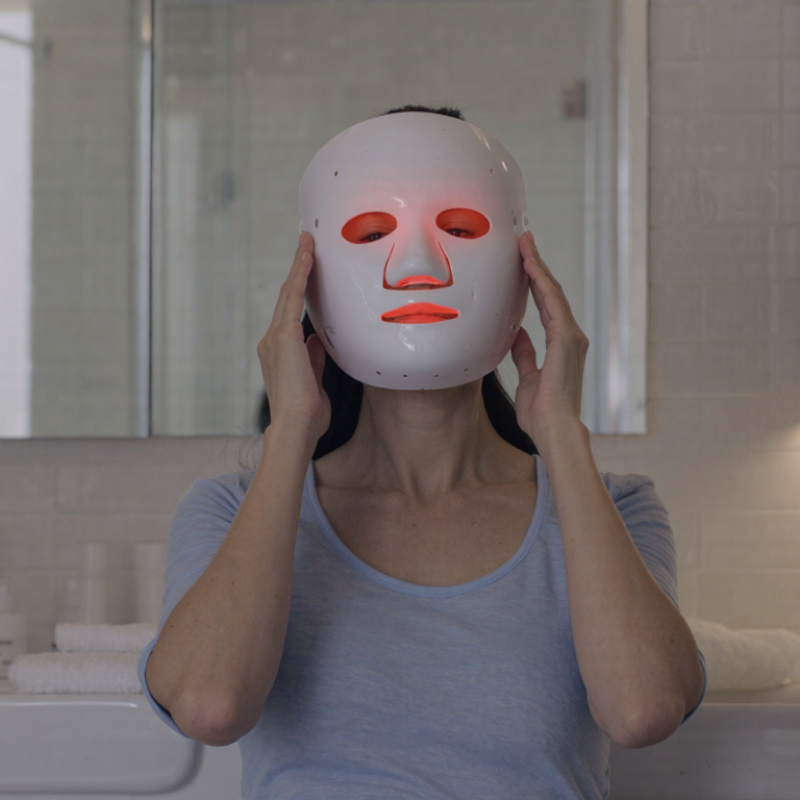
Top 10 LED Light Therapy Mask Tips How Often to Use?

Understanding How LED Light Therapy Masks Work

Understanding How LED Light Therapy Masks Work

LED masks shine specific wavelengths onto the skin. Red light and near-infrared light are used for photobiomodulation, a process that may influence cellular activity without heating the skin like a laser. Blue light targets different skin structures and is commonly studied for acne. Wavelength, light dose, fit, and exposure time all matter; brighter-looking light does not automatically mean better results.

A 2014 controlled study by Wunsch and Matuschka, published in Photomedicine and Laser Surgery, followed 136 volunteers through 30 red and near-infrared light treatments over 15 weeks. Researchers reported improvements in skin roughness and collagen density. That study used a treatment setup, not every consumer mask, so its results cannot predict what a home device will do. Evidence is still uneven. Real skin is less tidy than a study chart.

Tips: Follow the mask’s stated schedule rather than adding extra sessions. Start with clean, dry skin, protect your eyes as directed, and note any irritation. Many devices recommend several sessions weekly, but instructions differ. Consistency matters more than marathon sessions. If your skin feels uncomfortable, stop and reassess.

Choosing a Safe Starting Frequency for Your Skin

Choosing a safe starting frequency means treating the mask like a new skincare active, not a nightly shortcut. Start with one short session per week, using the device’s stated duration and eye protection. Check your skin the next day for lingering redness, dryness, warmth, or discomfort. Keep it simple. If irritation appears, stop and ask a dermatologist before trying again.

A clinical study by Wunsch and Matuschka, published in Photomedicine and Laser Surgery in 2014, assessed red and near-infrared light in 136 volunteers. Its protocol used 30 treatments across 15 weeks, or about two sessions weekly. That schedule is useful context, not a prescription: the study setup and tested equipment may differ from a home mask. A neat schedule can still be wrong for your skin.

If one weekly session causes no problems after two weeks, consider following the mask’s labeled schedule rather than increasing use on your own. More sessions do not automatically mean better results. People with light sensitivity, eye conditions, or medicines that increase photosensitivity should check with a healthcare professional first. Skin response can be uneven, and that uncertainty deserves attention. Keep a brief note of session dates and any changes, especially if you also use exfoliating products.

Following Your Mask’s Recommended Treatment Schedule

LED masks do not all use the same treatment schedule. Check the instructions supplied with your device, including session length, weekly frequency, and any eye-protection guidance. A five-minute session and a twenty-minute session are not interchangeable. More time is not automatically better. Keep the schedule somewhere visible, such as beside your cleanser, and follow it consistently rather than adding extra sessions when you miss one.

Tips: Set a quiet phone reminder for treatment days. Use the mask on clean, dry skin if its instructions recommend that. Note the date and session length in a simple calendar. Small details help you spot whether you are following the routine as intended.

Give your skin time to adjust, and pay attention to how it feels during and after each session. Mild warmth may be expected for some devices, but discomfort or persistent redness should not be ignored. Pause use and consult a qualified healthcare professional if irritation continues or concerns you. I sometimes find routines harder to maintain than expected, so keep the plan realistic. If the schedule feels difficult, reread the instructions instead of improvising; device guidance can differ, and personal needs may vary.

Top 10 LED Light Therapy Mask Tips: How Often to Use It — Follow Your Mask’s Recommended Treatment Schedule
No. Tip Frequency or timing Practical guidance
01 Start with the device instructions Before your first session Follow the manufacturer’s stated session length, weekly frequency, and any limits. LED masks differ, so one schedule does not suit every device.
02 Use a consistent schedule Repeat the schedule specified for your mask Regular use as directed is more sensible than adding extra sessions. Keep a simple log to track sessions and any skin reactions.
03 Do not extend treatment time Use only the device’s prescribed session duration Longer sessions are not automatically more effective. Stop when the treatment cycle ends rather than restarting it without guidance.
04 Begin cautiously if you have sensitive skin Follow the device’s start-up guidance If the instructions allow flexibility, consider easing into the schedule and monitor your skin. Ask a healthcare professional for advice if you are unsure.
05 Use the mask on clean, dry skin Before each treatment Remove makeup, sunscreen, and skincare residue unless the device instructions say otherwise. This helps keep the mask clean and the routine consistent.
06 Protect your eyes as directed During every session Use the eye protection supplied or recommended for the device. Do not look directly at the LEDs, and follow the manual’s instructions about eye closure.
07 Check for photosensitivity concerns Before starting or changing your routine Some medicines and health conditions can increase sensitivity to light. Consult a healthcare professional if you use photosensitizing medication or have an eye or skin condition.
08 Keep the mask clean After use, following the cleaning instructions Clean the contact surfaces as directed and let the device dry before storing it. Avoid cleaners that the manual does not approve.
09 Pause if irritation develops Stop if you notice persistent discomfort Discontinue use if you experience unusual pain, significant redness, or eye discomfort. Seek medical advice if symptoms persist or are severe.
10 Review progress at reasonable intervals After several weeks of consistent, directed use Keep expectations realistic: results vary, and changes may take time. If your skin concern is ongoing or worsening, consult a qualified healthcare professional.

Adjusting Use Based on Your Skin’s Response

LED light therapy masks are not a “more is better” routine. Follow the device instructions, since treatment times and schedules can vary. If you are new to a mask, begin with the lowest recommended frequency rather than using it every day. Keep sessions consistent, and give your skin time to show how it responds.

Notice what happens after each session. Mild warmth may pass quickly, but burning, persistent redness, itching, or swelling are reasons to stop and reassess. Let irritated skin settle before considering another session. If discomfort continues, or you have a skin condition or take medication that increases light sensitivity, ask a dermatologist for guidance. One detail is easy to overlook: skincare products can also affect how your skin feels, so keep your routine simple while assessing the mask.

Tips: Keep a brief skin log. Note session length, frequency, and any changes, such as redness around the nose or dryness on the cheeks. Adjust one thing at a time; otherwise, it is hard to tell what caused a reaction. Progress is not always linear, and skipping a session can be the sensible choice.

Maintaining Consistency, Cleanliness, and Eye Safety

Consistency is more useful than marathon sessions. Follow the mask’s stated schedule, and use it on the same days each week so the routine is easy to track. If you miss a session, do not double the next one. LED research uses varied devices and schedules, so there is no single frequency that suits every mask or skin concern. Keep a simple log of session dates and any irritation; small details are easy to forget.

Clean skin and a clean mask matter. Remove makeup and skincare residue before treatment, then unplug the device and wipe its contact surfaces with the manufacturer-approved method. Let it dry fully before storing it. Avoid harsh cleaners unless the instructions allow them. This part can feel fussy, but residue can collect around nose and chin openings.

Protect your eyes according to the device instructions; never stare into the LEDs. IEC 62471, the photobiological safety standard, places lamps in four risk groups, from Exempt to Risk Group 3. That classification is not a substitute for a mask’s own eye-safety guidance. Use supplied eye shields when required, and ask an eye-care professional before use if you have an eye condition or take light-sensitive medication. I would not guess about eye comfort—pause if you feel pain or unusual visual symptoms.

FAQS

How do LED light therapy masks work?

They shine selected wavelengths onto the skin. Red and near-infrared light may influence cellular activity without laser-like heating. Blue light is commonly studied for acne.

Do brighter lights give better results?

Not necessarily. Wavelength, dose, fit, and exposure time all matter. Brighter-looking light alone does not prove stronger results.

What does research say about red and near-infrared light?

A 2014 study followed 136 volunteers through 30 treatments over 15 weeks. Researchers reported improvements in skin roughness and collagen density. That setup was not the same as every home mask.

How often should I use a mask?

Follow the device’s schedule, since recommendations differ. If you are new to it, begin at the lowest recommended frequency. Consistency matters more than long sessions. No catch-up marathon.

What should I do if my skin becomes irritated?

Stop if you notice burning, persistent redness, itching, or swelling. Let your skin settle before considering another session. If discomfort continues, seek dermatology advice.

Can skincare products affect how my skin responds?

They can affect how your skin feels. Keep your routine simple while assessing the mask, and change one thing at a time. A brief log can help, though it may not explain every reaction.

How should I clean and store the mask?

Remove makeup and skincare residue before treatment. Unplug the mask, clean contact surfaces as instructed, and let it dry fully. Avoid harsh cleaners unless the instructions permit them.

How can I protect my eyes during treatment?

Follow the device’s eye-safety directions and use supplied shields when required. Never stare into the LEDs. Pause if you feel eye pain or notice unusual vision changes. Be cautious.

Conclusion

LED light therapy masks use specific wavelengths of light to support skincare goals, but the right routine depends on the device instructions and your skin’s needs. If you’re wondering how often should you use an LED light therapy mask, begin with the schedule provided for your mask rather than assuming that longer or more frequent sessions will work better. Starting conservatively can help you see how your skin responds before settling into a regular routine.

Pay attention to changes such as irritation, dryness, or discomfort, and reduce use or pause if your skin reacts poorly. Consistency matters more than overuse, so follow a manageable schedule and allow time to assess your results. Keep the mask clean according to its care instructions, use it on clean skin when recommended, and protect your eyes as directed. A careful, steady approach can help make LED mask use more comfortable and responsible.

Henry

Henry

Henry is a dedicated marketing professional with a profound expertise in the company's offerings. With years of experience in the industry, he possesses an impressive understanding of the market dynamics and consumer behaviors that drive success. Henry is committed to sharing his insights through......