Can You Safely Use a Facial Steamer with Rosacea?

Time:2026-07-23 Author:Mason
0%

Rosacea is a common skin condition affecting around 16 million Americans. Individuals with this disorder often seek relief or improvement through various skincare techniques. One question many ask is, “can you use a facial steamer if you have rosacea?” Understanding the potential effects of facial steam on sensitive skin is crucial.

Clinical studies show that heat can exacerbate rosacea symptoms. A report from the National Rosacea Society highlights triggers like heat, stress, and certain skincare products. Using a facial steamer may increase blood flow, leading to further flushing and irritation. However, other dermatological opinions suggest that cautious use might benefit some individuals.

Those considering a facial steamer should be aware of their unique reactions. Each person with rosacea has different triggers, and what works for one may not work for another. Seeking advice from a dermatologist can provide tailored recommendations. While steam can open pores, it’s essential to proceed carefully to prevent worsening symptoms.
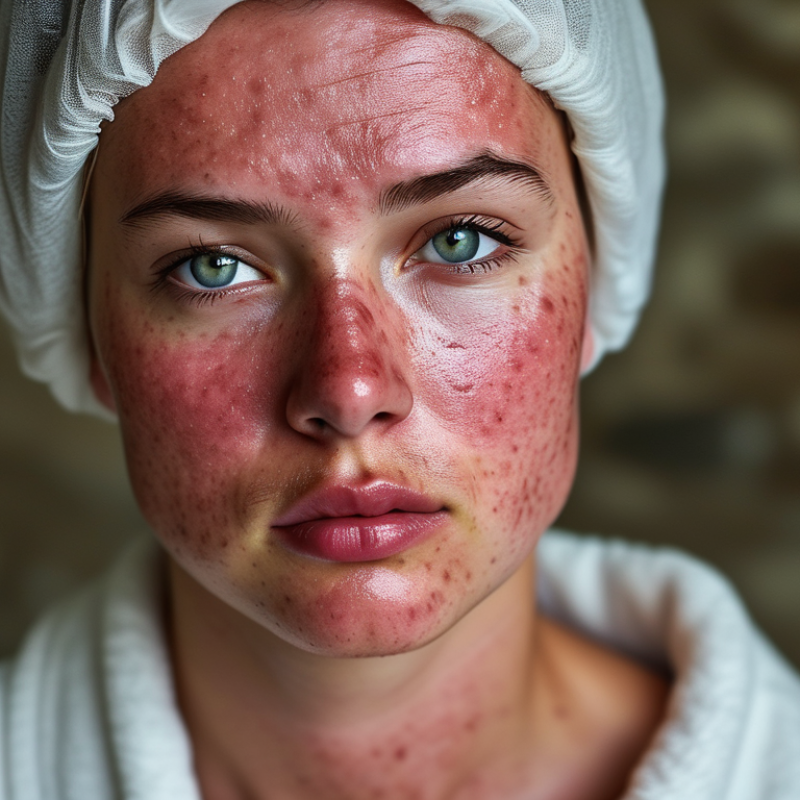
Can You Safely Use a Facial Steamer with Rosacea?

Understanding Rosacea: Symptoms and Triggers

Rosacea is a common skin condition affecting millions worldwide. It often manifests through redness, bumps, and visible blood vessels. According to the National Rosacea Society, nearly 16 million people in the United States are believed to have this condition. Understanding the symptoms and triggers is crucial for managing rosacea effectively.

Common symptoms include flushing, persistent redness, and skin sensitivity. Triggers vary by individual but often include heat, spicy foods, and emotional stress. A study published in the Journal of the American Academy of Dermatology indicates that 70% of rosacea patients report environmental factors as triggers. High temperatures can worsen symptoms, leading to discomfort and flare-ups. Many patients find that steam or hot water exacerbates their condition, making it essential to avoid these during skincare routines.

People with rosacea must listen to their skin. While steamers can offer benefits for some, they might not suit everyone. Personal experiences often differ. A seemingly effective treatment for one might trigger a flare for another. Keeping a diary to track responses is advisable, offering insights into personal triggers and responses to various treatments. Balancing the desire for a glowing complexion with the potential for increased inflammation is essential.

Can You Safely Use a Facial Steamer with Rosacea? - Understanding Rosacea: Symptoms and Triggers

Aspect Details
Symptoms of Rosacea Redness, visible blood vessels, bumps, and pimples
Common Triggers Heat, spicy foods, alcohol, sunlight
Facial Steamer Usage Can exacerbate symptoms; not typically recommended
Alternatives to Steaming Cool compresses, gentle cleansing, soothing masks
Consultation Always consult a dermatologist before trying new treatments

The Role of Facial Steamers in Skincare Routines

Facial steamers have gained popularity in many skincare routines. They are marketed as a way to open pores and boost hydration. However, their role in skincare becomes complex when considering conditions like rosacea. Rosacea is a chronic skin condition that can cause redness and irritation. Using a facial steamer may not always be suitable for individuals with this condition.

When steam is applied, it can increase blood flow and exacerbate redness in sensitive skin. This reaction can lead to discomfort and may flare up rosacea symptoms. It's essential to assess skin reactions before making facial steaming a regular practice. Each person's skin is unique, and what works for one may not work for another.

Incorporating steam into a skincare routine can be beneficial, but caution is necessary. People with rosacea should approach facial steamers with care. Consulting a dermatologist can provide personalized recommendations. Ultimately, learning how your skin reacts to heat is crucial. Sometimes, alternatives like cool compresses may offer more relief.

Can You Safely Use a Facial Steamer with Rosacea?

This chart illustrates the recommended usage frequency of facial steamers among individuals with rosacea. The data reflects the potential impact on skin comfort and flare-up frequency based on user feedback. A higher value indicates a preferred usage frequency for optimal skincare results.

Potential Benefits of Using a Facial Steamer for Rosacea

Facial steamers have gained popularity for their potential benefits in skincare routines. For individuals with rosacea, the heat and moisture from a steamer may seem appealing. Warm steam can enhance blood circulation, promoting a healthy glow. It may also help relax facial muscles, which can reduce tension and stress on the skin.

However, caution is essential. The warmth might trigger rosacea flare-ups in some people. Each person’s skin reacts differently to heat and moisture. Testing the steamer on a small skin area first can offer insights. Using it for a short duration may prevent overexposure. Consulting with a dermatologist is wise, as they can provide tailored advice.

While steam may assist in opening pores, it could also irritate sensitive skin. The key is to find a balance that works. If you notice any redness or discomfort after using a facial steamer, it may be time to rethink your approach. Monitoring your skin’s response is important for managing rosacea effectively.

Risks and Precautions When Using Facial Steamers with Rosacea

Using facial steamers can be tempting, especially for soothing skin conditions. However, if you have rosacea, there are risks involved. High temperatures can worsen redness and inflammation. Heat opens blood vessels and may trigger an outbreak. It’s essential to approach steaming with caution.

Consider these tips before using a facial steamer. Start by checking the water temperature. It should be warm, not hot. Test it with your wrist to avoid burns. Limit steaming sessions to five minutes. Overexposure can lead to irritation. After steaming, apply a gentle, fragrance-free moisturizer. This can help lock in hydration without causing a flare-up.

Listen to your skin. Pay attention to how it reacts post-steaming. If you notice increased redness, reconsider your routine. Consulting a dermatologist is wise. They can provide personalized advice tailored to your skin's needs. Remember, managing rosacea is about understanding triggers and finding a balance.

Alternative Skincare Options for Rosacea Sufferers

For those living with rosacea, daily skincare can pose unique challenges. Many sufferers look for alternative methods to soothe their sensitive skin. Gentle and non-inflammatory skincare products are essential. Studies indicate that around 16 million Americans have rosacea, highlighting the need for effective and safe solutions.

One wise tip is to choose products with calming ingredients. Look for formulations containing aloe vera, green tea, and chamomile. These ingredients are known to reduce irritation. According to the National Rosacea Society, around 75% of those with rosacea report sensitivity to skin care products. This underscores the importance of being cautious with ingredient choices.

Consider avoiding hot water and steam treatments, which can aggravate symptoms. Instead, try cool compresses to cool down your skin. Regularly moisturizing with a non-comedogenic cream can also lock in hydration without triggering flare-ups. Consulting with a dermatologist is crucial to create a personalized skincare plan. You deserve to feel comfortable in your skin, and there’s always room for improvement in your routine.

FAQS

: What is rosacea?

: Rosacea is a common skin condition characterized by redness, bumps, and visible blood vessels.

What are the common symptoms of rosacea?

Symptoms include flushing, persistent redness, and skin sensitivity.

What triggers rosacea symptoms?

Triggers vary but often include heat, spicy foods, and emotional stress.

How can environmental factors affect rosacea?

Environmental factors, like high temperatures, can worsen symptoms for many individuals.

Is using a facial steamer safe for rosacea?

Facial steamers can worsen redness and inflammation, so caution is crucial.

How should I prepare before using a facial steamer?

Check the water temperature; it should be warm, not hot. Test it on your wrist.

How long should I steam my face?

Limit steaming sessions to five minutes to avoid irritation.

What should I apply after steaming?

Use a gentle, fragrance-free moisturizer to lock in hydration.

What should I do if my skin reacts poorly after steaming?

Pay attention to increased redness and reconsider your routine if it worsens.

When should I consult a dermatologist?

Consult a dermatologist for personalized advice tailored to your skin’s needs and triggers.

Conclusion

When considering "can you use a facial steamer if you have rosacea," it's essential to understand this skin condition's symptoms and triggers. Rosacea is characterized by facial redness, visible blood vessels, and sometimes acne-like bumps, which can be exacerbated by heat and certain skincare products. Facial steamers, commonly used for hydration and cleansing, may offer some benefits, such as opening pores and promoting circulation. However, the heat they generate can also aggravate rosacea symptoms in some individuals.

Therefore, while some rosacea sufferers might find the gentle steam soothing, others may experience increased redness and irritation. It is crucial to take necessary precautions, such as using a cooler steam setting and limiting exposure time. If facial steaming is deemed unsuitable, alternative skincare options are available that cater specifically to the needs of those with rosacea, focusing on calming and hydrating properties without the risks associated with heat.

Mason

Mason

Mason is a seasoned marketing professional with a deep expertise in the company's offerings and a passion for driving brand awareness. With a strong background in digital marketing strategies, he has an innate ability to connect with diverse audiences and effectively communicate product benefits.......