Does RF Skin Tightening Actually Work for Wrinkles in 2026?

Time:2026-11-08 Author:Liam
0%

A mirror can make fine lines around the eyes look sharper after a poor night’s sleep. That does not mean every wrinkle needs a device. If you are asking, “does RF skin tightening actually work for wrinkles,” the honest answer is: sometimes, modestly, and not equally for everyone.

Radiofrequency treatments deliver controlled heat into the skin, aiming to encourage collagen remodeling. In practice, people may notice gradual firmness or smoother-looking texture over several weeks or months. The effect is usually subtler than a facelift, and results can vary with the device, treatment settings, skin condition, and provider’s skill. Some people see little change. That matters.

RF may be more useful for mild looseness and early fine lines than for deep folds or significant sun damage. It cannot erase every crease, and results are not permanent. A warm, prickly sensation during treatment is common, while temporary redness or swelling can occur. Less commonly, burns or unwanted changes in skin texture may happen, which is why proper training and device selection matter.

This guide looks at what current evidence can—and cannot—tell us, which wrinkles may respond, and how RF compares with other options. It also covers costs, recovery, safety questions, and realistic before-and-after expectations. A consultation with a qualified clinician can help assess your skin and health history before treatment. Still, even careful advice cannot promise a particular result. That is worth remembering.
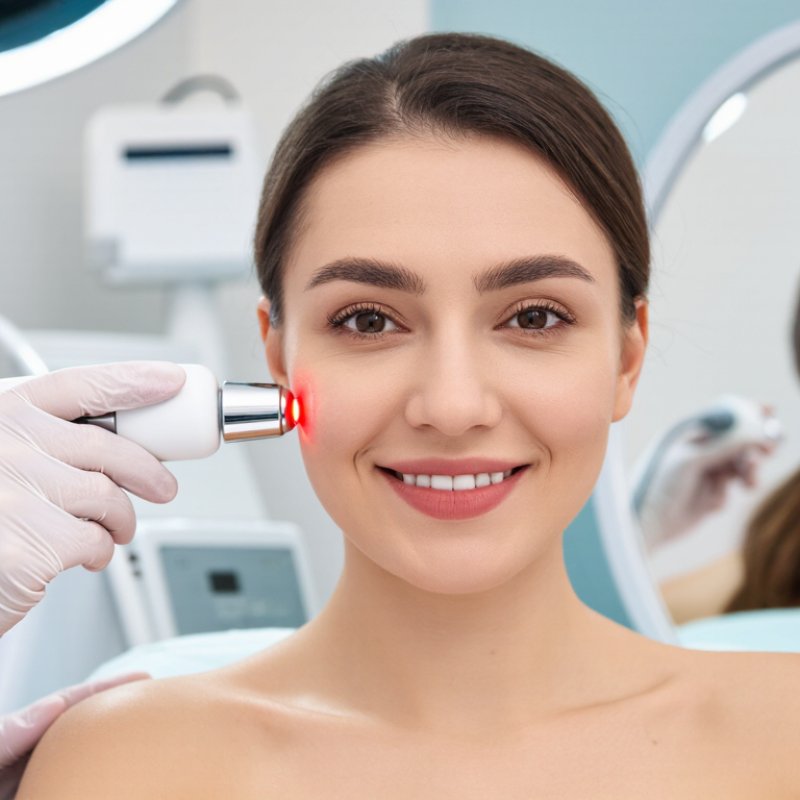
Does RF Skin Tightening Actually Work for Wrinkles in 2026?

How Radiofrequency Skin Tightening Targets Wrinkles

Radiofrequency (RF) skin tightening delivers controlled heat into the dermis. The goal is to encourage collagen remodeling, which may make skin look firmer and soften fine lines over time. It does not erase deep wrinkles. Think gradual change, not a sudden lift. Treatment depth, energy settings, and the device used all affect the result, so findings from one RF method may not apply to another.

The American Society of Plastic Surgeons’ 2023 procedural statistics recorded about 25.4 million cosmetic procedures, including 23.7 million minimally invasive procedures. That shows strong demand, not proof that RF works for every face. Clinical studies report variable results, and differences in treatment protocols make a single reliable improvement percentage hard to give. A realistic plan should include a clinician’s assessment of wrinkle depth, skin condition, and medical history. Some people notice only subtle change. That matters. Heat-based treatments can also cause burns or unwanted texture changes if poorly selected or delivered, so ask about operator training, device type, and aftercare. My cautious view: RF may help mild laxity and fine wrinkles, but expectations need to stay modest.

What Clinical Evidence Shows About Its Effectiveness in 2026

Clinical evidence available in 2026 suggests radiofrequency (RF) skin tightening can produce modest improvements in wrinkles and skin firmness. RF delivers heat into deeper skin layers, where it may stimulate collagen remodeling. In studies, clinicians often assess changes through photographs, wrinkle scales, or skin measurements. Results vary, partly because devices, treatment schedules, and rating methods differ.

Some patients notice smoother skin after several sessions, especially around the jawline or cheeks. Changes usually develop gradually, not overnight. That matters. Many studies include relatively small groups and follow participants for limited periods, so evidence about long-term results remains less certain. RF may soften fine lines; it is unlikely to erase deep folds or match the effects of surgery.

Treatment response depends on age, skin condition, device settings, and practitioner technique. Temporary redness or swelling can occur, and burns are possible if treatment is poorly delivered. Not risk-free. A qualified clinician should review medical history, explain realistic outcomes, and discuss alternatives before treatment. It is also worth asking how improvement was measured and how long study participants were followed. The evidence supports cautious expectations, not guaranteed wrinkle removal.

Does RF Skin Tightening Actually Work for Wrinkles in 2026?

A qualitative summary of what clinical evidence can—and cannot—tell us.

Clinical studies report that radiofrequency may produce modest improvement in the appearance of facial wrinkles for some people. Results vary, and studies differ in treatment methods and measurement; evidence for how long improvements last and how RF compares with other treatments is limited. Ratings above are qualitative summaries, not pooled clinical measurements or percentages.

Which Types of Wrinkles and Skin May Respond Best

Radiofrequency (RF) skin tightening may help mild, early wrinkles linked to loose skin. It is most likely to suit fine lines and shallow creases on the cheeks, jawline, and neck, where skin has lost some firmness but still has reasonable elasticity. Not every wrinkle. Lines that appear mainly during smiling or frowning come from muscle movement; RF does not directly stop that movement.

Deeper folds, etched lines, and wrinkles caused by substantial sun damage are less likely to change dramatically. RF heats tissue beneath the surface, encouraging gradual collagen remodeling. Results usually develop over weeks or months, and the amount of change varies by device, treatment plan, and individual skin.

A smoother feel may be more realistic than wrinkle removal. That distinction is easy to miss.

Skin tone alone does not determine suitability, but a qualified clinician should assess skin condition, medical history, and the specific device. RF is not risk-free: temporary redness or swelling can occur, and burns or pigment changes are possible. People with very loose skin may need a different approach. A careful consultation should include realistic before-and-after expectations and a discussion of risks. The evidence is still evolving, so confident promises deserve a second look.

What to Expect During Treatment and Recovery

During a radiofrequency (RF) skin-tightening visit, a clinician cleans the skin and moves a handheld device across the treatment area. You may feel steady warmth and brief bursts of heat. Plan for warmth. The American Academy of Dermatology says results can emerge gradually over two to six months; some patients need more than one session. That timeline describes skin tightening, not a guaranteed reduction in every wrinkle. The American Society of Plastic Surgeons reported 25.4 million minimally invasive cosmetic procedures in 2023, up 7% from 2022. That figure shows broad demand, not proof that RF works for everyone.

After non-needle RF, temporary redness, tenderness, or mild swelling may occur, often settling within hours or days. RF microneedling is different: tiny needle marks, redness, and swelling can last longer, so follow the treating clinician’s aftercare instructions. Avoid judging results in the bathroom mirror the next morning. Take photos in similar lighting, and review them at follow-up. Device type, energy settings, skin condition, and operator experience all affect outcomes. A small but important caveat: published studies vary in design and follow-up, so advertised before-and-after images cannot predict your result. Ask about likely downtime, risks for your skin, and who will perform the procedure before booking. (Sources: American Academy of Dermatology, “Non-invasive skin tightening”; American Society of Plastic Surgeons, 2023 Plastic Surgery Statistics Report.)

Potential Risks, Limitations, and Alternative Treatments

RF skin tightening can soften mild laxity, but it is not a reliable fix for every wrinkle. Results vary with device type, treatment settings, skin condition, and operator experience. Fine creases may remain, and improvement can be subtle or temporary. That can feel disappointing after several appointments.

The American Society of Plastic Surgeons’ 2023 report counted about 25.4 million minimally invasive cosmetic procedures in the United States. That shows strong interest in such treatments, not proof that RF works for every patient. Risks also depend on the method. In a 2023 safety communication, the U.S. Food and Drug Administration warned of reported burns, scarring, fat loss, and nerve damage from RF microneedling. These risks should not be assumed to apply equally to non-needle RF devices. Ask a qualified clinician which device is proposed, what evidence supports it, and what complications they have seen. For deeper wrinkles, options may include prescription retinoids, botulinum toxin for expression lines, or selected laser treatments; each has different risks and limits.

Tips: Take clear, unfiltered photos before treatment. Ask how many sessions are typical, when results should appear, and what happens if they do not. A little skepticism is healthy.

FAQS

How does radiofrequency skin tightening work?

It sends controlled heat into the deeper skin. This may encourage collagen remodeling and gradual firmness. It is not a sudden lift.

Which wrinkles may respond best?

Fine lines and shallow creases may soften, especially around the cheeks, jawline, and neck. Not every line.

Can it remove deep wrinkles?

Deep folds, etched lines, and wrinkles linked to substantial sun damage are less likely to change dramatically. A smoother feel may be more realistic than wrinkle removal.

Does radiofrequency treat lines caused by facial expressions?

It does not directly stop muscle movement. Lines that appear when smiling or frowning may therefore remain.

When might results appear?

Changes can develop over weeks or months, sometimes within two to six months. Some people need multiple sessions. Results vary.

What does treatment feel like?

A clinician moves a handheld device across clean skin. You may feel steady warmth and brief bursts of heat. Plan for warmth.

What should I expect after treatment?

Non-needle treatment may cause temporary redness, tenderness, or mild swelling. These effects often settle within hours or days. Microneedling can take longer to recover from.

What affects the outcome and safety?

Device type, energy settings, skin condition, and operator experience all matter. Burns or unwanted texture and pigment changes are possible. Ask who will perform the treatment.

How can I judge whether it worked?

Avoid judging your face in the mirror the next morning. Take photos in similar lighting and compare them at follow-up. I would still treat before-and-after pictures cautiously; they cannot predict your result.

Conclusion

Radiofrequency (RF) skin tightening uses controlled heat to warm deeper skin layers, encouraging collagen remodeling and gradual changes in firmness. So, does RF skin tightening actually work for wrinkles? Clinical evidence suggests it may modestly improve the appearance of fine lines and mild skin laxity for some people, but results vary and are generally less dramatic than those from surgery. Benefits develop over time and may require multiple sessions; current evidence does not support promising wrinkle removal or permanent results.

People with mild, early signs of aging may respond better than those with deep wrinkles or significant loose skin. Treatment commonly involves brief warmth or discomfort, with temporary redness or swelling afterward. Less commonly, burns, pigment changes, or scarring can occur, so treatment should be assessed and performed by a qualified professional. RF is not suitable for everyone, and individual risks depend on health and treatment area. Alternatives include sun protection, topical treatments, and other clinician-recommended procedures; a consultation can help match expectations and options.

Liam

Liam

Liam is a dedicated marketing professional with a profound expertise in the industry, where he excels at highlighting the unique advantages of our core products. With a keen understanding of market trends and consumer needs, Liam frequently updates our company’s professional blog, providing......