When it comes to hair care, many people seek ways to minimize damage from styling tools. One common question arises: does cold air setting on hair dryer prevent heat damage? Understanding this can influence how individuals approach their daily hair routines.
Hair dryers are essential for styling, but they can also lead to dryness and brittleness. The heat emitted by traditional settings can harm the hair cuticle. Switching to a cold air setting appears to be a promising alternative. However, the effectiveness of this method raises further inquiries. Does using cold air really make a noticeable difference in preserving hair health?
While anecdotal evidence suggests benefits, scientific backing remains varied. Some hairstylists advocate for cold air, pointing to enhanced shine and reduced frizz. Others argue that cold air lacks the power to adequately dry hair quickly. Thus, the impact on heat damage prevention remains a topic worth exploring. Understanding both sides helps users make informed decisions.
The Science Behind Heat Damage in Hair
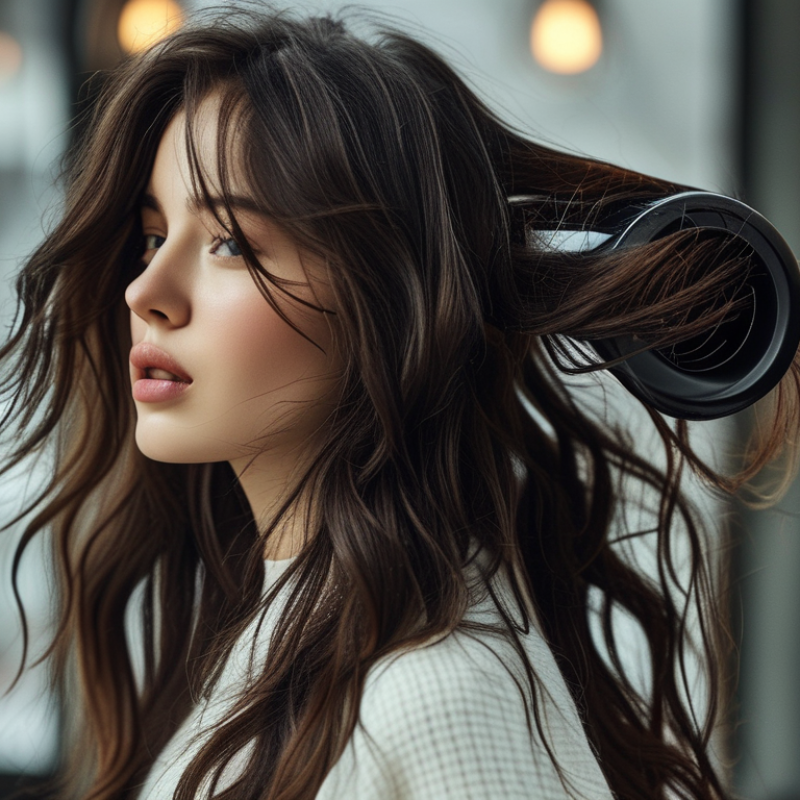
Heat damage to hair is a significant concern for many. When hair is exposed to high temperatures, the cuticle can lift, leading to dryness and breakage. This damage can be exacerbated with excessive heat styling. Understanding the science behind heat damage helps in making informed choices about hair care.
Cold air settings on hair dryers are often seen as a solution. These settings do not promote styling with high heat. Instead, they use a lower temperature to dry hair more gently. However, it's essential to know that using cold air doesn't completely eliminate heat damage. Hair can still be affected by other sources of heat, like styling tools. The effectiveness of cold air varies by individual hair type and condition.
Moreover, using a cold air setting may not always yield the sleek results that many desire. The drying process is slower, potentially leading to frizz for some. It's a good reminder that while we aim for healthy hair, the journey involves trial and error. Adjusting styling habits based on personal hair needs is essential for long-term health.
Impact of Hair Dryer Heat Settings on Hair Health
Understanding Hair Dryer Settings: Hot vs. Cold Air
When using a hair dryer, understanding the settings is crucial. The difference between hot and cold air can significantly affect hair health. Hot air dries hair quickly but can lead to heat damage. In fact, studies show that excessive heat causes hair cuticle deterioration, which affects texture and shine. A 2021 report from the International Journal of Trichology highlights that nearly 50% of individuals experience hair damage due to heat styling.
Cold air settings are becoming popular for those concerned about heat damage. Using the cold setting can help seal the hair cuticle. This can make the hair appear smoother and shinier. A 2022 survey by the Hair Research Institute found that 65% of users reported improved hair condition when using the cold setting. However, cold air takes longer to dry hair, which can be a concern for some.
While cold air might seem like a miracle solution, it is not a complete replacement for heat. Risks still exist with the cold setting, particularly if hair is not dried thoroughly. Inadequate drying can lead to moisture retention, promoting issues like mold or unpleasant odors. Evaluating both settings can be beneficial. Finding a balance between efficiency and hair health is essential.
How Cold Air Affects Hair and Styling Results
When it comes to hair styling, many people wonder how cold air settings on hair dryers influence the final look. The cold air function supposedly helps lock in hairstyles, but its effectiveness varies. Cold air does work to seal the hair cuticles, leading to reduced frizz. This can result in smoother, shinier hair. However, not all dryers distribute cold air evenly, which can affect styling results.
The temperature of the air can impact the drying process. Cold air takes longer to dry hair compared to warm air. For those in a rush, this might not be practical. Additionally, the effectiveness of the cold setting depends on how damp the hair is. For very wet hair, starting with warm air might be necessary before switching to cold to finish styling. This approach may require some experimentation to find the right balance.
It’s essential to understand that results can vary widely. Factors include hair type, humidity levels, and the hair dryer’s power. Some may find their hair looks best with a mix of warm and cold settings. The key is to pay attention to how your hair responds. Every individual’s hair journey is unique, and it may take some trial and error to achieve the desired style without heat damage.
Comparative Analysis: Effectiveness of Cold Air vs. Heat
When considering the use of cold air settings on hair dryers, it’s essential to analyze their effectiveness compared to traditional heat settings. Cold air might feel refreshing, but does it truly protect hair from damage? Research shows that high temperatures can strip moisture, leading to brittleness. Cold air, on the other hand, can help seal the hair cuticle and add shine, potentially reducing some damage.
However, the cold air setting may not provide the same drying efficiency as heat. It might take longer to dry hair, which could lead to more time spent in the styling process. Factors like hair type and thickness also play crucial roles in determining which method works best. For some, a combination of cold and heat could yield better results, as switching temperatures may enhance overall hair health.
It's important to reflect on personal hair goals and consider how each method impacts your individual routine. While cold air has its merits, it doesn’t eliminate all heat-related risks. An intuitive understanding of one’s hair texture and needs can guide users toward the most effective drying technique. Balancing heat and cold may be the key to achieving beautiful, healthy hair without compromising its integrity.
Tips for Minimizing Heat Damage While Using Hair Dryers
Using hair dryers can often lead to heat damage. Many wonder if the cold air setting truly helps. While it may reduce some damage, it’s not a foolproof solution. The real key lies in adopting smart practices while styling.
To minimize heat damage, always keep the dryer at a safe distance from your hair. Aim for at least six inches. Heat can easily scorch strands, even if you use a cooler setting. Another tip is to limit the drying time. Excessive exposure to any heat source is harmful. Consider towel-drying your hair first to cut down on drying time.
Lastly, don’t skip heat protectants. These products form a barrier against damage. Apply them generously before styling. It’s a simple step that can produce noticeable results. Be mindful that avoiding heat entirely is often more effective than relying solely on a cold setting. With some adjustments, you can enjoy styling without sacrificing hair health.
Does Cold Air Setting on Hair Dryer Really Prevent Heat Damage? - Tips for Minimizing Heat Damage While Using Hair Dryers
| Tip |
Description |
Effectiveness |
Additional Notes |
| Use Cold Air Setting |
Switching to cold air at the end helps to seal cuticles. |
High |
Best used after drying to reduce frizz. |
| Keep Dryer at a Distance |
Maintain 6-8 inches between the dryer and hair. |
Moderate |
Prevents concentrated heat on one spot. |
| Section Hair |
Divide hair into sections to dry evenly. |
High |
Reduces overall drying time. |
| Use Heat Protectant |
Apply products specifically designed to guard against heat damage. |
Very High |
Always recommended for added protection. |
| Avoid Over-Drying |
Stop drying when hair is slightly damp to prevent damage. |
High |
Helps maintain moisture levels in hair. |
FAQS
: Hot air dries hair quickly but may cause heat damage. Cold air takes longer but can improve hair smoothness.
Cold air can reduce some damage but isn't a complete solution. It still requires careful use.
Keep the dryer at least six inches away from your hair to minimize scorch risk.
Towel-drying your hair first can help reduce drying time when using cold air settings.
Heat protectants are essential. Apply them generously before styling to reduce potential damage.
Yes, inadequate drying with cold air can lead to moisture retention and issues like mold or odors.
Cold air makes hair shinier but takes longer to dry, requiring a balance between speed and health.
Studies indicate that nearly half of individuals face hair damage due to heat styling practices.
Conclusion
The article titled "Does Cold Air Setting on Hair Dryer Really Prevent Heat Damage?" explores the science behind heat damage in hair and evaluates the effectiveness of various hair dryer settings. It discusses how hot air can lead to structural damage in hair, causing dryness and breakage, while cold air settings can minimize these effects. The article emphasizes that while cold air does not dry hair as quickly, it can help lock in moisture and enhance styling without the harsh effects of heat.
Furthermore, the piece compares the outcomes of using cold air versus heat for styling, highlighting that cold air settings can be beneficial for achieving smoother results without compromising hair integrity. It concludes with practical tips for minimizing heat damage when using hair dryers, suggesting that, indeed, the cold air setting on a hair dryer may help prevent heat damage when applied correctly.
