Choosing a hair dryer is more than just picking a brand. Especially for thick hair, the right wattage is crucial. Understanding how to choose the right hair dryer wattage for thick hair can make a significant difference. High wattage dryers dry hair faster, but they can also cause damage if not used properly.
Thick hair tends to retain moisture longer. This means you may require a dryer with higher wattage to heat effectively. Look for models that offer at least 1800 watts. However, more power doesn’t always equal better results. Consider adjustable heat settings to prevent overheating.
Trial and error can be part of the process. You might find that a high wattage causes frizz rather than sleekness. Testing different dryers can help you discover what truly works for your hair type. Ultimately, the best choice combines adequate wattage with features suited for maintaining the health of your thick hair.
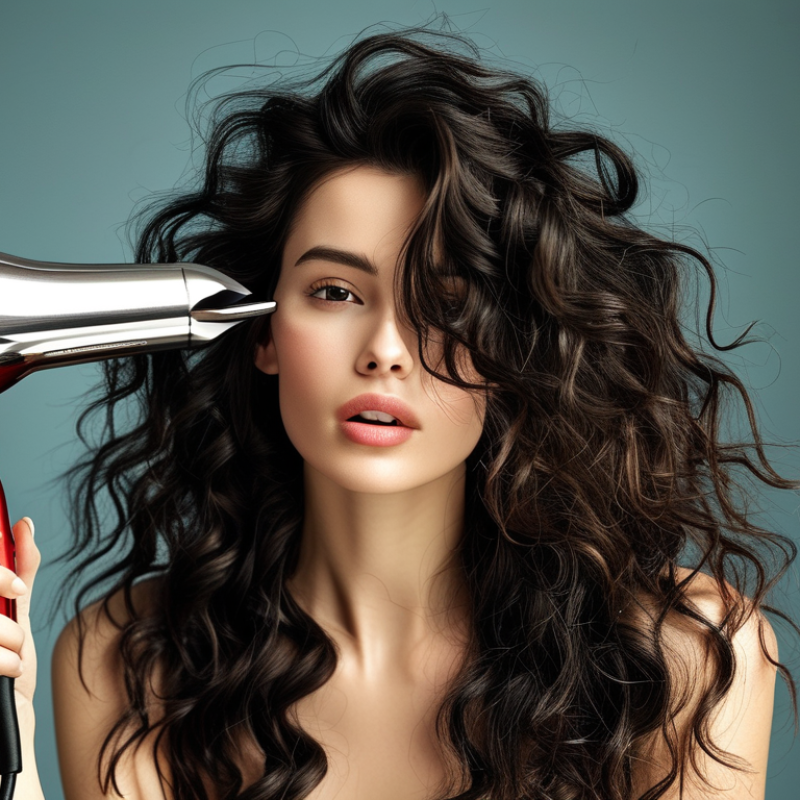
Understanding hair dryer wattage is essential for achieving optimal styling results, especially for thick hair. Wattage indicates the power of a hair dryer, which directly affects its performance. For thick hair, a dryer with a higher wattage is recommended. Aim for at least 1800 watts. This power level allows for faster drying times and better heat distribution. Thicker hair retains moisture, so a powerful dryer can help to lock in style while minimizing heat damage.
Choosing the right wattage also depends on your hair’s unique needs. If your hair is particularly coarse or curly, additional wattage may be beneficial. However, using overly high wattage can result in dryness. It may take some experimentation to find the perfect balance. Pay attention to how your hair responds after use. Not all high-wattage dryers deliver the same quality. Some may overheat or lack even heat distribution. Researching user reviews can highlight these distinctions. Ultimately, finding the right dryer may require trial and error, but understanding wattage is a crucial first step.
When it comes to thick hair, understanding its unique needs is essential. Thick hair often requires more heat and airflow for effective drying. Choosing the right wattage is key. For thick locks, a dryer with wattage between 1800 and 2200 is often ideal. This range provides powerful airflow without excessive heat damage.
Thick hair can take longer to dry. Therefore, selecting a dryer with adjustable heat settings is crucial. Lower settings can prevent damage, while higher settings can expedite the drying time. While it’s easy to get drawn to high wattage models, not all of them suit thick hair. Finding the right balance is important. The right product can create volume, reduce frizz, and ensure overall smoothness.
Remember, the dryer should feel comfortable to handle. A heavier unit can be tiring during use. Look for features like a concentrator nozzle for targeted airflow. This can enhance styling while focusing heat where it's most effective. Avoid models that lack versatile settings, as they can limit your styling options. Each head of hair is unique. Take time to evaluate what works best for you.
When selecting the wattage for a hair dryer, understanding the options is essential. Hair dryers typically range from low (below 1000 watts), medium (between 1000-1800 watts), to high (over 1800 watts). For thick hair, aiming for a higher wattage is usually beneficial. This is because thick hair takes longer to dry. If you choose a low wattage, you may be left with damp strands after prolonged use.
High wattage dryers can quickly provide the heat needed to evaporate water from thick hair. However, they may also produce intense heat that could damage your hair if used improperly. Always keep a safe distance while drying and use a heat protectant. For medium wattage, you may find a balance between drying time and heat exposure.
Here are a few tips to consider:
When choosing a hair dryer for thick hair, wattage is just one factor to consider. High wattage does deliver more power, but it's crucial to evaluate additional features. For thick hair, look for dryers with multiple heat and speed settings. These allow for better customization based on your hair type and desired style. Lower speeds are useful for a gentle dry, reducing frizz and damage.
Moreover, focus on the technology used in the dryer. Ionic technology can help break down water molecules faster. This leads to quicker drying while minimizing heat damage. The presence of a diffuser can be a game-changer as well, especially for those with natural waves or curls. These tools disperse airflow evenly, which is essential for styling thick hair without it becoming overly poofy.
Weight and design are also important. A lightweight dryer can prevent arm fatigue. Ergonomics play a role here; a comfortable grip makes a difference during longer drying sessions. Pay attention to the length of the cord, too. A longer cord offers more flexibility and maneuverability, aiding in a smoother experience. Choosing the right features, alongside wattage, is essential for optimal results.
Choosing the right hair dryer for thick hair can be daunting. One key factor to consider is wattage. Higher wattage means more power, which is crucial for drying thick hair efficiently. Generally, look for a dryer with at least 1800 watts. This ensures you avoid long drying times that can cause heat damage.
Another important factor is the heat settings. For thick hair, it’s ideal to have multiple heat settings. You need different temperatures for varying styles. Lower settings work well for fine finishes, while higher settings help quickly dry thick locks. However, be cautious with very high heat; it can lead to frizz and damage.
Don’t overlook the importance of the nozzle. A concentrator attachment can narrow the airflow, making it easier to style thick hair. Additionally, consider the weight of the dryer. A lightweight model is easier to maneuver but still powerful. Lastly, reflect on your own styling needs. Some people might prefer faster results, while others might want to focus on maintaining hair health. Finding the right balance is essential.
: For thick hair, look for a dryer with at least 1800 watts.
Higher wattage dries hair faster. Lower wattage may leave hair damp.
Yes, but keep a safe distance. Excess heat can damage hair.
Multiple heat settings are ideal. They allow for different styling needs.
A concentrator nozzle narrows airflow, making it easier to style thick hair.
A lightweight dryer is easier to hold, especially during long sessions.
Inspect your hair health regularly and adjust the dryer’s wattage as needed.
Yes, excessive heat can cause frizz and damage. Use caution.
If it tires your arm, consider a lighter model for comfort.
Consider whether you prioritize quick drying or maintaining hair health. Reflect on your preferences.
Choosing the right hair dryer wattage for thick hair is crucial for achieving efficient and effective styling. Understanding hair dryer wattage helps you recognize its significance in drying time and hair health. For thick hair, identifying your specific needs is essential, as higher wattage options typically provide quicker drying and styling capabilities. Comparing options across low, medium, and high wattage can guide you in selecting a dryer that meets the demands of your hair type.
Additionally, evaluating features beyond wattage, such as heat settings and airflow options, can enhance your drying experience. Tips for selecting the right hair dryer focus on assessing your hair’s characteristics and the dryer’s specifications, ensuring you find a model that performs well with thick hair. By considering wattage alongside other important features, you can effectively choose a hair dryer that suits your thick hair needs.